- Call us 01444 237070

-
- Back
- Used Cameras
- Used Accessories
- Used Lenses
- Back
- Used Canon Lenses
- Used Nikon Lenses
- Used Fujifilm Lenses
- Used Sony Lenses
- Used Micro 4/3rds Lenses
- Used Leica Lenses
- Used Panasonic Lenses
- Used Pentax Lenses
- Used Samyang Lenses
- Used Sigma Lenses
- Used Tamron Lenses
- Used Tokina Lenses
- Used Voigtlander Lenses
- Used Zeiss Lenses
- Used Hasselblad Lenses
- Used Video
- Used Film Equipment
- Used Stock Alert
- Used Blank Test
- Sell or Part Exchange
- Used Clearance
- Recently Added Used Equipment
- Park Picks
- Faulty
- Trade-In
- Blog
- New in
- Call us
- Contact us
- Stores
- Sign in
- Categories
- Tips & Inspiration
- Reviews
- News
- Events
- Features
- Buying Guides
- Competitions
Best Binoculars for Nature Viewing
If you’re considering investing in binoculars, a monocular or a spotting scope for nature observation, this guide will help you get started. From the best binoculars for bird watching, wildlife viewing, long distance observation or general outdoor use, this guide compares a range of popular models from leading brands.
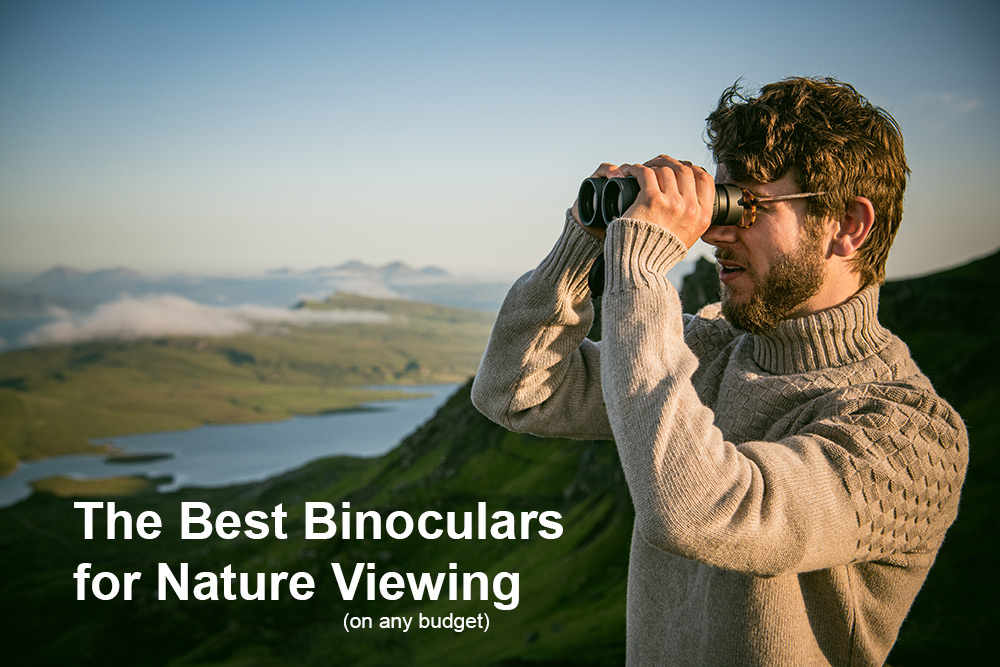
Table of contents
- Why use them for nature viewing?
- When is the best time of year for viewing?
- Tips for how to choose for beginners
- Which are best for bird watching?
- Best buy optics table (updated 2026)
- Zeiss SFL Binocular review video
- Zeiss Secacam Trail Cameras First Look
- Tips for using binoculars in the field
- Nature and Wildlife Blog Posts
- Wildlife observation resources
Why use them for nature viewing?
Many of us enjoy outdoor pursuits, country walks and hikes to enjoy wildlife, landscape photography or simply to enjoy some time from our daily routine. A pair of binoculars or a spotting scope adds a new level of enjoyment to outdoor activities, enabling us to ‘zoom in on real life’ and observe animals in their natural habitat, with far greater detail than we are able with the naked eye.
Modern technology brings a range of features to enhance our viewing experience, with lightweight and portable designs, which are ergonomically made for easy carrying and prolonged use. We can see much further into the distance with a suitable magnification to discover timid wildlife, and watch birds or other animals go about their business, as well as view crystal clear details of subjects from afar.
Photographers are known to bring a pair in order to scope subjects and compositions, being easier and lighter than using an unwieldy super telephoto lens. We can also discover distant routes across the landscape, find places to set-up a wildlife camera or discover which direction to head for the action.
You can also find models with a close minimum focus distance to enlarge details on nearer subjects, observing in a similar way to a macro lens. Digiscoping is also becoming increasingly popular, with accessories designed to mount a camera or smartphone to your optics.
These enable you to photograph images and record video of distant nature, the night sky including the moon and planets, through a scope or monocular at impressive magnifications. A monocular provides the ultimate low weight solution for distant viewing, favoured by ultralight hikers and outdoorsman.
When is the best time of year for nature viewing?
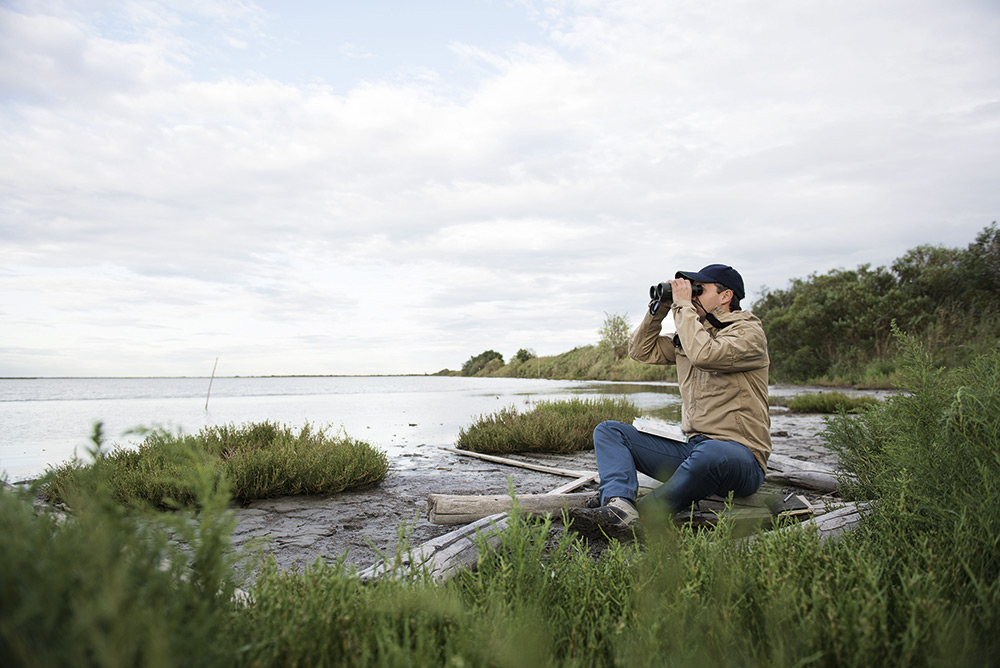
If you’re in the UK every season offers unique highlights for viewing and experiencing nature in its element. Naturally we’ll be most comfortable during the warmest months from April through to September, which coincides with much of the natural world being at its most active, but colder seasons also provide plenty to observe.
Spring
Migrating birds return, the dawn chorus intensifies and new growth brings insects and other wildlife with it. Woodlands also become particularly rewarding as bluebells and other spring flowers emerge.
Summer
Longer days provide more time outdoors, with butterflies, dragonflies, wildflowers and juvenile birds among the seasonal highlights. Early mornings and evenings can be particularly productive when temperatures are cooler and wildlife is more active.
Autumn
Changing foliage coincides with migration and increased activity from species preparing for winter. The deer rut is a major spectacle, while shorter days make good low-light performance increasingly useful for observation around dawn and dusk.
Winter
Quieter landscapes can make winter surprisingly rewarding. Starling murmurations are a particular highlight, while resident birds and mammals remain active throughout the colder months. Fewer visitors can also make popular nature reserves and countryside locations noticeably quieter.
Tips for beginners
Start with what you expect to watch and where you’ll use your equipment. Daytime walks and general nature viewing place different demands on your gear from observing distant subjects or heading out around dawn and dusk.
Magnification determines how close a subject appears, but more isn’t always better. Higher powers can be harder to hold steady and usually provide a narrower field of view, making moving subjects more difficult to locate and follow.
Size is another important consideration. Larger front elements generally gather more light and can improve viewing in darker conditions, but increase weight and bulk. A smaller, lighter design will often be more convenient for walking, travelling and carrying throughout the day.
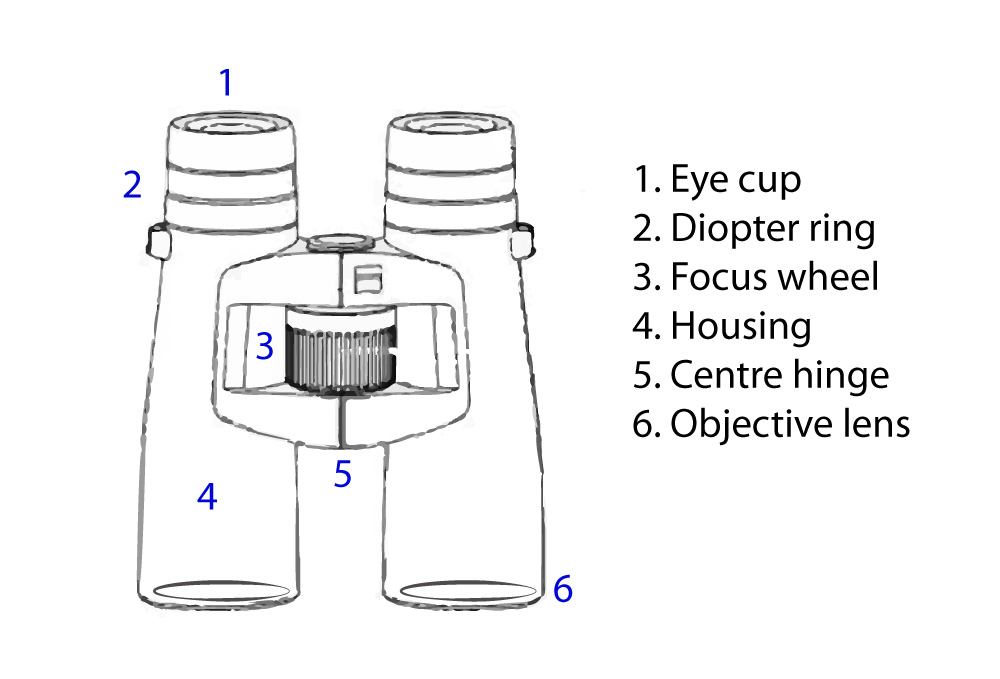
Finally, consider comfort. Adjustable eyecups, straightforward focusing and a body that feels secure in your hands can make a considerable difference during longer periods outdoors. Weather resistance and internal gas filling are also worth considering if you expect to use your equipment throughout the year.
Which are best for bird watching?
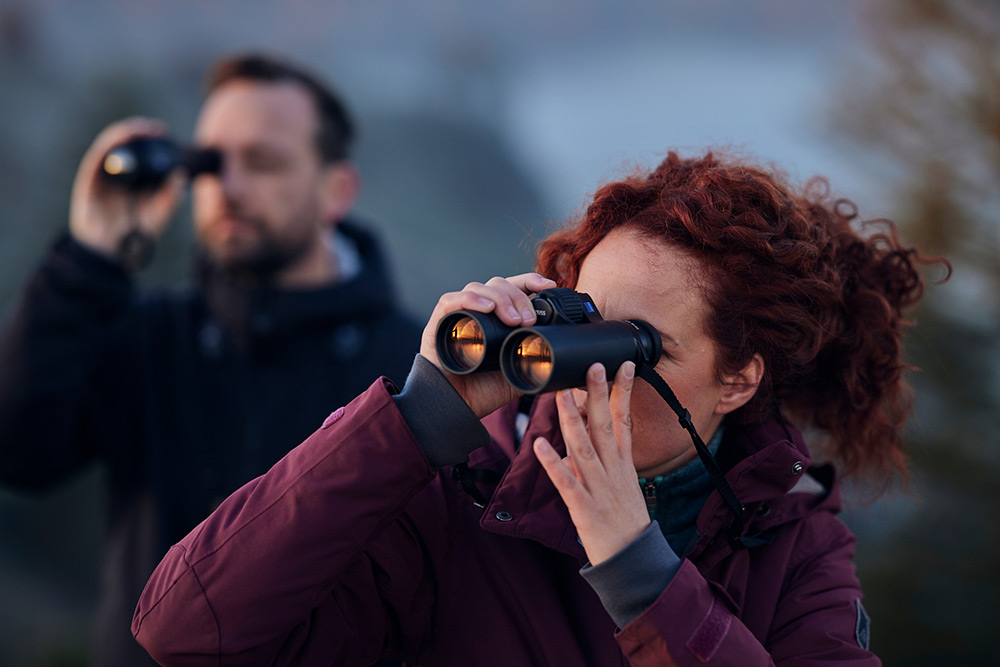
For most birdwatchers, the priorities are a useful balance of magnification, field of view, image quality and manageable weight. Being able to observe from further away can also help avoid disturbing wildlife while making it easier to watch natural behaviour.
Consider where you’ll spend most of your time. Waterproofing and fog resistance are particularly useful around wetlands and in changeable weather, while a lightweight design can make longer walks more comfortable. A dioptre adjustment is also valuable for fine-tuning the view to your eyesight.
For general use, 8x and 10x are popular starting points, with the choice depending on whether you favour a wider, steadier view or greater reach.
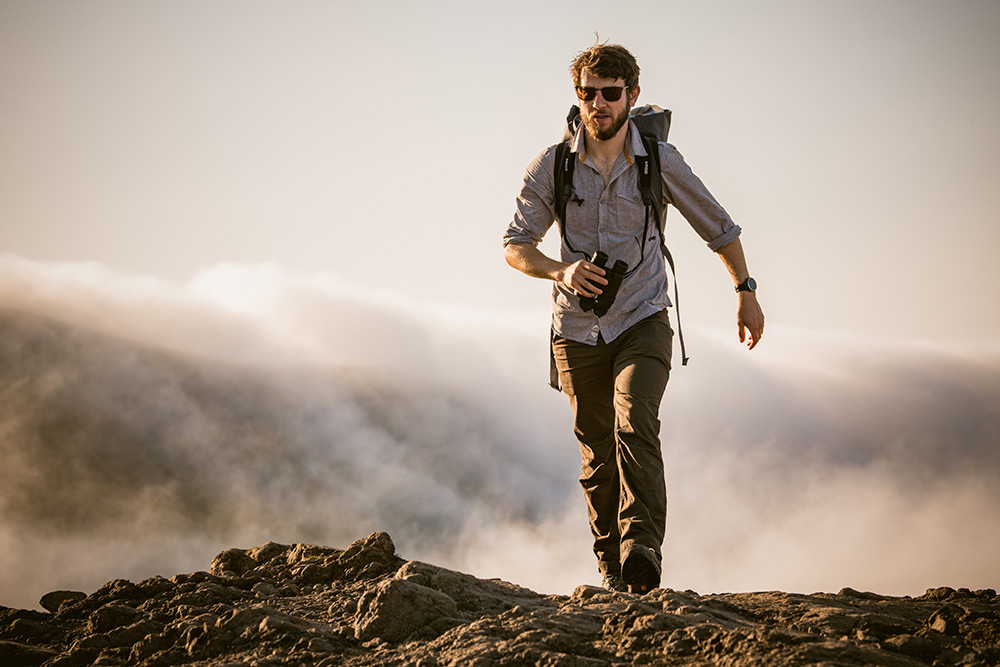
The best options in 2026
We’ve rounded up a selection of popular optics for this comparison. These represent a range of designs, magnifications and price points, with options suited to bird watching, nature observation and general outdoor use.
|
Model |
RRP |
Key features |
Weight |
|
£3,695.00 |
Integrated wildlife identification technology for birds and animals |
1,090 g |
|
|
£2,880.00 |
14x high magnification optics for long distance wildlife viewing |
1020 g |
|
|
£1,549.00 |
SmartFocus lightweight design |
640g |
|
|
£1,065.00 |
HD optical system for bird watching and wildlife observation |
715g |
|
|
£869.00 |
High light transmission optics for clear bird watching and nature viewing |
730g |
|
|
£699.00 |
High definition Leica optics for bird watching and outdoor observation |
650g |
|
|
£739.00 |
ED objective lenses for high contrast wildlife viewing |
786g |
|
|
£399.00 |
ED glass optical system for bird watching binocular performance |
680g |
|
|
£499.00 |
ED glass optical system with ZEISS hydrophobic multi coating |
725g |
|
|
£169.00 |
Multilayer coated lenses for bright nature viewing |
585g |
|
|
£709.00 |
Porro prism optical design for bright high contrast viewing |
575g |
|
|
£1,119.00 |
Electronic image stabilisation system for steady long distance viewing |
1,300g |
|
|
£1,149.00 |
Optical Image Stabiliser system for steady bird watching and long distance observation |
1180g |
|
|
£1,669.00 |
Electronic image stabilisation with large 50mm objective lenses for long distance wildlife viewing |
1015g |
Recommended Models
For lightweight everyday use, the Nikon Prostaff P3 8x30, Nikon Prostaff P3 10x30 and ZEISS Terra ED 8x32 are portable choices for walks, nature reserves and general outdoor use.
If greater reach is a priority, consider the Nikon Prostaff P7 10x42 or ZEISS Terra ED 10x42. The Pentax Jupiter 8x40 offers an alternative for comfortable handheld observation.
For more distant subjects across wetlands, estuaries and coastal locations, options include the Pentax Jupiter 10x50 and higher-powered Pentax Jupiter 16x50.
At higher magnifications, stabilisation becomes increasingly useful. The Fujinon TS-X 14x40 Techno-Stabi and Canon 15x50 IS provide stabilised handheld viewing where a tripod would otherwise be preferable.
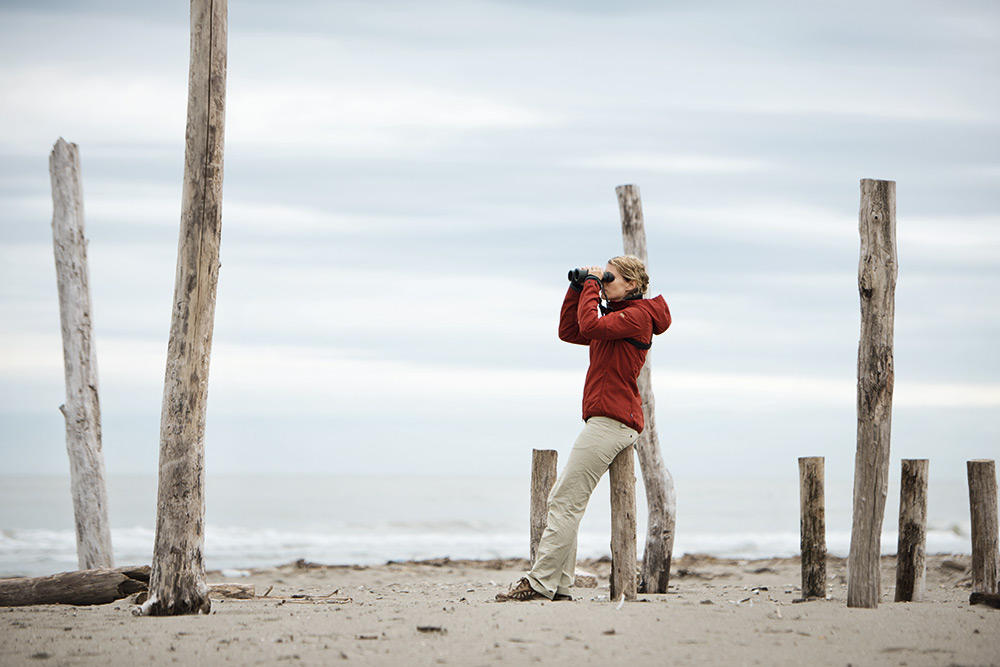
Lightweight Options for Travel
Smaller models are easier to carry on walks, holidays and days out, with 7x to 10x options providing a useful choice between portability, field of view and reach.
- Swarovski 7x21 CL Curio Binoculars Burnt Orange
- ZEISS Terra ED Pocket 8x25 Black/Black
- Leica 8 x 20 BCA Trinovid Black Compact Binocular
- Hawke Endurance ED 10x25 Green Compact Binoculars
- Hawke Nature Trek 8x25 Binoculars Green
- Nikon Stabilised 10x25 S Binoculars
Video reviews
Watch our collection of reviews, which include the Zeiss SFL 30 Binoculars and Zeiss DTI 3/35 & DTI 3/25 Review.
Zeiss SFL 30 Binoculars Video Review | The Perfect Compact Binoculars?
Zeiss Secacam Trail Cameras | First Look Video Review
ZEISS Trail Cameras
Adding to the range in January 2025, ZEISS launched the all-new ZEISS Secacam 3 Trail Camera. This model comes packed with upgrades compared to the 2023 cameras, including a new chipset for faster transmission and excellent image clarity in low light. It also adds a new LCD screen, integrated memory and USB-C file transfers, which all comes at a lower cost than the first generation Secacam 7 and Secacam 5.
Tips for Better Viewing
- Carry them comfortably. Use the supplied strap for shorter outings, or consider a harness or alternative strap for longer walks. A harness such as the ZEISS Binocular Harness distributes weight across the shoulders rather than the neck.
- Set them up for your eyesight. Adjust the spacing until you see a single comfortable view, then use the main focus control and dioptre adjustment to achieve a clear image.
- Find subjects before raising them to your eyes. Look and listen first, identify the subject or a nearby landmark, then bring them up while continuing to look at the same spot. This becomes much quicker with practice.
- Keep the glass clean. Remove dust, fingerprints and moisture with suitable cleaning equipment rather than clothing or other potentially abrasive materials.
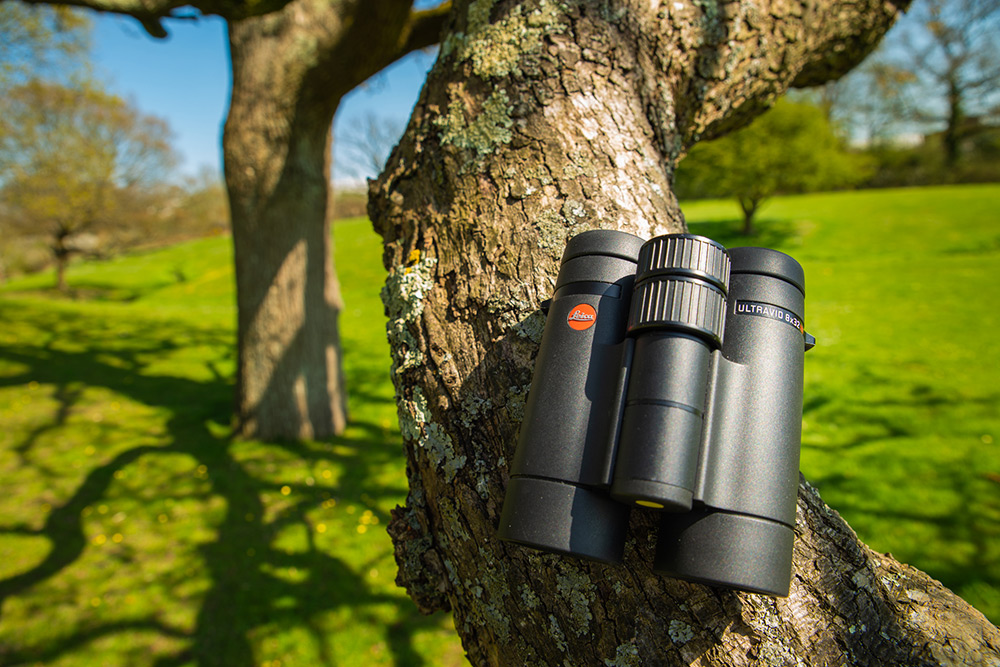
Related Guides and Inspiration
Explore more practical advice and inspiration for observing and photographing wildlife:
- How A Thermal Imaging Camera Works
- Park Cameras Adds Pulsar Optics For Nature Observation
- Photographing Local Wildlife With Danny Green
- Essential Accessories For Wildlife Photography
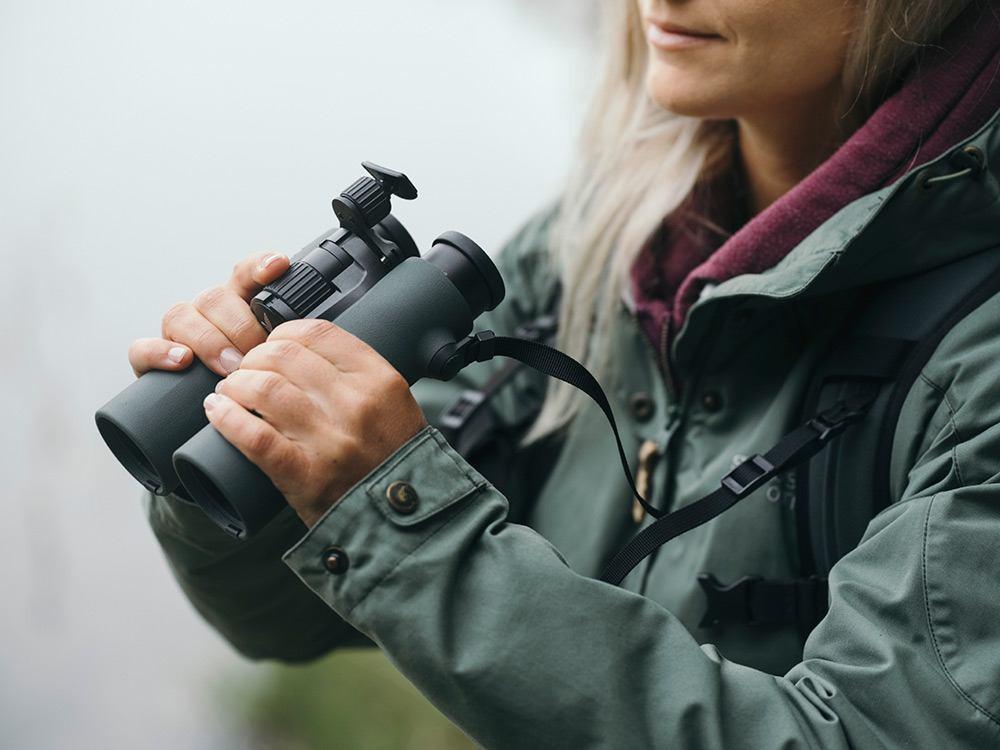
Wildlife observation resources
We’ve collated a list of external Wildlife observation resources to discover the best time to view wildlife, how you can get involved as well as inspiration to get us outside and enjoy the natural world.
- Nature's Calendar provides seasonal guides for viewing birds and is hosted by the RSPB
- The Woodland Trust hosts a national Calendar inviting participation for everyone to note observations and track climate change in the UK
- NatGeo Kids is a brilliant resource packed with activities and information for children to get involved with the natural world
- Where to see is a resource provided by Country File magazine with lots of information for where to observe and photograph nature throughout the UK
- Following the birdwatchers' code enables us all to enjoy seeing birds with a little common sense and good practice
Share this post:
By Park Cameras on 09/03/2026
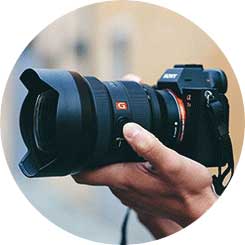
Trade in your old equipment
Fast and easy trade in service ensures your old gear is collected efficiently and you are paid quickly! It's very simple to trade in your unwanted photography gear. Just head over to our dedicated Sell or Part Exchange page, fill out the details, and we'll get back to you with an offer for your old gear. Take the cash, or put it towards the cost of your new gear. It's up to you! Find out more
sign up to the newsletter
Keep up to date on the latest photography news, events and offers. Sign up now