- Call us 01444 237070

-
- Back
- Used Cameras
- Used Accessories
- Used Lenses
- Back
- Used Canon Lenses
- Used Nikon Lenses
- Used Fujifilm Lenses
- Used Sony Lenses
- Used Micro 4/3rds Lenses
- Used Leica Lenses
- Used Panasonic Lenses
- Used Pentax Lenses
- Used Samyang Lenses
- Used Sigma Lenses
- Used Tamron Lenses
- Used Tokina Lenses
- Used Voigtlander Lenses
- Used Zeiss Lenses
- Used Hasselblad Lenses
- Used Video
- Used Film Equipment
- Used Stock Alert
- Used Blank Test
- Sell or Part Exchange
- Used Clearance
- Recently Added Used Equipment
- Park Picks
- Faulty
- Trade-In
- Blog
- New in
- Call us
- Contact us
- Stores
- Sign in
- Categories
- Tips & Inspiration
- Reviews
- News
- Events
- Features
- Buying Guides
- Competitions
Manfrotto ONE Photo vs ONE Hybrid Tripod
The release of a new Manfrotto photography tripod in the ONE range for 2026 may raise the question of how it compares with ONE Hybrid models that launched late in 2025. Additionally, you might wonder which to choose between the legs-only version or the two different head kits.
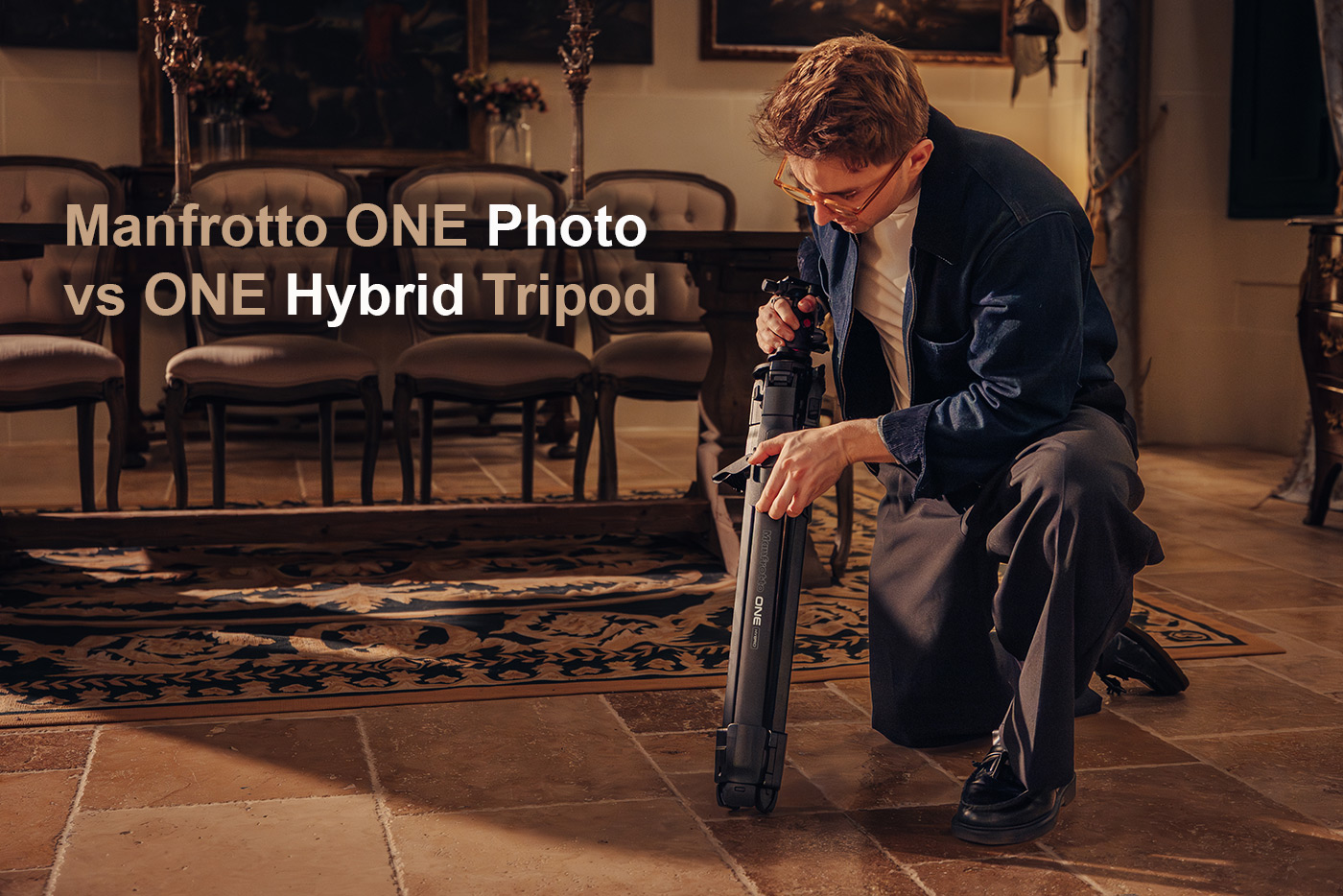
Let’s face it, tripods and heads can generally become confusing quite quickly, so this buying guide seeks to clarify the difference between the Photo and Hybrid tripod, as well as comparing the three photographic models so you can choose the right one for your needs.
So, join us as we explore which models are now available and how much each costs, which could itself help you make the right decision.
Range and UK Prices Compared
With seven variants in the range, the table below shows which models cost what, and whether each is intended for photography and video or photo-only use.
|
|
Product |
Photo or Hybrid |
Price |
|
1 |
Hybrid |
£375.00 |
|
|
2 |
Hybrid |
£539.00 |
|
|
3 |
Hybrid |
£519.00 |
|
|
4 |
Hybrid |
£669.00 |
|
|
5 |
Photography |
£269.00 |
|
|
6 |
Photography |
£399.00 |
|
|
7 |
Photography |
£399.00 |
There are Manfrotto tripods for every price point and skill level, with the range spanning mid- to pro-level pricing. All models sit above entry-level tripods such as the 190 series, including the Manfrotto MT190XPRO3 190 XPRO 3 Section Aluminium, which costs £189.00, while remaining in the same ballpark as popular 055 legs, including the MT055XPRO3 055 3 Section Aluminium Tripod at £219.00.
For an in-depth look at the XCHANGE quick-release system used by the Hybrid range, see our Manfrotto ONE tripods and XCHANGE system guide. This series features updates to leg architecture, deployment and the Q90 mechanism, positioning it as an evolutionary new range, which we investigate next with a specs comparison.
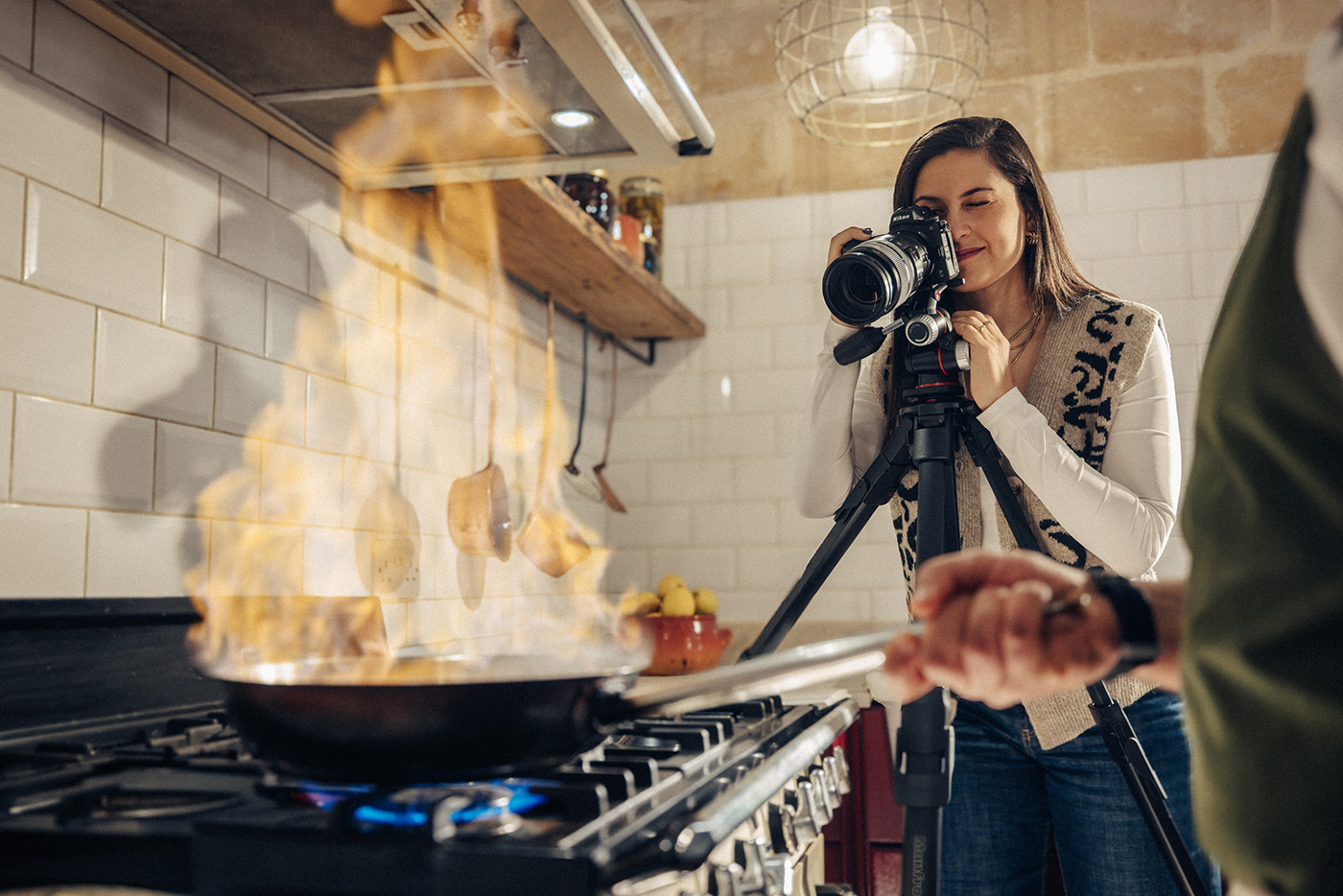
Photo tripod comparison
This table outlines key specifications for each photography tripod so you can decide which may best suit your needs. If you already have a preferred tripod head, you can opt for the legs-only version, or choose one of the head kits, which we discuss in more detail later in this guide.
|
Specification |
ONE Photo Aluminium Tripod (Legs Only, no head) |
ONE Photo Aluminium Tripod with XPRO Ball Head (Ball Head Kit) |
ONE Photo Aluminium Tripod with XPRO 3-Way Head (3-Way Kit) |
|
Best For |
Photographers who want to use their own tripod head |
Fast framing and general everyday photography |
Studio, product and precise compositions |
|
Safety Payload |
12 kg |
12 kg |
12 kg |
|
Weight |
3.11 kg |
3.66 kg |
4.11 kg |
|
Max Height (Column Up) |
164 cm |
175.5 cm |
177 cm |
|
Max Height (Column Down) |
140 cm |
151.5 cm |
152 cm |
|
Minimum Height |
10 cm |
10 cm |
10 cm |
|
Closed Length |
65.5 cm |
76.8 cm |
78 cm |
|
Head Included |
No |
XPRO Ball Head |
XPRO 3-Way Head |
|
Head Control Type |
N/A |
Ball with friction control |
Independent 3-axis control |
|
Arca-Swiss Compatible |
Depends on chosen head |
Yes |
Yes |
|
Carrying Bag |
Not included |
Not included |
Not included |
Next we look at the key features which this innovative tripod brings to photography.
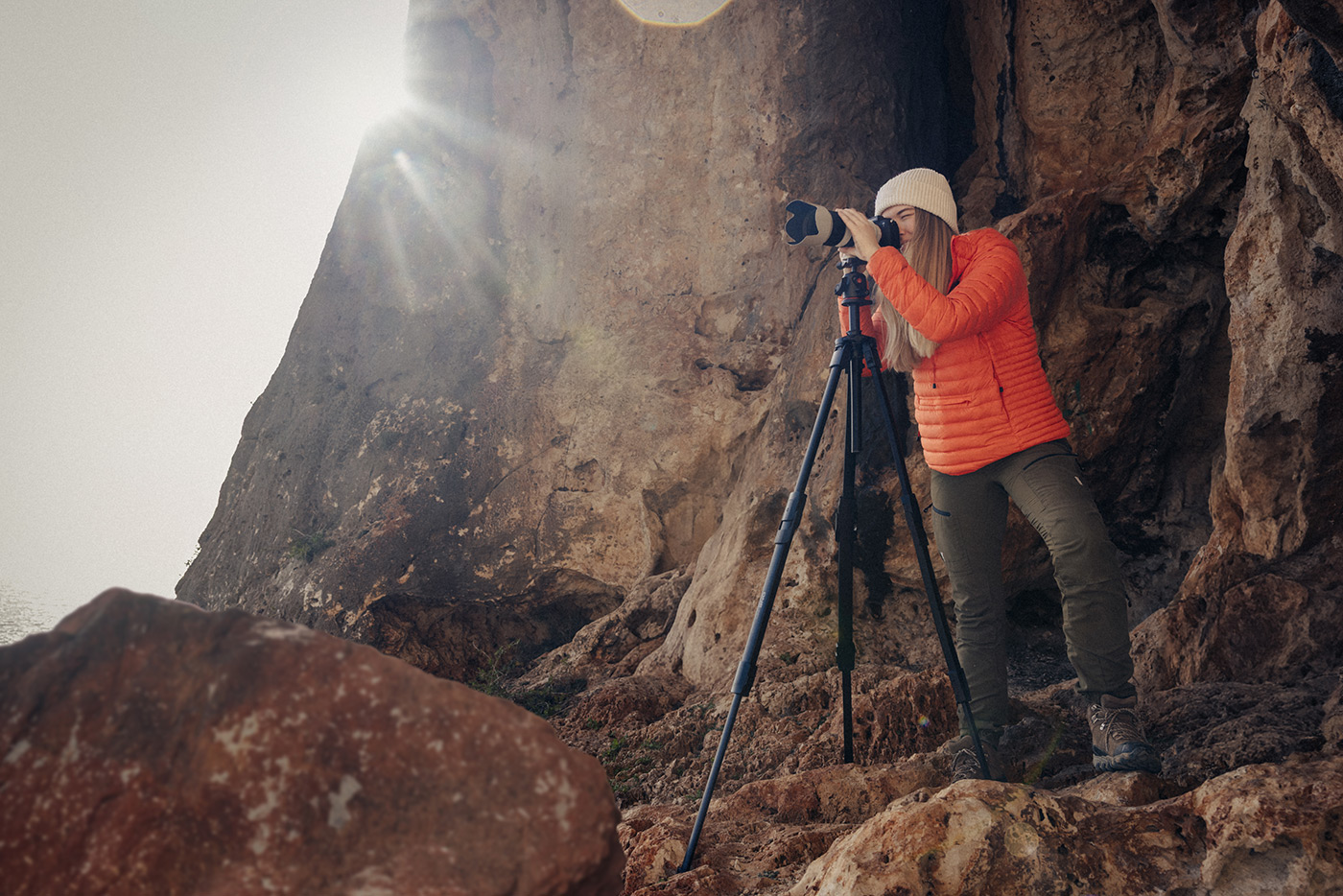
Photo Tripod Key Features
Unique technology is developed specifically for this system, while also incorporating features from its wider tripod range, creating a fully featured system that addresses the majority of needs for most situations.
- XTEND Leg System – XTEND technology allows multiple leg sections to extend simultaneously from a single unlocking action. This reduces setup time compared to most traditional twist or lever leg locks and helps photographers get the right height quickly.
- Non-Round Leg Profile – These leg sections use an oval, non-round shape to increase torsional rigidity. This reduces rotational flex under load, which helps with stability especially when using heavier equipment such as longer focal length lenses, or when in windy conditions.
- Q90 Horizontal Column – A Q90 mechanism enables the centre column to move from vertical to horizontal without needing to remove it. This allows quick switching to overhead, flat-lay or macro positions without any tools or taking the column out from the tripod.
- Low Minimum Working Height – With a minimum height of just 10 cm, the Photo model supports true ground-level shooting, which is ideal for macro, product and just about any low-angle compositions.
- 60 mm Flat Upper Disc with 3/8 Inch Thread – The flat mounting platform supports a wide range of ball heads and three-way heads.
- Integrated Bubble Level – A built-in bubble level assists with horizon alignment, which is useful in all photo genres, but particularly for architectural and landscape photography.
- Modular Rubber and Spike Feet – All versions include both rubber and spike feet, allowing secure placement on any surface from interior floors, to gravel, grass or uneven terrain.
Next, we compare all three legs from the system, specifying differences between Photo and Hybrid aluminium and carbon fibre options.
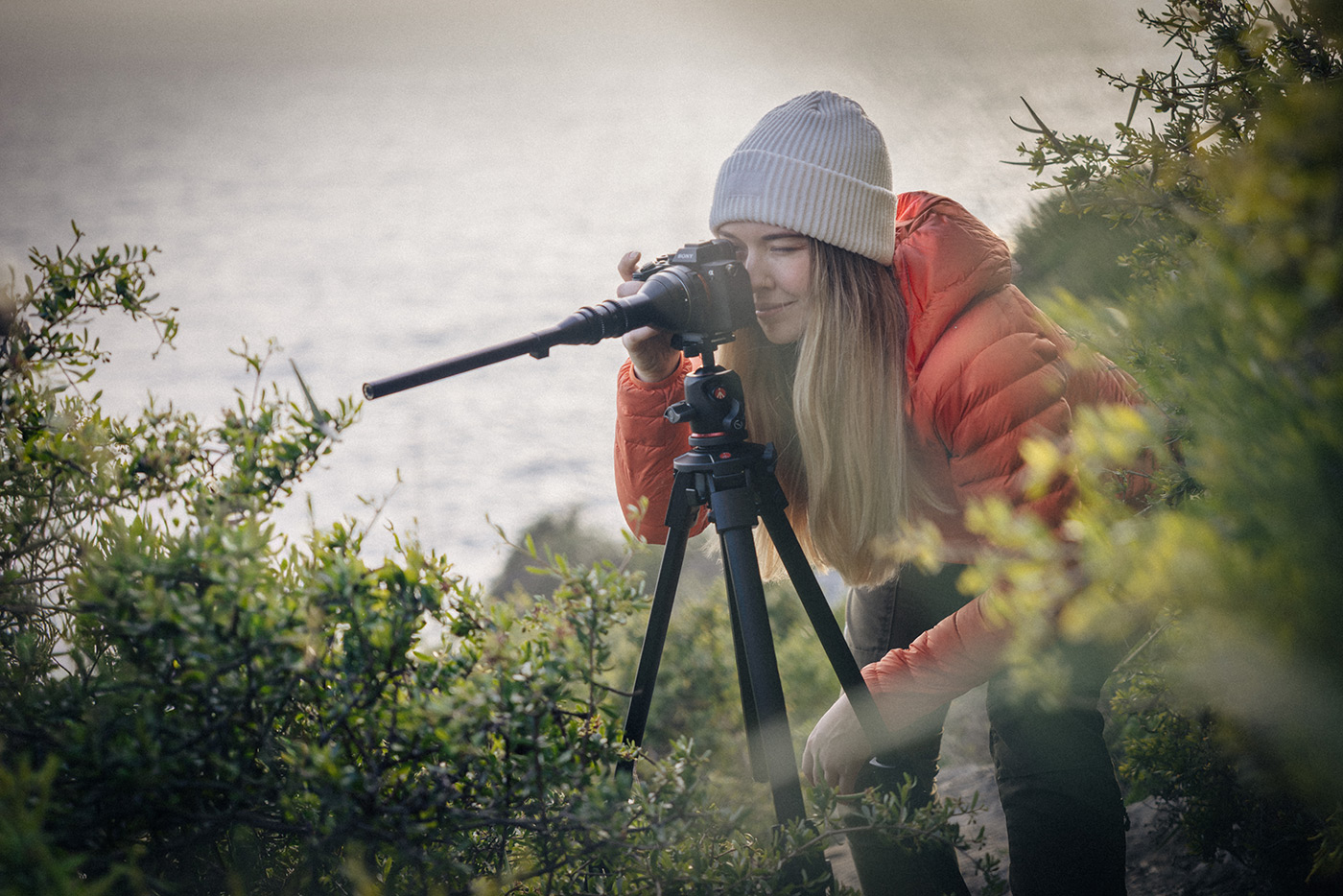
Hybrid and Photo Leg Comparison
Although they are based on the same platform, the Photo and Hybrid tripods differ in payload capacity, height range and overall structure. The Photo version simplifies the design, focusing on features for stills photography, while Hybrid models retain modular and levelling components for photo and video use.
The table below compares the three leg options so you can see how these legs-only differ in weight, working height and load for aluminium and carbon fibre versions.
|
Specification |
|||
|
Primary Use |
Photo |
Photo and video |
Photo and video |
|
Safety Payload |
12 kg |
15 kg |
15 kg |
|
Weight |
3.11 kg |
3.55 kg |
3.15 kg |
|
Tripod Material |
Aluminium |
Aluminium |
Carbon fibre |
|
Max Height (Column Up) |
164 cm |
170.5 cm |
170.5 cm |
|
Max Height (Column Down) |
140 cm |
150.5 cm |
150.5 cm |
|
Minimum Height |
10 cm |
19 cm |
19 cm |
|
Closed Length |
65.5 cm |
70.5 cm |
70.5 cm |
|
XTEND Leg System |
Yes |
Yes |
Yes |
|
XCHANGE System |
No |
Yes |
Yes |
|
Levelling System |
No |
Yes |
Yes |
|
Modular Column |
No |
Yes |
Yes |
|
Q90 Horizontal Column |
Yes |
Yes |
Yes |
|
Leg Angle Selector |
Yes |
Yes |
Yes |
|
Easy Link Connector |
Yes |
Yes |
Yes |
|
Hook for Ballast |
Yes |
Yes |
Yes |
|
Modular Rubber and Spike Feet |
Yes |
Yes |
Yes |
|
Carrying Bag |
Not included |
Not included (included in head kits only) |
Not included (included in head kits only) |
The key difference between these tripods lies in their features. The Photo model removes modular and levelling components to simplify the design for stills photography, while the Hybrid retains features for photographers who also shoot video, which we explore in more detail next.
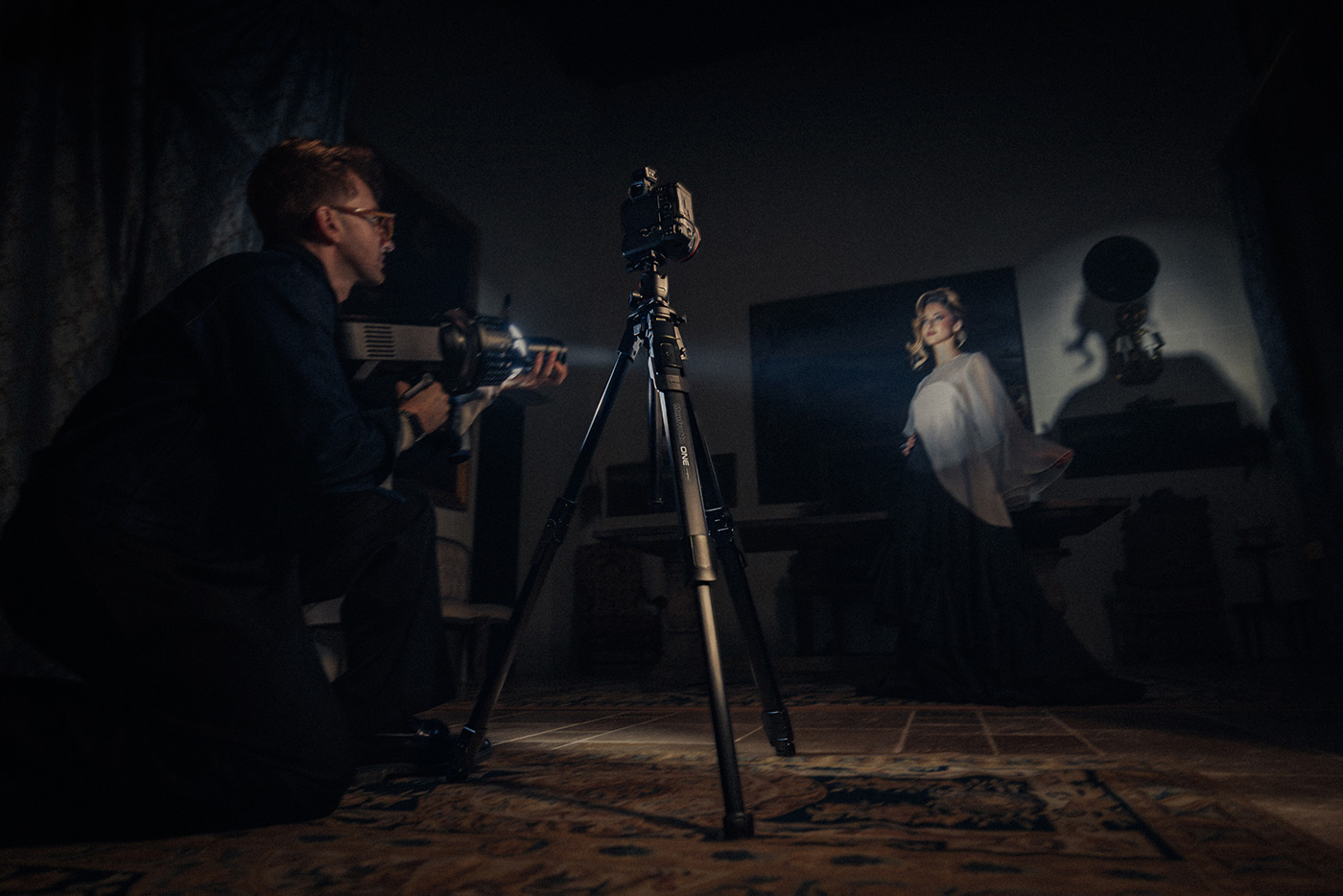
What are the Feature differences?
Aside from specifications, the main differences between the models are their modular features. Hybrid models are more rounded and make the better choice for creators who shoot both stills and video, whereas Photo models are lighter and simpler to operate.
|
Feature |
Photo |
Hybrid |
|
XCHANGE |
No |
Yes |
|
XTEND |
Yes |
Yes |
|
Levelling System |
No |
Yes |
|
Sliding Column |
Yes |
Yes |
|
Modular Column |
No |
Yes |
|
Q90 Mechanism |
Yes |
Yes |
|
Angle Selector |
Yes |
Yes |
|
Easy Link |
Yes |
Yes |
|
Hook |
Yes |
Yes |
|
Modular Feet (Rubber + Spike) |
Yes |
Yes |
|
Carrying Bag |
No |
Yes (only kits) |
Both offer plenty of scope to get the shot, with the Q90 mechanism, Easy Link accessory attachment and more. If you’re considering a complete legs and head kit, the comparison below outlines the differences between the ball head and 3-way head variants.
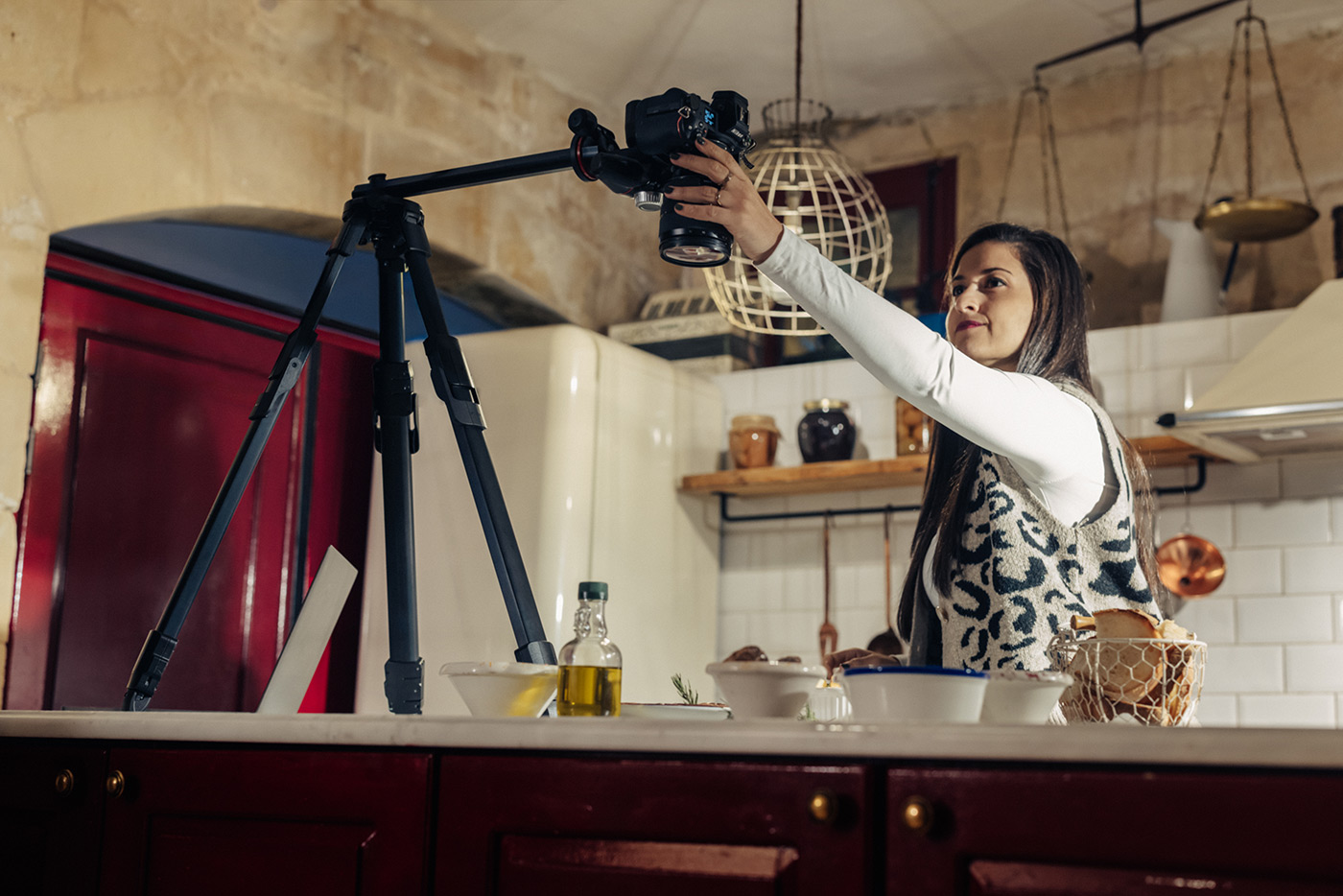
Which Kit Should You Choose?
Choosing the right tripod head kit depends on how you shoot, the types of photography you do, and the level of compositional control you want. Some photographers favour the speed of a ball head, while others prefer the control that 3-way heads provide, as outlined below.
|
Feature |
XPRO Ball Head |
XPRO 3-Way Head |
|
Best for |
General photography, travel and fast-moving situations |
Architectural, product, landscape and macro photography |
|
Axis control |
Ball movement with adjustable friction |
Independent tilt, pan and lateral control |
|
Movement style |
Smooth repositioning for quick adjustments |
Precise control on each axis for Repeatable framing, studio alignment and controlled adjustments |
|
Arca-Swiss compatibility |
Yes |
Yes |
|
Ease of use |
Quick to adjust |
More deliberate and slower to adjust |
|
Repeatability |
Moderate |
High |
|
Retractable levers |
No |
Yes |
|
Workflow |
Fast framing adjustments |
Controlled, repeatable framing |
Do you need a Hybrid Tripod?
If you capture photo and video content hybrid models make good sense due to additional modularity, levelling control and higher load capacity. This system is better suited to photographers and creators who:
- Use a fluid head and require a levelling base for faster alignment
- Want compatibility with the XCHANGE quick-release system
- Need support for rigs up to 15 kg
- Prefer the modular column and integrated levelling system
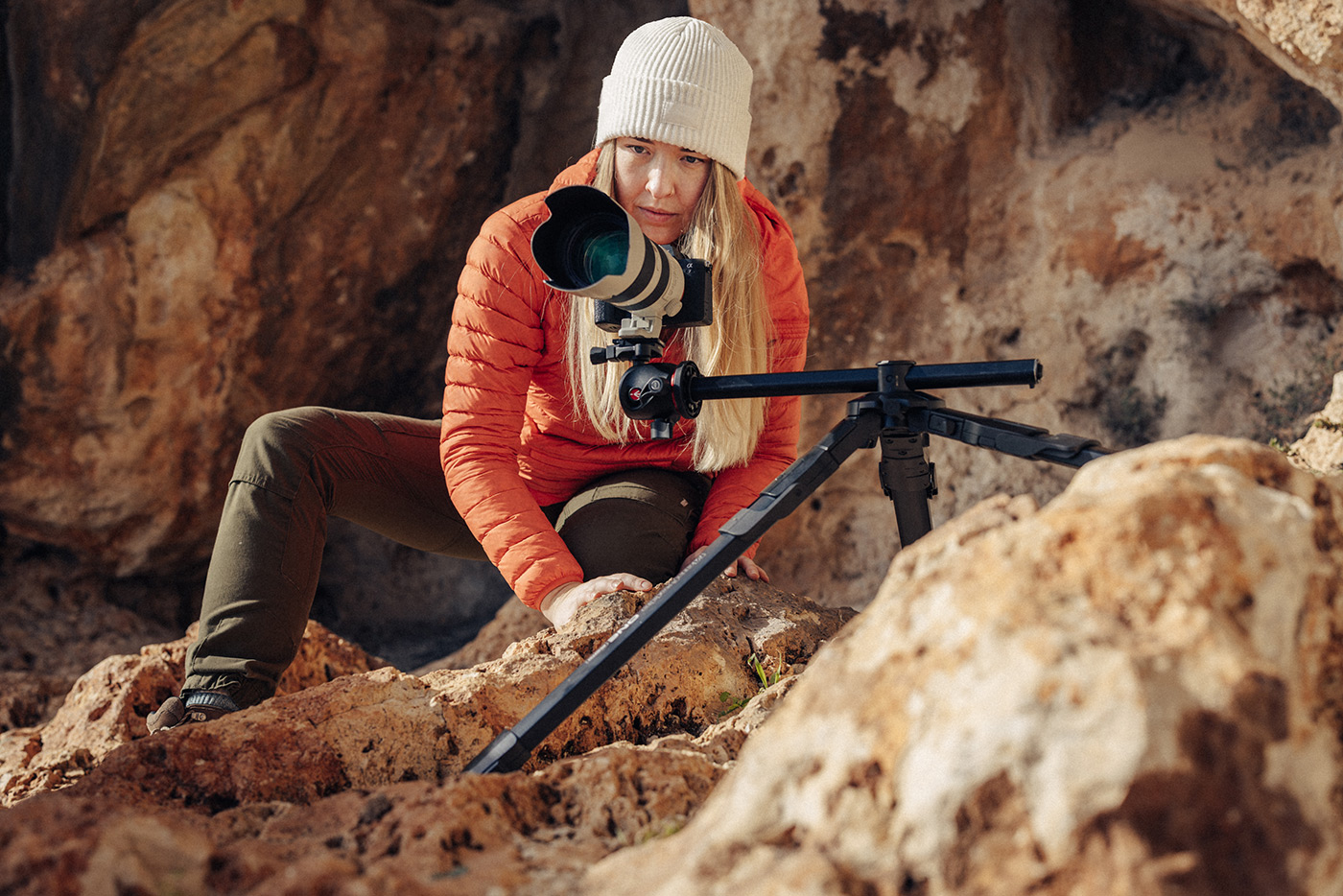
If those features sound unnecessary for your workflow, the Photography version may provide a more streamlined photographic solution.
With the release of Photo models, creators can choose from a comprehensive range of tripods and kits to suit many styles. This mid- to high-range system offers options from aluminium legs-only versions to fully featured carbon kits with the modular features hybrid creators may require.
Shop for your Manfrotto tripod today and choose between aluminium or carbon fibre with ONE Photo and Hybrid models to suit your workflow.
We’ve also made a hands-on ONE Photo Aluminium Tripod Review, which goes into the nitty gritty of field operation so you can get a better sense of what the Photo version can do.
Share this post:
By Nick Dautlich on 10/03/2026

Nick Dautlich
Senior Content Writer and Product Reviewer
Nick Dautlich is the Senior Content Writer and Product Reviewer at Park Cameras, with over 15 years of photography experience. A Sony Imaging Professional and expert reviewer, Nick has worked with major brands such as Canon, Sony and Nikon. His work is also featured on Vanguard World UK’s website, Capture Landscapes, and Shutter Evolve. Nick’s photography includes National Trust projects and magazine covers and he is passionate about landscapes and storytelling. Nick also enjoys hiking and teaching his children about nature. Learn more on his profile page.
Trade in your old equipment
Fast and easy trade in service ensures your old gear is collected efficiently and you are paid quickly! It's very simple to trade in your unwanted photography gear. Just head over to our dedicated Sell or Part Exchange page, fill out the details, and we'll get back to you with an offer for your old gear. Take the cash, or put it towards the cost of your new gear. It's up to you! Find out more
sign up to the newsletter
Keep up to date on the latest photography news, events and offers. Sign up now