- Call us 01444 237070

-
- Back
- Used Cameras
- Used Accessories
- Used Lenses
- Back
- Used Canon Lenses
- Used Nikon Lenses
- Used Fujifilm Lenses
- Used Sony Lenses
- Used Micro 4/3rds Lenses
- Used Leica Lenses
- Used Panasonic Lenses
- Used Pentax Lenses
- Used Samyang Lenses
- Used Sigma Lenses
- Used Tamron Lenses
- Used Tokina Lenses
- Used Voigtlander Lenses
- Used Zeiss Lenses
- Used Hasselblad Lenses
- Used Video
- Used Film Equipment
- Used Stock Alert
- Used Blank Test
- Sell or Part Exchange
- Used Clearance
- Recently Added Used Equipment
- Park Picks
- Faulty
- Trade-In
- Blog
- New in
- Call us
- Contact us
- Stores
- Sign in
- Categories
- Tips & Inspiration
- Reviews
- News
- Events
- Features
- Buying Guides
- Competitions
Is the Sony RX1R II still worth getting
As the second-generation RX1R II began to age, many wondered whether Sony had forgotten all about their once highly esteemed premium compact camera range. Then, suddenly out of the blue, the Sony RX1R III arrived and breathed new life into the lineage.
With the release of the third-generation model, prices dropped for a used Sony RX1R II, which begged the question; is the Sony RX1R II still worth getting in 2026?
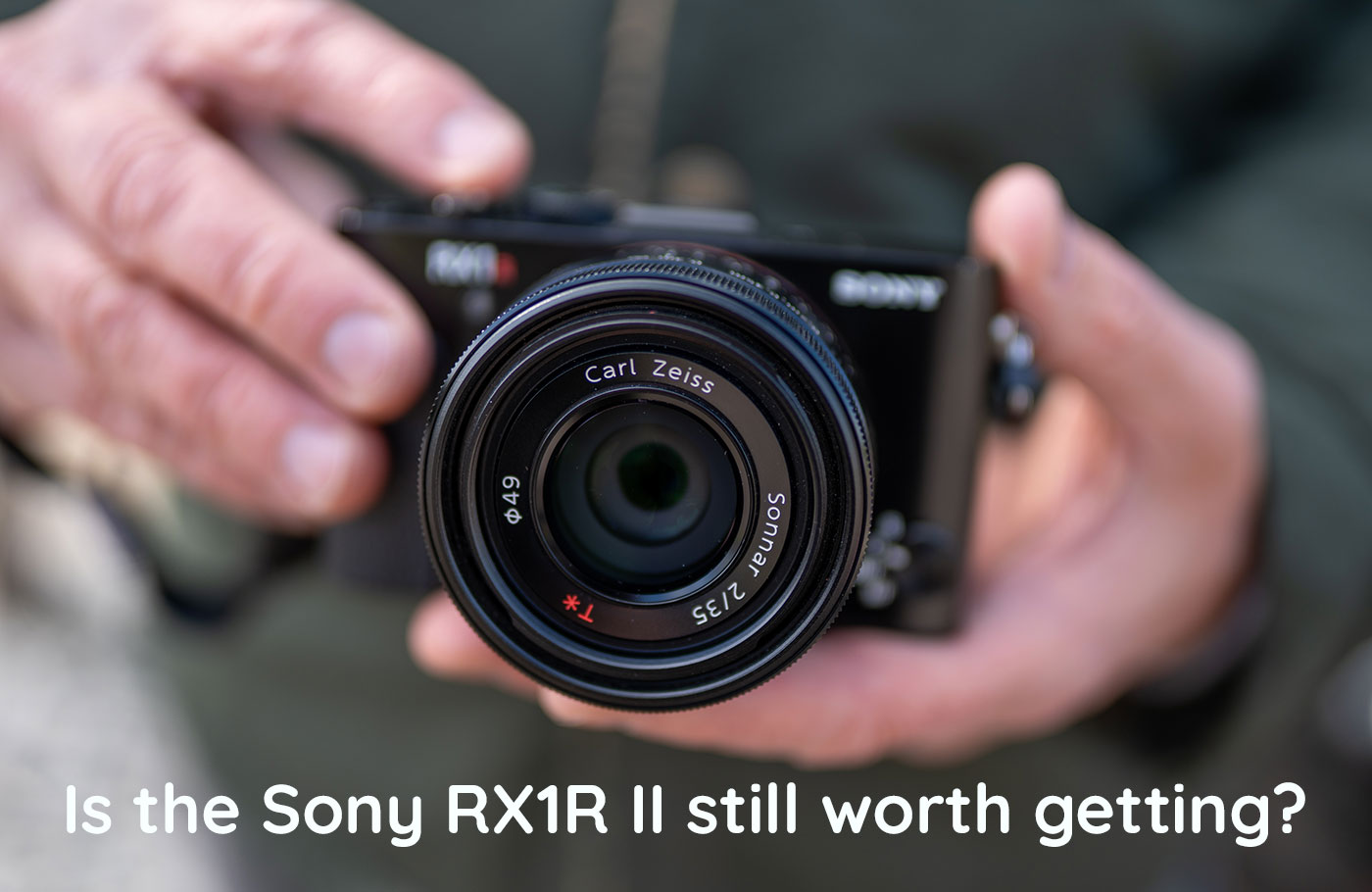
That is what I am hoping to answer in this hands-on review, to help you decide whether it hits the mark for you, during this extended compact camera renaissance we are experiencing.
With all of this in mind, I was excited to bring it along for an Easter family staycation to see how it performs during real-world shooting. So let’s begin by delving back around a decade to find out more about this model.
Sample images
Before beginning proper, it is worth mentioning that all of the sample images in this Sony RX1R II review are unedited, straight-out-of-camera JPEGs captured by Nick Dautlich, while on a family holiday. No changes have been made whatsoever, so you can see precisely what you can get from it.
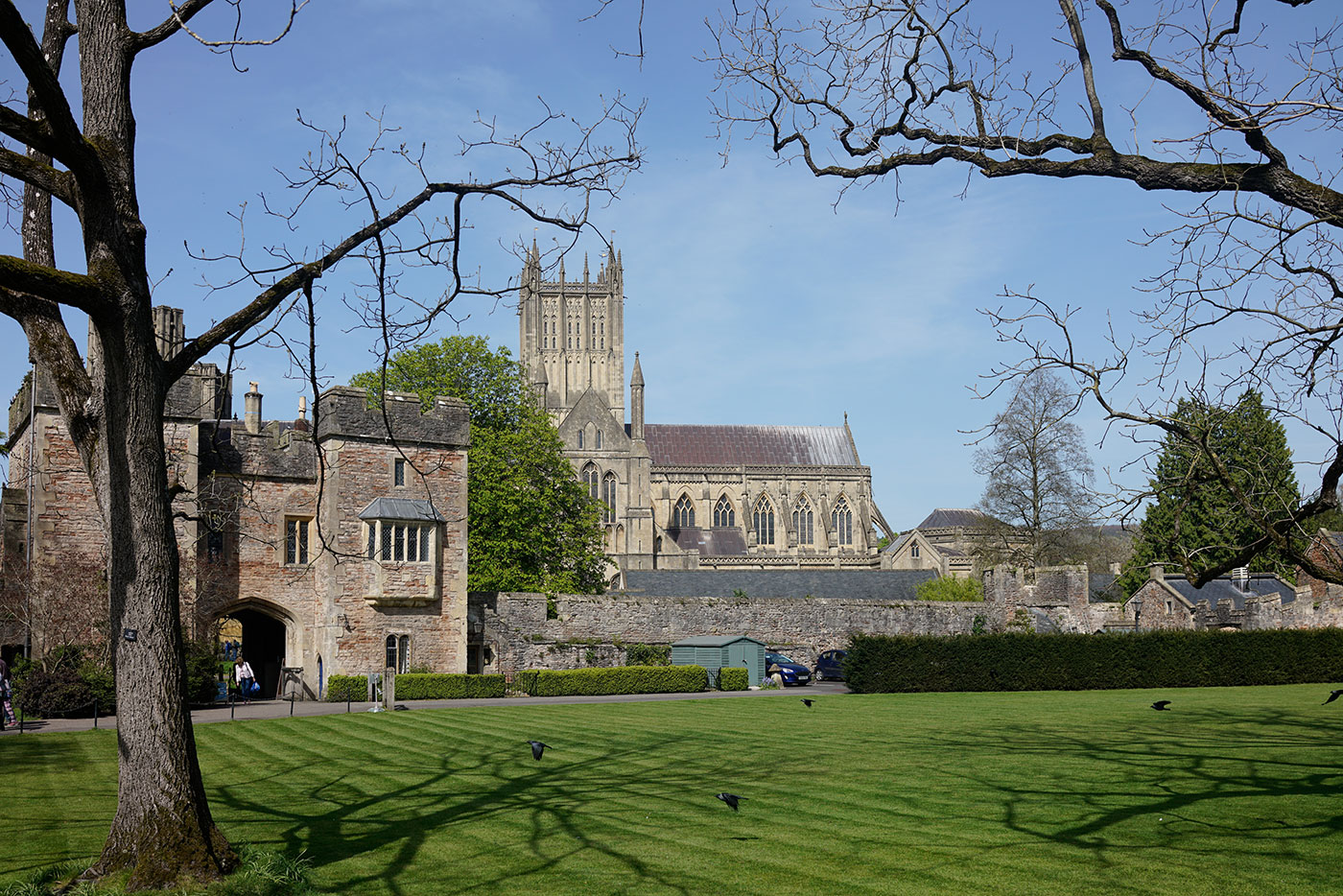
Sample 01. Settings: f/5.6. 1/640 sec. ISO 1/100
What is the RX1R II?
This second-gen. model launched in 2015 for $3,298, which was around £2,150 at the time, or about £3,095.00 today. That placed it firmly as a premium compact, bringing significant improvements over the first generation. For reference, a second-hand model starts from around £1,400 today, while the Mark III costs £4,200 new.
Now over a decade old, how does it hold up against newer optionson the market? We explore its key features next, which will give us a better understanding.
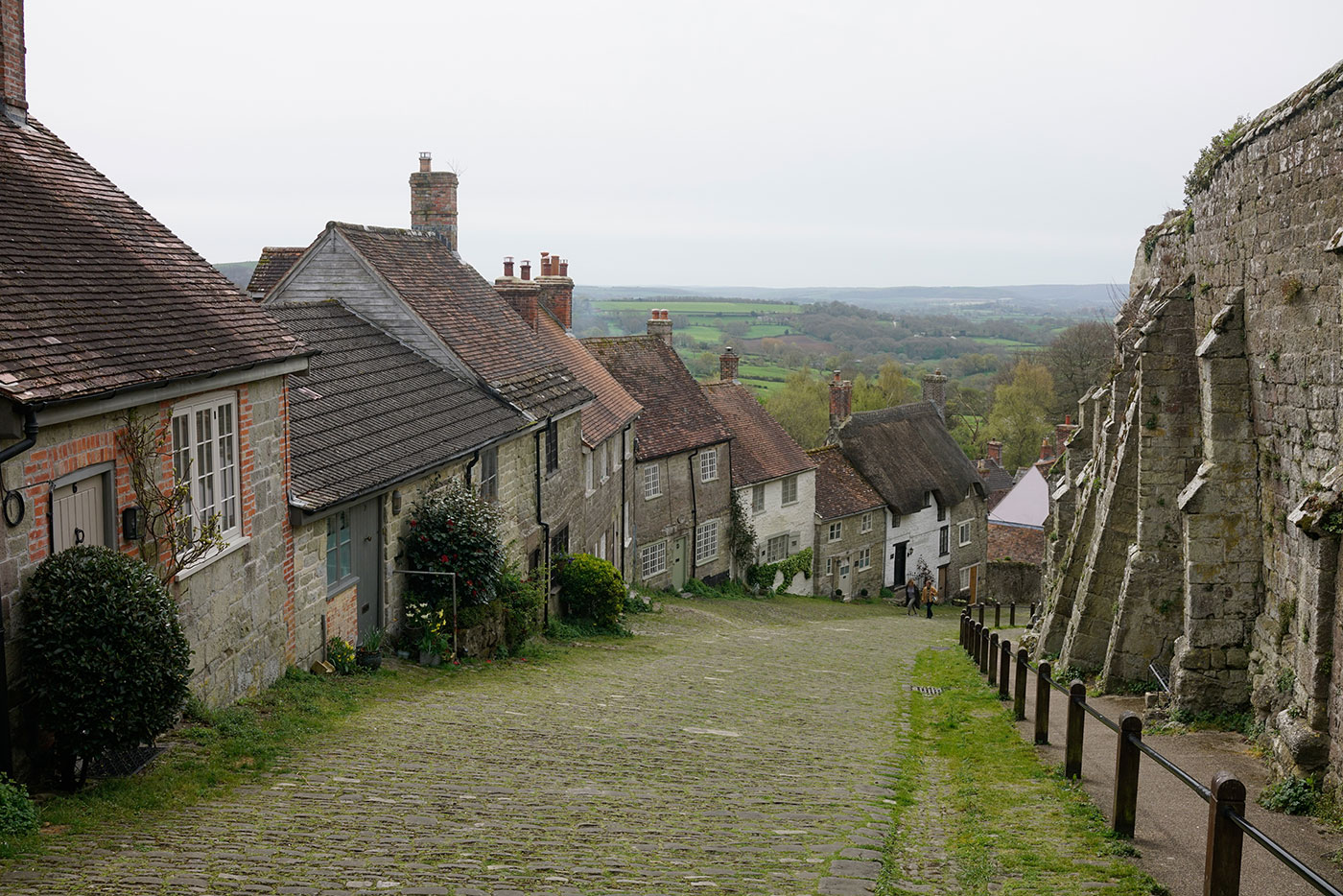
Sample 02. Settings: f/8. 1/640 sec. ISO 1/400
Key Features
Despite launching in 2015, it boasts technology that remains relevant today. It was described at the time as a "professional compact camera" and key features include:
- 42.4-megapixel back-illuminated full-frame CMOS sensor
- BIONZ X processing engine
- ZEISS Sonnar T* 35mm F2 lens with 49mm filter thread
- Hybrid AF with 399 phase-detection AF points
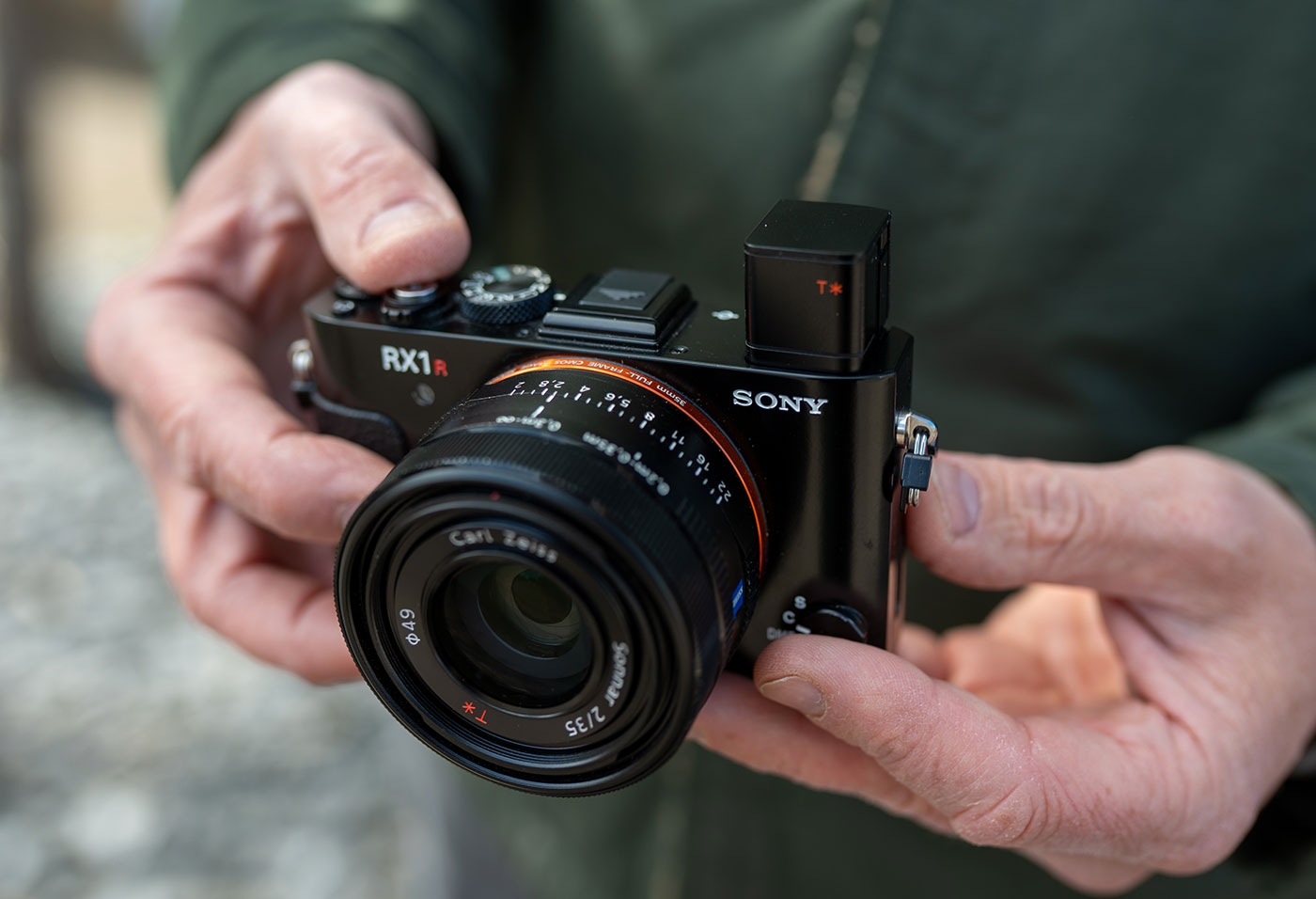
- 0.39-type electronic viewfinder (OLED), which pops up like Porsche 924 headlights
- 2.95-inch LCD screen with 1,228,800 dots
- Approx. 220 shots battery life with battery pack NP-BX1
- Burst shooting at 2.5fps (AF-S)
- ISO 100-25,600
- Movie recording in HD/60p
- Weighs around 507g
- Measures approximately 113.2mm x 65.2mm x 71.9mm
There are impressive components in this list, including a processor that remained relevant across the Alpha range until around 2022, and a high-resolution sensor that surpasses many alternatives to this day.
It was largely the sensor that made it what it is, as the company had somehow successfully crammed a full-frame sensor into a body that does, just, fit into your pocket. The lack of 4K video recording was confusing, and also will be a little disappointing, so if you want a model that also does great video, it’s best to look at alternatives.
However, if the thought of shooting 42MP stills with something that fits into your pocket appeals, the next section is just for you.

Sample 03. Settings: f/2. 1/250 sec. ISO 1/100
What is Image Quality Like?
Compact cameras have come a long way, with models from Fujifilm, Leica, Canon and Ricoh delivering outstanding results from extremely small proportions. Although it’s over 10 years old, this still competes against modern alternatives, and I found that you can capture pleasing results by taking a little care.
The sensor delivers malleable RAW files, allowing you to recover shadows and pull down highlights very effectively in post. This is partly down to the wide dynamic range on offer, said to be around 13 stops at base ISO 100, which is competitive even by today's standards.
However, you do not need to do much editing, as images can look great straight away. That is largely down to the fixed ZEISS Sonnar T* 35mm F2 lens, as well as the sensor, which featured the world's first optical variable low-pass filter. I never had the need to adjust it, but that would come in handy in situations where moiré occurs, and does lend it a more professional character.
The JPG sample images for this review are taken in a variety of situations spanning bright light, high contrast and other demanding but commonplace environments, and the RX1R II handled them very well on the whole. I like the colours you get, with recognisable colour science that is still in use today. There is also plenty of detail, more than enough to satisfy the most ardent pixel-peeper or heavy cropper, which is handy when you need to reframe in post.
The result is a model that delivers beautiful images you can either share straight away, or take further in post if you enjoy that process. That said, image quality relies heavily on a lens, so let us explore that next.

Sample 04. Settings: f/4. 1/250 sec. ISO 1/100
Is the ZEISS Sonnar T* 35mm F2 Lens Good?
The ZEISS Sonnar T* 35mm F2 lens is so good that it is being used in the Mark III, which has a 61MP sensor. With that said, we can get down to the 35mm focal length itself, which is a bit like Marmite, you either love it or hate it.
I personally love shooting 35mm on full-frame and find it offers a natural field of view that suits how I see the world. It is just wide enough to capture your subject's surroundings, providing context for storytelling, without the distortion that wider lenses can introduce or the compression you get from a 50mm or 85mm.
This makes it very versatile, allowing you to capture all sorts of subjects including portraits, street photography, landscapes, cityscapes and much more. This particular lens also has a short minimum focusing distance of 30cm, which reduces to between 20cm and 35cm in Macro mode, extending its versatility even further, despite being a fixed prime.
Digital zoom is also available, effectively cropping into the image, ranging from 4x for 18MP stills up to 8x. I personally prefer to crop in post so that I have the maximum resolution as a starting point, but it is a nice option to have.
For anyone technically minded, the ZEISS lens features an optical design with three aspherical elements, including an AA lens. These are responsible for minimising chromatic aberration, rendering high sharpness and keeping distortion low, although a little is visible in the corners.
When shooting into bright backlight, I found the ZEISS T* coating gave a pleasing character to the image, with slightly reduced contrast, but still a satisfying result.
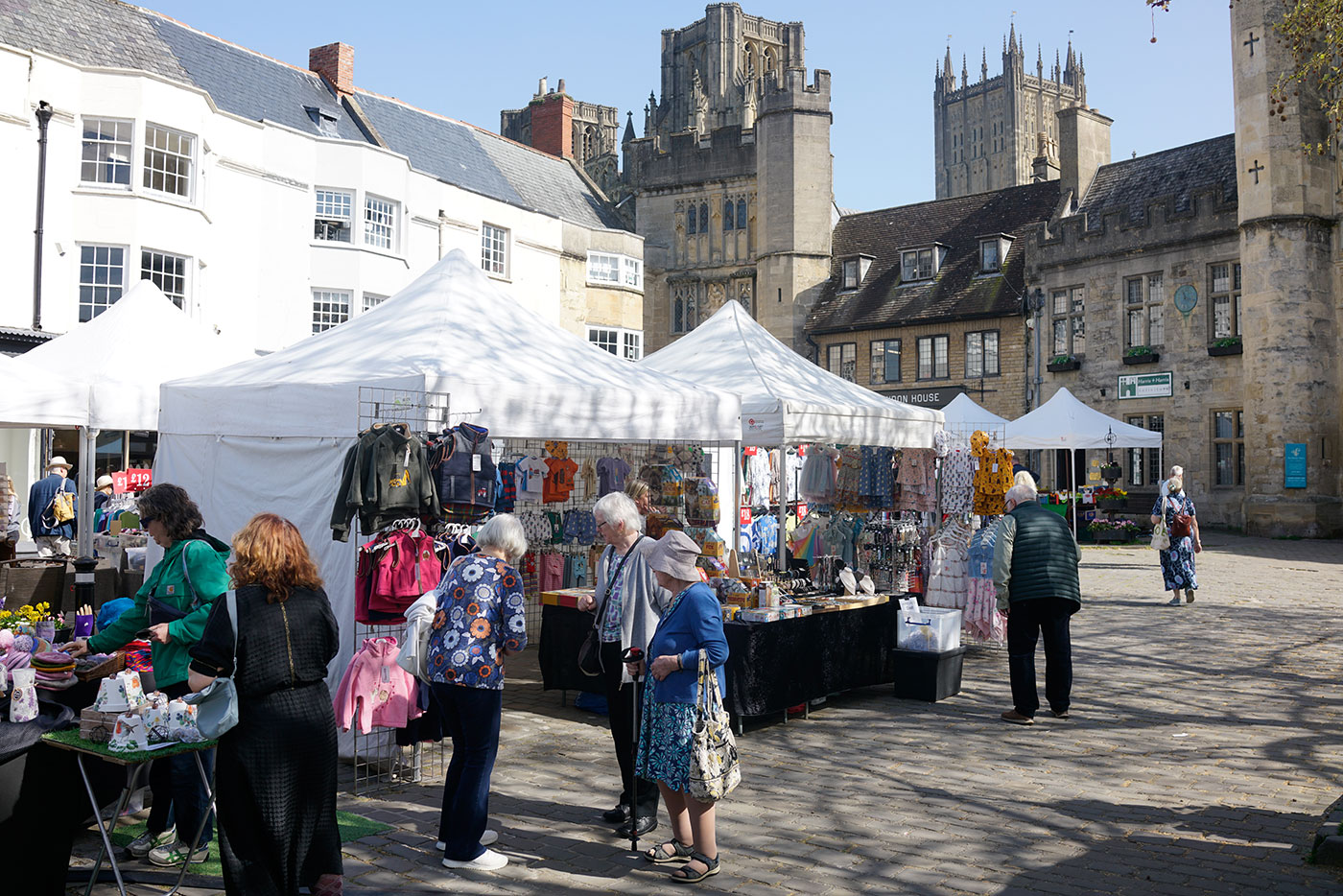
Sample 05. Settings: f/5.6. 1/320 sec. ISO 1/125
Is it Easy to Use and Fun to use?
This really does excel as an everyday walk-around option that you can point at whatever captures your imagination. The smaller form factor makes it a great choice for street photography where discretion is key, and it is small enough to carry in your jacket pocket if you don’t want to use a dedicated bag.
That means you may well bring it along when you would otherwise leave a larger model at home, which presents more opportunities to capture unique moments you would have missed. That’s a win.
The body controls are familiar and intuitive, with an exposure compensation dial that I rely on frequently, a mode dial, aperture ring, and a manual focus selector on the front panel of the body.
The rear has a control dial and a handful of buttons for key features, but there is not much else on a relatively simple body that does not distract you from the enjoyment of shooting. In fact, the controls strike a good balance of form and function, with enough control for advanced users and straightforward operation for those who simply want a point and shoot.
There are of course some downsides worth noting. The LCD screen is not very bright by today's standards and can leave you squinting to see your composition in bright sunlight. It also does not fully articulate, which can make certain shooting angles tricky, and the screen occasionally lags, making it harder to keep up with moving subjects.
The older menu system is a little frustrating too, though you find your way around once you look up a few of the less intuitive naming conventions.
That brings us on to autofocus, which is one of the main criticisms about it.

Sample 06. Settings: f/2. 1/320 sec. ISO 1/640
Is the Autofocus Really That Bad?
If you are used to modern mirrorless focus systems from any brand, you will have come to expect the camera to do most of the heavy lifting when it comes to subject recognition and tracking.
Enter this model, which has focusing that harks back to the early days of the hybrid AF system. That means it can miss more frequently, does not cover the sensor as comprehensively with AF points, and will not recognise subjects using AI and deep learning.
Despite all that, it does a pretty decent job, especially if you remember to adjust the AF area when needed, switching from the whole area to spot focus, for example.
Eye AF was certainly not as reliable as modern AF is, but it did a reasonable job of capturing most of the shots I took, albeit with more out-of-focus results when the subject was moving. It is not a sports or action option by any means, but if you are capturing everyday snapshots, scenery and family moments, it will serve you well, so don’t let the focus system put you off.
Despite being a keen photographer, I had never shot with a Cyber-shot before, and I enjoyed using this one for a family holiday. All in all, image quality is top-notch from a tiny full-frame, which means you are likely to have it with you when you really want it.
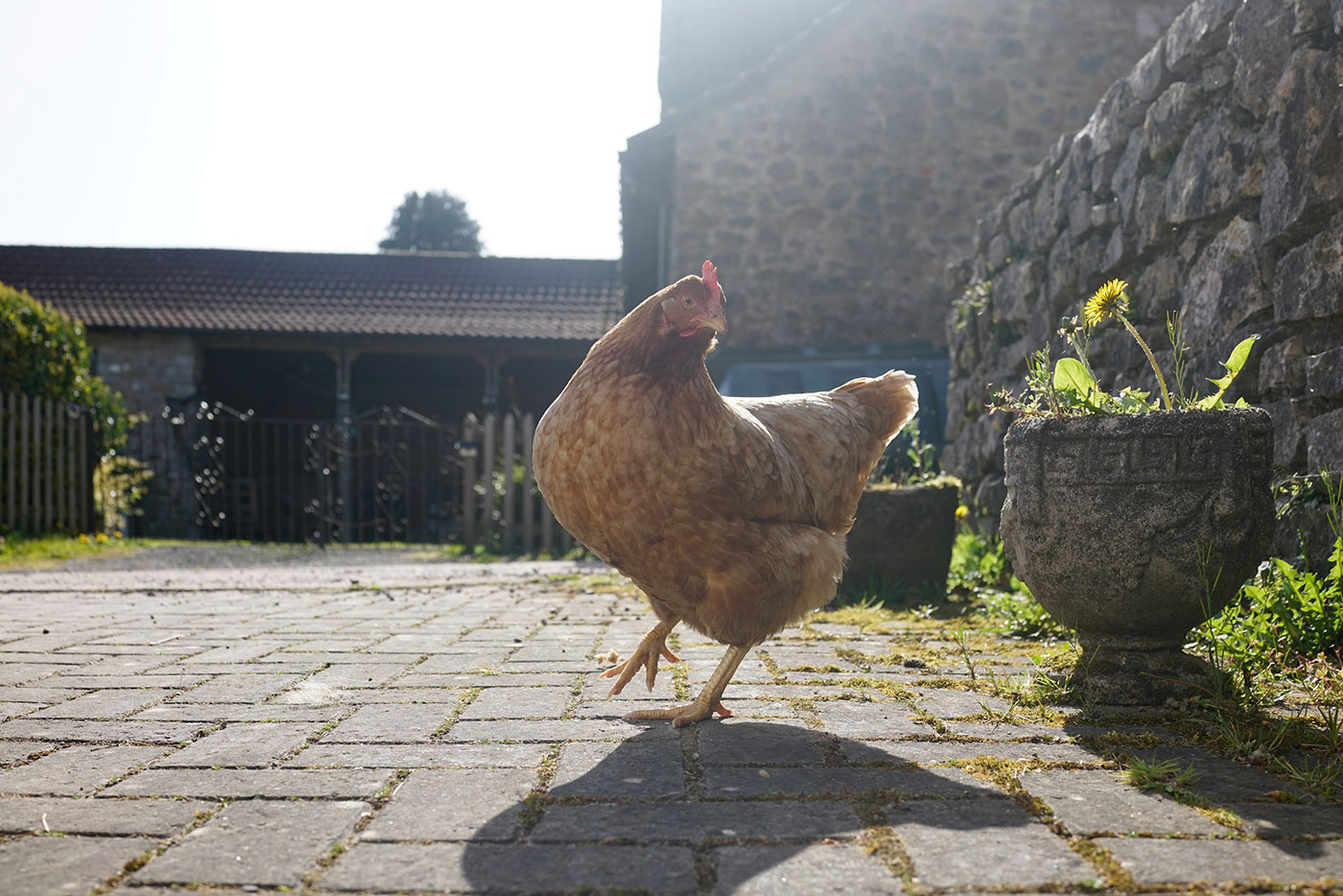
Sample 07. Settings: f/5.6. 1/800 sec. ISO 1/250
Even with stiff competition during the current resurgence, this model remains relevant, which is largely down to compact proportions, desirable image quality and pocketable size.
There are some alternatives well worth considering, especially if you’re keen on video. These include the recently released Canon PowerShot G7 X III Graphite Anniversary Edition, which has a 20.1 MP type 1.0 sensor and excellent image quality. The Leica D-Lux 8 features a Micro 4/3 sensor and highly desirable styling, easy usability and high resale values, or there’s the RX100 VII, which has much more refined AF and an expansive 24-200mm zoom lens.
All of those are current models, which means that you may find yourself waiting some time, as demand has far outstripped supply across virtually every new compact on the market.
With all that said and done a used Sony RX1R II presents great value, is easy to use and still one of the few full-frame compacts ever released. You can also browse a comprehensive range of second-hand cameras which come with a warranty and save compared to buying new.
Share this post:
By Nick Dautlich on 18/05/2026

Nick Dautlich
Senior Content Writer and Product Reviewer
Nick Dautlich is the Senior Content Writer and Product Reviewer at Park Cameras, with over 15 years of photography experience. A Sony Imaging Professional and expert reviewer, Nick has worked with major brands such as Canon, Sony and Nikon. His work is also featured on Vanguard World UK’s website, Capture Landscapes, and Shutter Evolve. Nick’s photography includes National Trust projects and magazine covers and he is passionate about landscapes and storytelling. Nick also enjoys hiking and teaching his children about nature. Learn more on his profile page.
Trade in your old equipment
Fast and easy trade in service ensures your old gear is collected efficiently and you are paid quickly! It's very simple to trade in your unwanted photography gear. Just head over to our dedicated Sell or Part Exchange page, fill out the details, and we'll get back to you with an offer for your old gear. Take the cash, or put it towards the cost of your new gear. It's up to you! Find out more
sign up to the newsletter
Keep up to date on the latest photography news, events and offers. Sign up now