- Call us 01444 237070

-
- Back
- Used Cameras
- Used Accessories
- Used Lenses
- Back
- Used Canon Lenses
- Used Nikon Lenses
- Used Fujifilm Lenses
- Used Sony Lenses
- Used Micro 4/3rds Lenses
- Used Leica Lenses
- Used Panasonic Lenses
- Used Pentax Lenses
- Used Samyang Lenses
- Used Sigma Lenses
- Used Tamron Lenses
- Used Tokina Lenses
- Used Voigtlander Lenses
- Used Zeiss Lenses
- Used Hasselblad Lenses
- Used Video
- Used Film Equipment
- Used Stock Alert
- Used Blank Test
- Sell or Part Exchange
- Used Clearance
- Recently Added Used Equipment
- Park Picks
- Faulty
- Trade-In
- Blog
- New in
- Call us
- Contact us
- Stores
- Sign in
- Categories
- Tips & Inspiration
- Reviews
- News
- Events
- Features
- Buying Guides
- Competitions
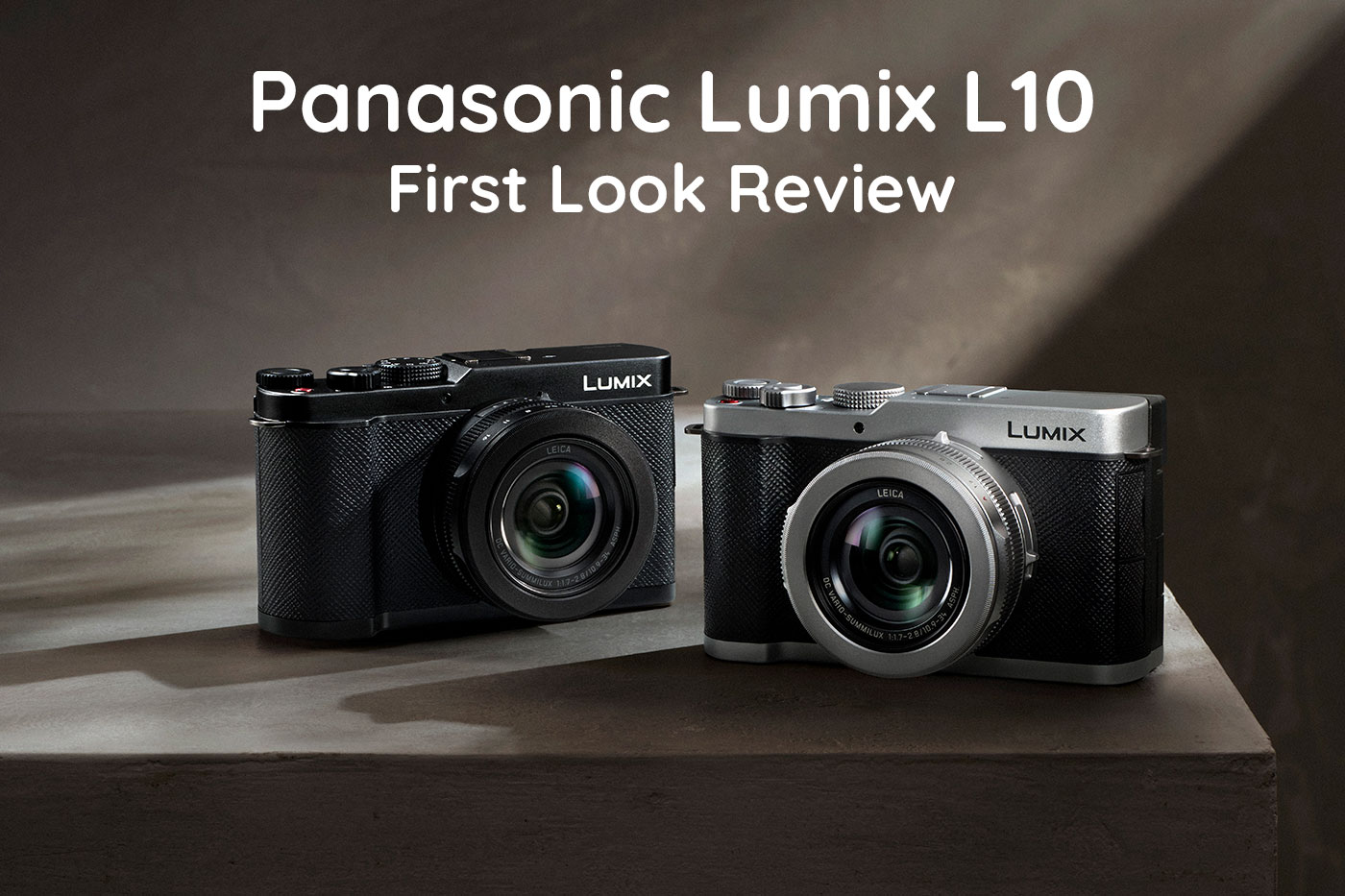
Panasonic Lumix L10 First Look Review
Panasonic is one of the few brands that has continued to develop compact cameras throughout the format's rise, decline, and recent resurgence. We've seen some incredibly popular models like the TZ300, which we reviewed recently, the Lumix TZ99, and now the new Panasonic Lumix L10 Compact Camera, which we're looking at today.
Gareth's Video Review
Our Panasonic Lumix L10 First Look Review explores the latest pocket-friendly Lumix camera to join the range, which could arguably be considered the third generation of the established L100 series, albeit with a different name.
The good news for Lumix fans, and for anyone interested in a highly capable camera that fits in their pocket, is that this may well be the best-looking and most fully featured model to date, combining useful features from older models with the brand's latest imaging technology, including a Micro Four Thirds sensor.
With that in mind, read on to discover what photo and video features it offers for everyday content creation, but first let's check the launch date and price here in the UK.
Launch Date and Price
As has become traditional, this compact camera comes in black and silver, both priced at £1,299.00 for launch. This is a premium price tag, placing this model at the top of the current compact Lumix camera range.
It was first announced on 12th May 2026 and became available to order on Friday 15th May. That's a quick turnaround, and goes hand-in-hand with the stealthy nature of this launch, which coincides with the 25th anniversary of Lumix cameras.
The Micro Four Thirds sensor is central to many of the powerful features this camera offers for content creation, which we investigate next.
What Video and Photography Features are there?
Although perhaps more of a photo-centric compact camera,it really packs in impressive features for both photo and video content creation, especially considering its lightweight 508g design.
10 of the top features include:
- A 20.4MP Micro Four Thirds sensor with different aspect ratios
- High-speed V11 image processor
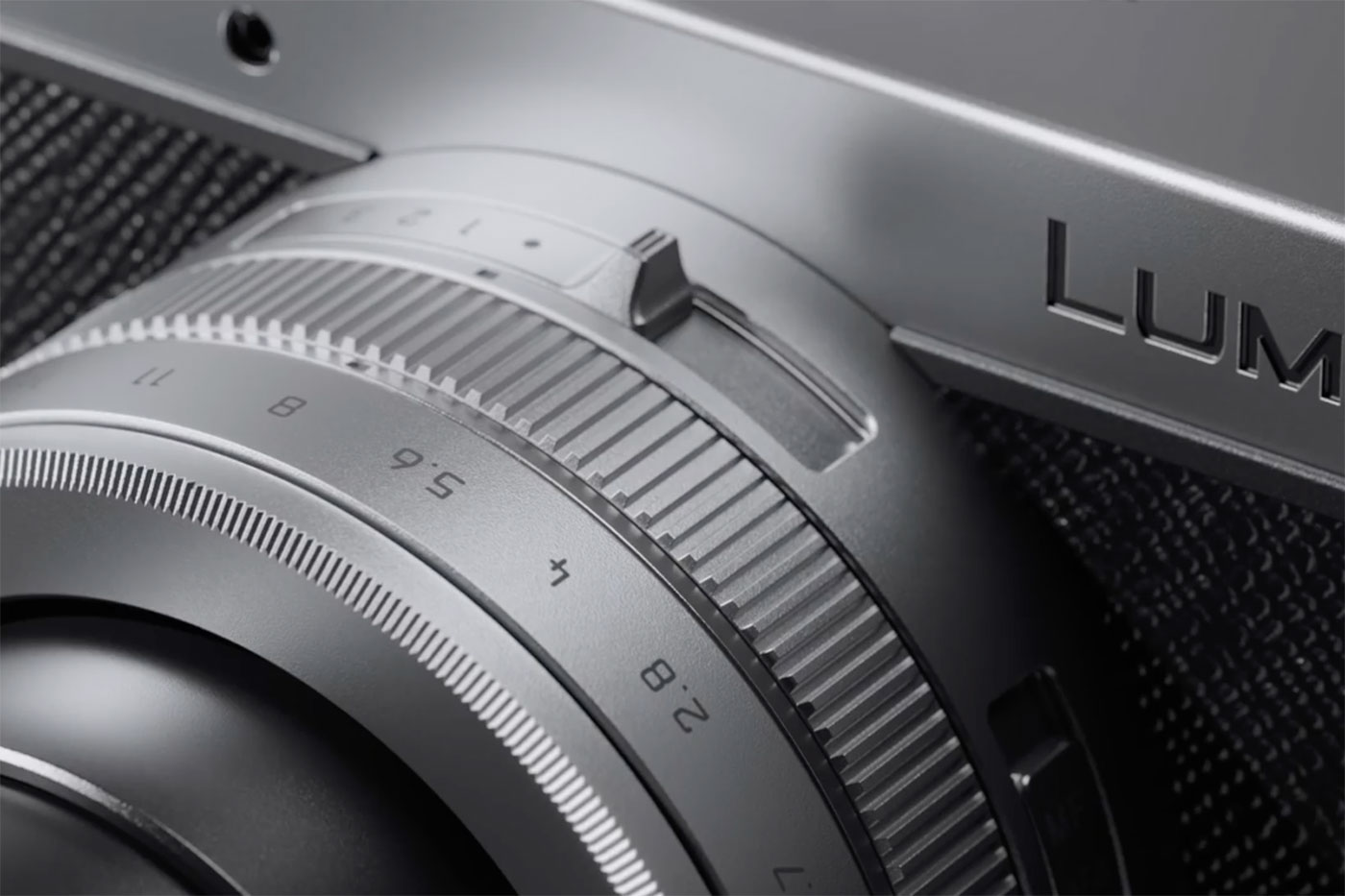
- The Leica-branded 24-75mm f/1.7-2.8 zoom lens, with a digital crop zoom feature up to 200mm equivalent
- Advanced video such as 5.6K 60p, and Open Gate with 4K 120p and smaller MP4 (Lite) files
- A fully free-angle LCD screen for selfies, difficult angles, and even vlogging
- Dedicated LUT button, Realtime LUT, and new photo profiles: L.Classic and L.ClassicGold
- Manual aperture ring plus a macro setting
- Improved Phase Hybrid AF system with subject detection modes
- OLED viewfinder and an automated vertical UI
- Beautiful design language with a leather-textured finish, small grip, and great handling
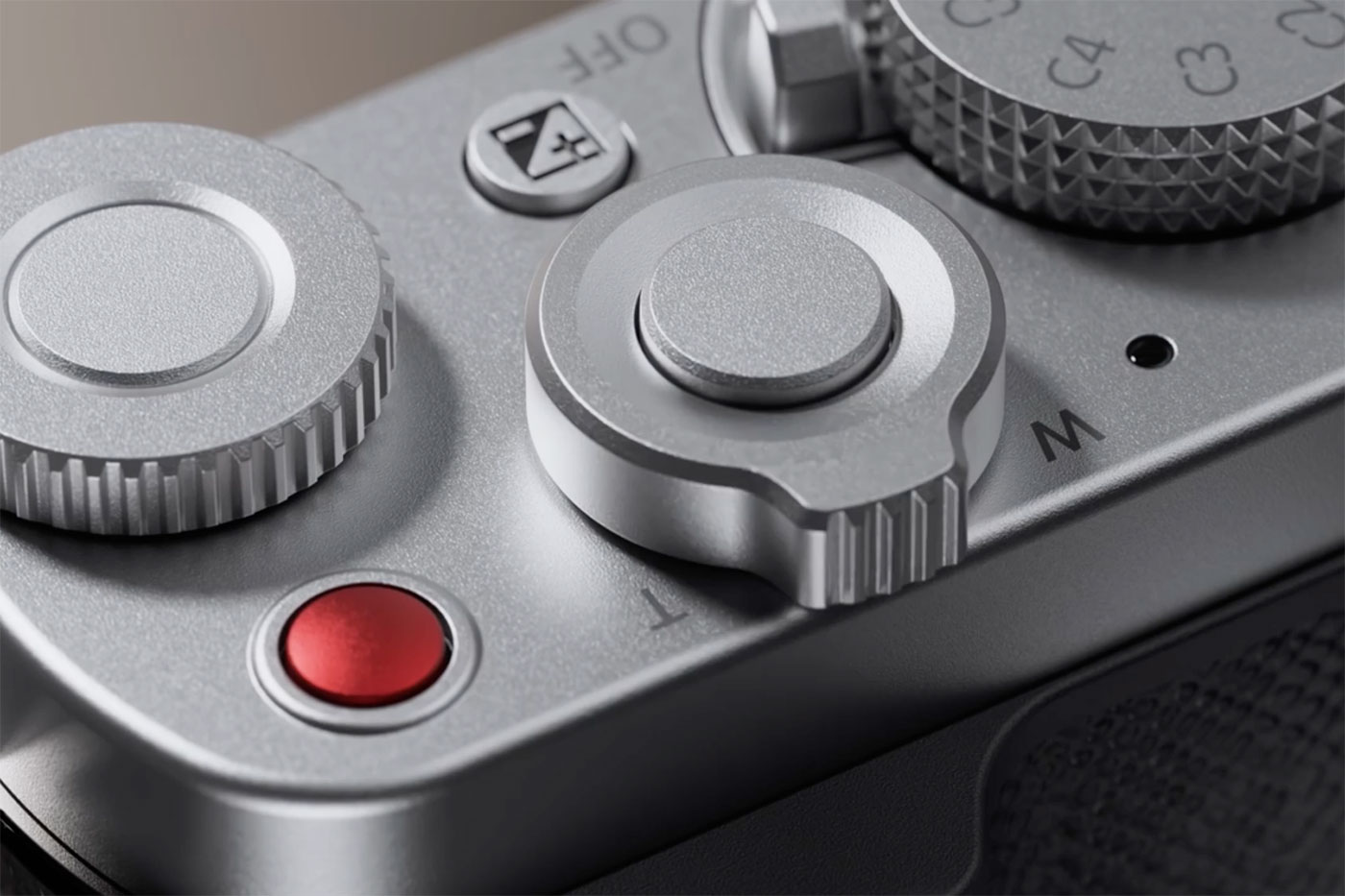
As well as these, it offers extensive customisation so you can set it up how you like to shoot, which includes the ability to set a default aspect ratio using a dedicated lever. That means when switching on the camera it can default to your chosen 4:3, 3:2, or 16:9 aspect ratio, and you simply get straight to shooting in that format, which is a nice touch.
But how’s the image quality, let’s take a quick look at that next.

Sample image by Bono Sayaka
What Image Quality Can You Expect?
We've yet to be able to test image quality in detail, but technology suggests high image quality is well within reach for this premium compact. The sample images included in this first look do show beautiful style and depth, which is characteristic of Leica lenses.
The camera combines a 20.4MP Micro Four Thirds sensor and fast-aperture Leica lens, which elevates it above almost any smartphone camera to date. The large sensor should provide noticeably improved depth, far better low-light performance, and natural subject separation, particularly when shooting at the widest f/1.7 aperture.
Features such as Realtime LUT, the new L.Classic colour profiles, and V-Log recording suggest it is intended for users who want control over their colours and looks straight out of camera, for both stills and video, and we're excited to see the results.
Next we look at colours, LUT support, and some of the creative opportunities it presents.

Sample image by Yoshinori Mizutani
What creative colours and LUT support does it offer?
With a dedicated, physical LUT (Look-Up Table) button on the body, the Lumix S9 revolutionised ways of working with colour profiles in the full-frame Lumix S system. Panasonic has adopted this idea here, and the body features a LUT button as well as excellent support for creative colour use.
As expected, users can load custom LUTs in order to preview the final look while shooting. For even more creative flexibility, two LUTs can be layered, and there's even AI-based analysis in the Magic LUT feature if you delve into the Lumix Lab app. Confirmed compatibility with the Lumix Lab app will be welcome news for many creators.

Sample by Yoshinori Mizutani
Is it good for street photography?
This compact camera has many attributes that make it especially well suited to street photography. It is small, discreet, and has a zoom lens, which some street photographers prefer. It also has very quick burst shooting, with 30fps in electronic shutter and 11fps with the mechanical shutter.
At those high frame rates you have plenty of chances to capture the defining moment, especially thanks to the built-in Power O.I.S. (Optical Image Stabilisation), which helps you capture sharp results even in low light.
What about video quality? Let's explore that next.

Sample image by Bono Sayaka
How is video quality?
Yes. With a Micro Four Thirds sensor, Leica lens, and a fast processor, it's no surprise that it packs excellent video features into a small body. It's not presented as a cinema camera, instead catering to hybrid user needs. Key video features include:
- 5.6K video up to 60p
- 4.4K recording up to 60p
- C4K recording up to 120p
- 4K 120p without crop
- MOV, MP4, and MP4 Lite recording
- H.264 and H.265 codecs
- V-Log support
- Open Gate recording
- Vertical shooting UI
- Free-angle rear monitor
- Realtime LUT support and Lumix Lab integration as noted earlier
Many of these are deemed essential for modern video content creation, including the additional MP4 Lite format for smaller file sizes, which results in quicker sharing. If you enjoy post-processing movies, there's V-Log on top of the LUT support already mentioned, which means better colour grading.
The free-angle LCD and inclusion of an EVF also make it easier to capture movies on the go, whether filming family holidays, parties, or just while you're out and about exploring.
How about usability? Is it easy to handle, as some compact cameras are difficult to grip.
Design and handling
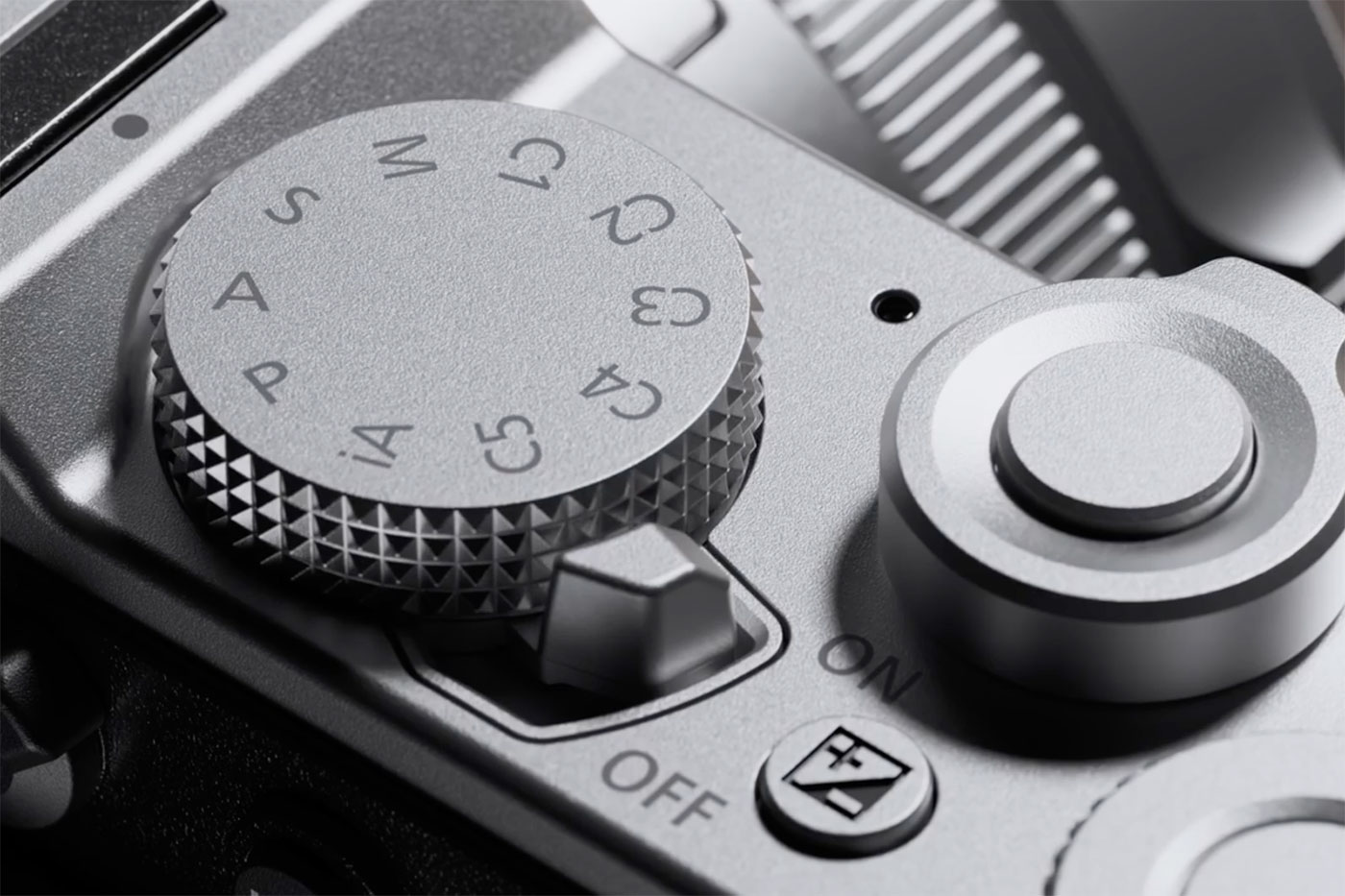
A seven-year-old design has been refined, and the new model includes many of the tactile controls today's content creators need. The body is metal with a magnesium alloy front panel and saffiano leather-textured finish, providing a relatively lightweight yet solid-feeling body at a hair over 500g.
It includes both an aperture ring and control ring, while the top plate features a PASM mode dial with custom positions from C1 to C5 for storing setups. There is a dedicated S&Q dial for stills, video, and slow or quick recording modes, with a red record button and hot shoe expandability for an external flash.
Aspect ratios are easily accessible, and you can zoom with a dedicated zoom lever placed within easy reach. For experienced photographers it will feel very intuitive, while also being easy to handle for beginners.
That brings us neatly onto who and what this camera is best for.
What is this Lumix camera for?
This is a premium, fixed-lens point-and-shoot. Those traits alone will ensure it appeals to a broad base of users, especially bearing in mind the amount of advanced tech this stylish little model offers. We mentioned street photography previously, but what else is it for?
- Travel content where you want a zoom without the weight of interchangeable lenses
- Holidays and events, including family, friends, and relatives
- Aspiring content creators looking to move up from a smartphone
- Photographers who enjoy experimenting with colour profiles and processing
- Hybrid content creators who make video, vlogs, and social media content
- Anyone who wants a stylish compact they can bring anywhere
This really is a very desirable-looking and capable camera that is small enough to pop into a jacket pocket. The fast Leica 24-75mm zoom lens removes the need to switch lenses or think about carrying any extra gear, while aspect ratios, macro shooting, a free-angle screen, and digital cropping all contribute to making it a versatile creative tool indeed.
This model is as much about enjoying the act of photography as it is about the end result, and for that reason it's destined to become a modern classic from the lineup. It has just about everything you could want from a compact camera, including stylish design, tactile control-based handling, and great shooting features for both stills and video.
Explore our range of Panasonic Lumix compact cameras today, or head straight to the Panasonic Lumix L10 Compact Camera Silver or Lumix L10 Black to reserve yours and begin on your new compact journey.
Share this post:
By Nick Dautlich on 15/05/2026

Nick Dautlich
Senior Content Writer and Product Reviewer
Nick Dautlich is the Senior Content Writer and Product Reviewer at Park Cameras, with over 15 years of photography experience. A Sony Imaging Professional and expert reviewer, Nick has worked with major brands such as Canon, Sony and Nikon. His work is also featured on Vanguard World UK’s website, Capture Landscapes, and Shutter Evolve. Nick’s photography includes National Trust projects and magazine covers and he is passionate about landscapes and storytelling. Nick also enjoys hiking and teaching his children about nature. Learn more on his profile page.

Trade in your old equipment
Fast and easy trade in service ensures your old gear is collected efficiently and you are paid quickly! It's very simple to trade in your unwanted photography gear. Just head over to our dedicated Sell or Part Exchange page, fill out the details, and we'll get back to you with an offer for your old gear. Take the cash, or put it towards the cost of your new gear. It's up to you! Find out more
sign up to the newsletter
Keep up to date on the latest photography news, events and offers. Sign up now