- Call us 01444 237070

-
- Back
- Used Cameras
- Used Accessories
- Used Lenses
- Back
- Used Canon Lenses
- Used Nikon Lenses
- Used Fujifilm Lenses
- Used Sony Lenses
- Used Micro 4/3rds Lenses
- Used Leica Lenses
- Used Panasonic Lenses
- Used Pentax Lenses
- Used Samyang Lenses
- Used Sigma Lenses
- Used Tamron Lenses
- Used Tokina Lenses
- Used Voigtlander Lenses
- Used Zeiss Lenses
- Used Hasselblad Lenses
- Used Video
- Used Film Equipment
- Used Stock Alert
- Used Blank Test
- Sell or Part Exchange
- Used Clearance
- Recently Added Used Equipment
- Park Picks
- Faulty
- Trade-In
- Blog
- New in
- Call us
- Contact us
- Stores
- Sign in
- Categories
- Tips & Inspiration
- Reviews
- News
- Events
- Features
- Buying Guides
- Competitions
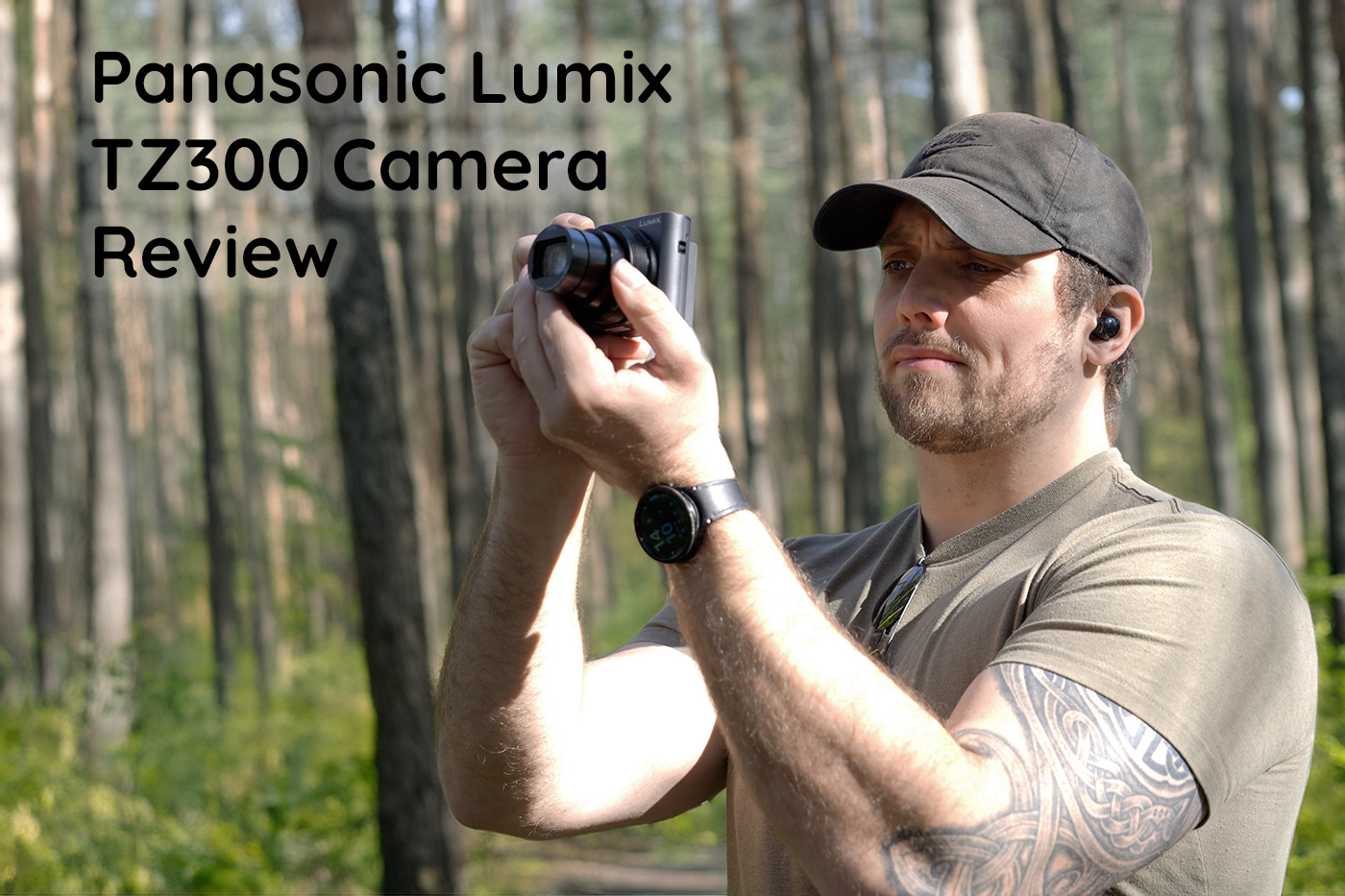
Panasonic Lumix TZ300 Camera Review
Over the years, Panasonic has gained a reputation for making many a small camera for travel under the TZ series. This has been reinvigorated by the surge in demand for cameras that fit in your pocket, while offering convenient features for everyday photo and video creators.
Panasonic Lumix TZ300 - Real World Testing & Honest Thoughts Video Review
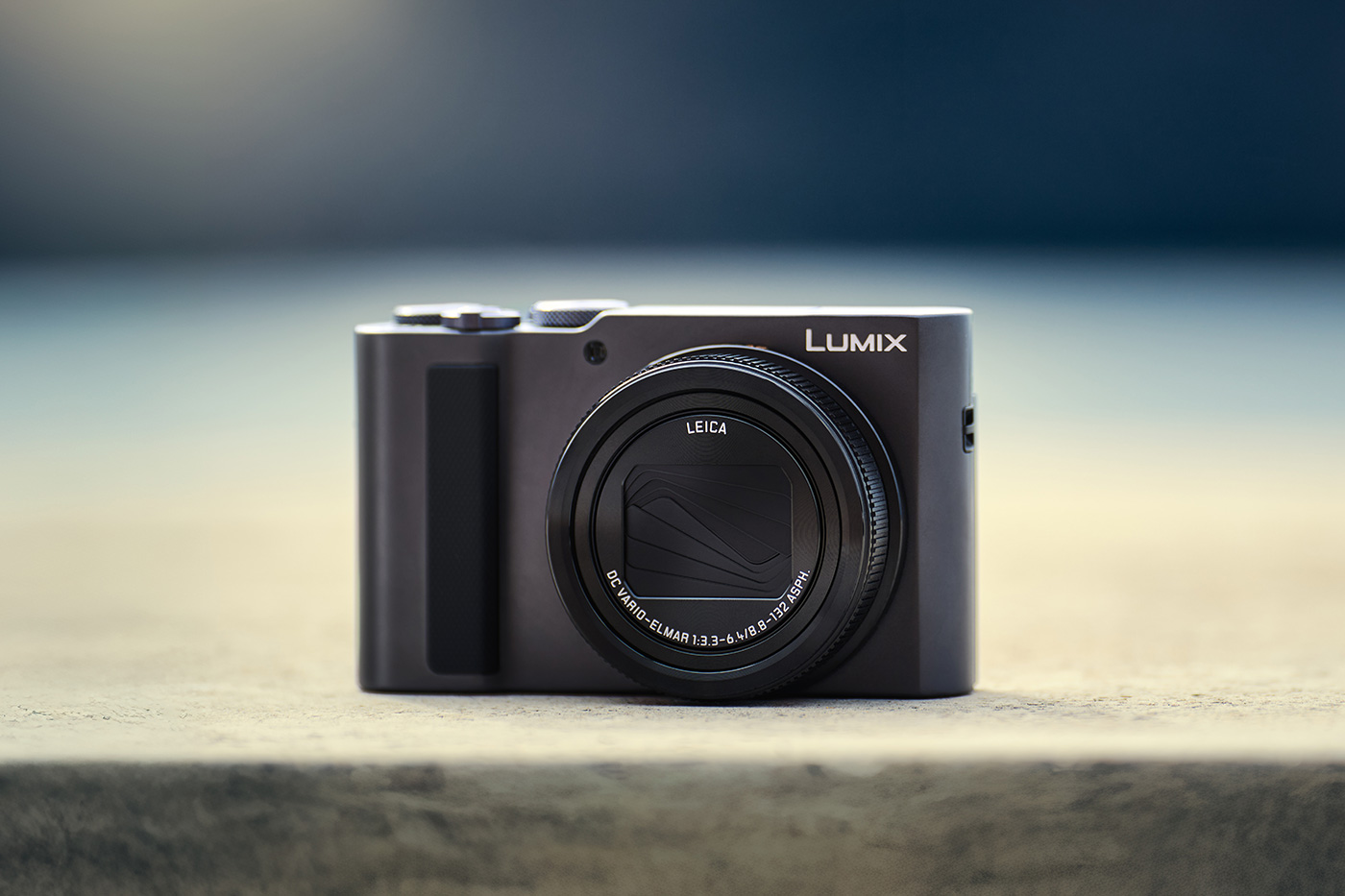
The Panasonic Lumix TZ300 is just such a compact, combining a one-inch 20.1MP sensor with a 24–360mm Leica lens, giving you a wide focal range in an eminently pocketable format. And for this Panasonic Lumix TZ300 review, Gareth spent time with the camera to see how this Panasonic compact camera performs for everyday photography, while capturing spontaneous moments.
So, join us as we explore what you can expect from the latest model from the Lumix brand, starting with colour options and price.
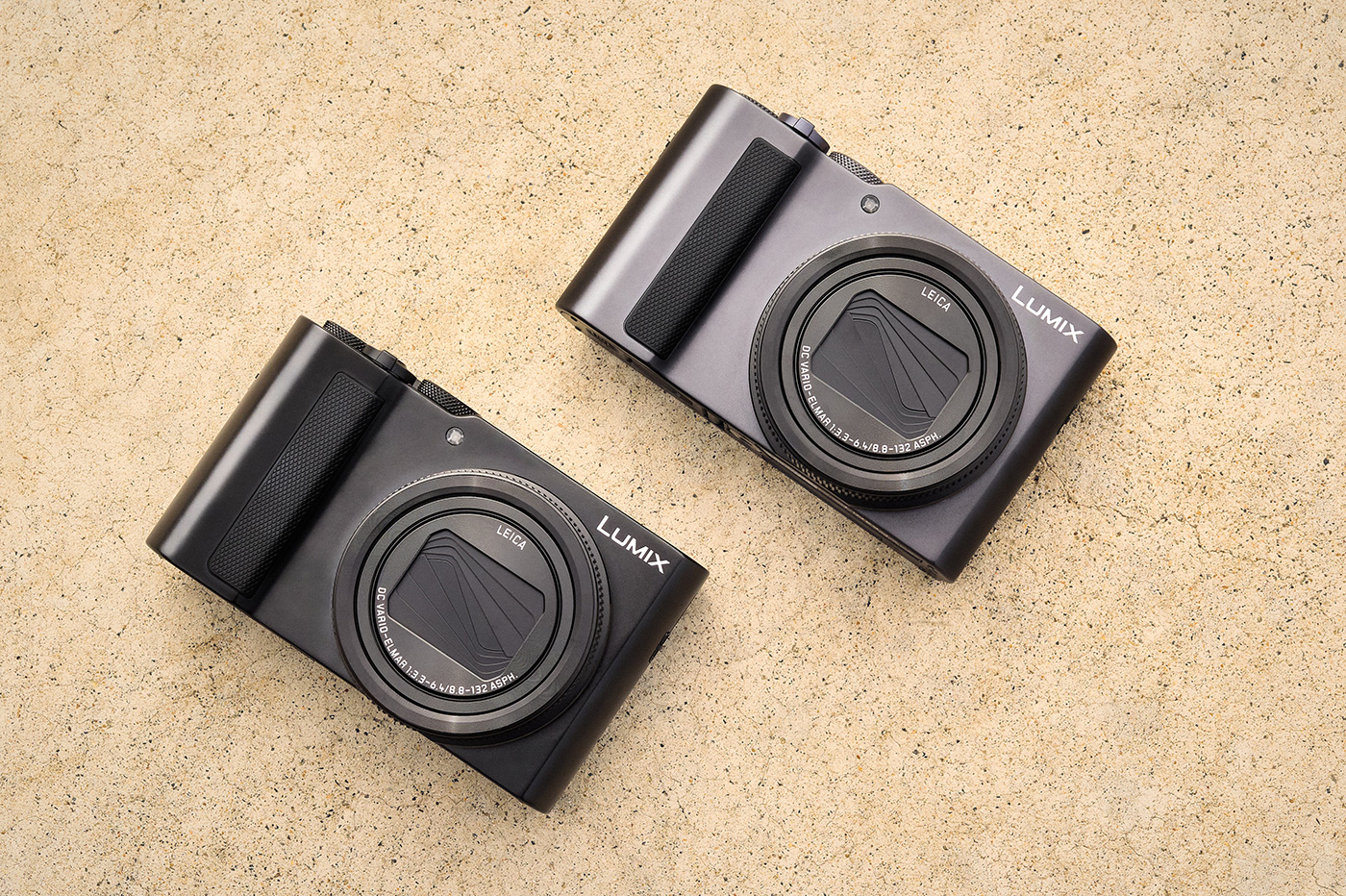
Which colours does the TZ300 come in and what’s the price?
The TZ300 launches with two different colour options, including the Panasonic Lumix TZ300 Black and Panasonic Lumix TZ300 Dark Silver, which is a dark silver finish. Both cost the same in the UK and are priced at £849.00. This is excellent value considering the features you get, which we explore next.
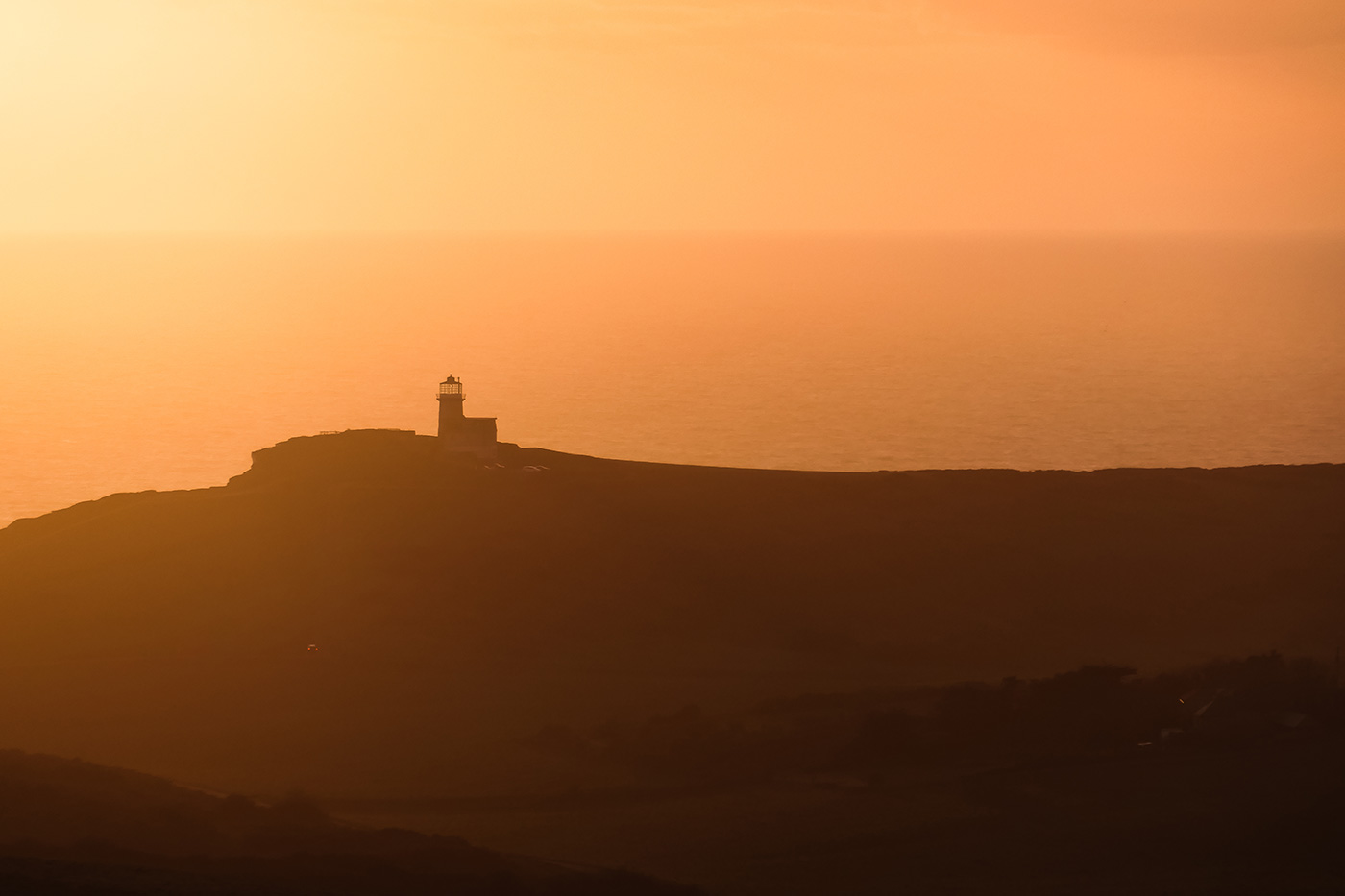
Sample 01 sunset @101mm (277mm in full-frame equivalent). Camera settings: 1/1000 sec. f/6.3. ISO 200
Panasonic Lumix TZ300 Camera Key Features
The Lumix TZ300 combines a one-inch sensor with a versatile and high-quality Leica zoom lens in a pocket-sized body. It offers high image quality with 4K Photo available, built-in stabilisation and 4K video recording, along with simple point-and-shoot features, which we’ve come to expect from the best Panasonic compact camera.
Features include:
- Large 1-inch 20.1MP BSI CMOS sensor with great low light performance
- Leica 24–360mm (full-frame equivalent) 15x optical zoom lens
- 4K video recording and 4K Photo at 30fps
- 5-axis Hybrid O.I.S. stabilisation
- Weighs just 337g with battery and an SD card
- WiFi and Bluetooth
- USB-C battery charging
- Quick and accurate autofocus
- AF features include AF macro, focus ring, Focus Stacking, Post Focus
Next, we discover what Gareth thought about the handling of this compact camera.
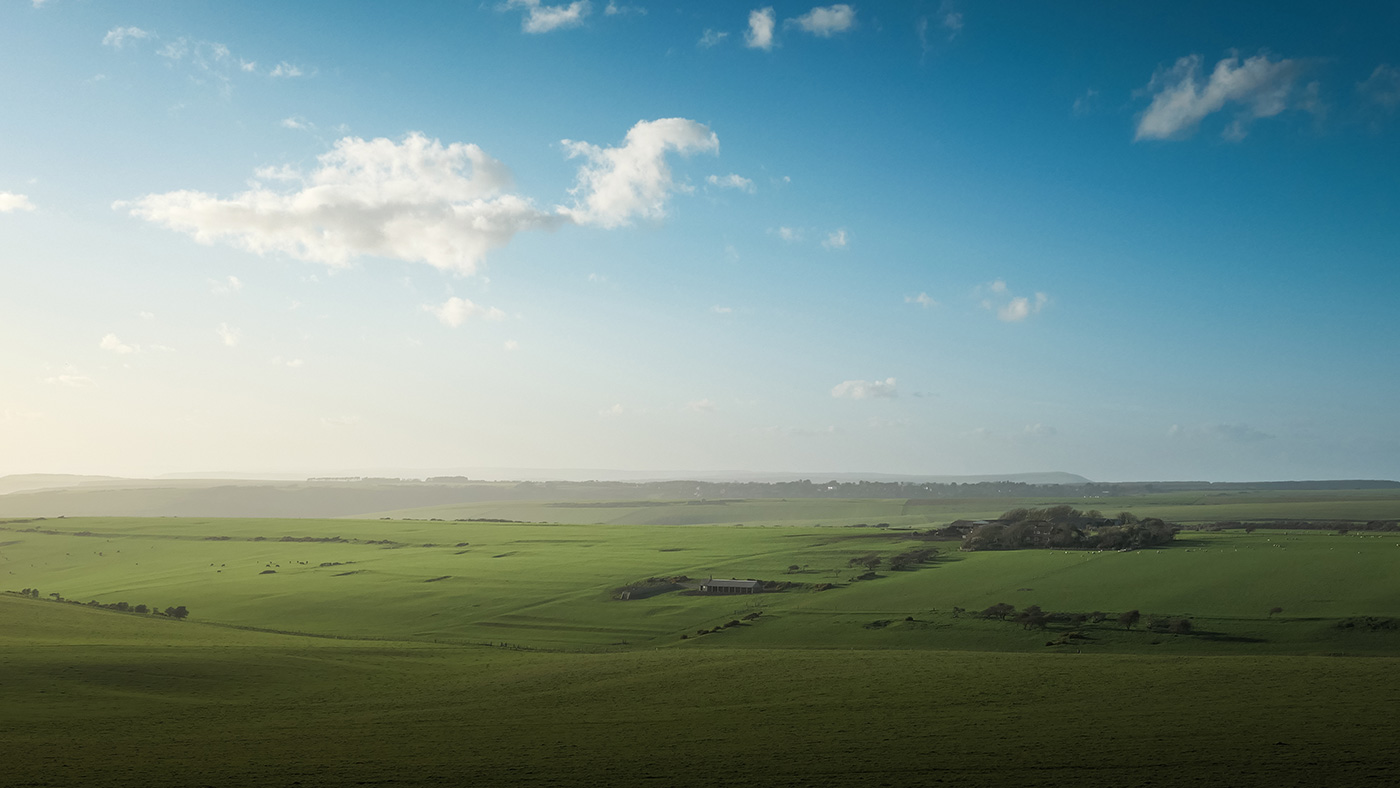
Sample 02 landscape @14mm (38mm in full-frame equivalent). Camera settings: 1/800 sec. f/6.3. ISO 200
Handling and ease of use
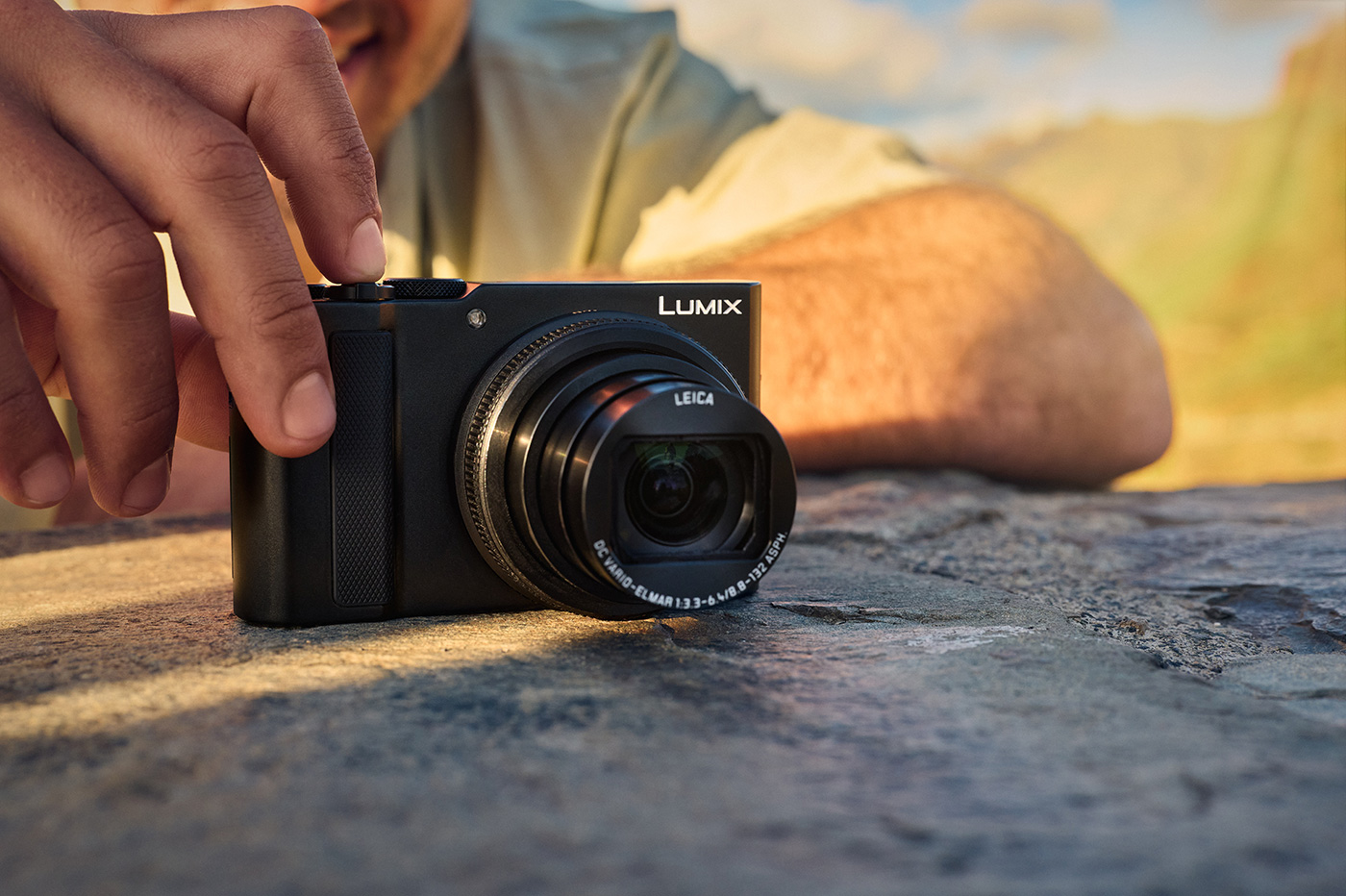
Gareth’s key takeaway from using this Panasonic camera is just how small the TZ300 is. It easily fits into a jacket pocket, which is a real advantage considering the extensive zoom range the Leica-certified lens offers.
It’s also an easy model to use, and Gareth noted that setting the camera up to suit how he wanted to shoot was quick and easy. It handles very much like a simple point-and-shoot when needed, which suits capturing everyday snapshots, family moments and travel.
The 24–360mm zoom range is ideal for subjects near to far, with a power zoom function for smooth zooming during video. The screen is bright enough to use outdoors in quite bright sunlight, and although the screen doesn’t articulate, it does offer access to easily navigable menus that are straightforward to use.
Gareth also noted that battery life is fairly short, so it’s well worth bringing a spare or two when shooting all day. Although autofocus is good, it’s not the fastest, and you may notice the variable aperture as you zoom in, which can affect low light performance at very long focal lengths. However, in decent light it was very easy to shoot distant subjects, even while handholding, although note the lack of EVF, which will be a drawback to some users.
All in all, this is a very small camera that is easy to hold one-handed, offers simple navigation through menus and is easy to use during everyday situations. But how does it compare to the existing Panasonic Lumix TZ99? That’s what we look at next.
Lumix TZ300 Vs TZ99 Specs comparison
Our Lumix TZ300 and Lumix TZ99 specifications comparison shows how these travel compact cameras are similar, and differ. Both offer great zoom performance, with key differences in sensor size, zoom range and the kind of low light results you can expect.
|
Feature |
Lumix TZ300 (new) |
Lumix TZ99 |
|
Colours |
||
|
Lens |
LEICA DC VARIO-ELMAR / F3.3–6.4 |
LEICA DC VARIO-ELMAR / F3.3–6.4 |
|
Optical zoom / intelligent zoom |
15x / 30x |
30x / 60x |
|
Focal length (35mm equivalent) |
24–360mm |
24–720mm |
|
Aperture range |
F3.3–6.4 (Wide F3.3–8.0 / Tele F6.4–8.0) |
F3.3–6.4 (Wide F3.3–8.0 / Tele F6.4–8.0) |
|
Focus range (normal) |
Wide 50cm–∞ / Tele 100cm–∞ |
Wide 50cm–∞ / Tele 200cm–∞ |
|
Focus range (macro) |
Wide 3cm–∞ / Tele 100cm–∞ |
Wide 3cm–∞ / Tele 200cm–∞ |
|
Image sensor / Resolution |
1-inch BSI CMOS sensor, 20.1MP |
1/2.3-inch High Sensitivity MOS sensor, 20.3MP |
|
Maximum photo resolution |
5472 x 3648 (20MP), 3:2 |
Approx. 5184 x 3888 (20MP) |
|
Shutter speed (mechanical) |
60–1/2000 sec |
Approx. 1/2000 sec max |
|
Shutter speed (electronic) |
1–1/16000 sec |
1/16,000 |
|
Aspect ratios |
4:3 / 3:2 / 16:9 / 1:1 |
4:3 / 3:2 / 16:9 / 1:1 |
|
Image formats |
JPEG / RAW / MP4 (4K Photo) |
JPEG / RAW / MP4 (4K Photo) |
|
Built-in flash range |
Wide 0.6–8.0m / Tele 1.0–3.9m |
0.6 - 5.6m (Wide / ISO Auto), 2.0 - 2.9m (Tele / ISO Auto) |
|
Self-timer |
Supported |
Supported |
|
Burst shooting |
10 fps / 6 fps (AF tracking) |
10 fps / 5 fps |
|
4K Photo |
30 fps, max |
30 fps, max |
|
Post Focus / Focus Stacking |
Supported |
Supported |
|
RAW processing |
Supported |
Supported |
|
4K video |
3840 x 2160 at 30p |
3840 x 2160 pixels, 30p |
|
Full HD video |
1920 x 1080 at 120fps |
1920 x 1080 at 120fps |
|
Video zoom |
Supported |
Supported |
|
Built-in microphone |
Supported |
Supported |
|
Autofocus modes |
AF / AF Macro / Macro Zoom / MF with AFS, AFF, AFC |
AF Macro / MF / Intelligent Auto / Motion Picture: Wide 3 cm - infinity / Tele 200 cm - infinity |
|
AF metering |
Face / Eye Detection / Tracking / 49-area / Custom Multi / 1-area / Pinpoint |
Face/Eye Detection / Tracking / 49-area / Custom Multi / 1-area / Pinpoint (Full area touch is available) |
|
Exposure modes |
Program AE / Aperture / Shutter / Manual |
Program / Aperture / Shutter / Manual |
|
Exposure metering |
Intelligent multi / Centre-weighted / Spot |
Intelligent Multiple / Center Weighted / Spot |
|
ISO sensitivity |
ISO 80–25600 (extended) |
ISO 80–6400 (extended) |
|
Weight |
Approx. 337g with battery and card |
Approx. 322g with battery and card |
The biggest difference between the Panasonic Lumix TZ300 and TZ99 comes down to sensor size. The TZ300 has a larger one-inch sensor, which produces cleaner images with better detail and improved low light performance. The TZ99 extends the zoom to 720mm, giving you more reach for distant subjects, but with a smaller sensor that doesn’t match the same image quality as the newer compact camera.
If you’re interested in finding out more about the TZ99 you can read more in our post covering the Panasonic Lumix TZ99 Launch. Returning to the newer model and let’s look at image quality next, and how it compares.
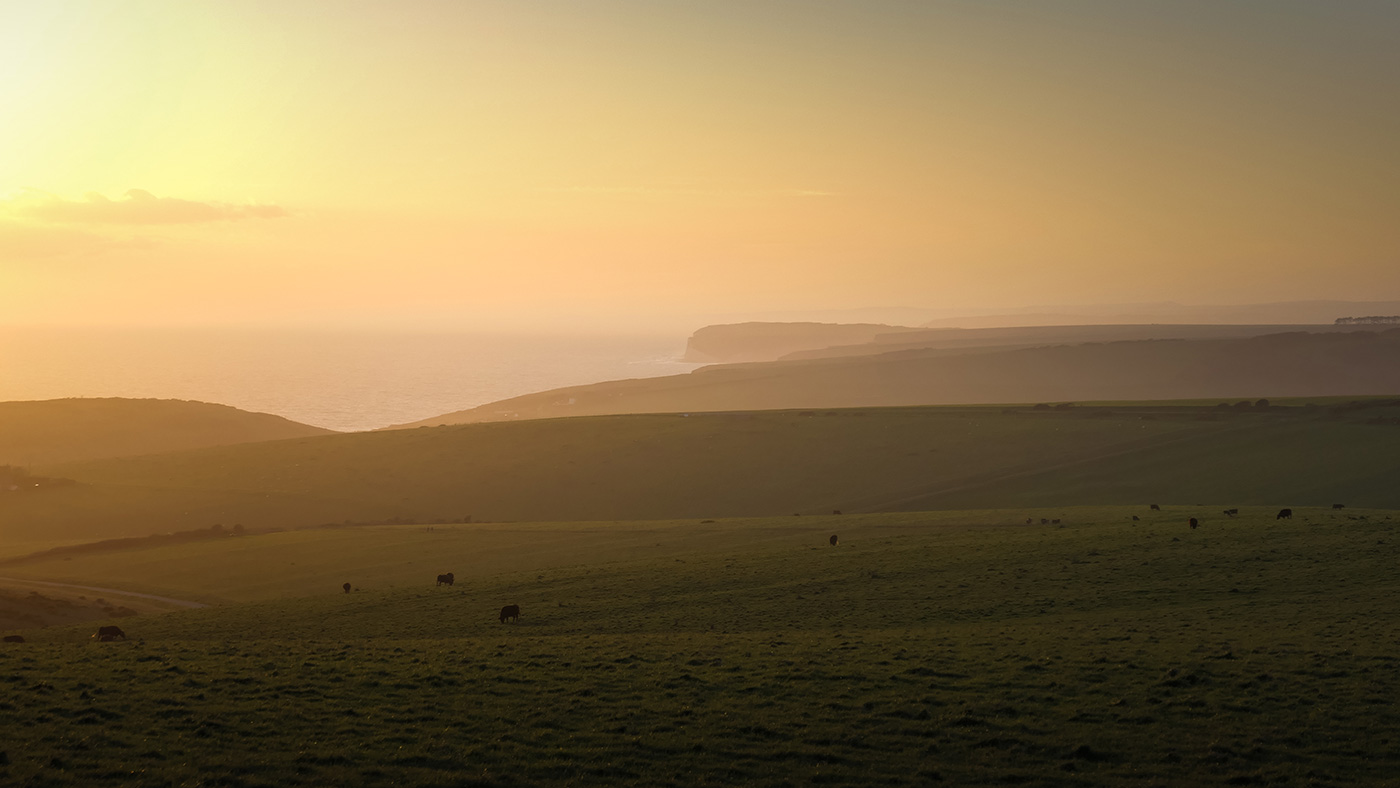
Sample 03 evening shot @28mm (76mm in full-frame equivalent). Camera settings: 1/400 sec. f/4.8. ISO 200
What is image quality like from the Lumix TZ300?
From Gareth[s samples we can see that the Panasonic Lumix TZ300 produces consistently good results in a variety of scenes, particularly taking into account its compact size. The 1-inch sensor makes a difference compared to most smartphones and many other compact cameras, especially in low light conditions.
Detail and sharpness
Detail is very good from this Lumix compact camera, especially in good light. The woodland sample image and bluebell flowers show plenty of detail in textures like bark, leaves and petals. At longer zoom lengths, sharpness holds up well, with stabilisation doing its job at the long end of the zoom.
There is some softness at extreme lengths, but for such a versatile zoom range in a pocket-friendly camera, it is very usable and will impress all but the most hardened pixel peeper.
Colour and contrast
Colours straight out of camera look natural, as you can see in the sunset shots, where warm tones come through naturally. There’s good contrast too, which controls highlights while avoiding overly harsh shadows.
Low light performance
This is where the 1-inch sensor provides a tangible benefit compared to cameras with smaller sensors. In the sunset samples there’s good detail in darker areas, and noise is well controlled in the sunsets, which are at around ISO 200. Stabilisation allows you to get away with slower shutter speeds, which delivers cleaner results with less noise.
The TZ300 produces better results than you get with most smartphones, particularly when zooming in and using the Leica optical zoom lens. The extensive reach of course makes a difference, but even at shorter focal lengths, images show more detail than you’d generally see from most phones.
What subjects is this camera perfect for? Let’s find out next.
What content is this compact camera good for?
Thanks to its 24–360mm zoom range, 1-inch sensor and variety of built-in shooting modes, the Lumix TZ300 is a good choice for a variety of everyday photo and video content. Naturally, it excels for travel, families and general content creation, but specifically:
- Travel photography covering wide landscapes, street, zoomed-in details and landmarks
- Other distant subjects such as architectural details and even wildlife or action
- Everyday family events, candid photos and general snapshots
- Close-ups using the AF Macro feature
- 4K video (30p) for general video content
- Full HD at up to 120fps slow motion effects
- high-speed subjects with 30fps 4K Photo
- Panoramas of wide landscapes, beaches, cities or group shots
- Post Focus, which adjusts focus points after you’re done shooting
- Focus Stacking to extend depth of field
Modes include Program, Aperture Priority, Shutter Priority and Manual for when you get the confidence to take full control, which is great as the camera will help you develop your skills if that’s what you’re after.
Who’s it for?
This is a versatile and portable camera suited to a range of users, including beginners. Additionally, it will appeal to smartphone creators who want better image quality and a more defined user experience than you get from a phone.
It’s also great for users who want the simplicity of a point-and-shoot, families who bring a compact camera for travel, and even enthusiasts or advanced creators who don’t want to bring all of their expensive gear on holidays.
Due to the fixed screen, the TZ300 isn’t the best choice for vlogging. If this is your aim, you would be better off with the Lumix G97 With 14-140mm Lens, which is a compact Micro Four Thirds camera, or a Lumix S9. The S9 comes in a variety of colours and upgrades to a full-frame sensor and interchangeable lenses, which many prefer for vlogs.
The Panasonic Lumix TZ300 strikes a balance between image quality and portability, with its larger sensor delivering better results than most phones or other compact cameras. The 24–360mm zoom covers a range of subjects, and as Gareth comments in his video, it’s super easy to use, pocket-sized and handles well for everyday content creation.
The fixed screen limits use for tricky angles and for vlogging, battery life is quite short and the variable aperture of the zoom lens becomes noticeable at the very longest focal lengths. With all that said, if you want a compact camera for travel, family shots and general photography, the TZ300 is a great choice.
You will have to choose between the Panasonic Lumix TZ300 Compact Camera Black and the Panasonic Lumix TZ300 Compact Camera Dark Silver, however! Personally, I love the Graphite. Whichever you choose, remember to add a spare DMW-BLG10E Rechargeable Battery and an SD memory card if you don’t already have one.
Share this post:
By Nick Dautlich on 26/03/2026

Nick Dautlich
Senior Content Writer and Product Reviewer
Nick Dautlich is the Senior Content Writer and Product Reviewer at Park Cameras, with over 15 years of photography experience. A Sony Imaging Professional and expert reviewer, Nick has worked with major brands such as Canon, Sony and Nikon. His work is also featured on Vanguard World UK’s website, Capture Landscapes, and Shutter Evolve. Nick’s photography includes National Trust projects and magazine covers and he is passionate about landscapes and storytelling. Nick also enjoys hiking and teaching his children about nature. Learn more on his profile page.
Trade in your old equipment
Fast and easy trade in service ensures your old gear is collected efficiently and you are paid quickly! It's very simple to trade in your unwanted photography gear. Just head over to our dedicated Sell or Part Exchange page, fill out the details, and we'll get back to you with an offer for your old gear. Take the cash, or put it towards the cost of your new gear. It's up to you! Find out more
sign up to the newsletter
Keep up to date on the latest photography news, events and offers. Sign up now