- Call us 01444 237070

-
- Back
- Used Cameras
- Used Accessories
- Used Lenses
- Back
- Used Canon Lenses
- Used Nikon Lenses
- Used Fujifilm Lenses
- Used Sony Lenses
- Used Micro 4/3rds Lenses
- Used Leica Lenses
- Used Panasonic Lenses
- Used Pentax Lenses
- Used Samyang Lenses
- Used Sigma Lenses
- Used Tamron Lenses
- Used Tokina Lenses
- Used Voigtlander Lenses
- Used Zeiss Lenses
- Used Hasselblad Lenses
- Used Video
- Used Film Equipment
- Used Stock Alert
- Used Blank Test
- Sell or Part Exchange
- Used Clearance
- Recently Added Used Equipment
- Park Picks
- Faulty
- Trade-In
- Blog
- New in
- Call us
- Contact us
- Stores
- Sign in
- Categories
- Tips & Inspiration
- Reviews
- News
- Events
- Features
- Buying Guides
- Competitions
Sigma 15mm f/1.4 DC Contemporary Lens Review
Sigma is continuing to go from strength to strength, releasing new and revised lenses across almost every mirrorless mount. When asked whether I was interested in a hands-on review, I jumped at the chance to spend a few days with the latest 15mm wide-angle lens for APS-C cameras.
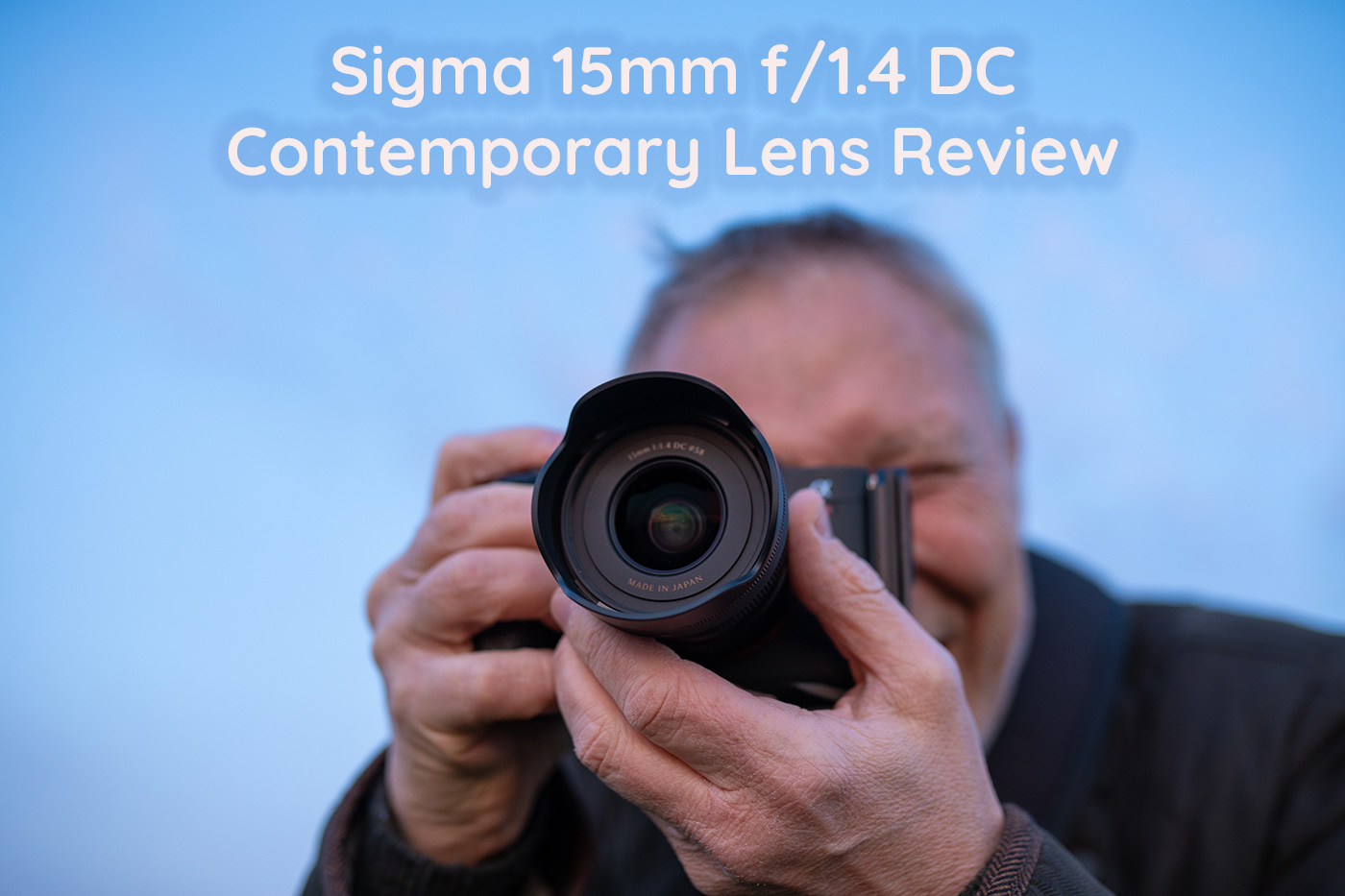
Our Sigma 15mm f/1.4 DC Contemporary Lens review explores this ultra-compact 15mm prime lens, which is available for Sony E, Canon RF and Fujifilm X mounts. Wide-angle lens photography can be tricky, but also very rewarding, and I was keen to see how this compact prime with a fast f/1.4 aperture handles across a range of shooting styles.
The Sigma 15mm f/1.4 DC Contemporary is a compact APS-C wide-angle prime with a fast aperture and high image quality across most shooting situations. So why not join us as we explore everything from price and handling to image quality, and find out whether this Contemporary Sigma lens suits your shooting style.
Before diving in, you may be wondering ‘what is an APS-C lens?’ It simply refers to a lens that covers the area of an APS-C sensor rather than full-frame or Micro Four Thirds. That’s it!
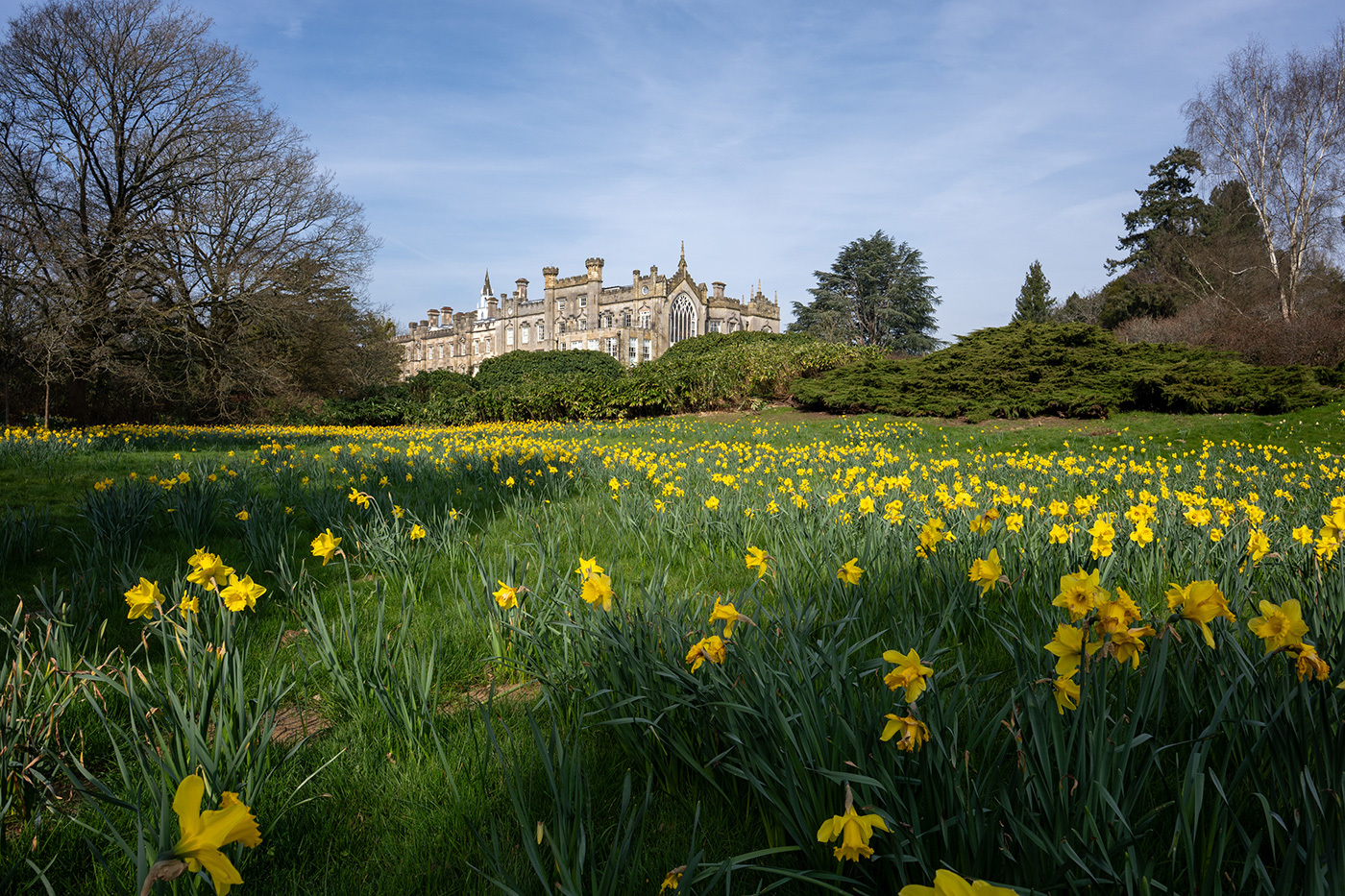
Sample 01 Daffodil scene. Camera settings: 1/320 sec. f/8. ISO 100
Launch date and price
The Sigma 15mm f/1.4 DC Contemporary Lens was announced 24th February 2026, replacing the outgoing 16mm f/1.4 DC DN Contemporary, which dates back to 2017. It is available in three mounts, all priced at a competitive £449.00;
- 15mm f/1.4 DC Contemporary for Sony E
- 15mm F/1.4 DC Contemporary Lens For Canon RF Mount
- 15mm F/1.4 DC Contemporary Lens For Fujifilm X
At launch, this is one of the few third-party wide-angle lens options for Canon mirrorless cameras, whereas for Sony and Fujifilm there is plenty of choice for lenses in this category.
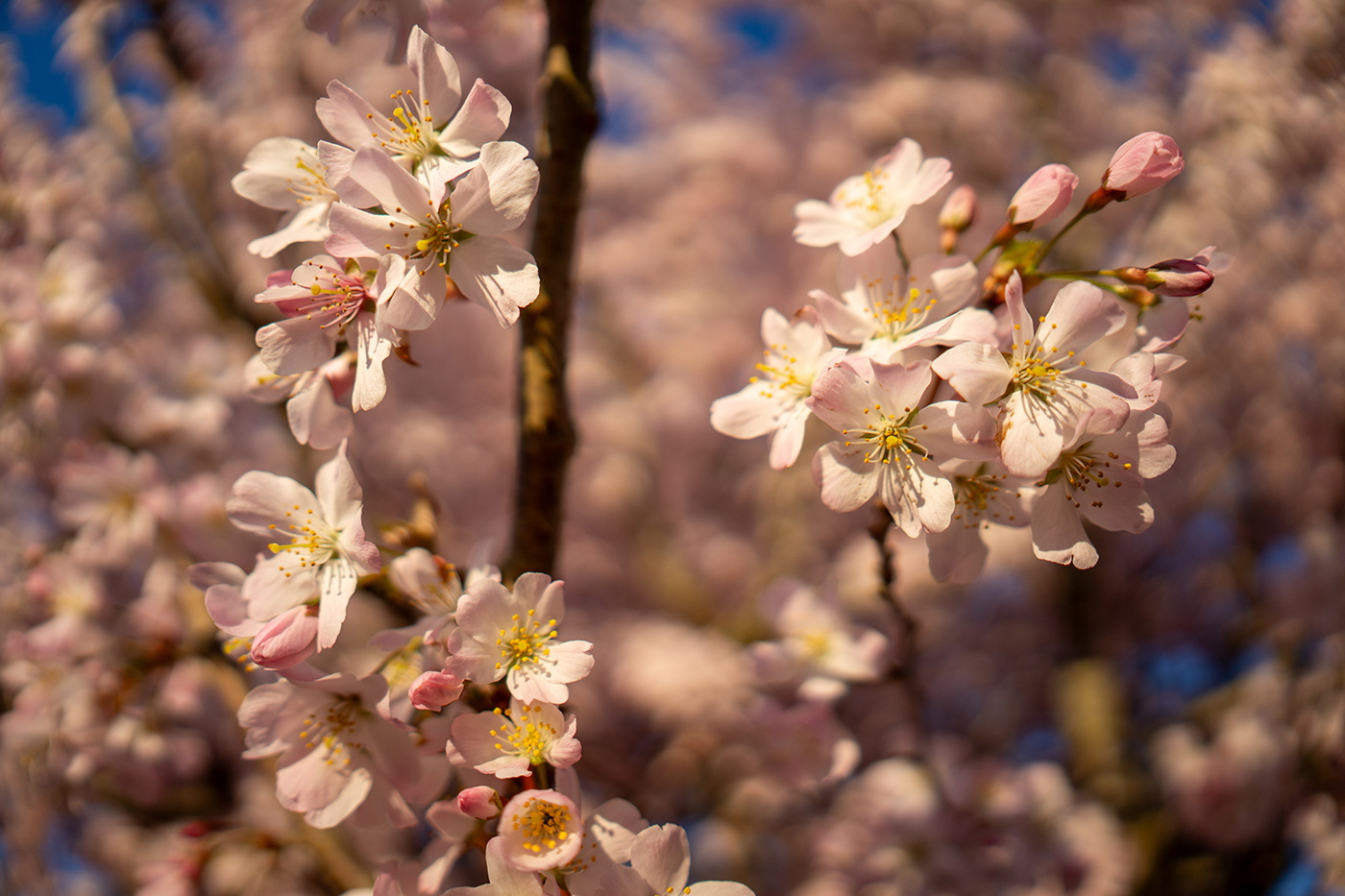
Sample 02 Blossoms (close minimum focusing). Camera settings: 1/8000 sec. f/1.4. ISO 100
Sigma 15mm f/1.4 DC sample images
Nick Dautlich was fortunate to have the Sigma 15mm f/1.4 DC Contemporary Lens for around a week and explored a variety of shooting styles that suit this focal length and fast aperture. Subjects included traditional subjects like landscapes, blossom and flowers, as well as bokeh and sunstar sample images.
Nick also visited a local skate park to capture 15mm lens portraits and action shots of scooters and skaters, which creates classic wide angle lens shots, as you can fit so much into the frame.
These real-world sample images were also taken at different times of day, including sunrise, sunset and in bright conditions, covering a range of lighting conditions so you can see how it performs during real use.
All images have been lightly edited to taste, with tweaks to contrast, vibrance, highlights and shadows. None have been cropped, apart from the sunset landscape, which is shown in a 16:9 panoramic format.
So what sets this Sigma lens apart? Let’s take a look at handling and usability to build a clearer picture.
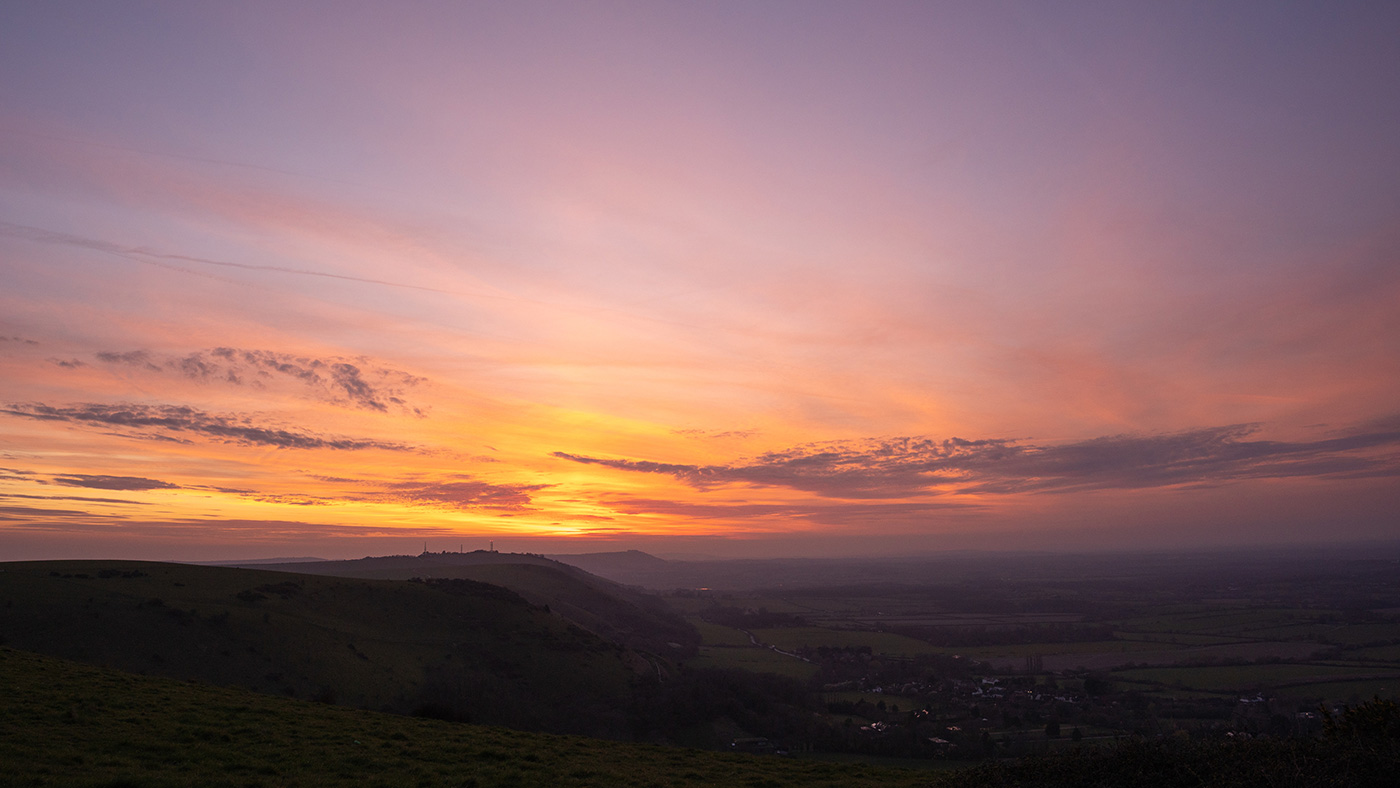
Sample 03 Landscape sunset (cropped into pano format). Camera settings: 1/125 sec. f/4. ISO 160
How does the Sigma 15mm f/1.4 handle?
Size and weight may be one of the primary reasons for choosing this lens. At around 225g and just 65mm long, it is incredibly compact and lightweight, with a simple, no-frills design that is easy to handle.
Initially, I intended to photograph exclusively with a crop format Sony A6600 camera, but wanted to discover how well an APS-C lens works on full frame, so I mounted it to a Sony A7R V. The Sony camera automatically switched into crop mode as soon as the lens was attached, so everything just worked with no additional setup needed.
I love the small size and low weight of the lens, which sits well on both full-frame and crop cameras. Another benefit of the compact design is that the front element accepts standard 58mm lens filters, which are easy to find and relatively inexpensive.
The lens barrel has very few controls, but it does include a clickable aperture ring, with an Automatic position for aperture control via the camera body if preferred.
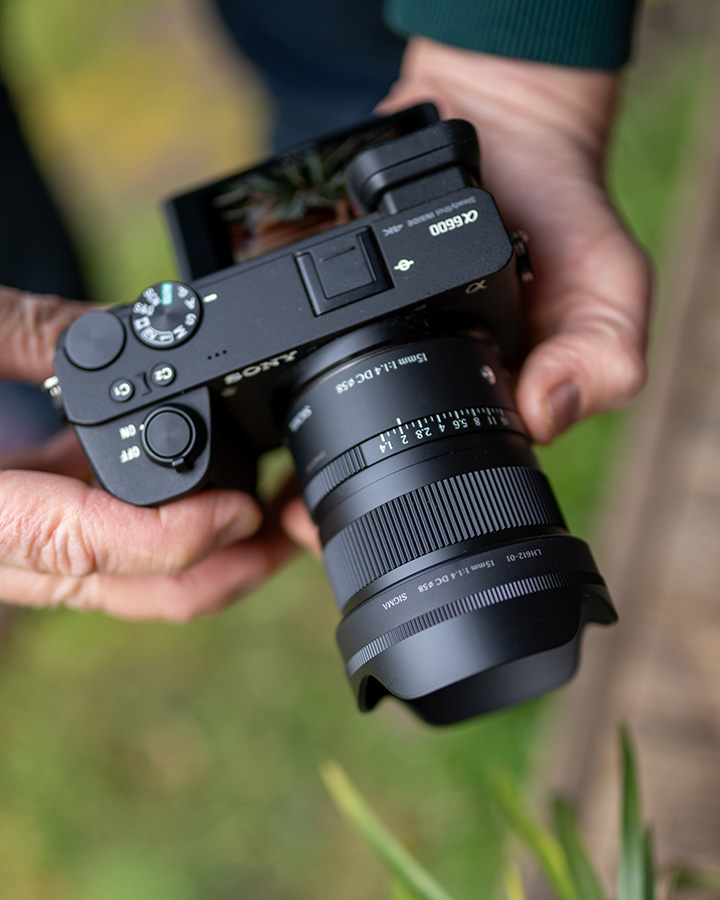
The focus ring is smooth and, although entirely made of plastic, Sigma manufactures all of its own lenses using components produced in-house, with no outsourcing to the best of my knowledge. This results in high build quality, even if it does not quite match the level of a premium Art series lens. Speaking of which, there is some weather sealing on the mount and internally around the rings, leading to a basic dust and splash-resistant structure for outdoor use.
A wide-angle lens of this type with such a fast aperture is typically much larger and heavier, but Sigma’s updated Contemporary range takes the opposite approach, keeping the lens as compact as possible. This makes it a good option as a backup, second lens, or for travel when you want to keep your kit minimal.
This leads neatly on to the types of subjects it’s suited to, which we look at next.
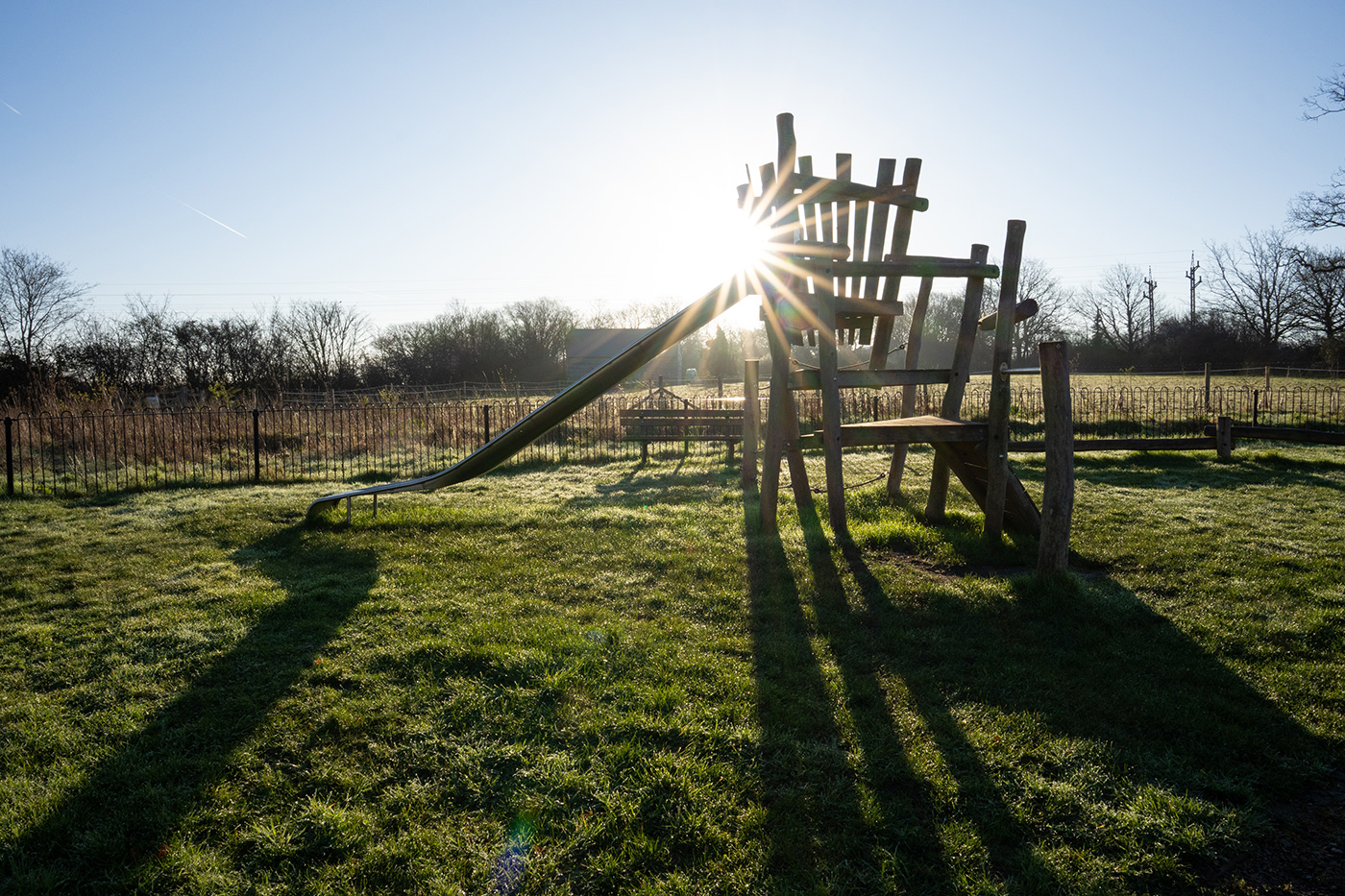
Sample 04 Sunstar example. Camera settings: 1/250 sec. f/16. ISO 400
What is a 15mm lens good for?
With a full-frame equivalent of 22.5mm, this Sigma APS-C lens has a focal length suitable for a variety of subjects, including:
- Landscapes
- Astro and night photography
- Cityscapes
- Architecture, interiors and real estate
- Street photography
- Environmental portraits / group shots
- Travel
- Video and vlogging
Additionally, the lens focuses closely, down to around 17cm, which opens up creative opportunities to fill the frame with your subject. This is slightly limited by the moderate 1:7.9 maximum magnification ratio, but I was still able to capture some frame-filling close-ups that I was happy with, which adds to the versatility of this 15mm lens.
Some of these require fast autofocus, which we explore next.
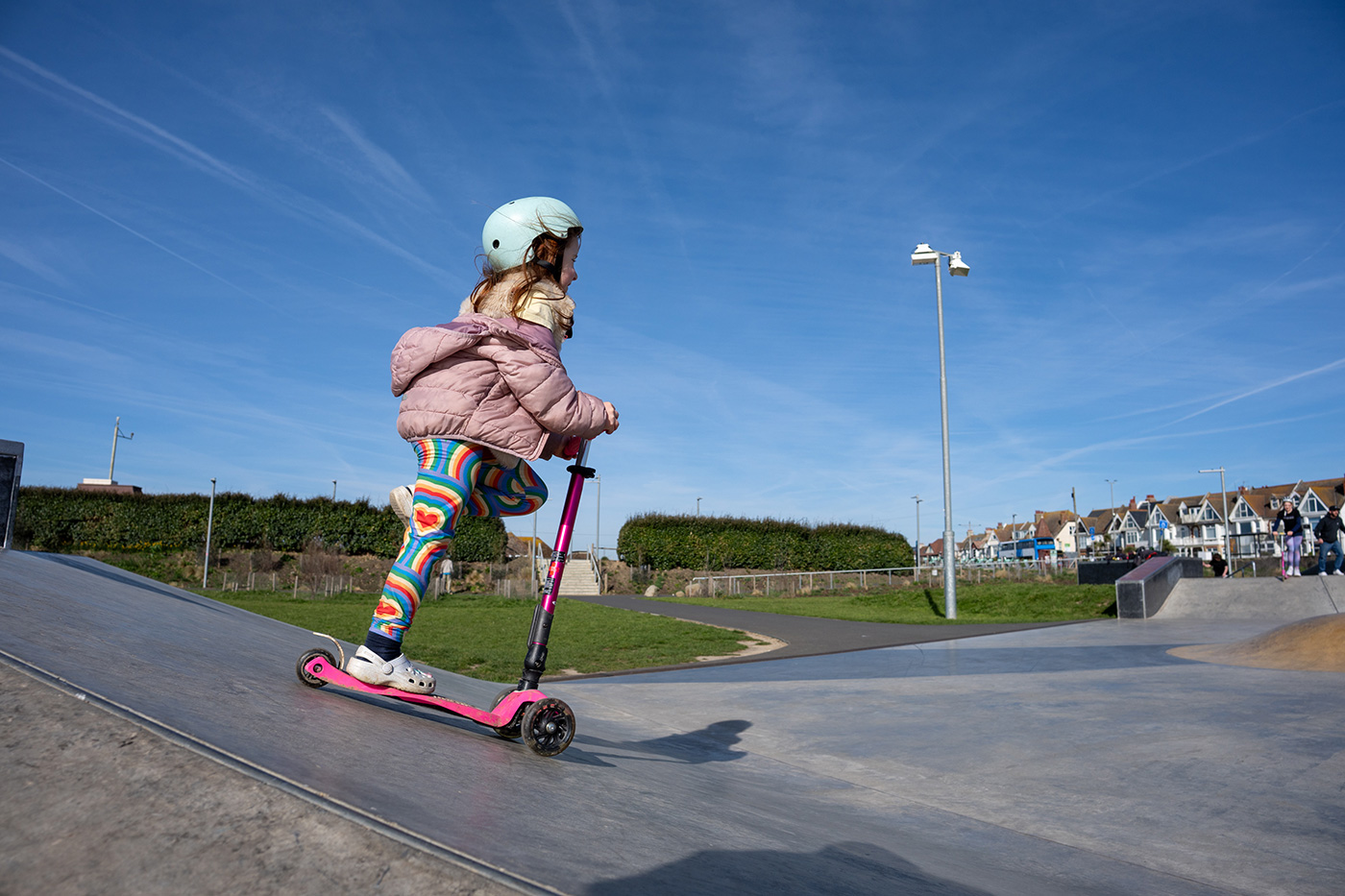
Sample 05 Skatepark. Camera settings: 1/2000 sec. f/4. ISO 100
How well do autofocus and subject tracking perform?
A wide view lens of this kind ensures that most of the frame will be in sharp focus, from front to back if that’s what you’re after. That said, there are times when you do need fast autofocus, as well as compatibility with your camera’s subject recognition and focus tracking features.
The Sigma 15mm lens responded really well, with a fast AF system that worked seamlessly with Sony subject detection. While not a sports lens by any means, it kept up well with fast movement at the skate park, resulting in a number of keepers despite erratic changes like turning away from the camera.
On top of this, the lens has smooth manual focusing, which allows you to punch in and confirm or switch focus in front of or behind obstacles instantly.
The result is a compact prime that handles a range of situations well, whether slow-paced such as landscapes or faster-moving environmental portraits and action.
But how about image quality, which is of course critical when you can fit so much into the frame?
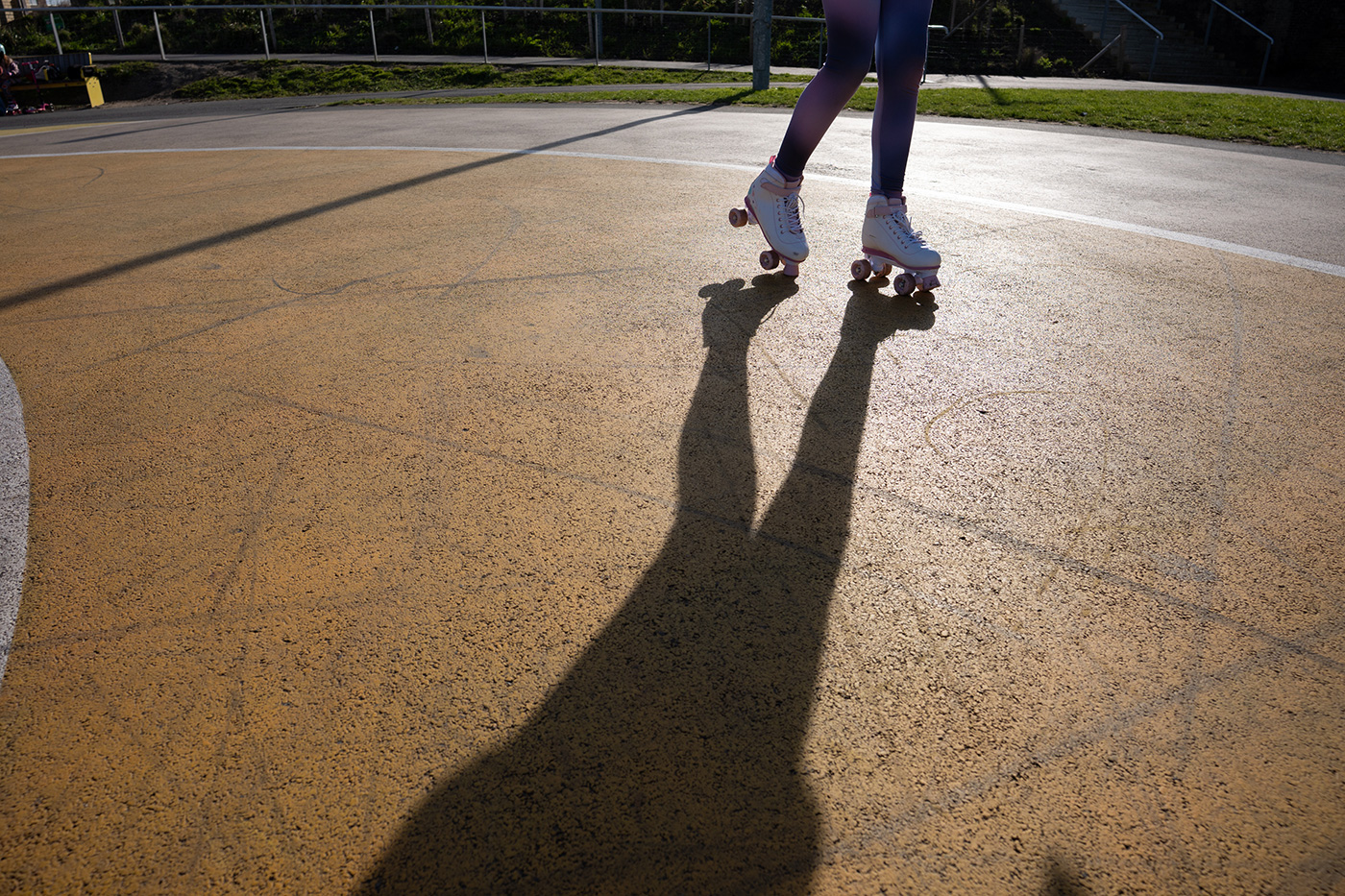
Sample 06 Skatepark shadows. Camera settings: 1/2000 sec. f/4. ISO 100
What is image quality like?
With such a compact and lightweight design, as well as being part of Sigma’s accessible Contemporary range, you might expect the optical quality of this 15mm lens to be compromised. While there are some considerations, the new optical design delivers overall. Sharpness is strong, with expected edge fall-off wide open and good consistency by f/8.
Although many shots were taken at the widest possible aperture, I didn’t manage to capture any astro, which can really highlight optical performance. That said, images captured at f/1.4 are very sharp in the centre, with some fall-off towards the edges, which is to be expected.
At around f/8, which is the sweet spot for many suitable genres such as landscape photography, architecture and interiors, the lens is more evenly sharp into the corners. This aperture provides a deep focal plane, with good resolving power and high levels of detail across the frame.
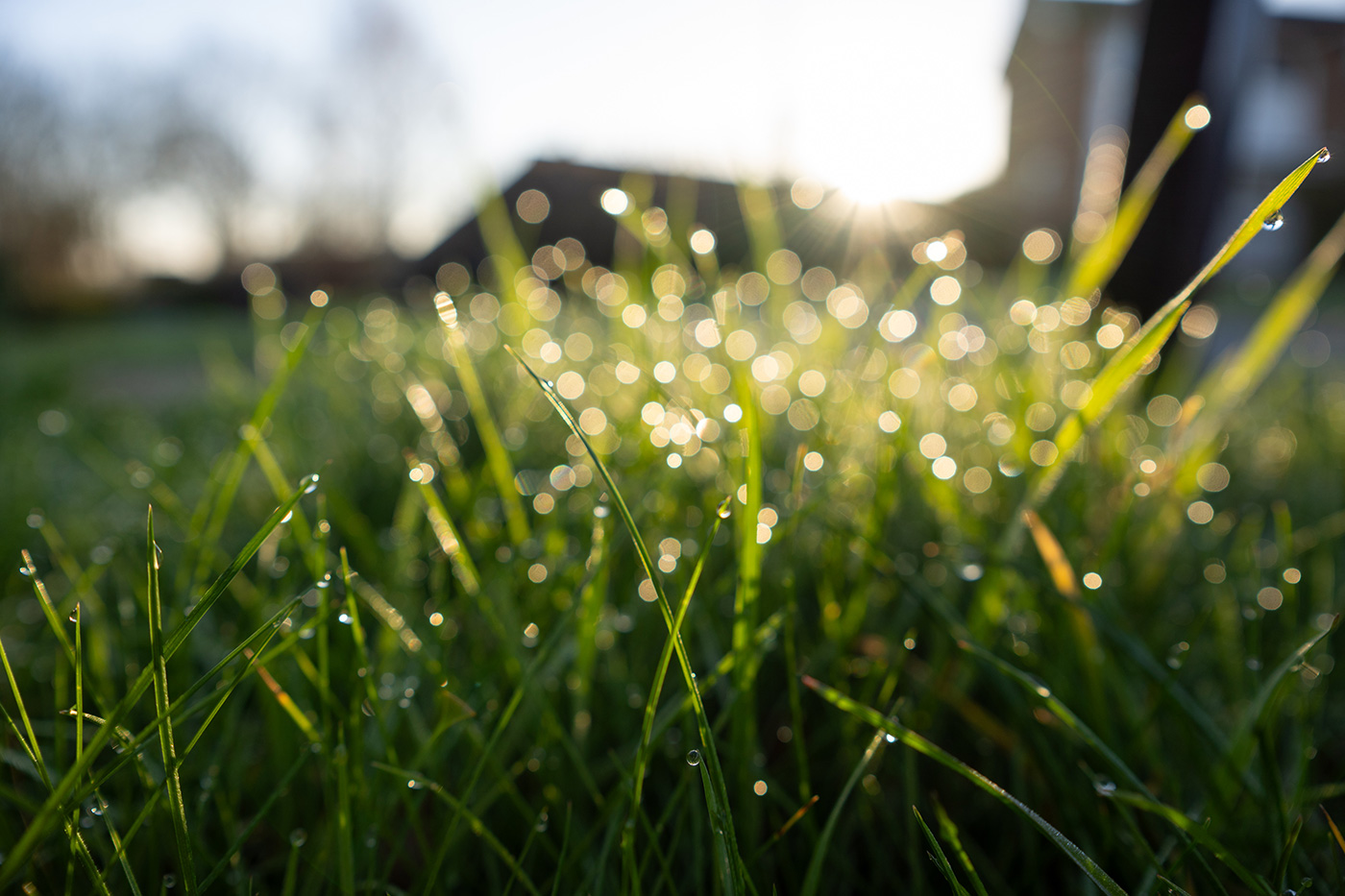
Sample 07 Bokeh example. Camera settings: 1/500 sec. f/2.8. ISO 100
There is a little distortion, as expected. At the time of review, there was no profile for automatic corrections, so this was left in the final results for evaluation. Personally, I find this type of wide-angle distortion quite pleasing for some subjects, exaggerating facial features and perspectives when shooting close to your subject.
Background rendition is very pleasing, with smooth defocus when wide open. There is some colour fringing, including in bokeh highlights, but it is manageable.
There is also some vignetting in the corners, which would be automatically removed with a lens correction profile, but the results are strong for this category. Colour rendition is natural, with smooth tonal transitions, colours that stand out without looking overdone, and good contrast, even with backlit subjects.
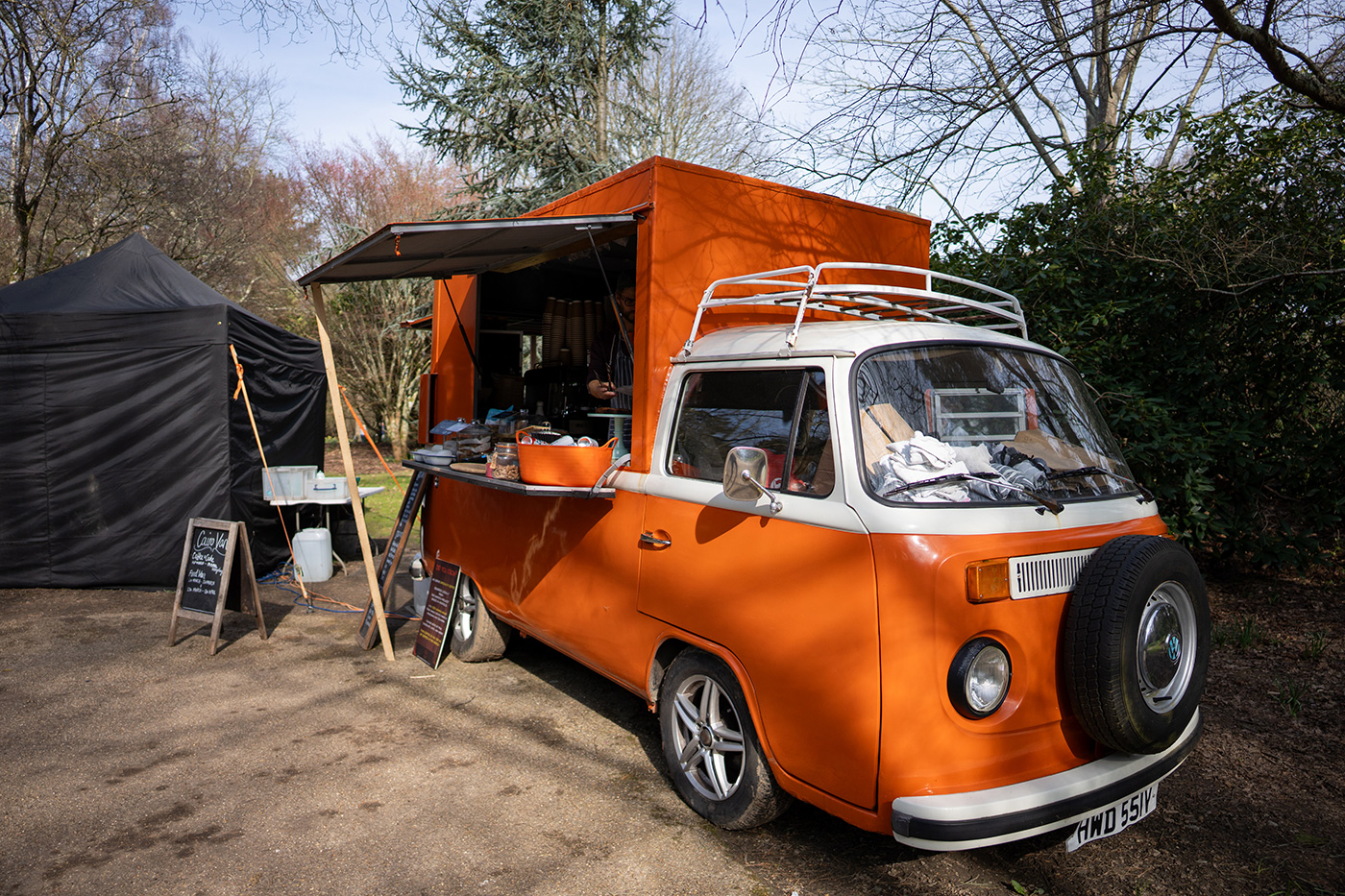
Sample 08 Coffee Camper. Camera settings: 1/5000 sec. f/1.4. ISO 100
The Sigma 15mm lens for APS-C cameras is a prime that punches well above its weight. While not perfect, image quality is impressive from the widest aperture onwards, paving the way for creative results across the full range of genres this field of view covers.
Most optical flaws will no doubt be handled by automatic corrections in editing apps when they become available, and the results show excellent detail with plenty of character to please the vast majority of creators.
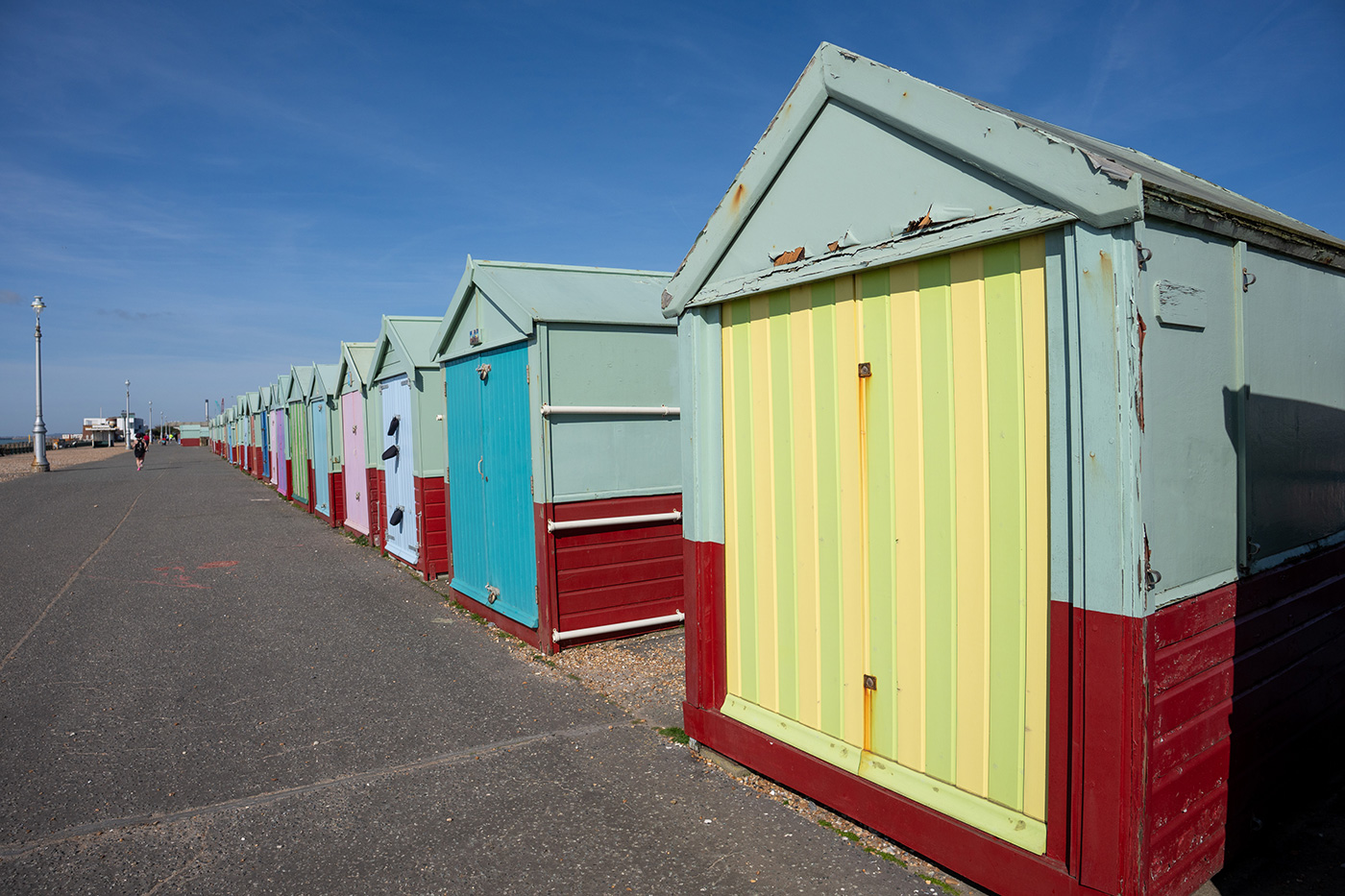
Sample 09 Beach huts. Camera settings: 1/3200 sec. f/4. ISO 100
If you shoot with a Canon APS-C camera, the Sigma 15mm f/1.4 DC Contemporary Lens for Canon RF mount stands out as the best choice for the system. For Sony E and Fujifilm X, the decision may not be as straightforward, but I urge you to further explore the Sigma 15mm F/1.4 DC Contemporary Lens For Sony E and Sigma 15mm F/1.4 DC Contemporary Lens For Fujifilm X Mount to discover whether this is the right option for your needs.
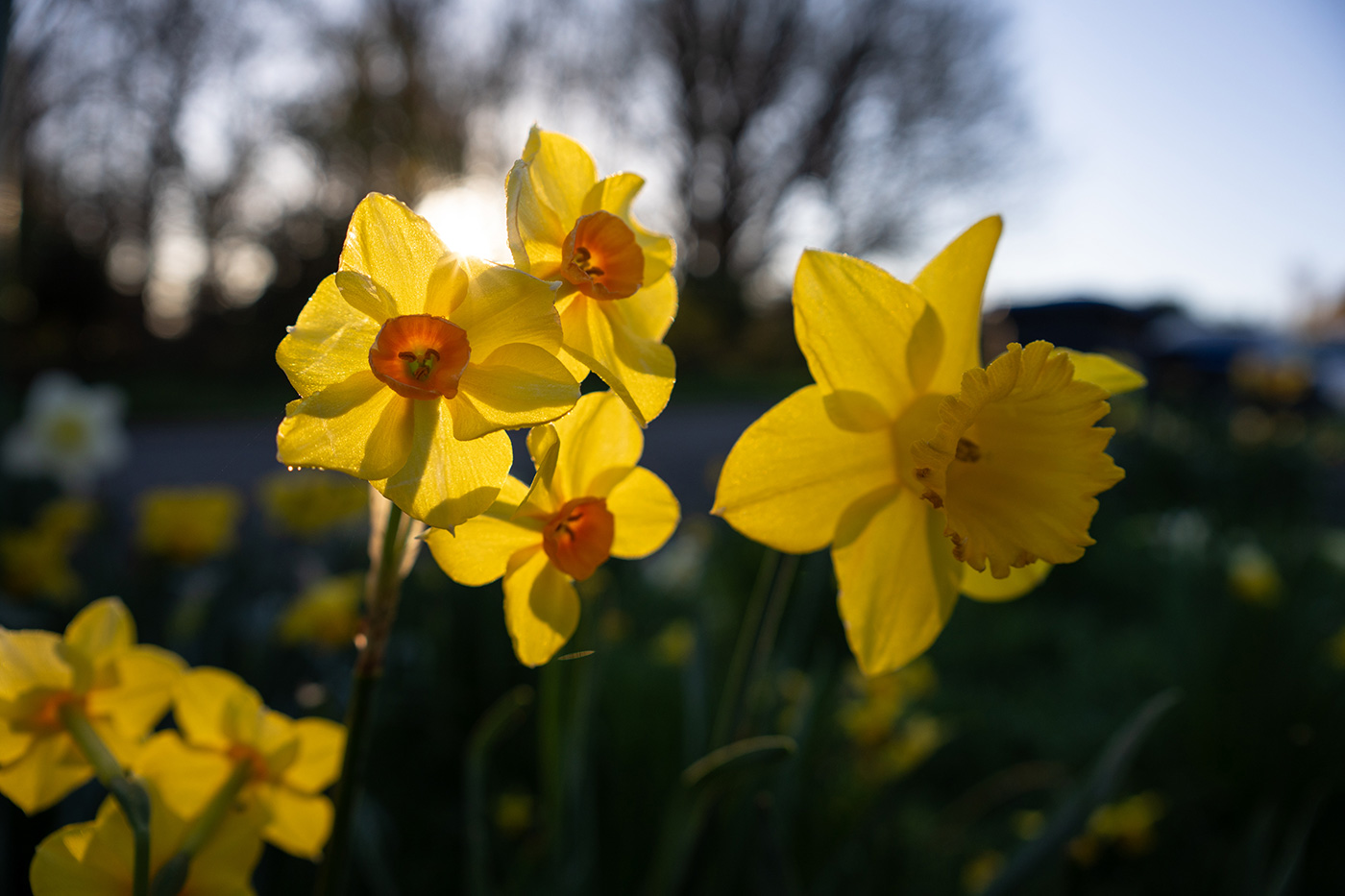
Sample 10 Daffodils. Camera settings: 1/800 sec. f/2.8. ISO 100
Share this post:
By Nick Dautlich on 27/03/2026

Nick Dautlich
Senior Content Writer and Product Reviewer
Nick Dautlich is the Senior Content Writer and Product Reviewer at Park Cameras, with over 15 years of photography experience. A Sony Imaging Professional and expert reviewer, Nick has worked with major brands such as Canon, Sony and Nikon. His work is also featured on Vanguard World UK’s website, Capture Landscapes, and Shutter Evolve. Nick’s photography includes National Trust projects and magazine covers and he is passionate about landscapes and storytelling. Nick also enjoys hiking and teaching his children about nature. Learn more on his profile page.
Trade in your old equipment
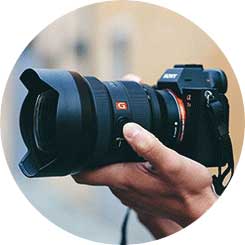
Fast and easy trade in service ensures your old gear is collected efficiently and you are paid quickly! It's very simple to trade in your unwanted photography gear. Just head over to our dedicated Sell or Part Exchange page, fill out the details, and we'll get back to you with an offer for your old gear. Take the cash, or put it towards the cost of your new gear. It's up to you! Find out more
sign up to the newsletter
Keep up to date on the latest photography news, events and offers. Sign up now