- Call us 01444 237070

-
- Back
- Used Cameras
- Used Accessories
- Used Lenses
- Back
- Used Canon Lenses
- Used Nikon Lenses
- Used Fujifilm Lenses
- Used Sony Lenses
- Used Micro 4/3rds Lenses
- Used Leica Lenses
- Used Panasonic Lenses
- Used Pentax Lenses
- Used Samyang Lenses
- Used Sigma Lenses
- Used Tamron Lenses
- Used Tokina Lenses
- Used Voigtlander Lenses
- Used Zeiss Lenses
- Used Hasselblad Lenses
- Used Video
- Used Film Equipment
- Used Stock Alert
- Used Blank Test
- Sell or Part Exchange
- Used Clearance
- Recently Added Used Equipment
- Park Picks
- Faulty
- Trade-In
- Blog
- New in
- Call us
- Contact us
- Stores
- Sign in
- Categories
- Tips & Inspiration
- Reviews
- News
- Events
- Features
- Buying Guides
- Competitions
Sony FE PZ 16-35mm f/4 G Lens Review
Released in March 2022, the Sony FE PZ 16-35mm f/4 G is a compact and lightweight zoom lens with power zoom functionality. This makes it a great option for videographers who want smooth zoom capabilities for ultra-wide subjects such as vlogs, events, group shots, and interiors.
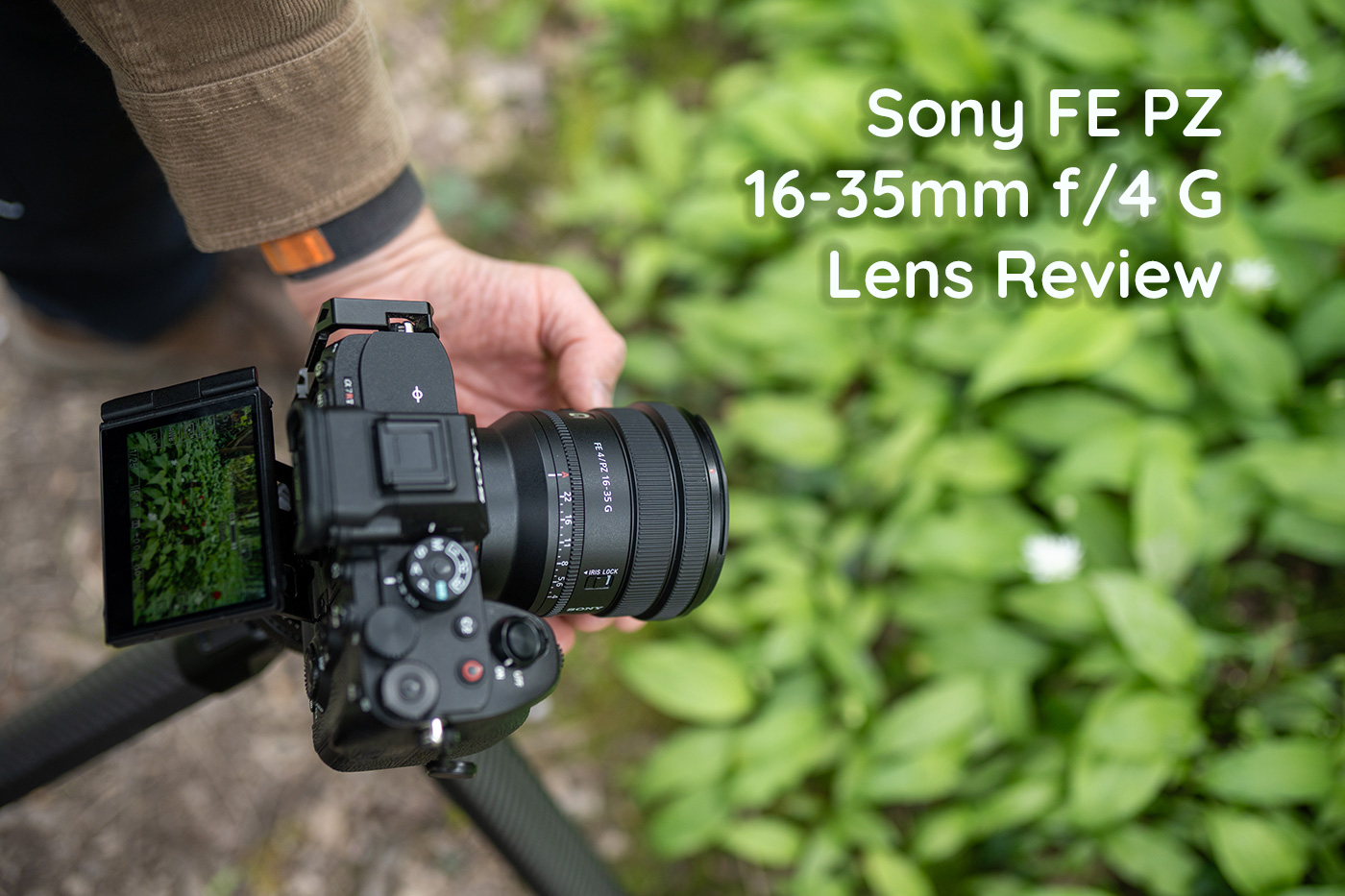
However, for this Sony FE PZ 16-35mm f/4 G Lens Review, I wanted to discover whether it also makes a good option for stills photography. As well as the subjects already mentioned, an ultra-wide zoom of this type is typically suited to environmental portraits, landscapes, architecture, and street photography, which are genres I was keen to explore during a recent staycation.
With this in mind, I mounted a used Sony FE PZ 16-35mm f/4 G onto a Sony A7R V and headed to Somerset. Buying used lenses is a great way to save money versus buying new, while still enjoying peace of mind from a six-month warranty, when shopping at Park Cameras.
Join us for this hands-on review, packed with a variety of sample images from the lovely county of Somerset, beginning with where this fits into the ecosystem.
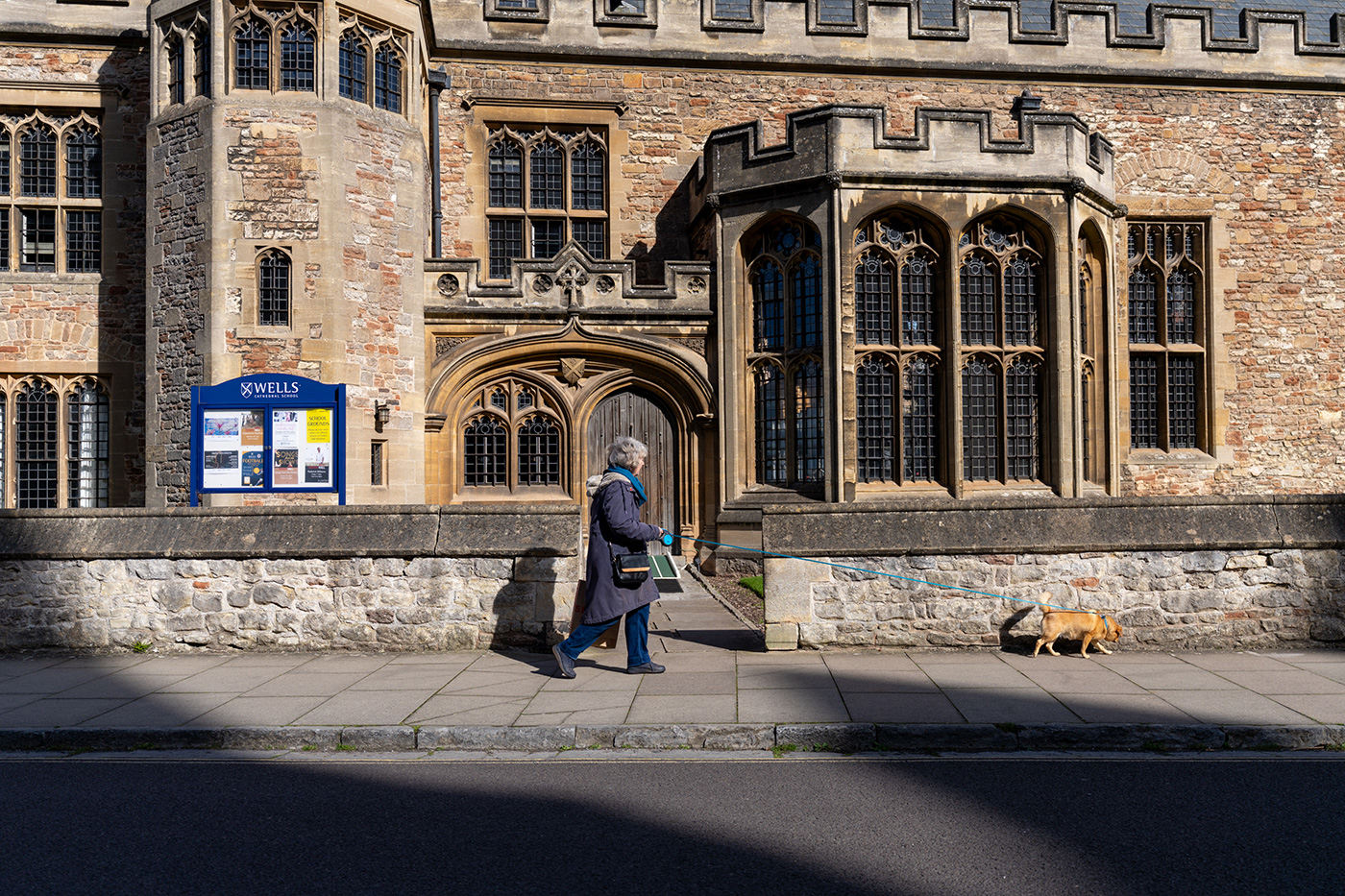
Sample 01 @31 mm. Settings: f/4. 1/1,600 sec. ISO 1/100
Where does it fit into the range?
There are alternatives with the same zoom range, including the 16-35mm f/2.8 GM and the Vario-Tessar T FE 16-35mm f/4 ZA OSS. Both Mark I and Mark II G Master options are considerably more expensive, and the Vario-Tessar lacks power zoom functionality for video.
Today the FE PZ 16-35mm f/4 G is the fifth Sony lens with power zoom, although it is only one of two full-frame options. The first thing you notice about it is just how lightweight it is, making it an ideal all-day zoom for general content creation.
With that in mind, let's take a closer look at usability.
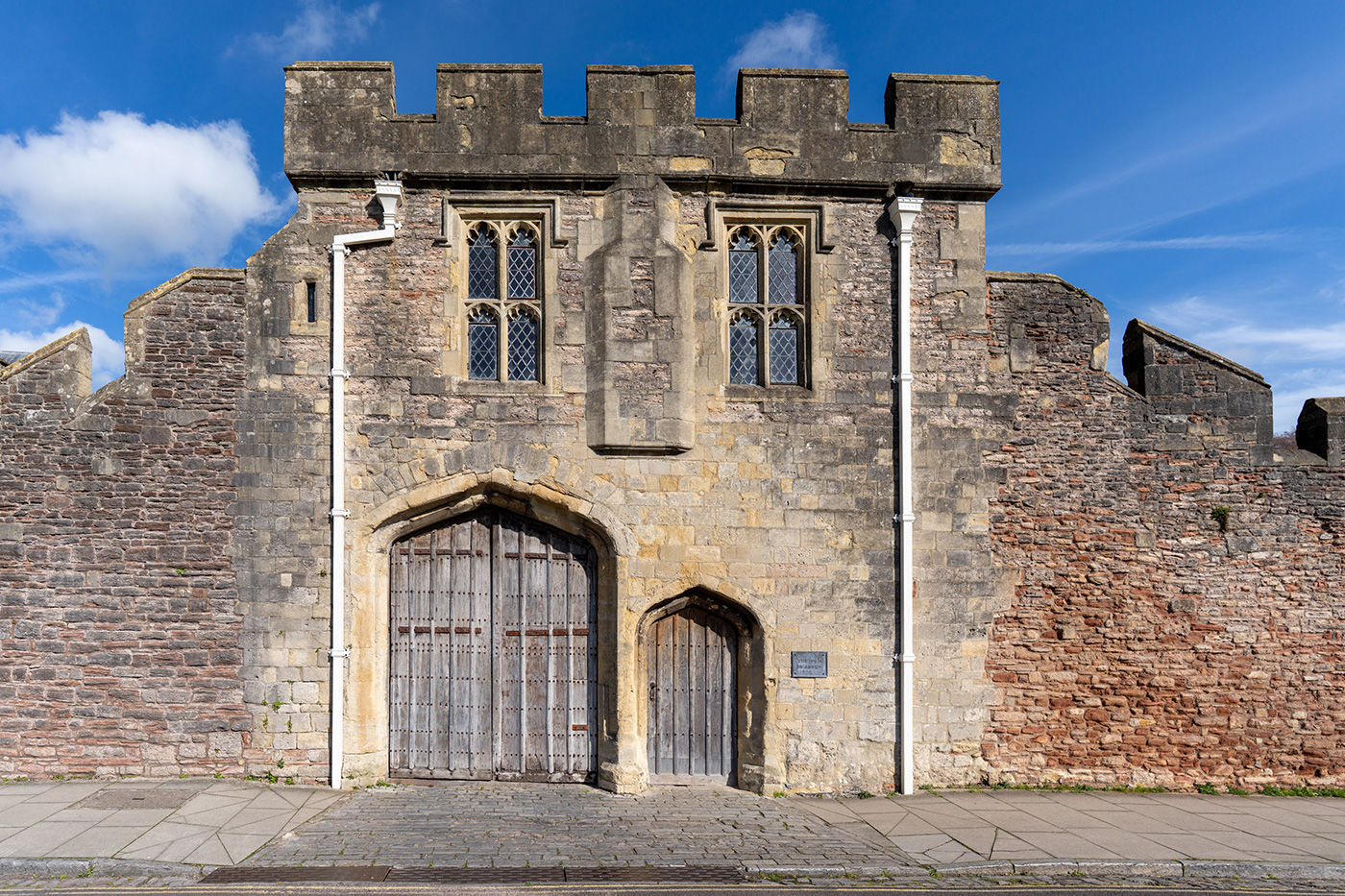
Sample 02 @17.5 mm. Camera settings: f/4. 1/1,600 sec. ISO 1/100
Is it easy to use?
With a weight of just 353g and a compact length of 88.1mm, this is remarkably lightweight and portable. Weight makes a noticeable difference when carrying it for all-day shooting compared to a heavyweight alternative, especially if mounted on a gimbal for stabilisation.
A de-clickable aperture ring allows for aperture changes from the barrel as well as the camera body, catering to all photo or video preferences and needs. There is also a focus hold button, which can be programmed to suit your style of shooting, and the zoom is internal, meaning the length stays the same without shifting any weight.
These all contribute to a very easy-to-use option, which is light, features internal zooming, and accepts standard 72mm lens filters. There is, however, one caveat, which we investigate next.
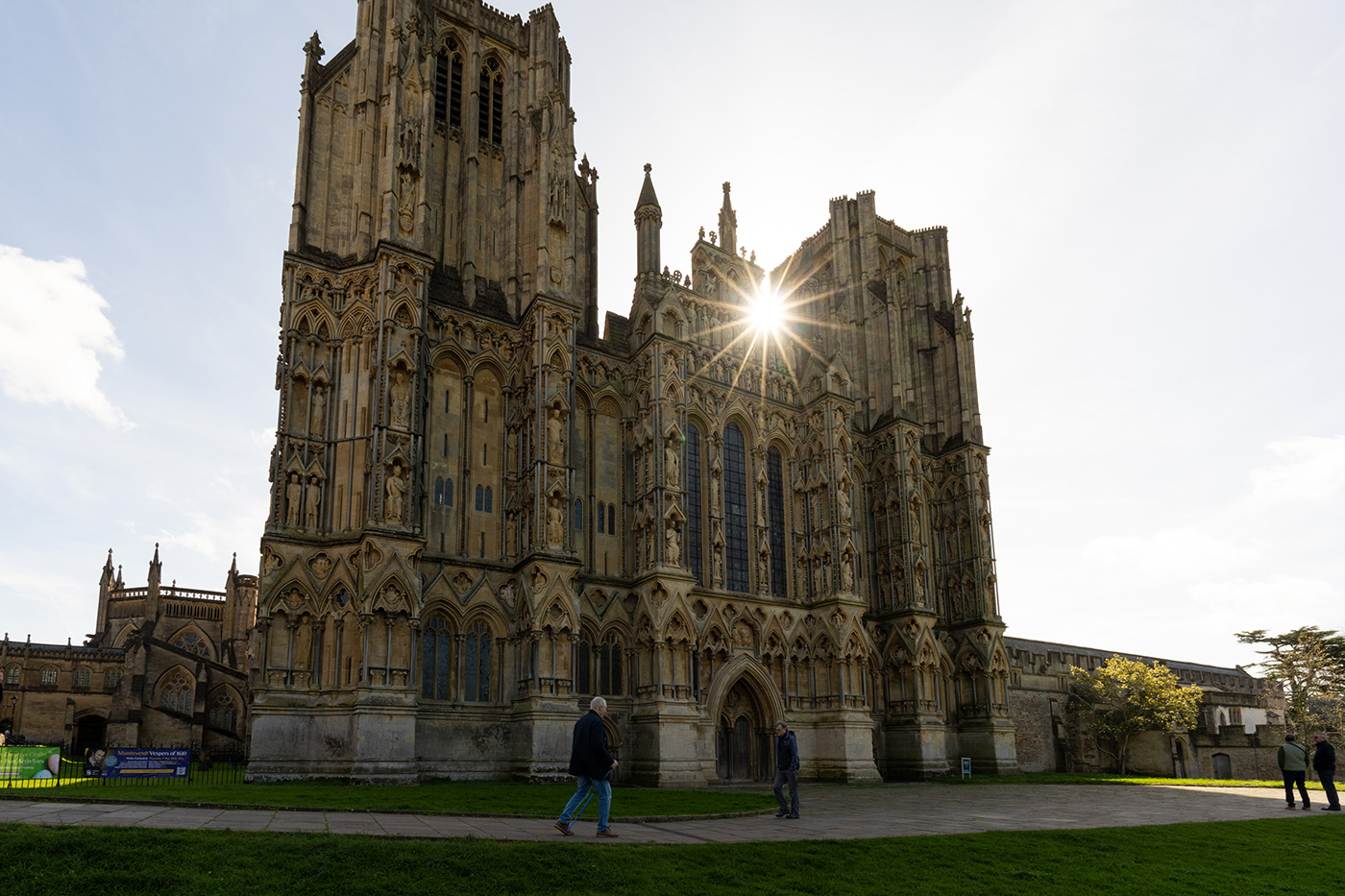
Sample 03 @18 mm. Camera settings: f/14. 1/250 sec. ISO 1/400 (on a personal note, I really like the rendering of sunstars you can get from this lens)
Is a power zoom worth it for photography?
The main appeal is the power zoom functionality, and it works incredibly smoothly, for photography, as it does for video. It was the first model from the brand to employ four XD linear motors to move the elements, which can be activated by pressing the spring-loaded zoom lever.
Remote zooming is also possible via an app, and you can customise a button on some camera bodies to operate the zoom, or use a dedicated button found on selected video-first camera bodies, such as the ZV-E10 II.
With slow and fast speeds, as well as a dedicated zoom ring, there areplenty of ways to control how you zoom from near to far.
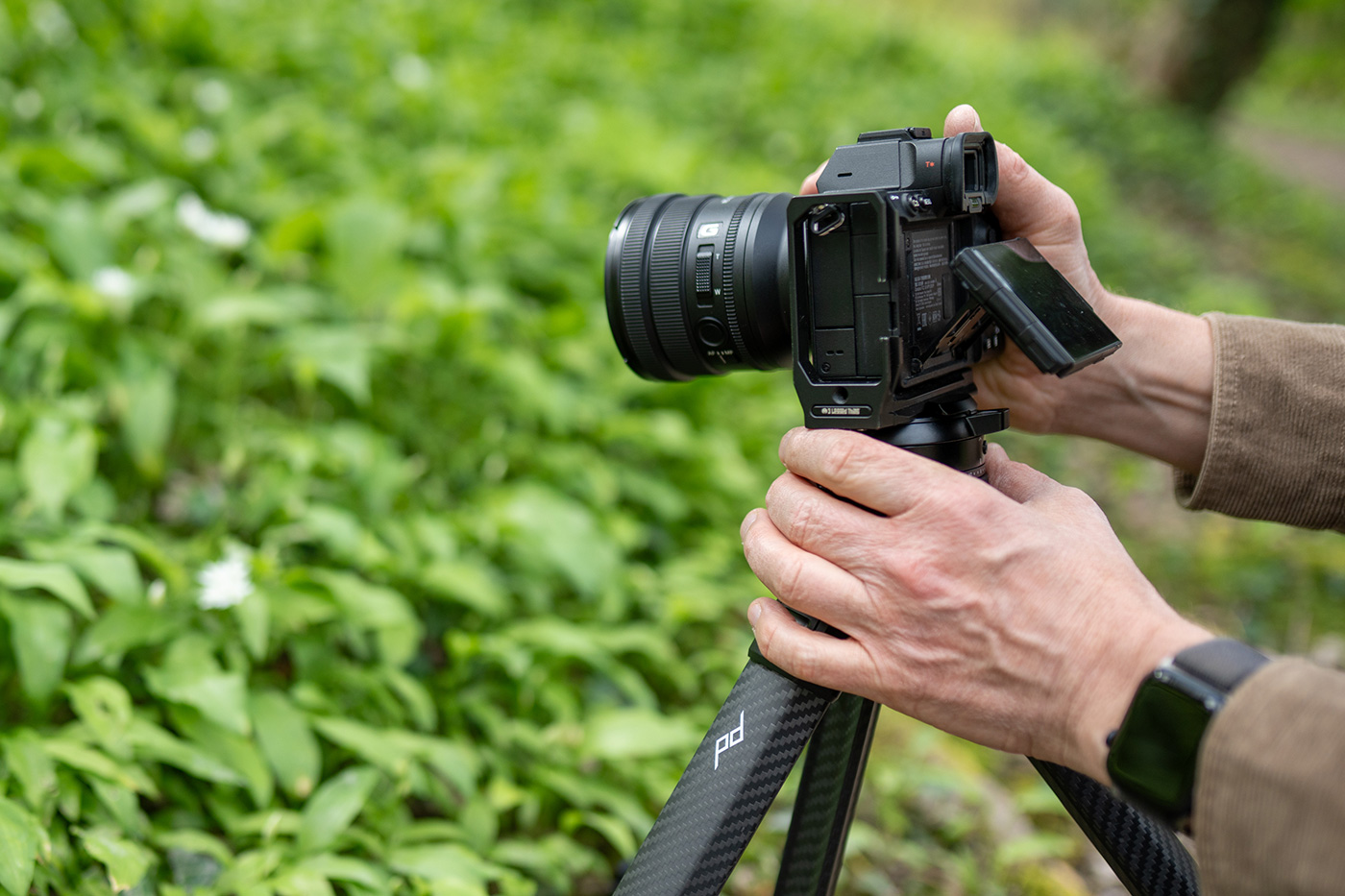
That said, I found that the zoom lever isn't as fast or accurate as you typically need for photography, which meant that I defaulted to using the standard zoom ring most of the time. Unfortunately the zoom ring feels quite loose, and is not as accurate as the GM or GM II f/2.8 models, although these do of course cost considerably more.
Having a power zoom mechanism allows the overall design to be smaller and lighter than a traditional option, which is a key draw to this model. But if you mainly shoot stills, the power zoom feature perhaps isn't as beneficial as it is for videographers.
How about AF speed?

Sample 04 @16 mm. Camera settings: f/4. 1/30 sec. ISO 1,600
Is AF fast and accurate?
When using the subject recognition and tracking feature, available in most modern cameras, the AF system worked effortlessly. It was able to recognise people moving about the frame, and would no doubt work very well for vlogging and video too.
A wide angle at relatively narrow apertures such as this offers a greater depth of field by default, keeping more of the scene sharp from front to back and allowing more margin for focusing error. The result is more shots in focus, even when working quite close to the subject.
That brings us neatly onto image quality.
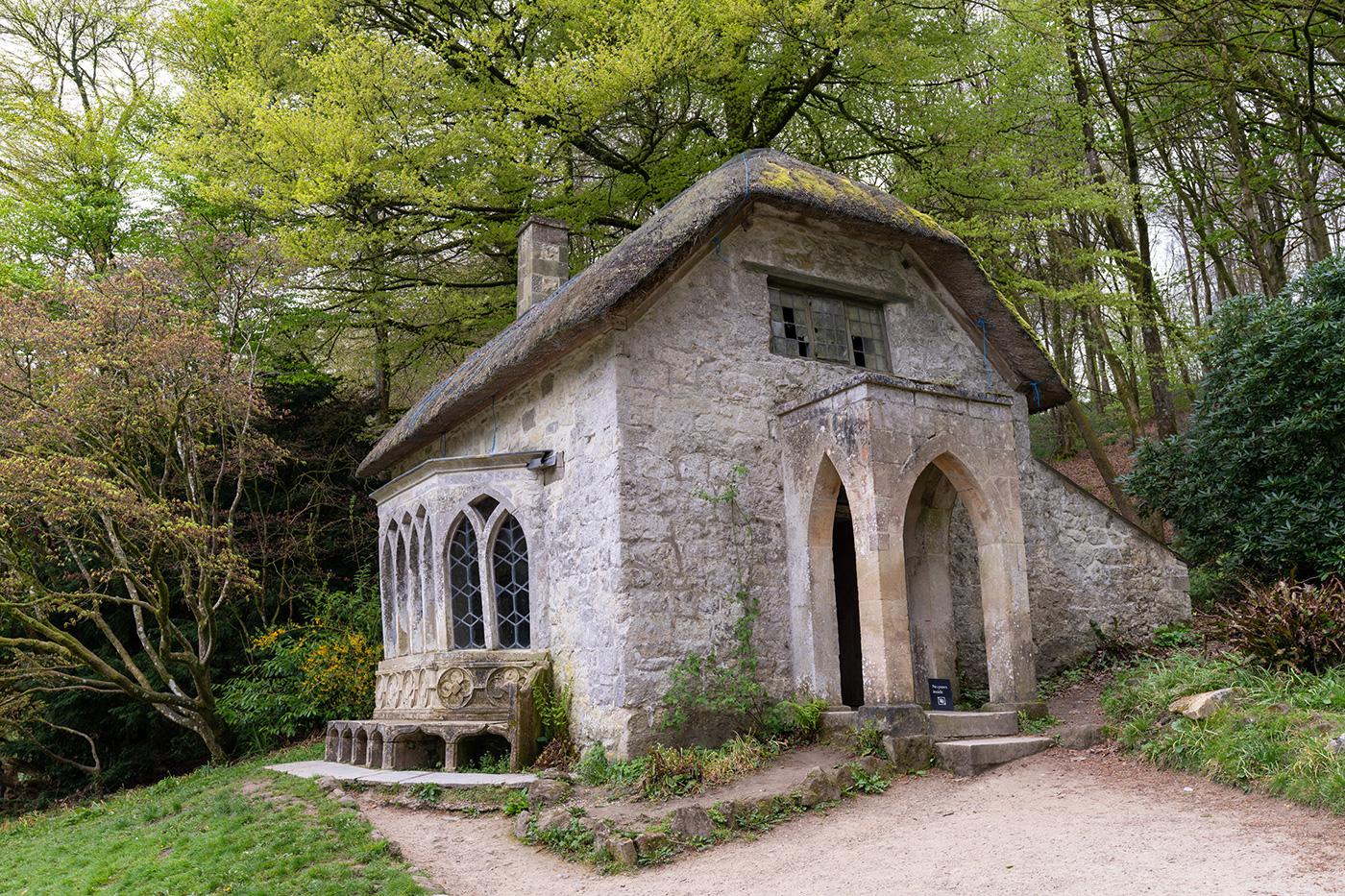
Sample 05 @28.5 mm. Camera settings: f/5.6. 1/125 sec. ISO 160
What is image quality like?
G lenses are typically sharp, with very good image quality, so how does the FE PZ 16-35mm f/4 G measure up? I found that it delivers good results, with excellent detail, contrast, and high sharpness in the centre, even when shooting at f/4.
This model was able to resolve a 60+ megapixel sensor, and there is plenty of detail to be seen across the whole frame. The edges are noticeably softer, but this may be due to distortion, which is quite common when capturing very wide images.
Perspective distortion was prominent when tilting upwards or downwards, and profile corrections had to be supplemented with further adjustments in Lightroom to render perfectly straight lines in some situations. This is especially noticeable in architectural features, though I was able to correct it for the most part. You can achieve very good results by placing a subject towards the centre of the frame, even when tilting.
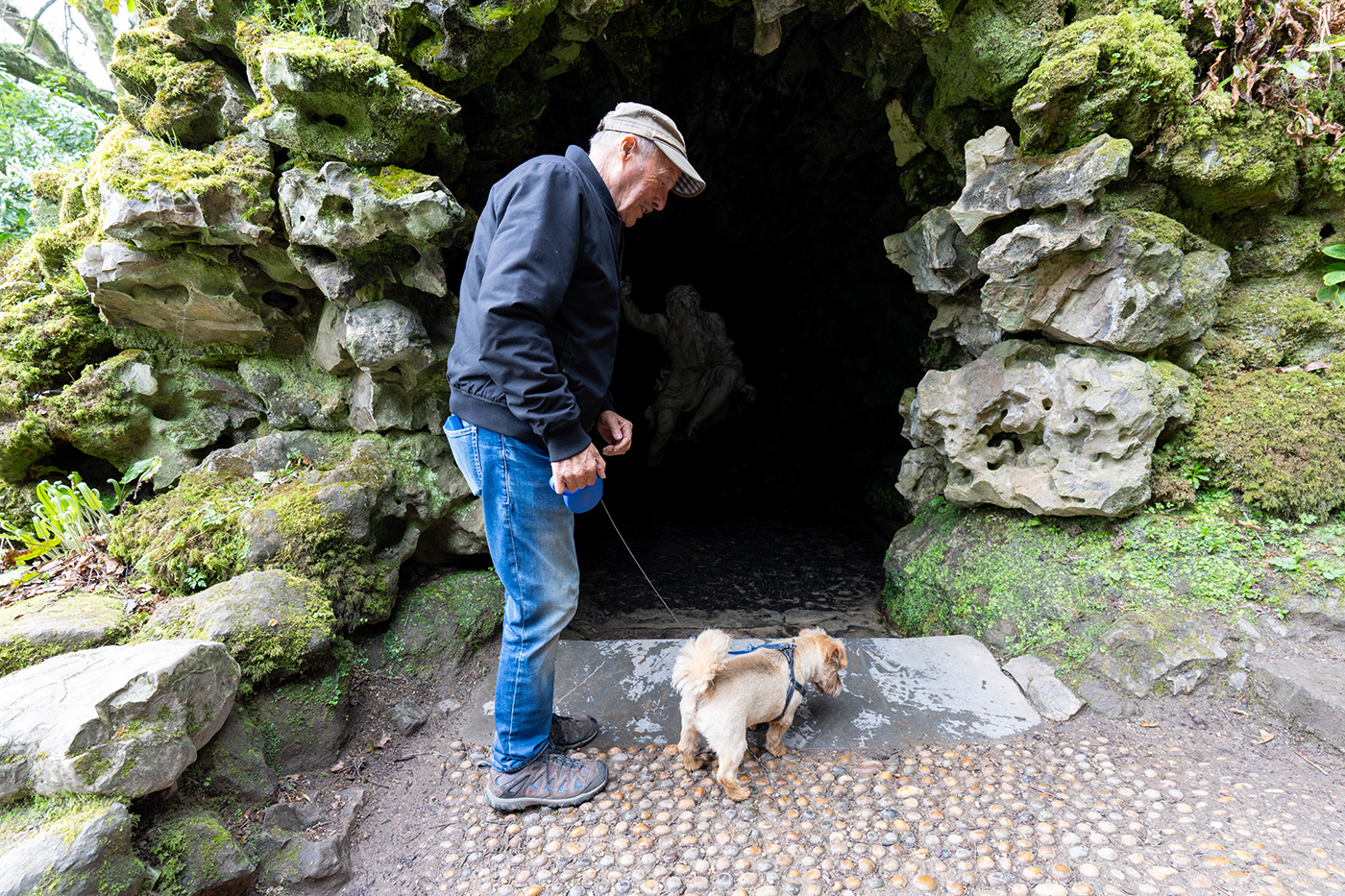
Sample 06 @16 mm. Settings: f/4. 1/125 sec. ISO 320
Some images included here, such as the interior shot, highlight how spherical distortion is also apparent around the edges, together with vignetting. Still, results are pleasing on the whole, especially for such a wide field of view.
While it is not as crisp as a G Master alternative, it is far lighter and considerably more cost effective. It is worth noting that video is generally more forgiving than stills, as individual frames are not scrutinised at the pixel level, so minor optical flaws will be less noticeable when recording video content.
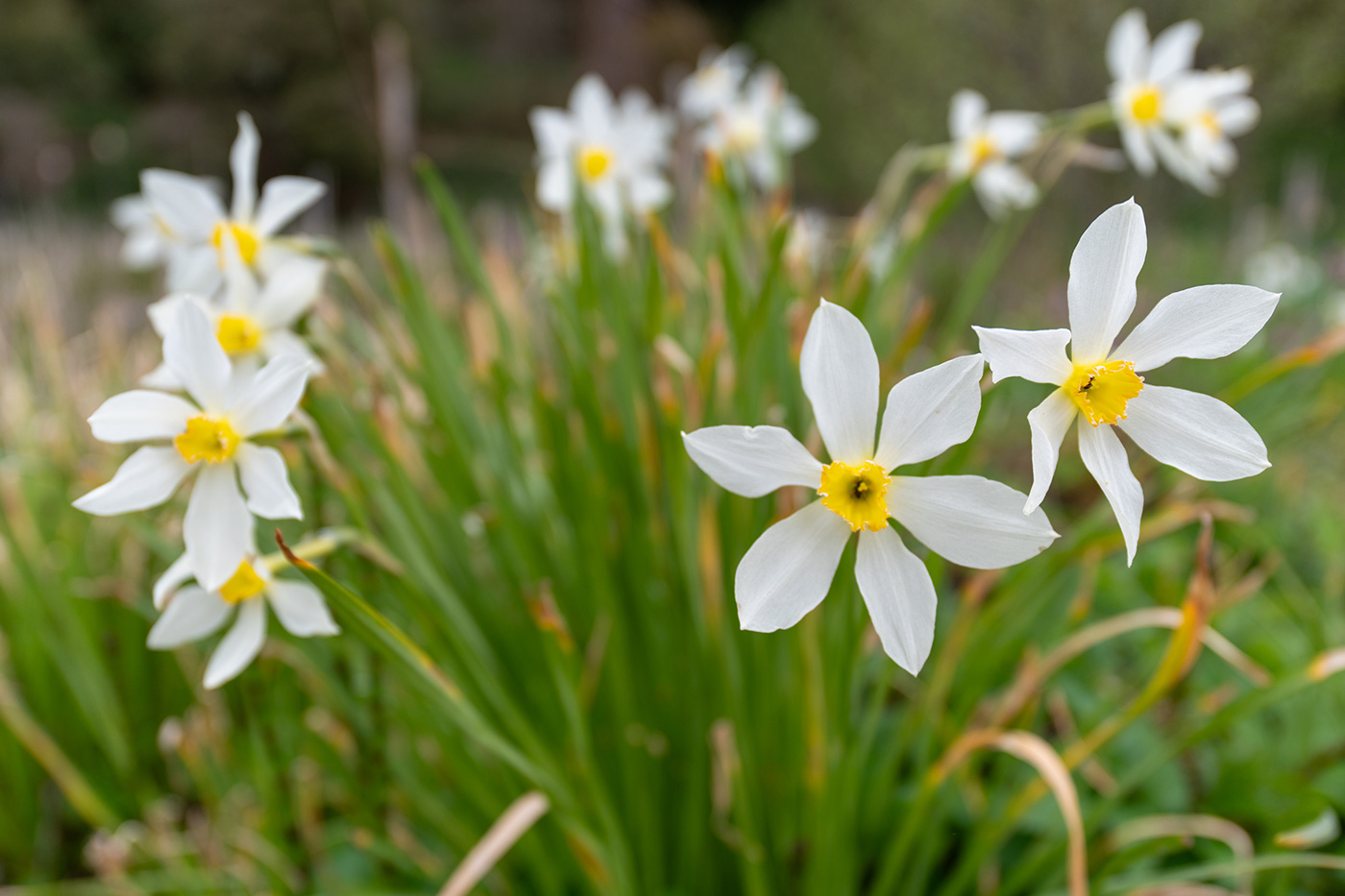
Sample 07 @28.5. Settings: f/4. 1/500sec. ISO 100
Is it well made?
Despite being extremely lightweight and made from plastic, it feels quite dense, and is suitably solid and well balanced on a full-frame camera body. It does have a rubber ring around the mount, and sealing diagrams show extensive weather seals applied throughout.
If you are a hybrid shooter or video-first creator looking for an ultra-wide zoom with power zoom functionality, this is without question a good option. It is lightweight for all-day shooting, retains balance with an internal zooming mechanism, and is compatible with subject recognition and tracking.
Optical flaws are relatively minor and won't be too noticeable in video footage, and it resolves any current sensor on the market with ease. The power zoom is a great way to create establishing shots and similarly smooth video sequences, with versatile control from the barrel, a camera body, or the app.
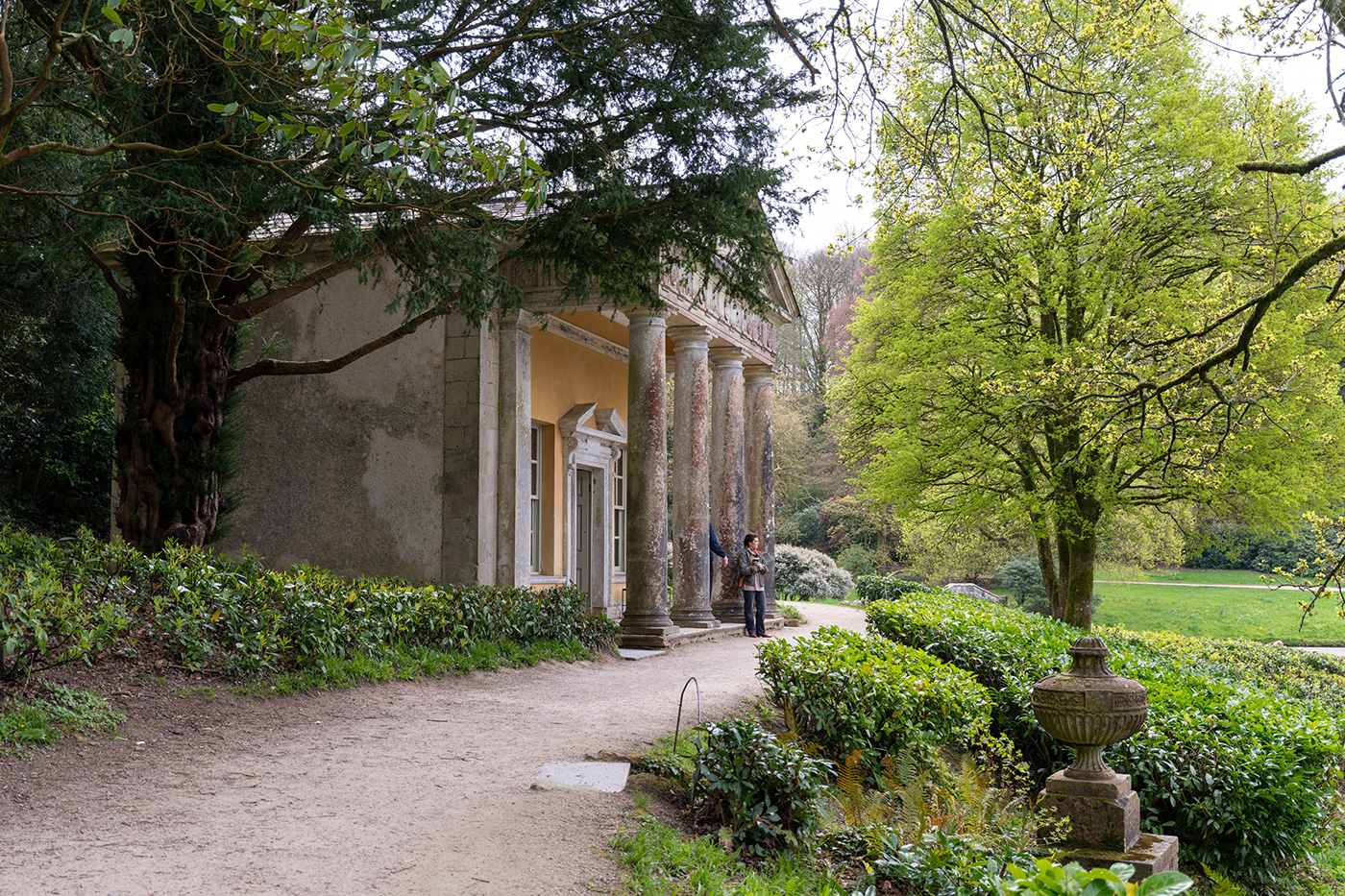
Sample 08 @35 mm. Settings: f/4. 1/250 sec. ISO 160
On the other hand, for stills-only photography I would consider the excellent Sigma 16-28mm f/2.8 DG DN Contemporary for Sony E, which costs just £728.00 brand new. Alternatively, a used Tamron 17-28mm f/2.8 Di III RXD for E Mount can be found on the second-hand market from around £429.00. Both are aimed at photographers and offer excellent image quality, comparable ultra-wide ranges, and relatively lightweight designs.
Head over to the used Sony lens department to explore a variety of options for stills and video, or reserve a used Sony FE PZ 16-35mm f/4 G to explore ultra wide stills and video in more detail.
Share this post:
By Nick Dautlich on 18/05/2026

Nick Dautlich
Senior Content Writer and Product Reviewer
Nick Dautlich is the Senior Content Writer and Product Reviewer at Park Cameras, with over 15 years of photography experience. A Sony Imaging Professional and expert reviewer, Nick has worked with major brands such as Canon, Sony and Nikon. His work is also featured on Vanguard World UK’s website, Capture Landscapes, and Shutter Evolve. Nick’s photography includes National Trust projects and magazine covers and he is passionate about landscapes and storytelling. Nick also enjoys hiking and teaching his children about nature. Learn more on his profile page.
Trade in your old equipment
Fast and easy trade in service ensures your old gear is collected efficiently and you are paid quickly! It's very simple to trade in your unwanted photography gear. Just head over to our dedicated Sell or Part Exchange page, fill out the details, and we'll get back to you with an offer for your old gear. Take the cash, or put it towards the cost of your new gear. It's up to you! Find out more
sign up to the newsletter
Keep up to date on the latest photography news, events and offers. Sign up now