- Call us 01444 237070

-
- Back
- Used Cameras
- Used Accessories
- Used Lenses
- Back
- Used Canon Lenses
- Used Nikon Lenses
- Used Fujifilm Lenses
- Used Sony Lenses
- Used Micro 4/3rds Lenses
- Used Leica Lenses
- Used Panasonic Lenses
- Used Pentax Lenses
- Used Samyang Lenses
- Used Sigma Lenses
- Used Tamron Lenses
- Used Tokina Lenses
- Used Voigtlander Lenses
- Used Zeiss Lenses
- Used Hasselblad Lenses
- Used Video
- Used Film Equipment
- Used Stock Alert
- Used Blank Test
- Sell or Part Exchange
- Used Clearance
- Recently Added Used Equipment
- Park Picks
- Faulty
- Trade-In
- Blog
- New in
- Call us
- Contact us
- Stores
- Sign in
- Categories
- Tips & Inspiration
- Reviews
- News
- Events
- Features
- Buying Guides
- Competitions
11 Essential Accessories for Wildlife Photography
If you’ve found this updated guide for 2026, you’ve probably already got the best wildlife camera and telephoto lens you need for this demanding subject. Choosing the best wildlife photography accessories can make a significant difference in the field and elevate your experience, help you get better images and extend your time enjoying nature.
Conversely, you might be missing shots or coming home early because you’ve not brought the right accessories for wildlife photography with you in the field.
That’s where Park Cameras comes in. We’re huge fans of wildlife photography and organise regular photography events where like-minded people come together to share their experiences, learn new skills and browse all of the latest equipment.
With that in mind, we’ve put together a list of 11 essential accessories for wildlife photography, including some which you may not have considered before. These are ideas based on real shooting situations, whether photographing birds from a hide, hiking woodland trails or heading to a wildlife reserve for a full day with a long lens.
So, without further ado, let’s get on with ideas that could transform how you capture photographs and videos of wildlife, whether you’re a beginner or more advanced.
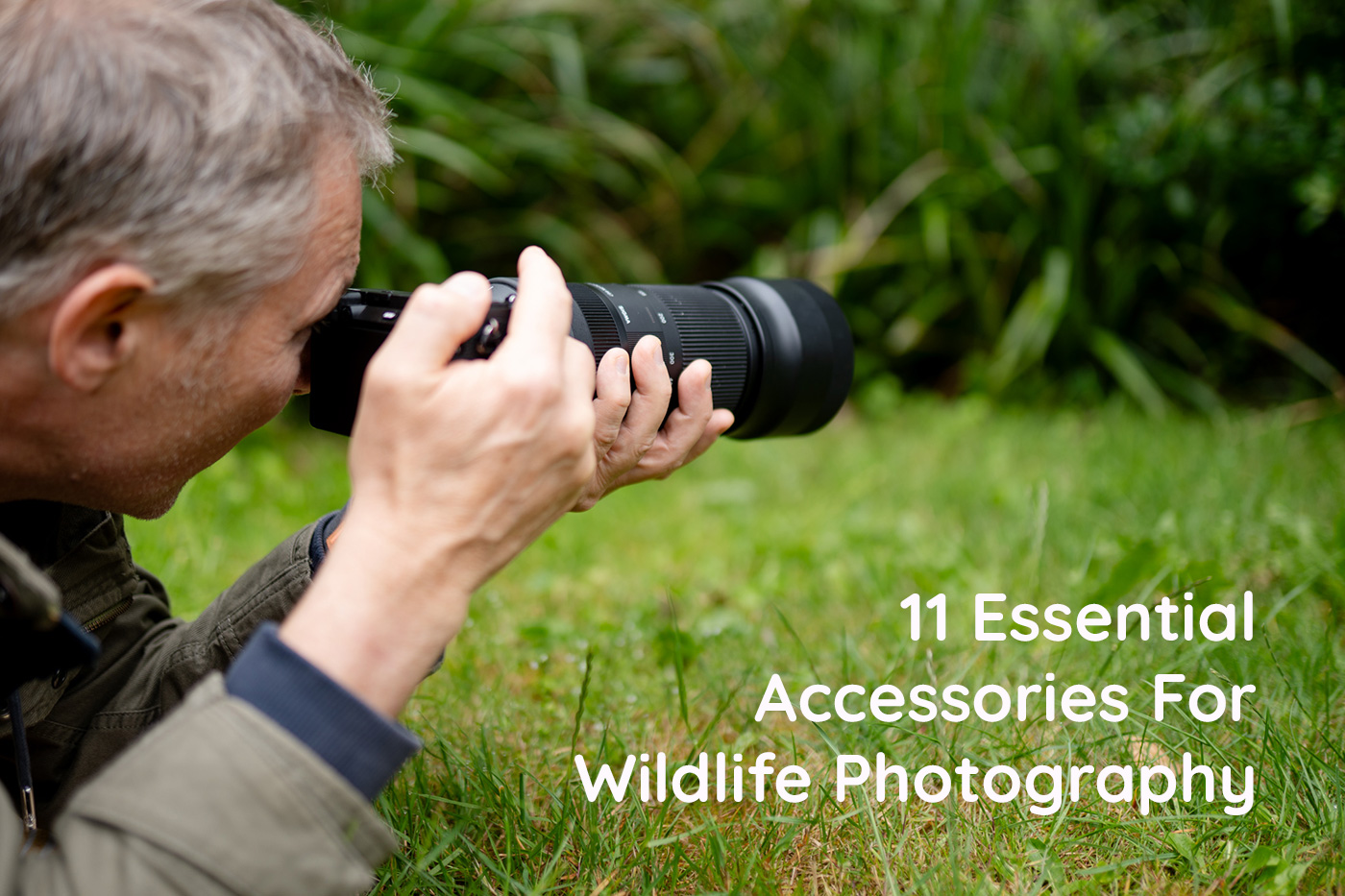
Table of contents
- Camera bags
- Tripods and monopods
- Gimbal heads
- Teleconverters
- Rain covers
- Lens covers
- Binoculars
- Slings and harnesses
- Memory cards and SSDs
- Batteries
- Cleaning kits
What is the best camera bag for wildlife photography?
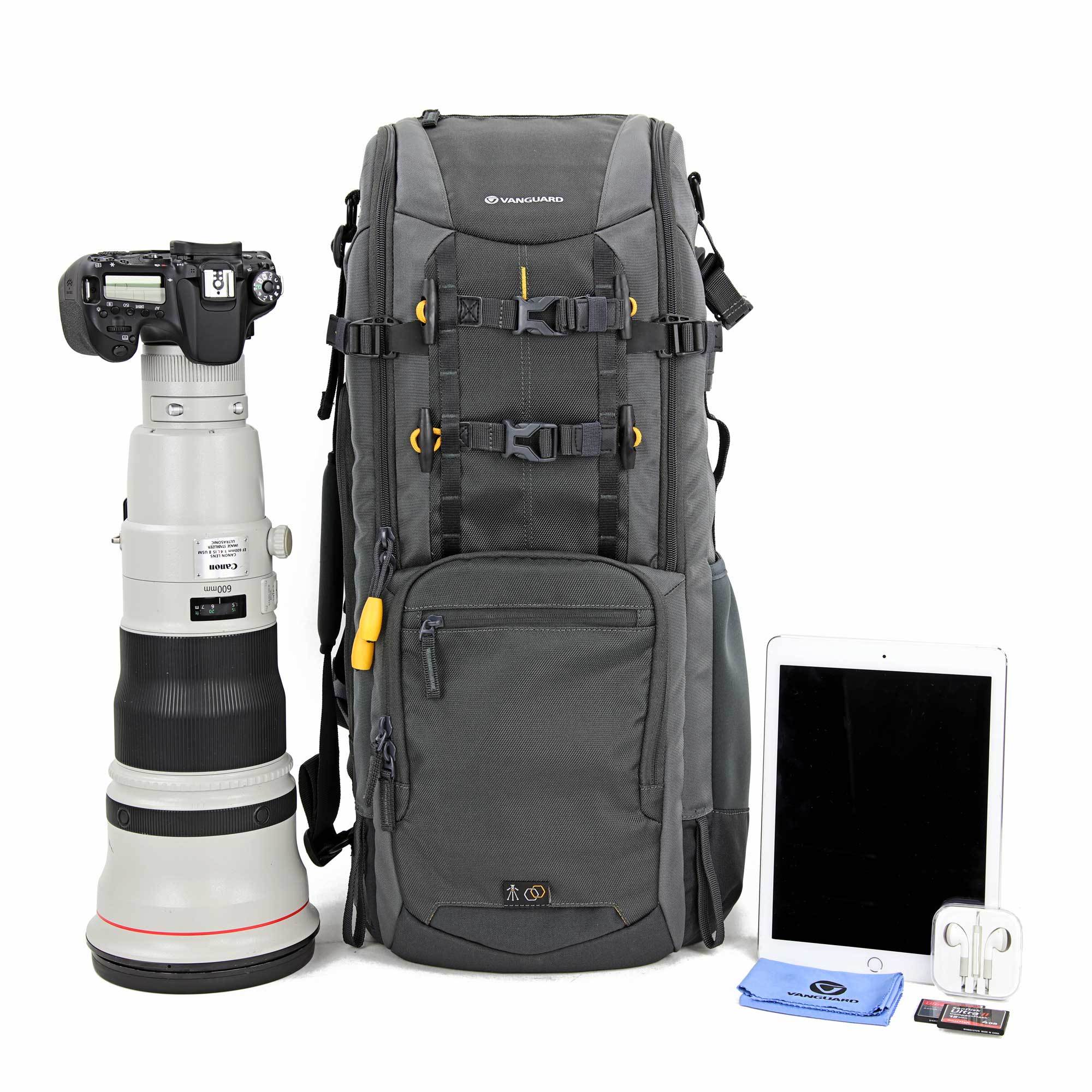
Typically, wildlife photographers carry a camera plus at least one super telephoto lens, along with a lot of other equipment to help them get the shot and stay in the field for longer. That means hauling large, heavy loads, which requires a suitable, durable camera backpack.
There are plenty of options, including specific long lens backpacks, such as the Vanguard Alta Sky 66 Long Lens Backpack and Think Tank BackLight Long Lens Backpack. Both accommodate wildlife lenses as well as a handful of other equipment you’ll need.
But what if you want to pack extra clothing, a gimbal, tripod and a lot more useful gear? In that case, consider these recommended modular camera backpacks for wildlife, allowing you to customise the layout as required.
- Shimoda Action X50 V2 Backpack Black or Action X70 HD Backpack (also available in other colours). These are beasts, and when you add an optional core unit such as the Extra Large DV V2 Core Unit (for the X70) or Large DSLR V3 Core Unit (for X50), you get the perfect customisable camera backpack for wildlife. Our Shimoda Core Unit Compatibility Guide has everything you need to know about mixing and matching this modular setup.
- Lowepro Pro Trekker BP 650 AW II. Everyone knows Lowepro, and this pack holds up to an 800mm long lens, which caters to almost any setup. Additionally, you have a whopping 43 litres of storage and the bag is almost entirely made from recycled fabrics, which can only be a good thing in our book. While less modular, it’s certainly no less rugged, choose this for sheer volume.
- PGYTECH OneMo Tactical Backpack 35L Dark Night Camo. If you want something more compact yet still holds a 400mm f/2.8 and is ultra-tough, this could be the one. It boasts a novel suspension system, adjustable back length and lots of comfort features to help you stay in the field longer, which is best for longer hikes.
That’s your carry sorted, but how about stability to help support that extra long lens?
Do you need a tripod or monopod for wildlife photography?
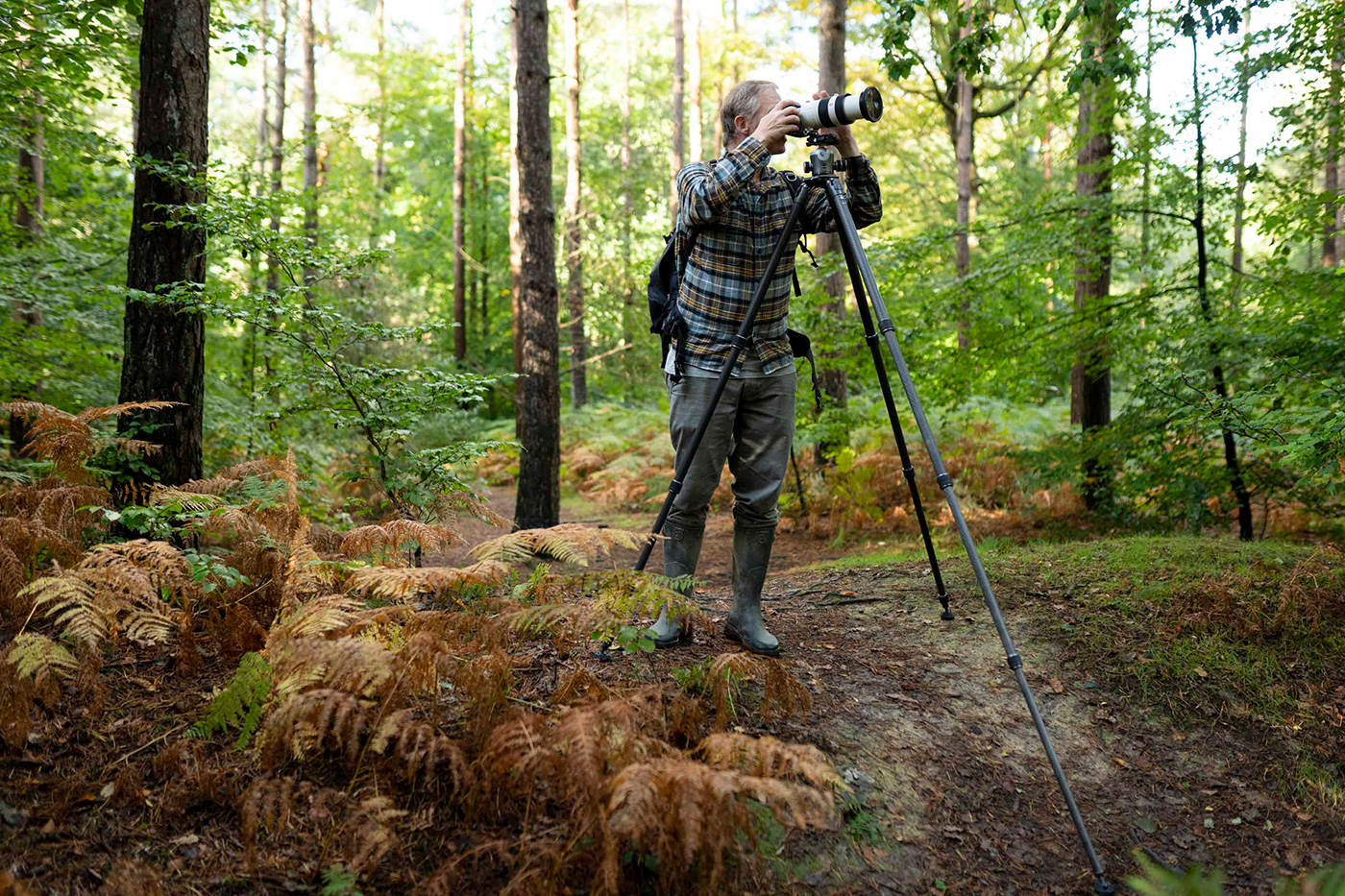
Although they can be cumbersome, there’s no doubt a tripod is useful for wildlife, especially if remaining in locations for extended periods. A tripod offers stability for long lenses, and even the strongest photographer will eventually fatigue. The chances are the moment you put your camera down for a rest, that’s precisely when the action happens.
A monopod on the other hand, is lighter, quicker to set up and easier to manoeuvre to recompose or follow your subject. Naturally, both options have their pros and cons, but having the right support in the field can make the difference between capturing the moment or missing it. A tripod is best for stability when stationary, while a monopod is better for mobility when tracking moving wildlife.
A few factors determine what makes the best tripod for wildlife photography. For example, some models like the 3 Legged Thing Pro 2.0 Winston Tripod convert between three legs and one, so you have a built-in monopod, which could be very useful. Other factors include safety payload, stability and maximum height.
Our Video And Photography Tripod Guide goes into lots of detail on how to choose the best model for your needs. However, we’ve collated some recommendations below, exclusively for wildlife:
- The Gitzo GT5543LS is the Rolls Royce of tripods, setting a benchmark for stability, rigidity and expandability, though this all comes at a cost. There are plenty of other Systematic Series tripods which are also suitable, including an XL tall model, which I was fortunate to test for my Gitzo Systematic Series 3 Tripod Review. Choose these for static shooting, stability and the heaviest loads.
- The Peak Design Pro Tripod launched recently. This benefits from a new leg design shape, providing greater stability and a higher payload while still being quick to set up and very portable. This falls into the mid-range category, catering to photographers who shoot with long, heavy lenses, but also like to travel and stay relatively mobile.
- The Manfrotto ONE Photo Aluminium Tripod is a more budget-friendly option to consider for wildlife, combining the benefits of aluminium with Manfrotto’s latest support technology. If you’re on a tighter budget, this still features a 12kg payload, which is suitable for most users.
- Lastly the Benro SUPADUPA monopod is the most portable option, yet still offers an impressive 40kg safety payload, tall fully extended height and rotating foot design. If using a monopod, remember to always keep it firmly balanced to avoid toppling over when fully loaded.
Once you have legs sorted, you need a suitable head for wildlife, which we explore next.
What tripod head is best for birds and wildlife?
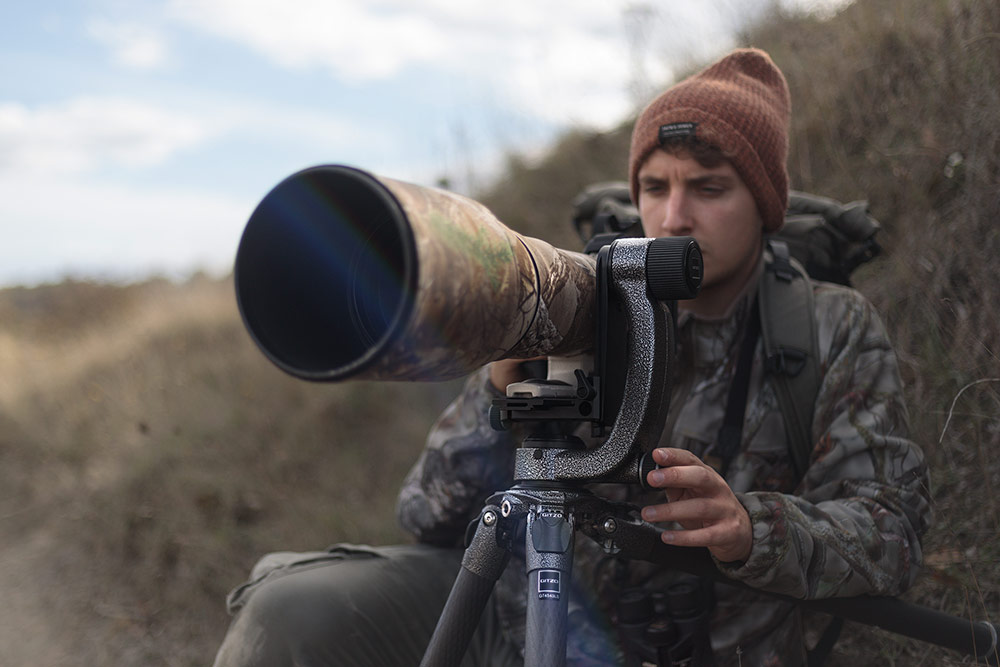
Having picked out tripod legs (or a single leg), you’ll need a suitable tripod head for wildlife photography. A gimbal head is often preferred, allowing for effortless balance regardless of lens weight, with smooth movement in any direction to track your subject.
The trade-off is size and weight, as gimbal heads are generally far larger and heavier than a ball head or 3-way pan head, which are the primary alternatives. Although more compact, especially for travel, these heads are trickier to move smoothly under very heavy loads, making it easier to lose composition when tracking fast-moving subjects.
Choosing carbon fibre over aluminium can help reduce the weight of your wildlife head, but generally costs more.
The Benro GH5C Mini Carbon Fibre Gimbal Head strikes a good balance between price, weight and maximum load capacity, whereas the Sirui PH-20 Carbon Fibre Gimbal Head offers the benefits of carbon at a far lower entry point. Smoothness of movement and ease of balancing are often affected by how much you spend.
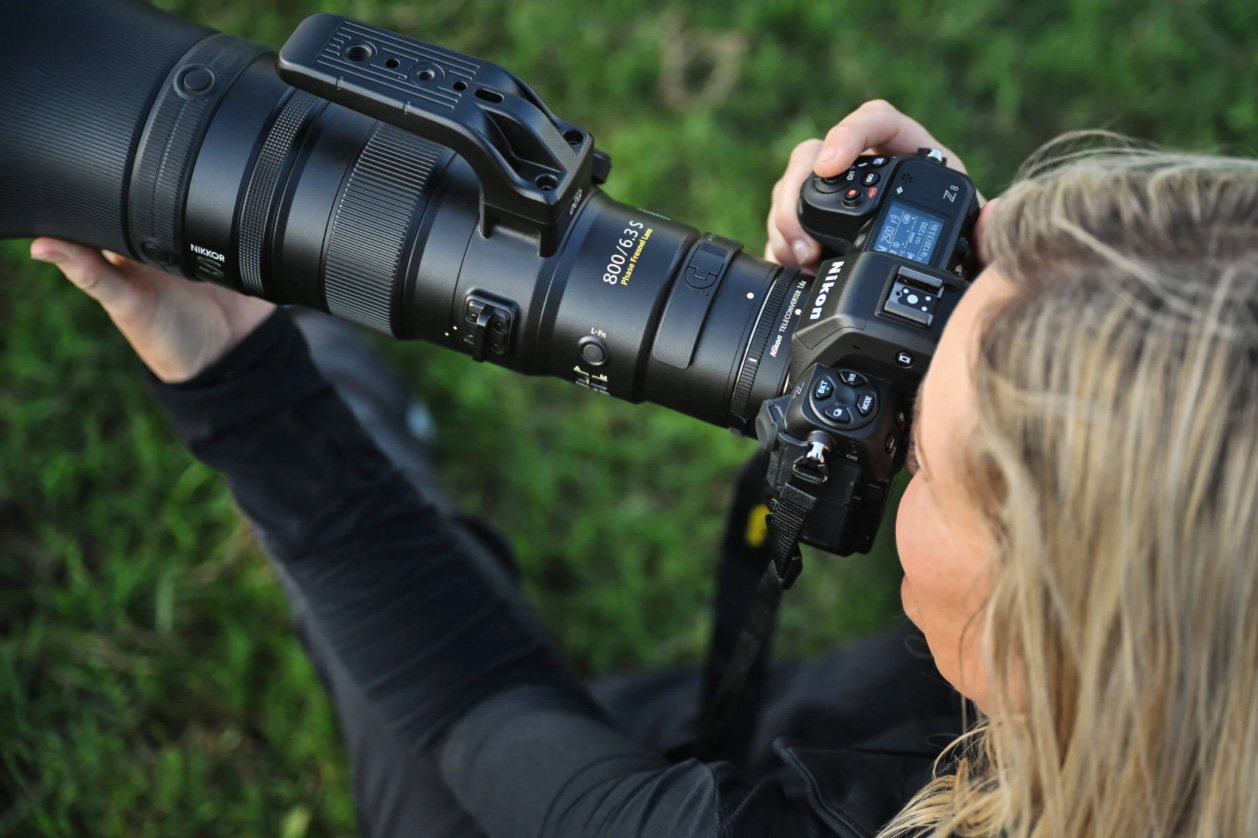
Is a teleconverter worth having in your wildlife kit?
Another long-standing debate among bird and wildlife photographers is whether a teleconverter ruins images or is actually worth using to extend focal length. As a rule of thumb, if you’re printing photos and have a high-quality, fast aperture super telephoto lens, a teleconverter is a very useful camera accessory.
When using a high-end lens in good light, a teleconverter can be a very effective way to bring your subject closer in the frame.
On the other hand, if you’re using a slower variable aperture super telephoto zoom, or simply creating images for screen use, cropping into the image can be just as effective, if not more so. The 1 or 2 stop loss of light caused by a TC isn’t as relevant these days as cameras are so effective at low light focusing and noise control; however, you may notice a loss of sharpness with an entry-level lens.
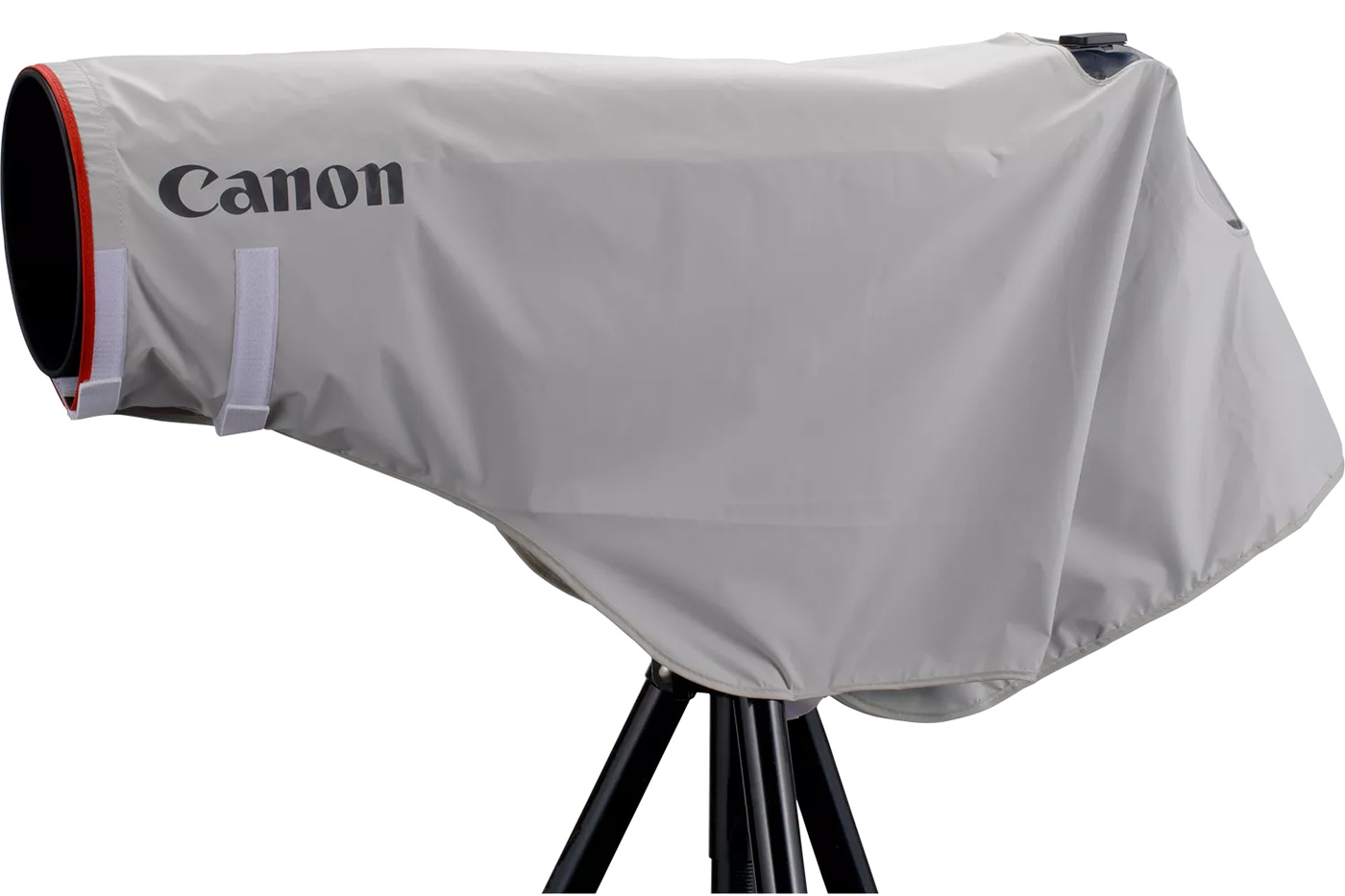
Is a camera rain cover necessary?
Although photographing nature in poor conditions sounds unappealing, the reality is we get plenty of rain, and many of the most evocative wildlife photographs feature atmospheric conditions, with rain droplets, mist and so on. A camera rain cover is essential during downpours, regardless of how weather-resistant your equipment is.
For light rain or short periods, a cover isn’t usually needed, but in heavy rain or prolonged damp conditions it helps protect your camera and lens long term. Choose a cover that fits your equipment size and keep it in your camera bag for those soggy moments.
This leads us neatly onto the next recommended accessory, a camo cover for your lens.
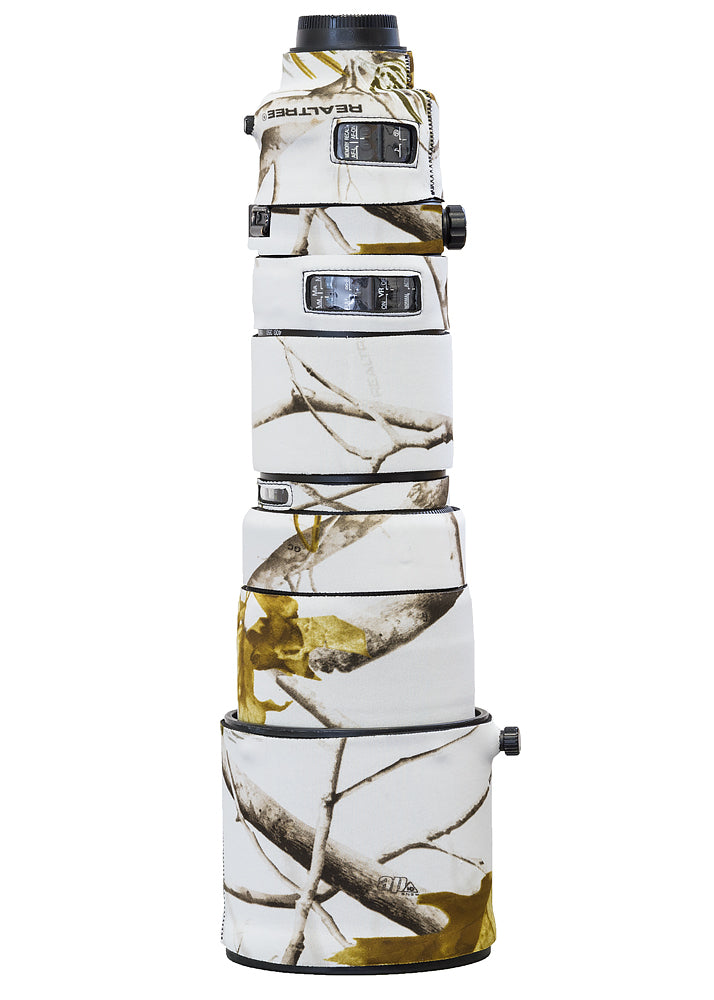
What are lens covers, lens skins, or neoprene lens covers?
A lens cover is usually a neoprene cover made for a specific telephoto lens, which typically comes in camo patterns like Realtree, Mossy Oak, or olive green to help you blend in with the environment. They also protect against minor knocks, scratches and the weather, adding to their overall usefulness.
Many manufacturers produce bright white super telephoto lenses to help reflect heat during sporting events. However, this can make wildlife photographers stand out against natural surroundings, so using a cover can be a good idea, and many photographers leave one on permanently.
Park Cameras carries the brand easyCover, which has an option for almost every popular super telephoto lens, whether shooting with Canon, Sony, Nikon or most others. Choose the corresponding cover for your lens to ensure a snug, protective fit.
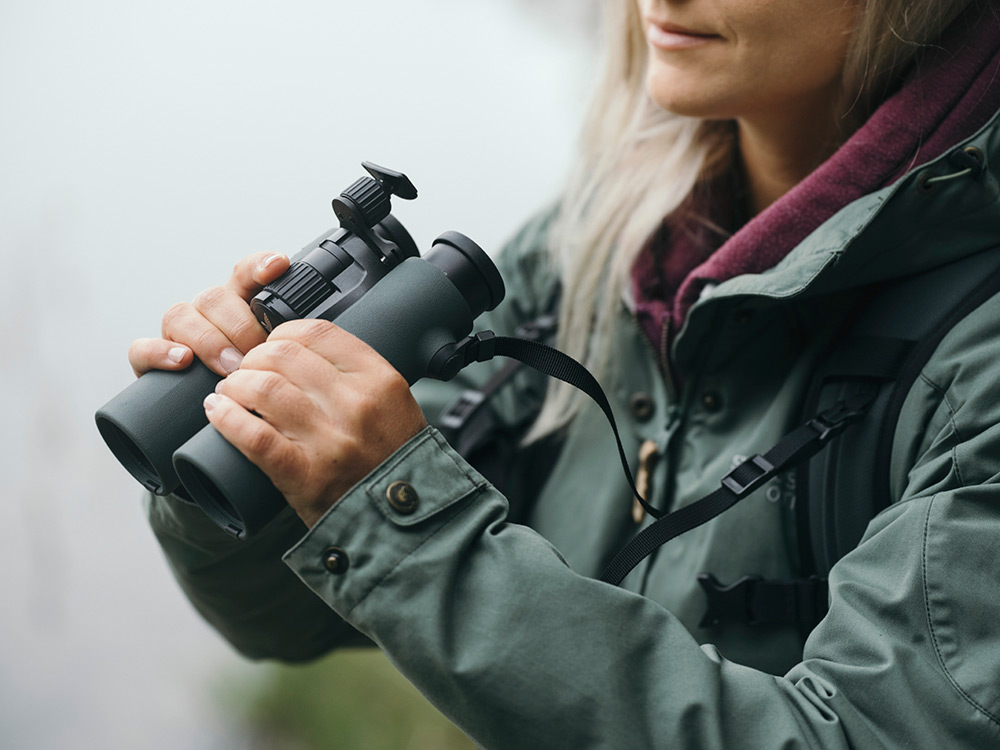
Are binoculars useful for wildlife photography?
For serious wildlife photography, a pair of binoculars or a spotting scope are considered essential. Photographers use these to locate and identify subjects that are too distant to see clearly with the naked eye. They help you remain non-intrusive whether in a forest, on foot or waiting in a hide.
Many wildlife photographers learn their subject’s habitat and behaviour to improve their chances of getting the shot, and optics can help with this. Conversely, if you’re heading out briefly or want to stay as agile as possible, you may choose to leave them at home.
With so many options available, our Best binoculars for nature viewing guide offers more detailed advice to help you choose. For the purposes of this post, however, I’d recommend a lightweight, weather-resistant pair of binoculars, which are simple to carry and offer the right magnification for your most popular sites. This means higher magnification for open landscapes, and lower (or wider) for woodland and closer subjects.
Now you’ve added another item to your wildlife kit, you may need more than a single backpack to carry everything and ensure it’s always accessible. That’s what we explore next.
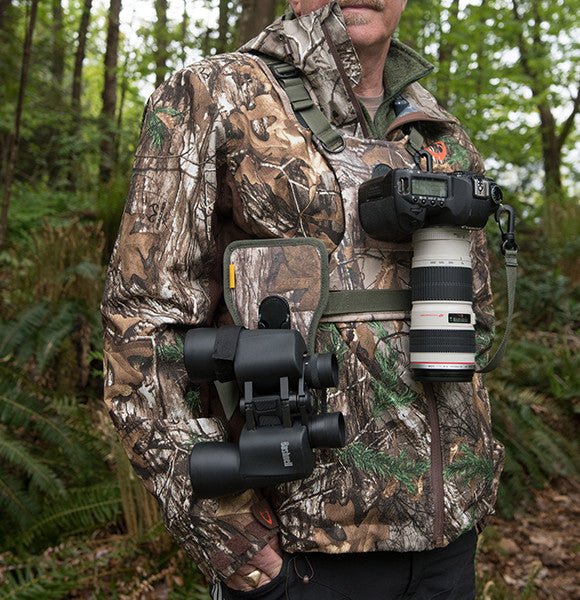
The best sling and harness carry systems for wildlife
Staying comfortable while keeping your camera ready to shoot can be a challenge for wildlife photography, especially when using longer lenses. Having your camera accessible rather than packed away in a bag often makes the difference between getting a shot or missing it.
That’s where a sling or harness system such as the Cotton Carrier G3 Camera And Bino Harness Camo comes in, which allows you to carry your camera, binoculars and more comfortably while keeping your hands free.
For a lighter setup, choose the Optech Dual Harness, which offers dual camera and binocular carry, helping to spread weight more evenly while still providing instant access to gear.
Do you need fast memory cards for burst shooting?
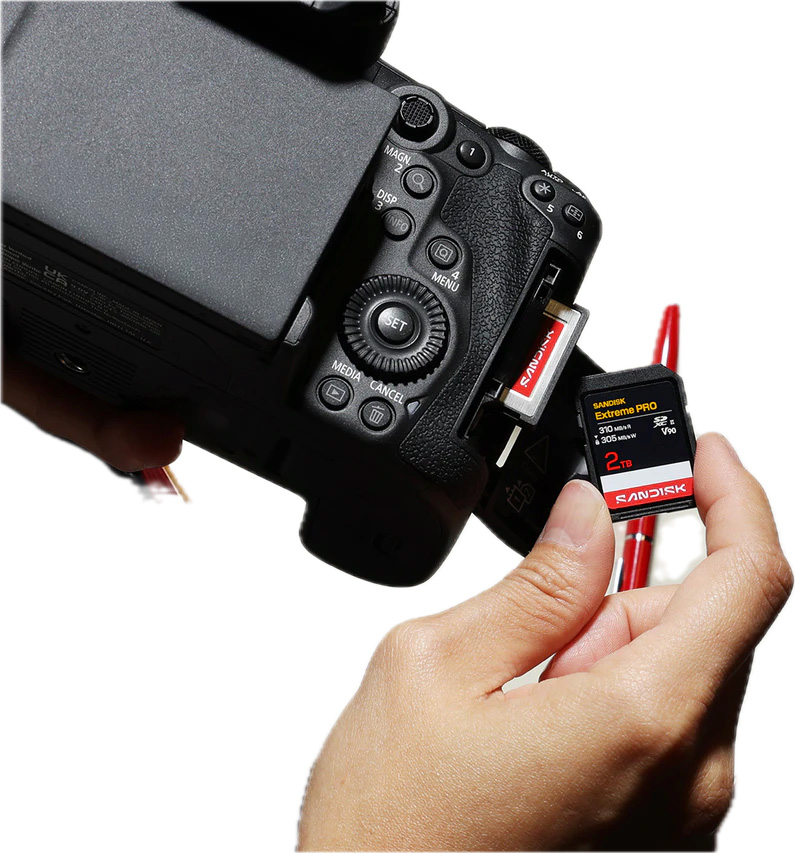
Wildlife is a demanding subject, which often requires continuous burst shooting at high speed in order to capture one or two decisive frames that include all of the desirable elements. That’s where a fast memory card pays off, writing more quickly than a slower card, especially with high-resolution images.
Using slow memory cards can result in the camera buffer filling more quickly causing delays between bursts and missing shots while you sit waiting for it to clear.
Choosing memory cards is a bit of a minefield and comes down to your camera’s memory slots and speed capacity. Our Memory Cards Explained guide has lots of useful information to help you choose the right card for your particular setup. It’s recommended to have enough capacity as well as suitable speeds, which typically means bringing two or three memory cards depending on how long you’re out in the field.
I’m not a big fan of the term game-changer, but the video below highlights how to back up data in the field with an external portable SSD drive and a card reader by simply using your phone. That’s a definite win for wildlife photographers.
Check Out Our Video On How To Shoot Wildlife Photography On A Budget
How many camera batteries do you need?
Just as with memory cards, it’s worth carrying enough spare camera batteries to last a full day of wildlife photography. This will vary between cameras, as each model has different power requirements and battery life.
Typically, I’ll bring three Sony NP-FZ100 batteries to comfortably shoot all day without worrying about running out of power, with each lasting around three to four hours, or roughly 1,000 shots. You might consider bringing a power bank if you’re camping out for multiple days in the field, but on a single-day trip this is often more cumbersome than just carrying spare batteries.
That brings us to the final recommendation, which is a camera and lens cleaning kit. While less glamorous than other accessories, wet, muddy or dusty equipment can lead to reduced image quality or ruined shots, especially when moisture or dirt builds up on the front lens element.
A portable kit with a case like the ZEISS Lens Cleaning Kit or VSGO Camera Lens And Sensor Cleaning Portable Kit will fit neatly into your backpack, ready for use.
Wildlife photography isn’t just about having the best camera and lens. It’s also the small details around it, such as how you carry your gear, how long you can stay out while remaining comfortable, and whether you’re ready when something decisive happens.
The more you spend long days and nights in the field, the more you begin to appreciate even the smallest quality-of-life improvements. Browse our comprehensive range of camera accessories, lens accessories and camera backpacks to put together the best kit for your next wildlife adventure.
Over the years, Nick has written a number of related guides covering wildlife photography equipment and real-world use. These include budget wildlife photography setups for Canon, Sony and Fujifilm, along with a hands-on Canon RF 75-300mm F/4-5.6 Lens Review for wildlife. He has also explored the OM System OM-1 Mark II For Birds And Wildlife and created the Ultimate Guide To Nikon Z Super Telephoto Lenses, which covers many related topics.
Share this post:
By Nick Dautlich on 14/04/2026

Nick Dautlich
Senior Content Writer and Product Reviewer
Nick Dautlich is the Senior Content Writer and Product Reviewer at Park Cameras, with over 15 years of photography experience. A Sony Imaging Professional and expert reviewer, Nick has worked with major brands such as Canon, Sony and Nikon. His work is also featured on Vanguard World UK’s website, Capture Landscapes, and Shutter Evolve. Nick’s photography includes National Trust projects and magazine covers and he is passionate about landscapes and storytelling. Nick also enjoys hiking and teaching his children about nature. Learn more on his profile page.
Trade in your old equipment
Fast and easy trade in service ensures your old gear is collected efficiently and you are paid quickly! It's very simple to trade in your unwanted photography gear. Just head over to our dedicated Sell or Part Exchange page, fill out the details, and we'll get back to you with an offer for your old gear. Take the cash, or put it towards the cost of your new gear. It's up to you! Find out more
sign up to the newsletter
Keep up to date on the latest photography news, events and offers. Sign up now