- Call us 01444 237070

-
- Back
- Used Cameras
- Used Accessories
- Used Lenses
- Back
- Used Canon Lenses
- Used Nikon Lenses
- Used Fujifilm Lenses
- Used Sony Lenses
- Used Micro 4/3rds Lenses
- Used Leica Lenses
- Used Panasonic Lenses
- Used Pentax Lenses
- Used Samyang Lenses
- Used Sigma Lenses
- Used Tamron Lenses
- Used Tokina Lenses
- Used Voigtlander Lenses
- Used Zeiss Lenses
- Used Hasselblad Lenses
- Used Video
- Used Film Equipment
- Used Stock Alert
- Used Blank Test
- Sell or Part Exchange
- Used Clearance
- Recently Added Used Equipment
- Park Picks
- Faulty
- Trade-In
- Blog
- New in
- Call us
- Contact us
- Stores
- Sign in
- Categories
- Tips & Inspiration
- Reviews
- News
- Events
- Features
- Buying Guides
- Competitions
Sony A7R VI Hands-On Can It Do Everything
Ten days. One camera. Can it do it all?
ℹ️ Right click to popup images and get a closer look.
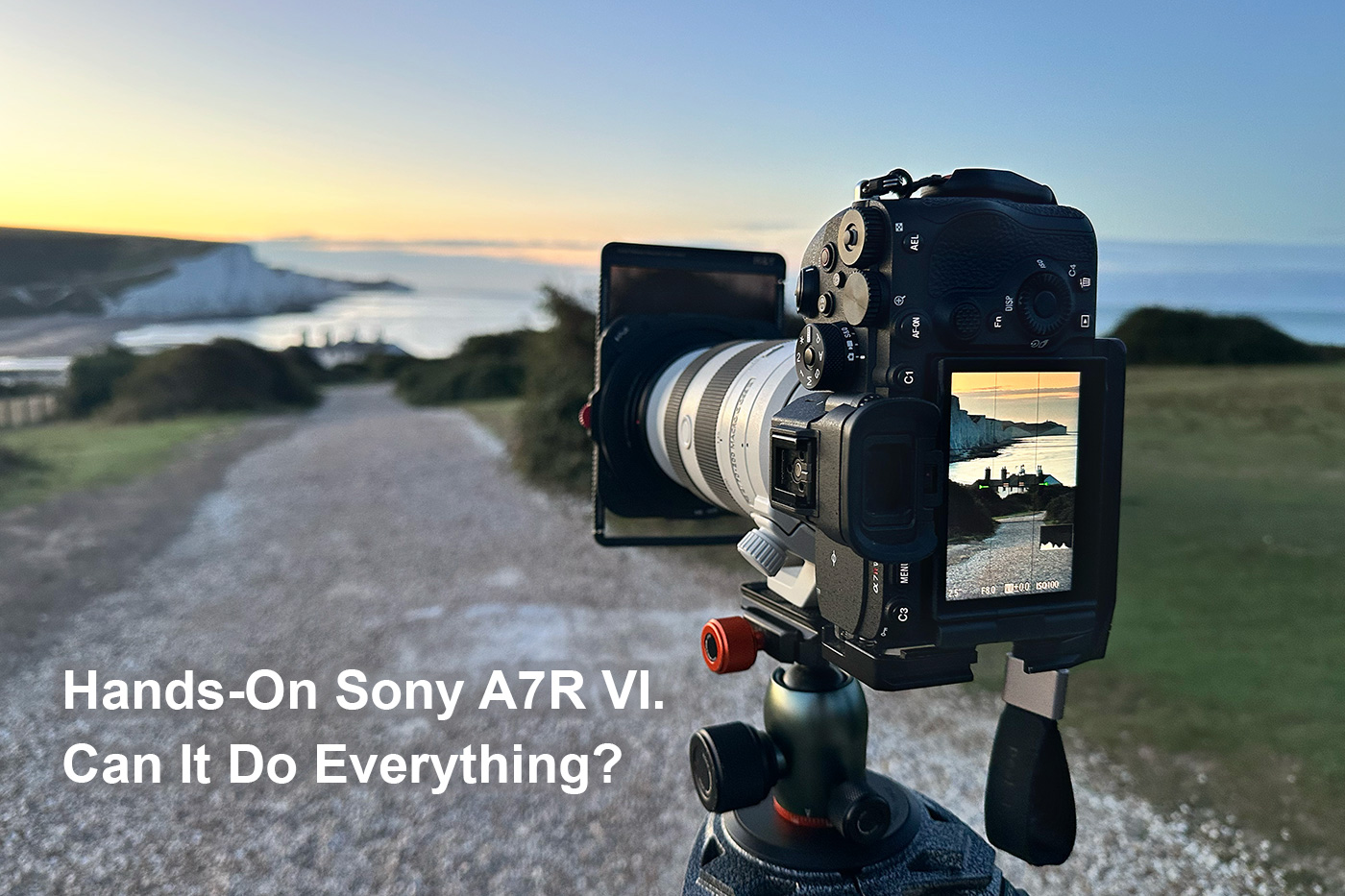
I was fortunate to spend 10 days shooting with the Sony A7R VI, and put together this buying guide based on my experiences. It’s intended for anyone considering upgrading to the flagship full-frame high-resolution camera.
With no specific shot list in mind, I used it across a variety of genres to see how the upgrades affect everyday performance compared to my own A7R V. I chased bees through gardens, tracked ducks on ponds, shot editorial and naturally lit portraits, wandered the streets, and even shot the moon. Most of this was done using the Sony FE 70-200mm F4 Macro G OSS II Lens and FE 85mm F/1.4 GM II, plus my own FE 100-400mm F/4.5-5.6 GM OSS.
Can it do everything? Find out where it excels, what it’s best for and why you might want to upgrade in this buying guide. We’ve even created an interactive selector so you can see how it stacks up for the genres you shoot most often, along with suggested alternatives from the Alpha lineup.

Sample 01 Close-up of purple viper’s bugloss flowers. FE 70-200mm F4 Macro G OSS II at 200mm. Settings: 1/1000 sec. f/4.0. ISO 2500
Interactive buying guide
Not every photographer needs the same things, so start here. Pick your main genre from the dropdown below and see which upgrades benefit what you shoot, and where another Alpha might be worth considering.
Choose a genre to see which A7R VI improvements are most relevant.
Wildlife
Major BenefitsHigh resolution now comes with the speed and subject tracking needed for unpredictable wildlife.
Most Relevant Improvements
- Recognition AF+ Major
- 30fps and Pre-Capture Major
- Faster sensor readout Major
- 66.8MP crop flexibility Significant
- Improved IBIS Useful
Why
- More freedom to crop.
- Pre-Capture and 30fps help with unpredictable movement.
- Our duck and flying bee images put detail and action to work.
Alternatives
Budget: Sony A6700 – 26MP APS-C with extra reach and modern subject recognition.
Specialist: Sony A1 II – 50.1MP stacked performance for demanding professional action.
Worth Knowing: Long bursts of 66.8MP images demand fast cards, plenty of storage and enough battery capacity for a long day.
Sports and Action
Significant BenefitsThe A7R VI is dramatically more capable with action, although Sony still has more specialised sports bodies.
Most Relevant Improvements
- 30fps and Pre-Capture Major
- Faster sensor readout Major
- Recognition AF+ Significant
- Blackout-free shooting Significant
- 66.8MP crop flexibility Useful
Why
- Three times the A7R V's maximum burst rate.
- Pre-Capture helps with capturing fleeting moments.
- High resolution leaves unusual cropping freedom for action.
Alternatives
Value: Sony A7 V – 33MP and up to 30fps from a partially stacked sensor.
Specialist: Sony A9 III – global shutter and up to 120fps when outright action performance takes priority over resolution.
Worth Knowing: The VI's sensor is much faster than the V's, but it isn't a global-shutter sports sensor.
Landscape and Astro
Targeted BenefitsExceptional image quality remains the attraction, but many of the VI's biggest advances are aimed at faster subjects.
Most Relevant Improvements
- 66.8MP resolution Significant
- Extended NR processing Useful
- Improved EVF Useful
- Illuminated controls Useful
- Faster sensor readout Minor
Why
- Resolution rises, although modestly from the A7R V.
- Mechanical and EFCS shooting extract exceptionally strong dynamic range.
- Our landscape and lunar images give us genuine high-detail examples.
Alternatives
Value: Sony A7R V – still an excellent option if static high-resolution photography dominates.
Compact: Sony A7CR – 61MP in a smaller, lighter full-frame body.
Worth Knowing: The VI's dynamic-range advantage over the V is relatively subtle in real-world photography.
Portrait and Studio
Targeted BenefitsSuperb detail and improved recognition are compelling, but studio photographers gain less from the headline speed.
Most Relevant Improvements
- 66.8MP resolution Significant
- Recognition AF+ Significant
- Improved IBIS and handling Useful
- Improved Auto White Balance Useful
- Faster sensor readout Minor
Why
- Extremely detailed files for retouching and large output.
- Better recognition helps with moving and less formal portraits.
- Our close portrait gives us a strong real-world detail example.
Alternative
Value: Sony A7R IV or Sony A7R V – 61MP remains extremely capable for controlled portrait and studio work.
Fashion and Editorial
Significant BenefitsResolution, stronger subject recognition and newfound speed make the VI unusually flexible from controlled fashion to moving editorial subjects.
Most Relevant Improvements
- Recognition AF+ Significant
- 66.8MP crop flexibility Significant
- Wireless transfer and tethering Significant
- 30fps and Pre-Capture Useful
- Improved IBIS and handling Useful
Why
- High resolution allows one frame to support different editorial crops.
- Better tracking becomes useful when subjects start moving.
- Faster wireless transfer supports quicker delivery on location.
Alternatives
Value: Sony A7R V – a strong choice where most work is controlled.
Action-led: Sony A1 II – for fashion that increasingly overlaps with fast movement and demanding production.
Weddings and Events
Significant BenefitsFaster silent shooting, improved tracking and high resolution make the VI considerably more versatile for unpredictable event work.
Most Relevant Improvements
- Faster sensor readout Major
- Recognition AF+ Significant
- 30fps and Pre-Capture Significant
- 66.8MP crop flexibility Useful
- Improved IBIS Useful
Why
- Electronic shooting is far more practical than on the A7R V.
- Recognition AF+ helps when people overlap or move through a scene.
- High resolution provides valuable reframing latitude.
Alternatives
Value and workflow: Sony A7 V – 33MP reduces the data burden while retaining up to 30fps.
Professional: Sony A1 II – high resolution with a more action-orientated stacked implementation.
Worth Knowing: A full wedding at 66.8MP can substantially increase storage and processing demands.
Street and Travel
Targeted BenefitsFaster electronic shooting and huge cropping freedom are useful, but there are smaller Sony bodies for photographers who prioritise portability.
Most Relevant Improvements
- Faster sensor readout Significant
- 66.8MP crop flexibility Significant
- Recognition AF+ Useful
- Improved IBIS Useful
- 30fps and Pre-Capture Minor
Why
- Cropping can give one compact prime more flexibility.
- Faster readout makes quiet electronic shooting more useful with movement.
- Our café and street images show the camera in uncontrolled everyday scenes.
Alternative
Compact: Sony A7CR – 61MP full-frame resolution in a smaller, lighter body.
Macro and Nature
Significant BenefitsHigh resolution, stronger stabilisation and much greater speed make the VI particularly flexible for both static details and moving insects.
Most Relevant Improvements
- 66.8MP crop flexibility Major
- Improved IBIS Significant
- Recognition AF+ Significant
- 30fps and Pre-Capture Significant
- Faster sensor readout Useful
Why
- Cropping is particularly valuable with small subjects.
- Stabilisation helps handheld close-up work.
- Our butterfly and flying bee images demonstrate both sides of the proposition.
Alternative
Value: Sony A7R V – excellent where subjects are predominantly static.
Commercial and E-commerce
Incremental BenefitsImage quality is exceptional, but speed-led VI improvements add relatively little to controlled product photography.
Most Relevant Improvements
- 66.8MP resolution Useful
- Extended Hi-Res to approx. 270MP Useful
- Improved IBIS Minor
- Recognition AF+ Minor
- Faster sensor readout Minor
Why
- Extremely detailed files suit large product assets and close crops.
- Controlled subjects rarely exploit 30fps or Pre-Capture.
- Most web output does not require the VI's full resolution.
Alternative
Value: Sony A7C II – 33MP full-frame files are ample for most web and e-commerce output without the VI's resolution overhead.
Architecture and Real Estate
Targeted BenefitsResolution and image-quality refinements help, but the VI's major speed advances have limited relevance to static interiors and architecture.
Most Relevant Improvements
- 66.8MP resolution Significant
- Up to 16-stop dynamic range Useful
- Improved EVF Useful
- Faster sensor readout Minor
Why
- Resolution gives latitude for perspective correction and cropping.
- Strong mechanical-shutter dynamic range suits high-contrast interiors.
- Speed is rarely the reason to choose the VI here.
Alternative
Value: Sony A7R V – 61MP remains extremely capable for static high-resolution work.
Documentary and Photojournalism
Significant BenefitsThe stacked sensor turns the high-resolution R-series concept into a much more responsive camera for unpredictable real-world situations.
Most Relevant Improvements
- Faster sensor readout Major
- Recognition AF+ Significant
- 30fps and Pre-Capture Significant
- 66.8MP crop flexibility Significant
- Improved IBIS Useful
Why
- Quiet electronic shooting becomes much more useful around movement.
- Cropping latitude helps when there is no opportunity to reposition.
- Our street and interior photographs provide real-world examples.
Alternatives
Lighter-data option: Sony A7 V – 33MP with fast partially stacked performance.
Professional: Sony A9 III – global-shutter shooting and up to 120fps where outright speed takes priority over resolution.
Fine Art and Reproduction
Incremental BenefitsThe VI delivers Sony's highest full-frame resolution, but much of what makes it new has little bearing on slow, controlled reproduction work.
Most Relevant Improvements
- 66.8MP resolution Significant
- Extended Hi-Res to approx. 270MP Significant
- Improved EVF Useful
- Faster sensor readout Minor
Why
- Resolution is genuinely relevant for intricate originals and large output.
- Extended Hi-Res provides approximately 270MP output for extremely detailed reproduction.
- 30fps, Pre-Capture and improved tracking contribute little to controlled reproduction.
Alternative
Value: Sony A7R V – 61MP remains highly capable for controlled high-resolution work.
Hybrid and Video Creator
Major BenefitsThe VI makes the biggest video leap yet for the R series while retaining its high-resolution stills strengths.
Most Relevant Improvements
- Faster sensor readout Major
- Full-width 4K/60p Major
- 4K/120p Significant
- 8K/30p Significant
- Dual Gain Shooting Significant
Why
- The stacked sensor dramatically improves video readout.
- Full-width 4K/60p and 4K/120p substantially broaden hybrid use.
- Dual Gain Shooting provides a dedicated wider-dynamic-range video option.
Alternative
Video-first: Sony FX5 – a fully stacked Cinema Line body with 5K Open Gate, internal X-OCN RAW and dedicated production features.
Worth Knowing: The A7R VI remains a high-resolution Alpha hybrid rather than a dedicated Cinema Line body.
The bars show how relevant each A7R VI improvement is to the selected genre, rather than rating the camera's overall performance.
This generation of the R-series can make a real difference for certain types of photography, enough to justify the upgrade on its own. For other subjects, though, your money might be better spent elsewhere in the range.
Next, we look at how it handled in the field and what the upgrades mean for genres I explored.
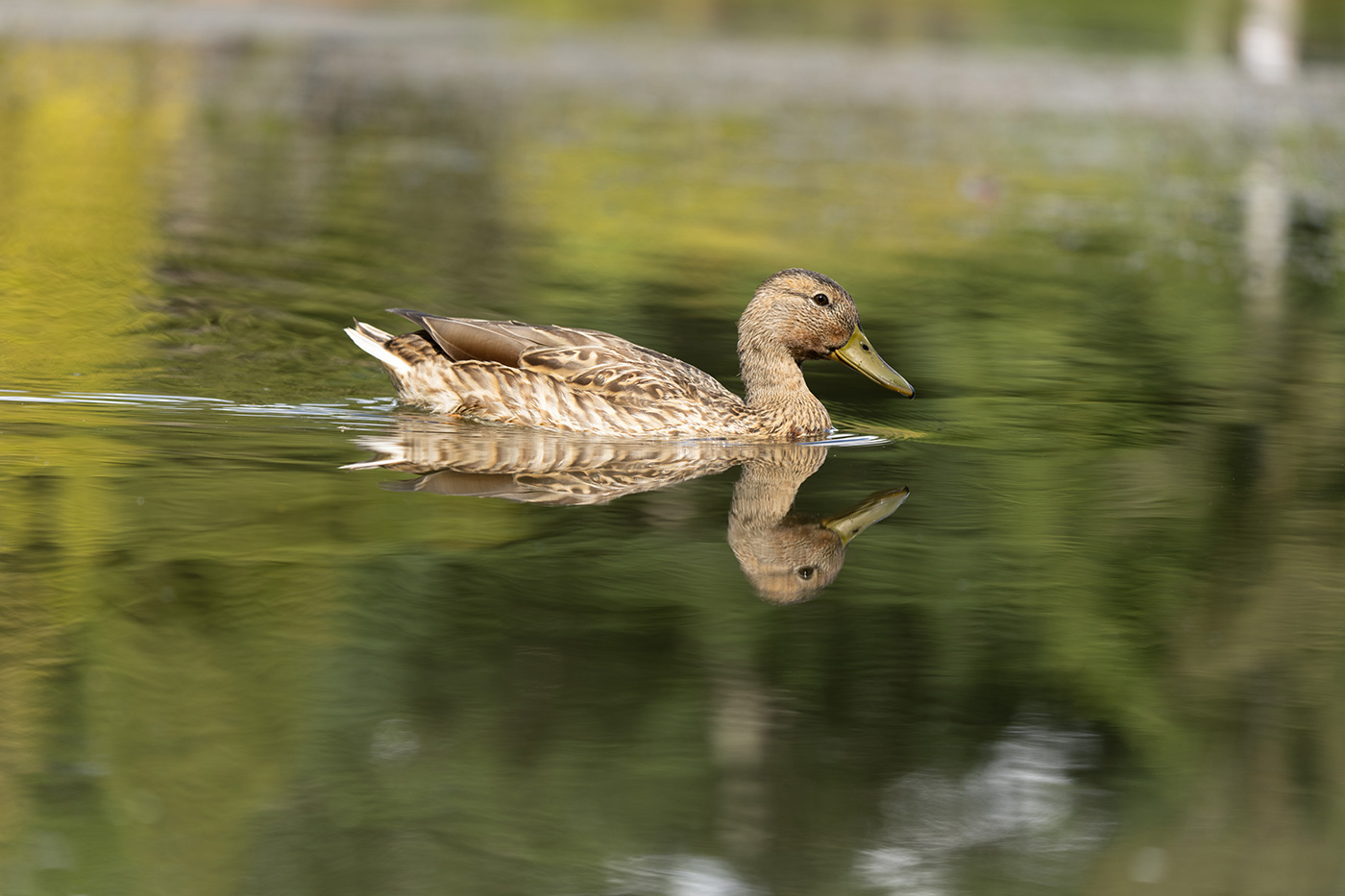
Sample 02 Mallard duck swimming with its reflection in the water. FE 70-200mm F4 Macro G OSS II at 145mm. Settings: 1/640 sec. f/4.0. ISO 160
Blackout-free shooting and an upgraded EVF
The older A7R V has a brilliant EVF, which is one of its appeals for me, but the new model improves on it with a panel that's around 3x brighter and shows more accurate colour thanks to full DCI-P3 colour space. This gives you a better preview of a scene while shooting, and a really detailed image for scrutinising results to make sure you got everything right. The screen does adjust to ambient conditions, which can make a final verdict of a shot tricky, so I wouldn’t replace your desktop screen just yet.
This body also introduces blackout-free shooting when using the electronic shutter, which is a first for the R-series. It becomes especially useful when capturing fast-moving subjects, including the bees and birds in flight shown here.
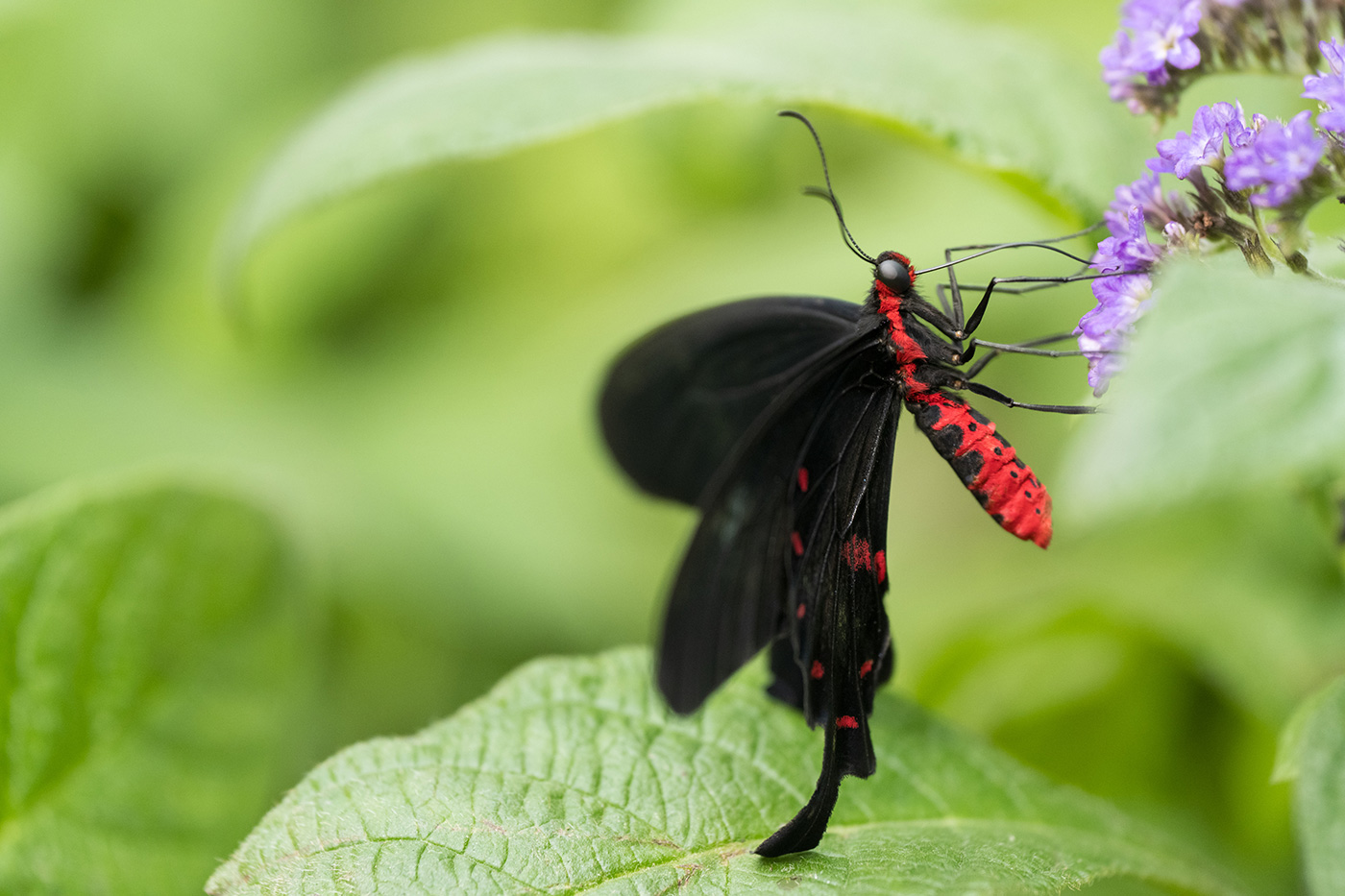
Sample 03 Close-up of a Pachliopta kotzebuea butterfly feeding on purple flowers. FE 70-200mm F4 Macro G OSS II at 193mm. Settings: 1/320 sec. f/4.0. ISO 2000
Having 30 frames per second at hand and a viewfinder that doesn't lag makes a huge difference in the real world. Whether you shoot motorsports, wildlife, sports or even portraits, you'll have a better experience in both electronic and mechanical shutter modes.
I think the screen affects usability more than people perhaps give it credit for, and Sony definitely got the EVF right here. The LCD could be larger and brighter (we always want more, right), but the 4-axis articulation is spot on. It repositions to almost any angle, so you can shoot over crowds, vlog or capture awkward angles with ease. Just don't expect too much under direct sun.
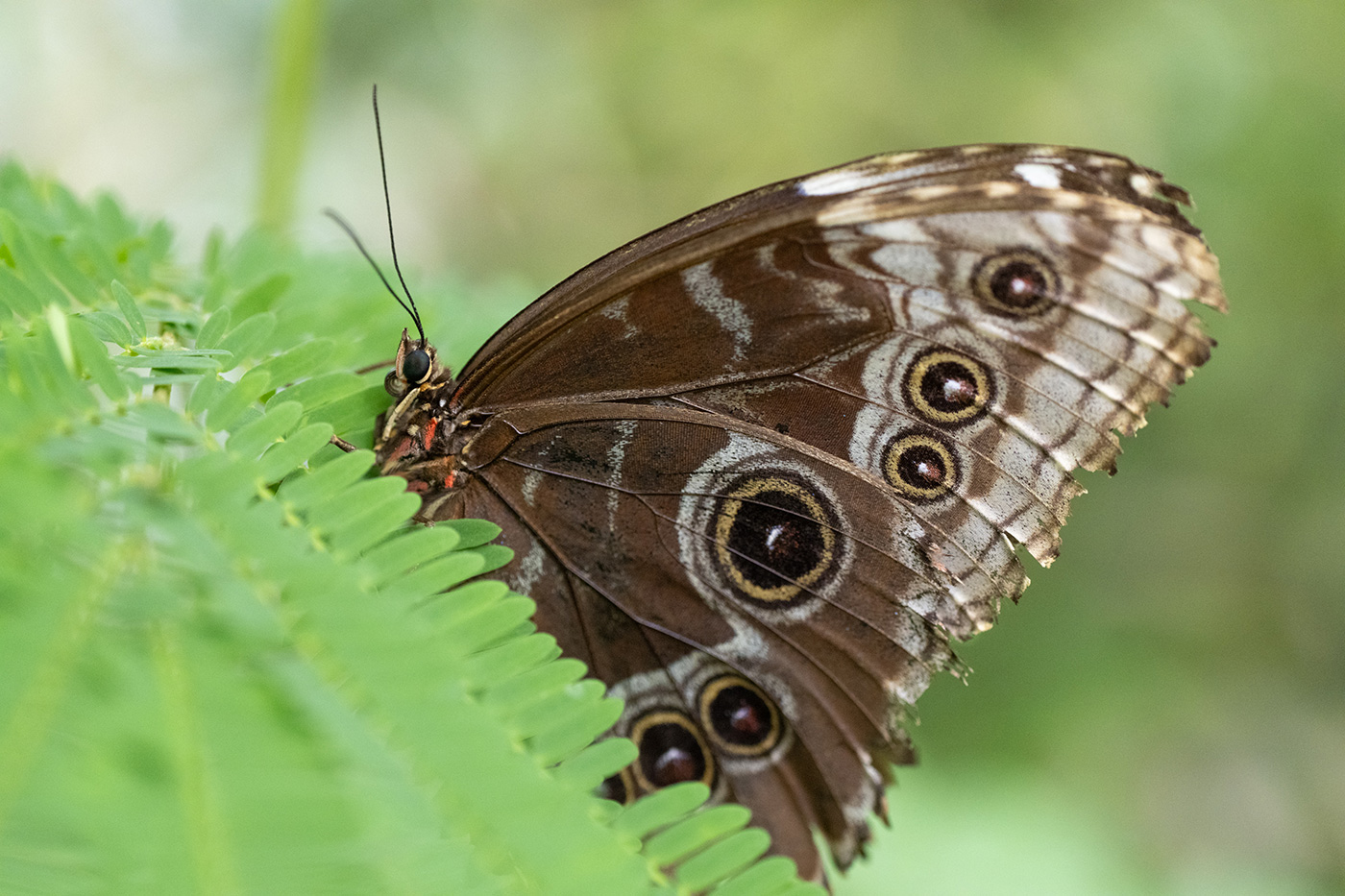
Sample 04 Close-up of an owl butterfly resting on green foliage. FE 70-200mm F4 Macro G OSS II at 102mm. Settings: 1/125 sec. f/4.0. ISO 5000
Improved ergonomics
Although the new body looks very similar to the previous one, the handgrip is slightly more prominent and the fingertip recess on the mount side has been re-contoured. These subtle changes are immediately noticeable when you pick up the body, which sits better in the hand and gives a bit more confidence, especially with long lenses, or with bigger hands, like mine.
The camera also starts up that bit quicker, so it's ready to shoot sooner, which adds to the confidence that you'll nail the shot you saw, even if it's fleeting.
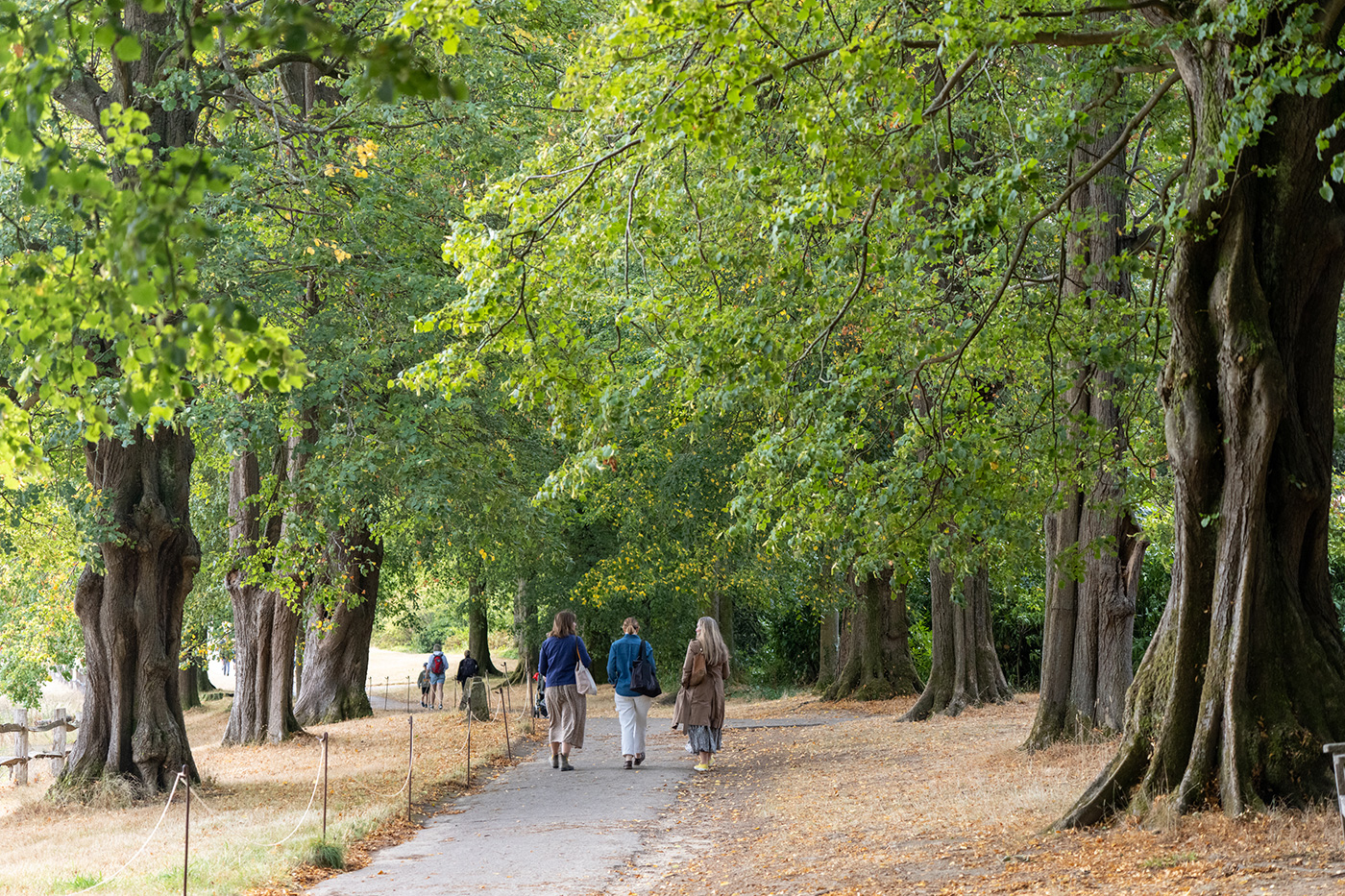
Sample 05 People walking along an avenue of mature lime trees. FE 70-200mm F4 Macro G OSS II at 70mm. Settings: 1/250 sec. f/4.0. ISO 1600
On top of the refined grip and startup time, there's a new illumination button on the top panel. It's a small but valuable addition that I found useful on a few occasions when shooting at sunrise and at night. These quality-of-life improvements add to the overall shooting experience, which is welcome regardless of your specialism.
While we’re here, the new NP-SA100 battery deserves a mention. Firstly, you have to accept the need to buy new batteries. Secondly, there’s a dual charger in the box (BC-SAD1), which is definitely welcome. It’s quite quick and gets two done simultaneously, which is ideal. You can sell your old batteries or use them in a compatible B-cam.
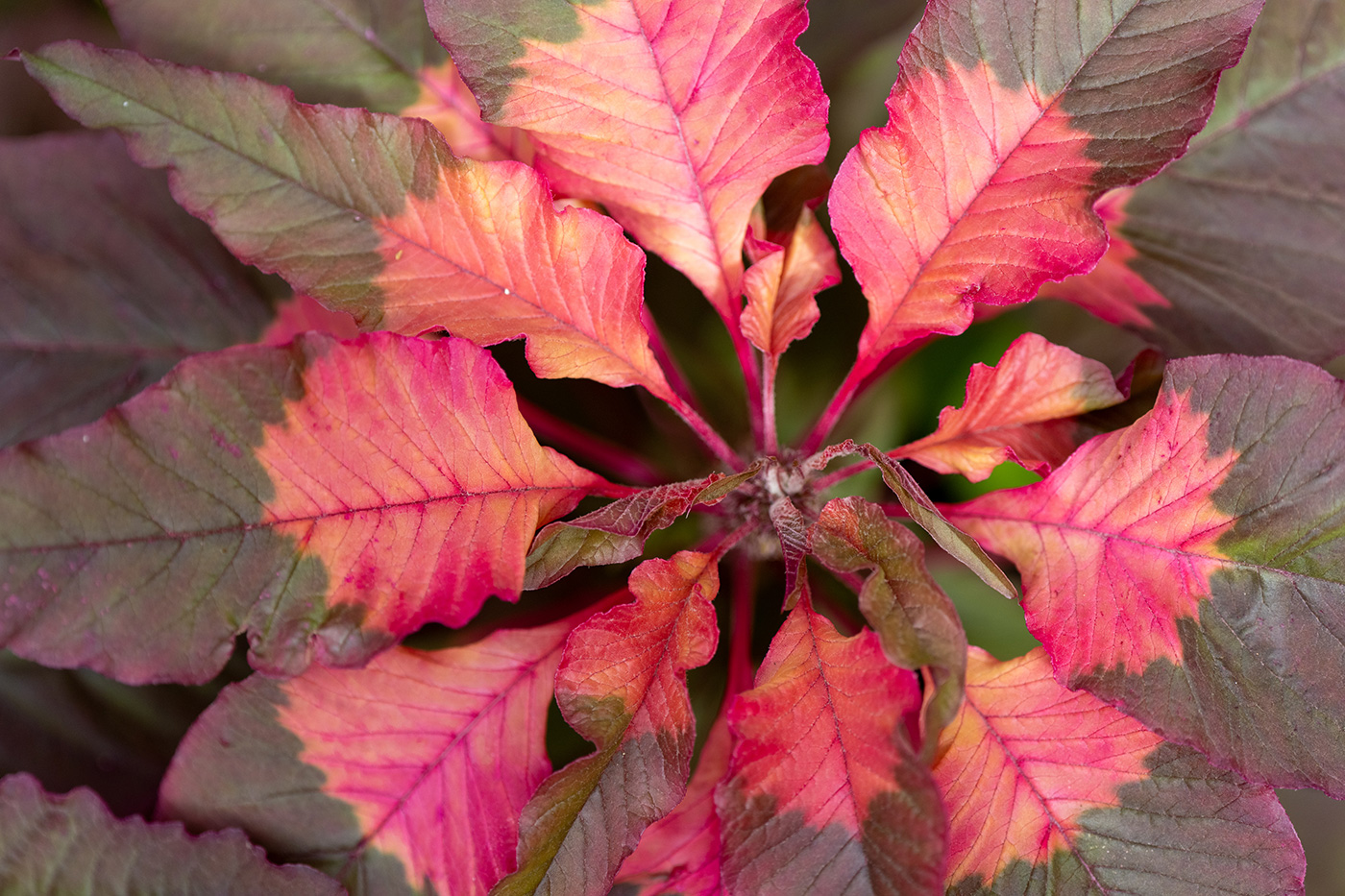
Sample 06 Close-up of colourful ninebark foliage. FE 70-200mm F4 Macro G OSS II at 77mm. Settings: 1/250 sec. f/4.0. ISO 500
Better overall subject recognition
Another benefit is improved human subject recognition, especially when a person is smaller in the frame or the scene is busier. On several occasions my subject was tiny and off in the distance, yet the camera locked focus almost instantly. This is a major upgrade from the previous generation, which could struggle to locate a human subject when small in the frame.
Once acquired, tracking was really tenacious, without me needing to change any settings in the menu. There's also a smarter autoexposure algorithm that reads skin tone to balance exposure, even backlit or off-axis, which Sony rates as around 20% more reliable.
The autofocus gains for birds in flight were less consistent. The camera didn't always acquire focus when I shot small silhouetted birds at sunrise. That said, tracking was excellent once a bird was acquired, so there are still gains to be had in situations like this.
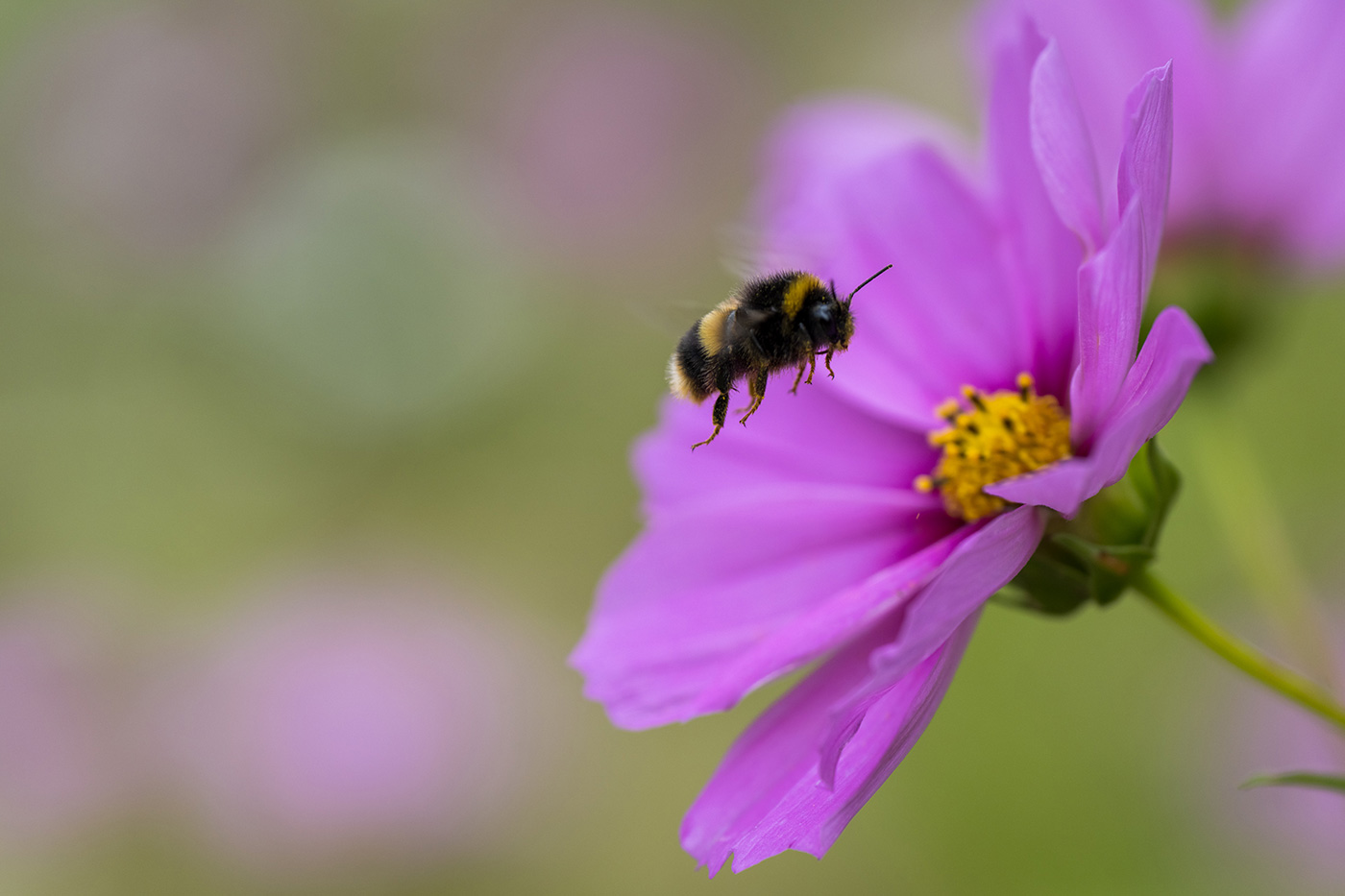
Sample 07 Bumblebee in flight approaching a pink cosmos flower. FE 70-200mm F4 Macro G OSS II at 164mm. Settings: 1/1000 sec. f/4.0. ISO 400
In the sample image, the duck was tracked tenaciously through changing light, and reacquired instantly each time it reappeared from behind tree branches.
Overall, subject recognition and tracking is excellent and takes a lot of the effort out of achieving consistent focus, whether you're capturing bees, wildlife or people.
Foolishly, I neglected to test the new Auto subject recognition mode, which I should have tried, since it would remove the need to keep switching between subject types. Apologies about that.
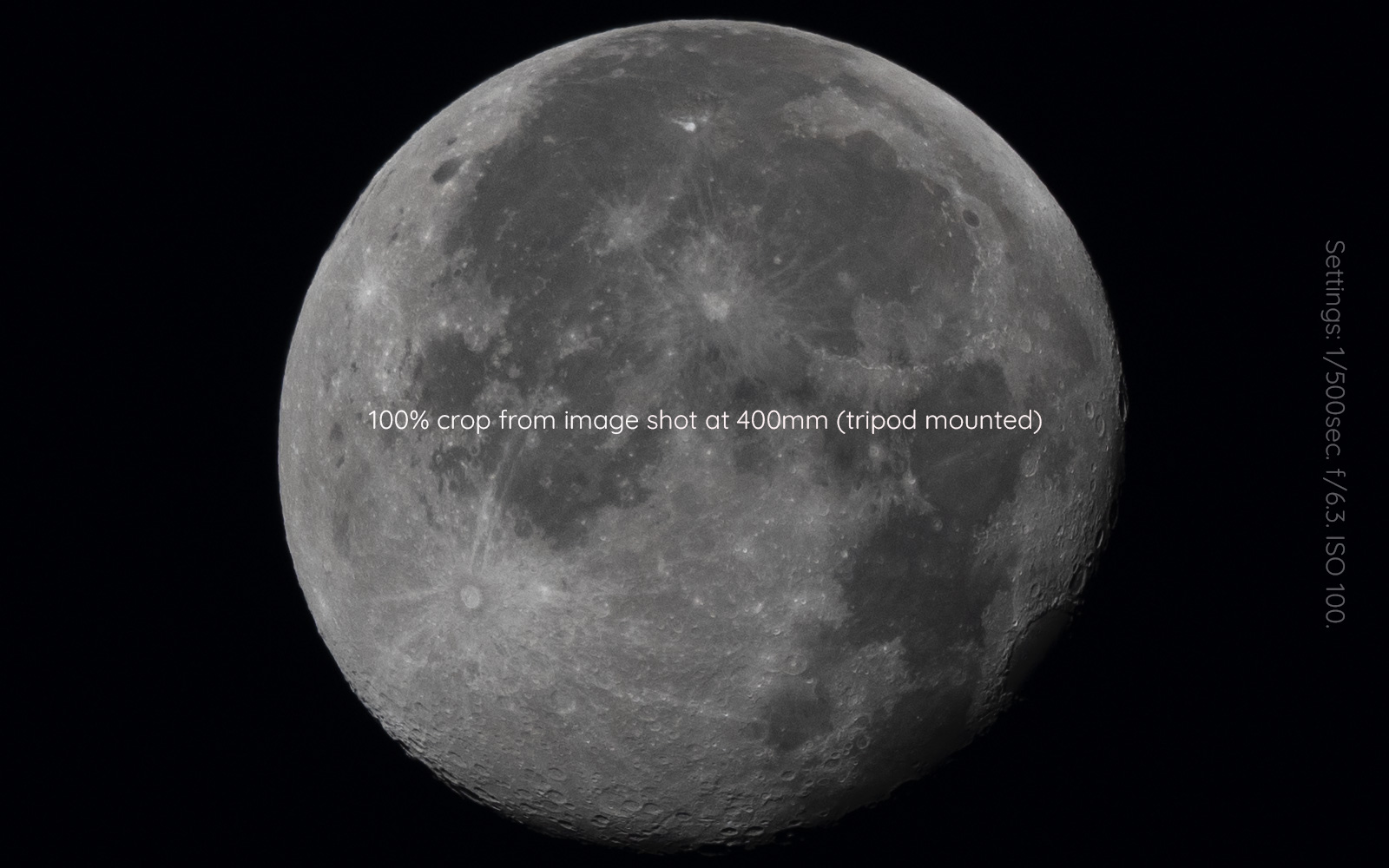
What Does 66.8MP Give You?
Having shot several thousand images I can say that some will inevitably benefit from the extra pixels and cropping latitude, while others would have looked similar if captured on my A7R V or another of Sony's ultra-high-res bodies.
An example is the shot of a near full moon. I was able to crop and fill the frame despite using just a 400mm lens. In fact, you can crop away roughly 88% of the pixels and still have enough resolution for a 4K image. That's quite extraordinary, and it shows how much scope to crop this level of resolution offers.

Sample 08 Close-up of an ornamental allium flower. FE 70-200mm F4 Macro G OSS II at 159mm. Settings: 1/500 sec. f/5.6. ISO 1000
If you shoot billboards, client photos that need to be printed larger, or subjects that need a lot of cropping, you may be very impressed with the extra resolution. In other situations, it's difficult to tell what the extra 10% provides. For some users, the previous 61MP sensor will still be more than enough, although image quality also relies on the AWB capabilities, which we explore next.
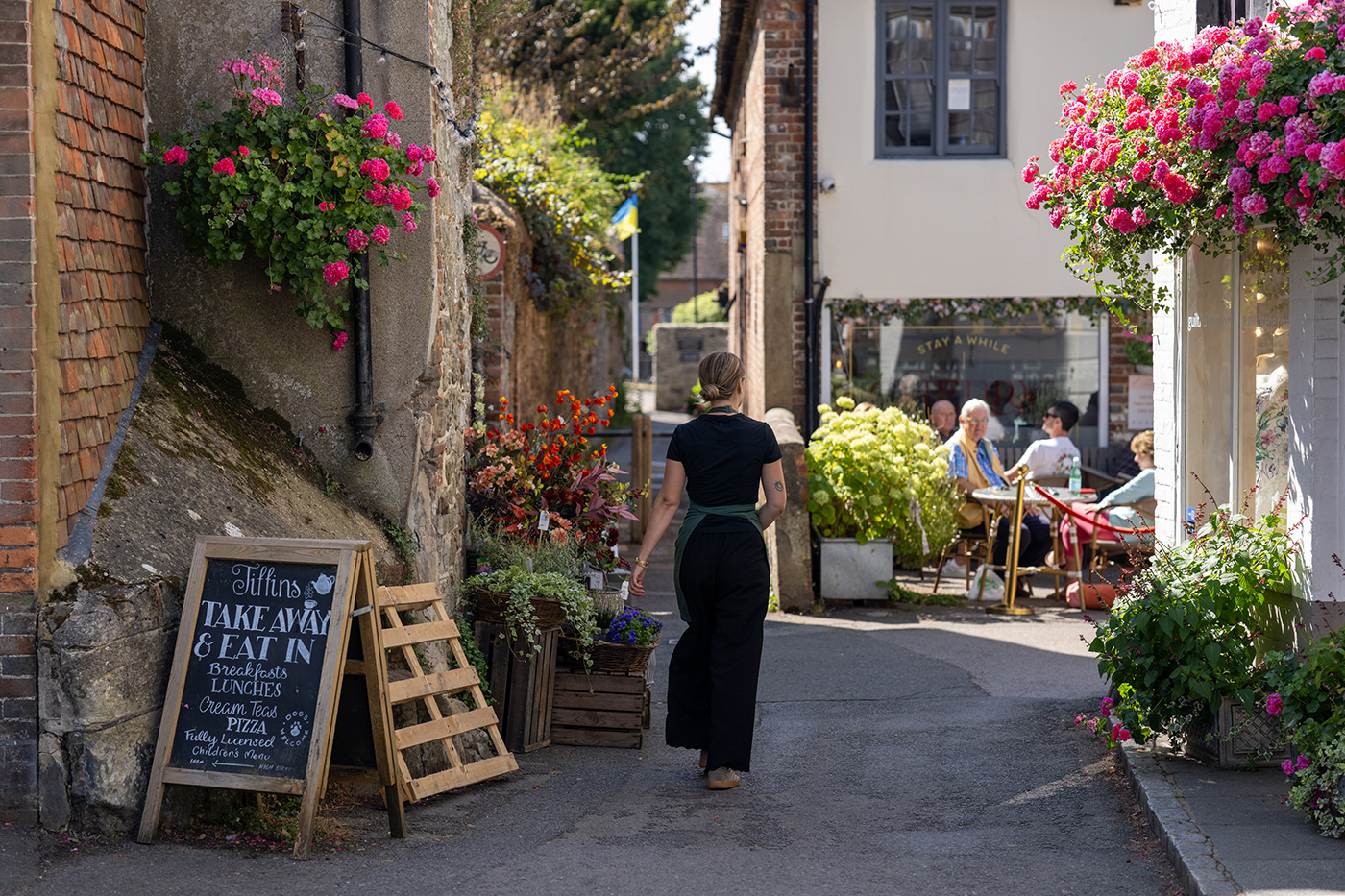
Sample 09 Street scene with café and waitress. FE 85mm F/1.4 GM II. Settings: 1/1250 sec. f/3.2. ISO 320
Colour and Auto White Balance
I noticed the improved auto white balance outdoors. Light sensing is combined with a brand-new AI-driven deep-learning illumination estimation system, and I saw an improvement in colour accuracy, with more neutral reproduction in the field and less colour bleed into the subject.
This was apparent in most of my outdoor shots. It's something users notice on older models, which can show colour tinges on the subject, such as green skin when shooting people under green foliage.
Real world benefits are better colour accuracy, reduced editing time and greater consistency when moving between locations, which will be very welcome for weddings, events and any subject shot in changeable or natural outdoor light.

Sample 10 Close-up portrait in natural light. FE 85mm F/1.4 GM II. Settings: 1/250 sec. f/1.4. ISO 12800
Video
Despite being the high-resolution, photo-first model in the range, the A7R VI now offers video capabilities that go well beyond what you'd expect from the R-series. The stacked sensor and processor are fast enough to make this a serious hybrid tool, with 8K 30p (at a 1.2x crop) and full-width oversampled 4K 60p.
I didn't shoot video during this hands-on test, so I can't comment on how it performs for video, but the spec sheet marks a huge shift for this line. Many working professionals are now expected to deliver video alongside stills, and for the first time, the R-series can plausibly cover both in one body.
For hobbyists and enthusiasts, though, this may be less important. The R-series has always been about photography first, and while it's nice to have quality video on tap, every current Sony body can shoot good video these days. If that isn't a regular part of your daily work, I wouldn’t make it a deciding factor, but if you aspire to moviemaking, you absolutely can with this generation.

Sample 11 Interior scene with visitors in mixed light. FE 85mm F/1.4 GM II. Settings: 1/160 sec. f/1.4. ISO 500
Practicalities of a high res camera
Naturally, there are some practicalities to consider on top of buying new batteries. You will need a fast memory card if you shoot continuous bursts. I'm lucky to have built up a few CFexpress Type A cards over the years, as they are expensive right now. You will probably want at least one for fast burst shooting, although you can get away with high-speed UHS-II cards for many stills applications.
File sizes were typically between 40 and 75MB per image using Compressed (HQ) RAW, but these could easily reach 100MB per shot when shooting Lossless. That means higher-capacity cards, more data storage and a decent computer for processing.
I didn't see any noticeable difference processing these versus shots from my older-generation body, but plenty of storage is a need, not a want. Expect to become more ruthless when culling, and perhaps slightly more reserved about bursting until the buffer fills each time you see a shot.
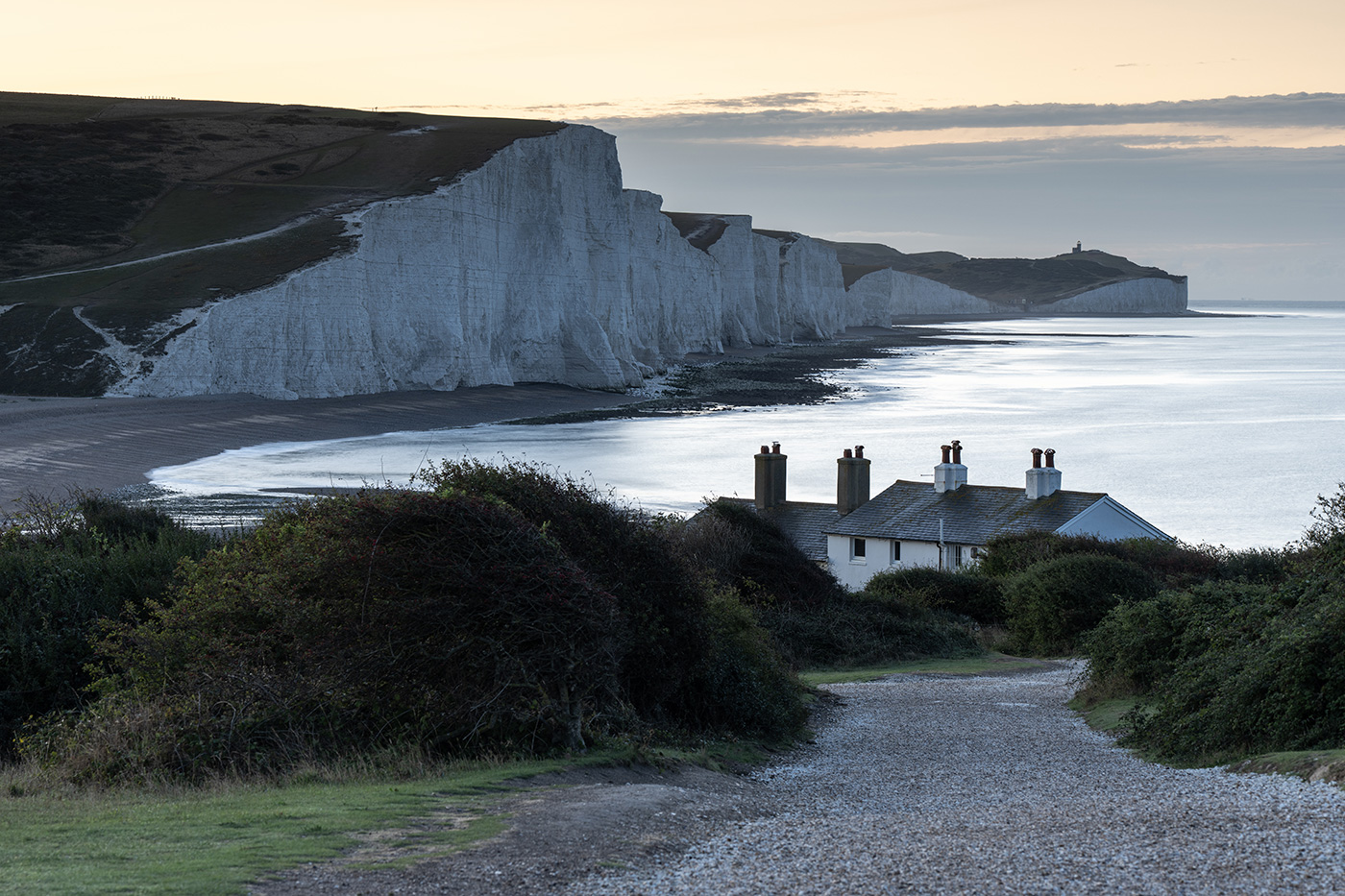
Sample 12 Classic fisherman’s cottages landscape at sunrise. FE 70-200mm F4 Macro G OSS II at 99mm. Settings: 2.5 sec. f/8. ISO 100 (tripod mounted)
There's been a real shift in photography, as the A7R VI demonstrates. This is a camera for someone who wants, or more accurately needs, very high resolution, without the old compromises on speed or video. It's more accurate, faster, easier to handle and has more tech up its sleeve than ever, with plenty of quality of life upgrades that make it more polished in almost every way.
That's true whether you're an enthusiast who shoots a bit of everything, or a professional now being asked to deliver video alongside stills from one body.
It's not for everyone, though. If you rarely crop or print large, need a dedicated sports or action body for professional work, or your lenses can't resolve what this sensor is capable of, you're paying for headroom you won't use. The files alone demand a real commitment in cards, storage and culling.
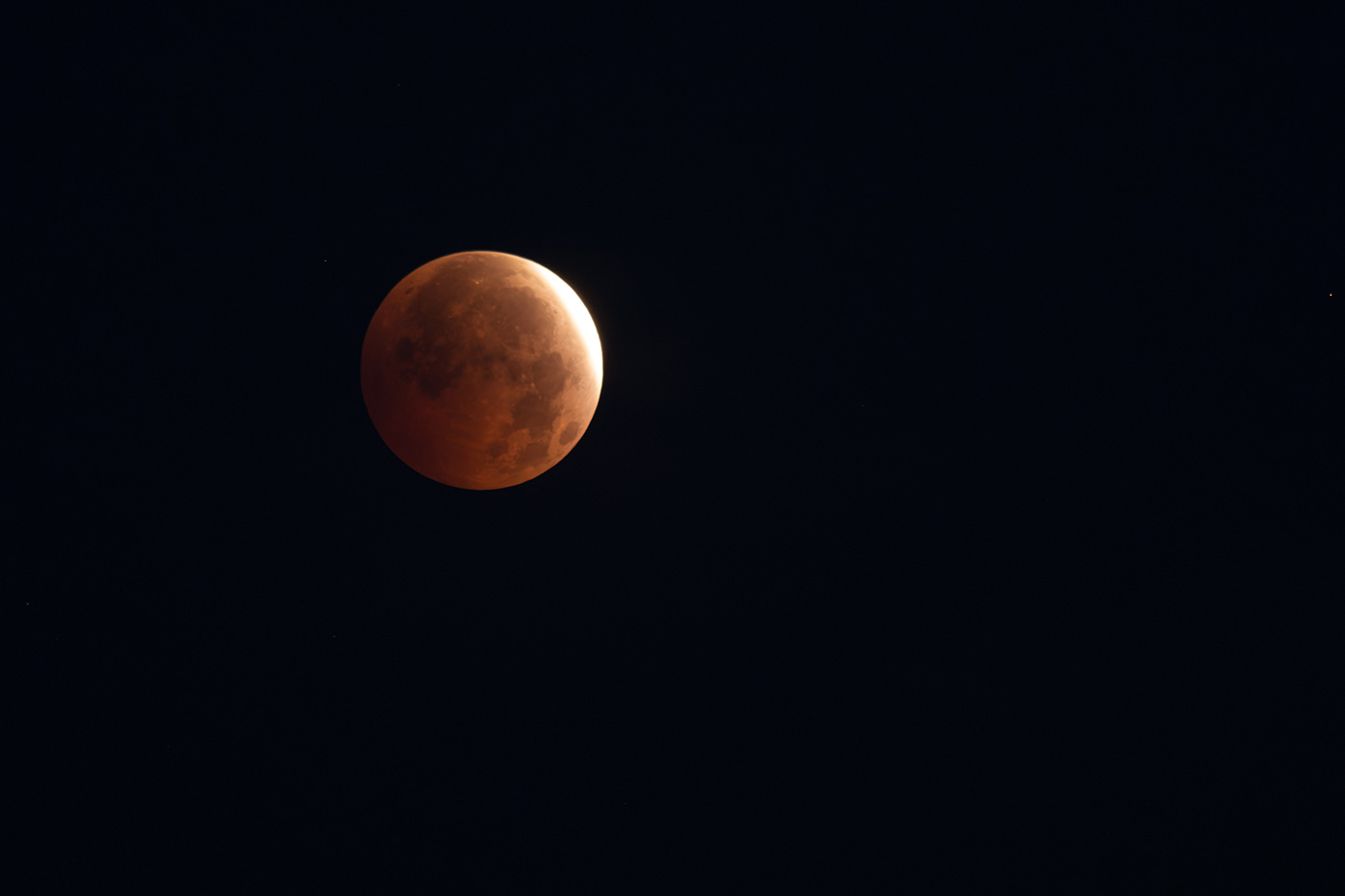
Sample 13 Lunar eclipse. FE 100-400mm F/4.5-5.6 GM OSS at 400mm. Settings: 0.3 sec. f/5.6. ISO 1600 (tripod mounted)
But if you want high resolution for frequent crops and prints, without giving up the speed to capture virtually anything that comes your way, look no further. The A7R VI really is the king of resolution, and for the first time, you don't have to choose.
Browse our range of Sony mirrorless cameras to find your perfect model, or head straight to the A7R VI product page to learn more and reserve yours.
You can also see lots more sample images in our updated Sony FE 70-200mm F4 Macro G OSS II Review.
Share this post:
By Nick Dautlich on 30/09/2026

Nick Dautlich
Senior Content Writer and Product Reviewer
Nick Dautlich is the Senior Content Writer and Product Reviewer at Park Cameras, with over 15 years of photography experience. A Sony Imaging Professional and expert reviewer, Nick has worked with major brands such as Canon, Sony and Nikon. His work is also featured on Vanguard World UK’s website, Capture Landscapes, and Shutter Evolve. Nick’s photography includes National Trust projects and magazine covers and he is passionate about landscapes and storytelling. Nick also enjoys hiking and teaching his children about nature. Learn more on his profile page.
Trade in your old equipment
Fast and easy trade in service ensures your old gear is collected efficiently and you are paid quickly! It's very simple to trade in your unwanted photography gear. Just head over to our dedicated Sell or Part Exchange page, fill out the details, and we'll get back to you with an offer for your old gear. Take the cash, or put it towards the cost of your new gear. It's up to you! Find out more
sign up to the newsletter
Keep up to date on the latest photography news, events and offers. Sign up now