- Call us 01444 237070

-
- Back
- Used Cameras
- Used Accessories
- Used Lenses
- Back
- Used Canon Lenses
- Used Nikon Lenses
- Used Fujifilm Lenses
- Used Sony Lenses
- Used Micro 4/3rds Lenses
- Used Leica Lenses
- Used Panasonic Lenses
- Used Pentax Lenses
- Used Samyang Lenses
- Used Sigma Lenses
- Used Tamron Lenses
- Used Tokina Lenses
- Used Voigtlander Lenses
- Used Zeiss Lenses
- Used Hasselblad Lenses
- Used Video
- Used Film Equipment
- Used Stock Alert
- Used Blank Test
- Sell or Part Exchange
- Used Clearance
- Recently Added Used Equipment
- Park Picks
- Faulty
- Trade-In
- Blog
- New in
- Call us
- Contact us
- Stores
- Sign in
- Categories
- Tips & Inspiration
- Reviews
- News
- Events
- Features
- Buying Guides
- Competitions
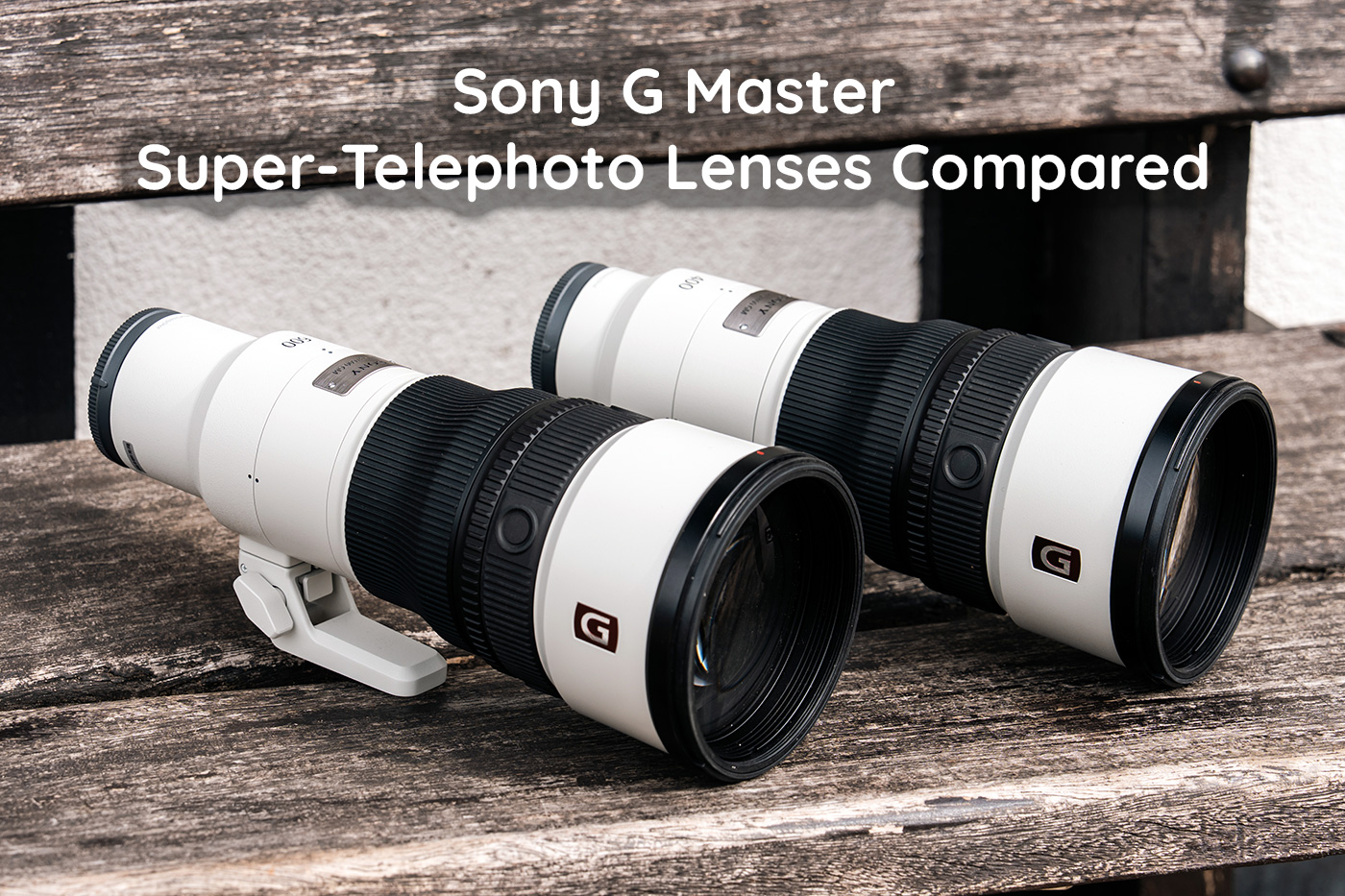
Sony G Master Super-Telephoto Lenses Compared
Sony has launched three high-end super-telephoto lenses in one year, yet the two newest primes cost less than the new professional zoom and weigh dramatically less than established exotic primes.
Hands-on with the ULTIMATE Telephoto Primes - Gareth's video review
This buying guide compares the two newer GM primes with the previously released fixed-aperture 100-400mm F4.5 GM zoom, in order to help you decide which best suits your needs. We even roll in the original existing GM models, enabling you to see what these exotics offer by comparison.
You can also watch all of Gareth’s hands-on videos and we have an in-depth look at specifications, combining first impressions with the key differences to consider before choosing which is the best for you.
Let’s begin with a look at pricing and availability in the UK.
How much do they cost?
The two new lenses are surprisingly accessible considering reach and G Master positioning, while the constant-aperture zoom commands a premium for its flexibility.
- FE 400mm F4.5 GM OSS = £2400.00
- FE 600mm F6.3 GM OSS = £3299.00
- FE 100-400mm F/4.5 GM OSS = £4,399.00
This makes for very good reading compared to the exotic super-telephoto options released years ago. The 600mm F4 GM OSS costs £11,999.00, while the 400mm F2.8 GM OSS is £10,490.00.
So what do you have to give up by choosing one of these newer, more accessible options? Our specifications comparison highlights the key differences next.
Specs comparison
The table below lines up six GM models in the range, letting you instantly compare the features that are most important for your style and subject, including AF speed, filter use or magnification.
| Specification | 100-400mm F4.5-5.6 GM OSS (SEL100400GM) | 100-400mm F4.5 GM OSS (SEL100400MC) | 400mm F4.5 GM OSS (SEL400F45GM) | 400mm F2.8 GM OSS (SEL400F28GM) | 600mm F6.3 GM OSS (SEL600F63GM | 600mm F4 GM OSS (SEL600F40GM) |
|---|---|---|---|---|---|---|
| Focal length | 100-400mm | 100-400mm | 400mm | 400mm | 600mm | 600mm |
| Max. aperture | f/4.5-5.6 | f/4.5 | f/4.5 | f/2.8 | f/6.3 | f/4 |
| Min. aperture | f/32-40 | f/32 | f/32 | f/22 | f/32 | f/22 |
| Minimum focusing distance | 0.98m | 0.64-1.5m | 2.5m | 2.7m | 2.5m | 4.5m |
| Maximum magnification | 0.35x | 0.25x | 0.18x | 0.16x | 0.25x | 0.14x |
| OSS | Yes | Yes | Yes | Yes | Yes | Yes |
| OSS modes | Modes 1 and 2 | Modes 1, 2 and 3* | Modes 1, 2 and 3 | Modes 1, 2 and 3 | Modes 1, 2 and 3 | Modes 1, 2 and 3 |
| AF drive | Double linear motor + DDSSM | 4 XD Linear Motors | 2 high-thrust XD Linear Motors per focusing group | 2 XD Linear Motors | 2 high-thrust XD Linear Motors per focusing group | 2 XD Linear Motors |
| Continuous shooting support | Camera-dependent** | AF tracking up to 120fps with α9 III | AF tracking up to 120fps with α9 III | Camera-dependent** | AF tracking up to 120fps with α9 III | Camera-dependent** |
| SEL14TC / SEL20TC compatibility | Yes | Yes | Yes | Yes | Yes | Yes |
| With 1.4x teleconverter | 140-560mm f/6.3-8 | 140-560mm f/6.3 | 560mm f/6.3 | 560mm f/4 | 840mm f/9 | 840mm f/5.6 |
| With 2.0x teleconverter | 200-800mm f/9-11 | 200-800mm f/9 | 800mm f/9 | 800mm f/5.6 | 1200mm f/13 | 1200mm f/8 |
| Filter size | 77mm | 95mm front + 40.5mm drop-in | 95mm | 40.5mm slot-in | 95mm | 40.5mm drop-in |
| Dimensions (D x L) | 93.9 x 205mm | 119.8 x 328mm | 108 x 242mm | 158.1 x 359mm | 108 x 263mm | 163.6 x 449mm |
| Weight | 1,395g excluding tripod mount | 1,840g | 994g excluding tripod foot | 2,895g | 995g excluding tripod foot | 3,040g |
| Price | £2,149.00 | £4,399.00 | £2,600.00 | £10,490.00 | £3,600.00 | £11,999.00 |
There’s no longer any simple pecking order where primes are for professionals and zooms mean a compromise. The £4,399 constant-f/4.5 zoom demolishes that idea.
The original 100-400mm zoom is also a contender, offering a smaller, lighter and more affordable alternative as well as the best close-up capability of these. Notably, the newer fixed-aperture zoom adds substantially modernised AF and internal zooming for higher-performance shooting.
Who are these lenses for?
All are suitable for enthusiast and professional photographers who already know when and why they need this kind of reach. These are not really beginner options, particularly when more accessible models are available elsewhere in Sony’s E-mount lineup.
The two new lightweight lenses make specialist focal lengths with G Master prime image quality more accessible than ever.
- Bird and wildlife photographers are an obvious audience. That includes professionals who create content for documentaries, YouTube and other channels.
- Sports and motorsport photographers who are required to shoot from fixed positions around pitches, circuits and venues will find them useful.
- Aviation photographers gain the reach needed for aircraft and airshows, with teleconverter compatibility extending their potential further.
- Photojournalism and events are other use-cases, particularly where access is restricted or the photographer needs to work from further away. That could be political rallies, outdoor festivals, concerts and so on.
- The zooms will also be very interesting to landscape photographers, where the ability to adjust composition from a certain viewpoint may be essential. That said, the newer ones are so lightweight that, if you know a particular landscape suits a fixed focal length, either makes a compelling option.
Ultimately, the focal length that works best for you comes down to the subjects you capture, how far away they are and how much freedom you have to move relative position.
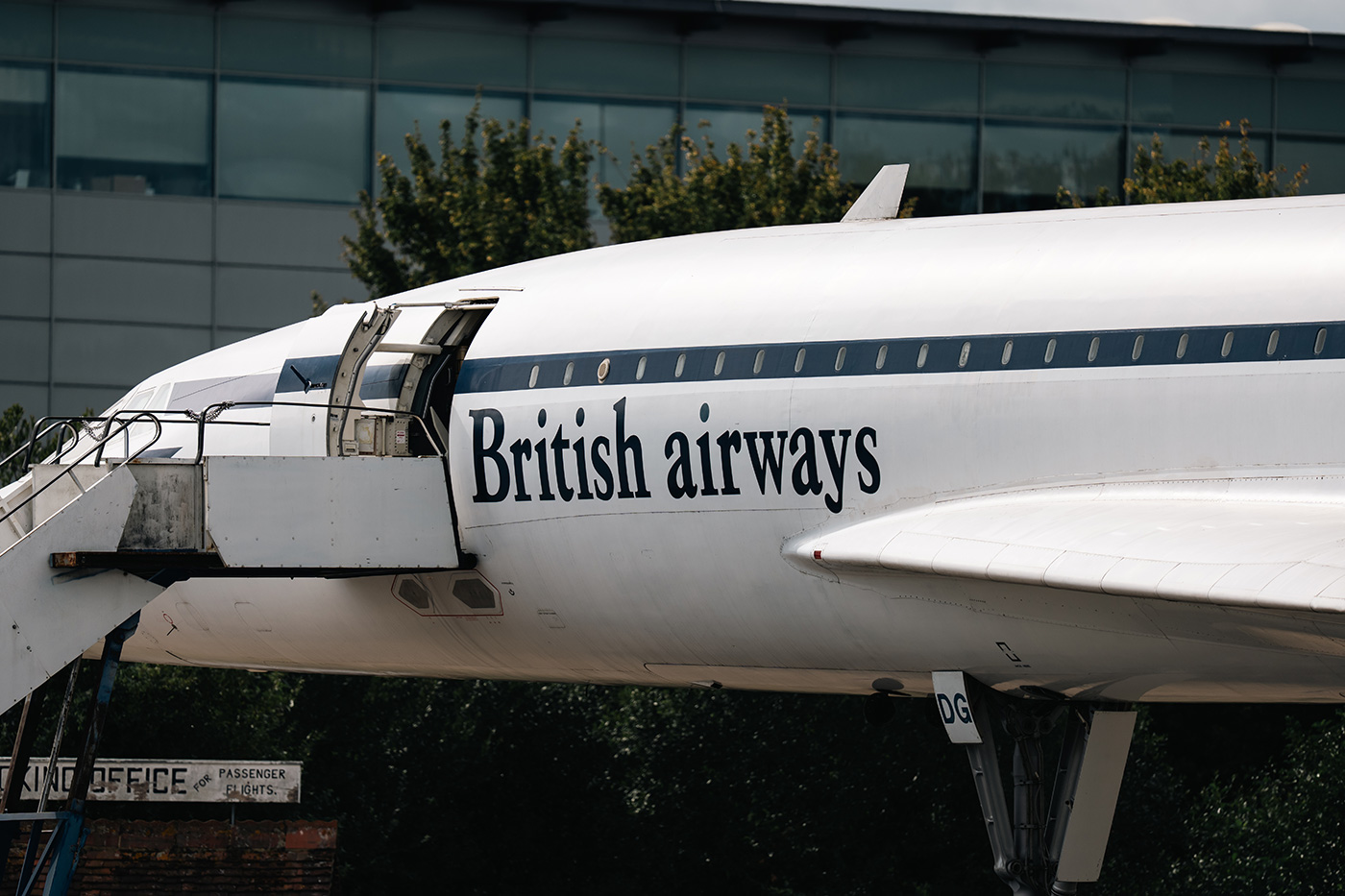
FE 400mm F4.5 GM OSS Sample 01 Concorde Airplane. Settings: 1/1000 sec. f/4.5. ISO 100
Which is better a prime or zoom?
This is a fundamental choice all photographers make about lenses, and neither is inherently better or worse. It is typically about how predictable your working distance is. A 100-400mm zoom gives you the freedom to recompose when the subject moves closer or further away, and can be useful when your own position is restricted, such as for landscapes or cityscapes.
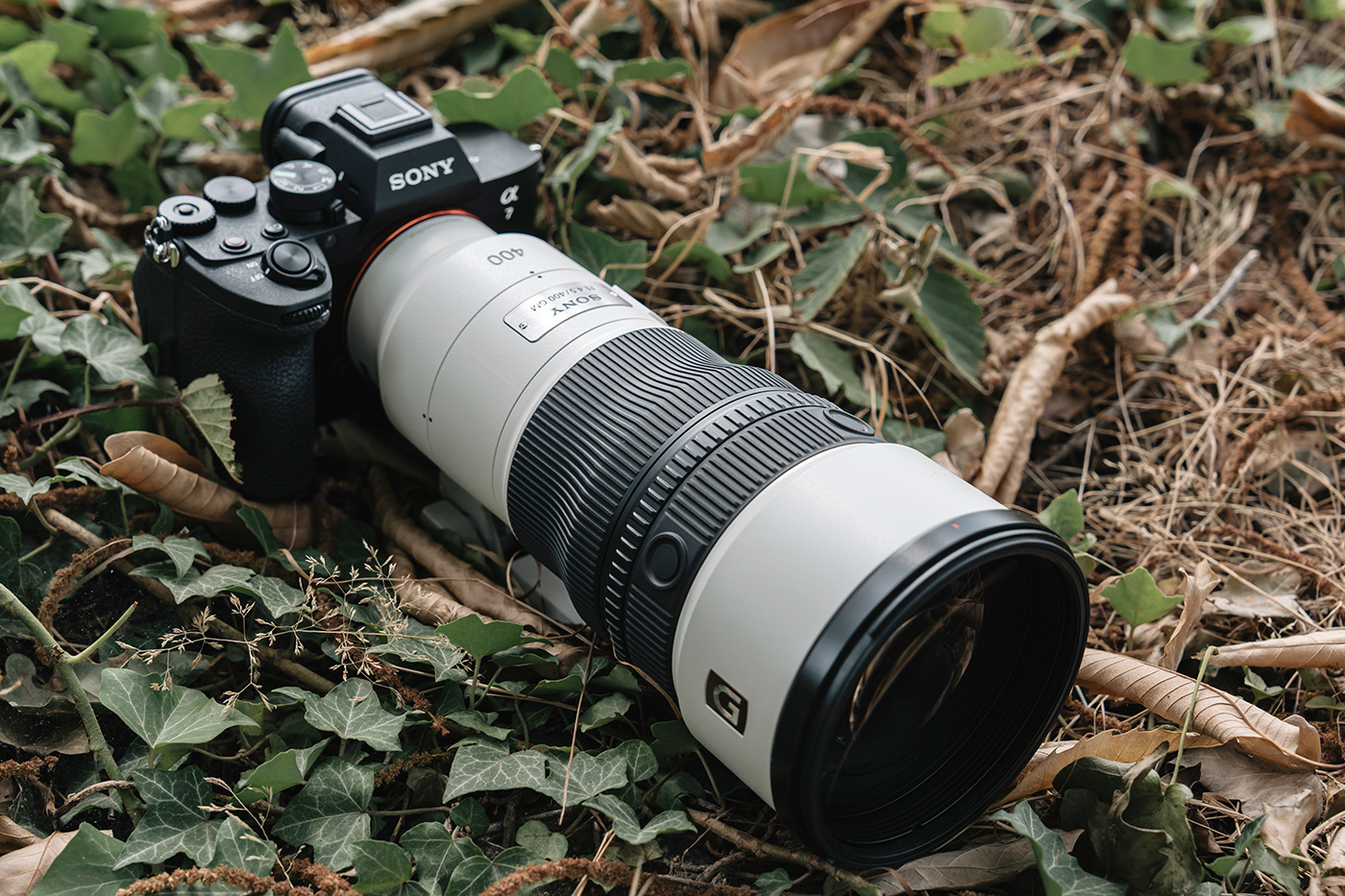
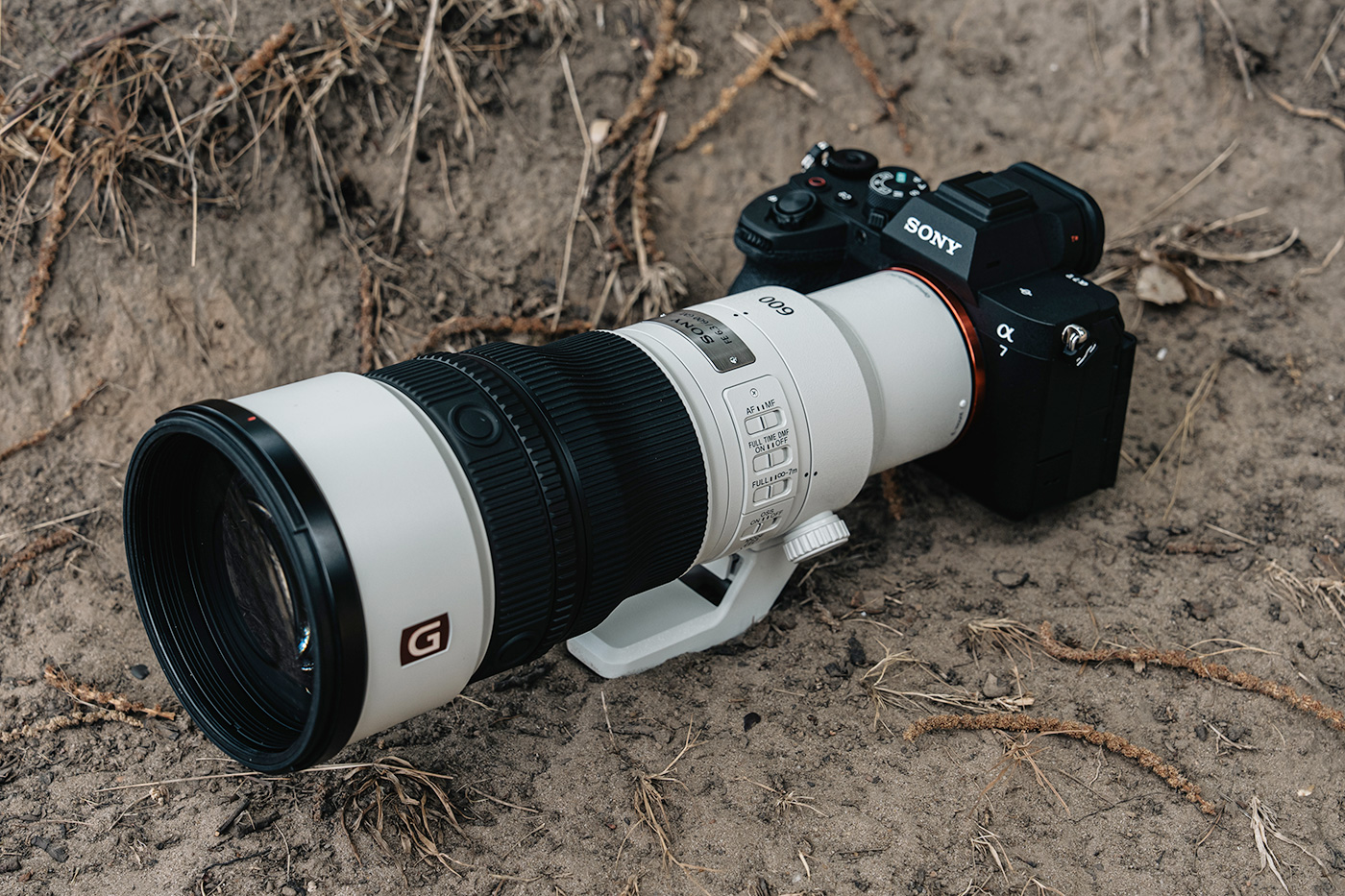
A prime makes more sense when you already know the reach you need. The new 400mm and 600mm options are especially interesting because sub-1kg is exceptionally lightweight, removing a traditional drawback to carrying professional telephotos.
For switching distances, choose a zoom. For a more consistent working distance, the fixed focal lengths are remarkably lightweight packages.
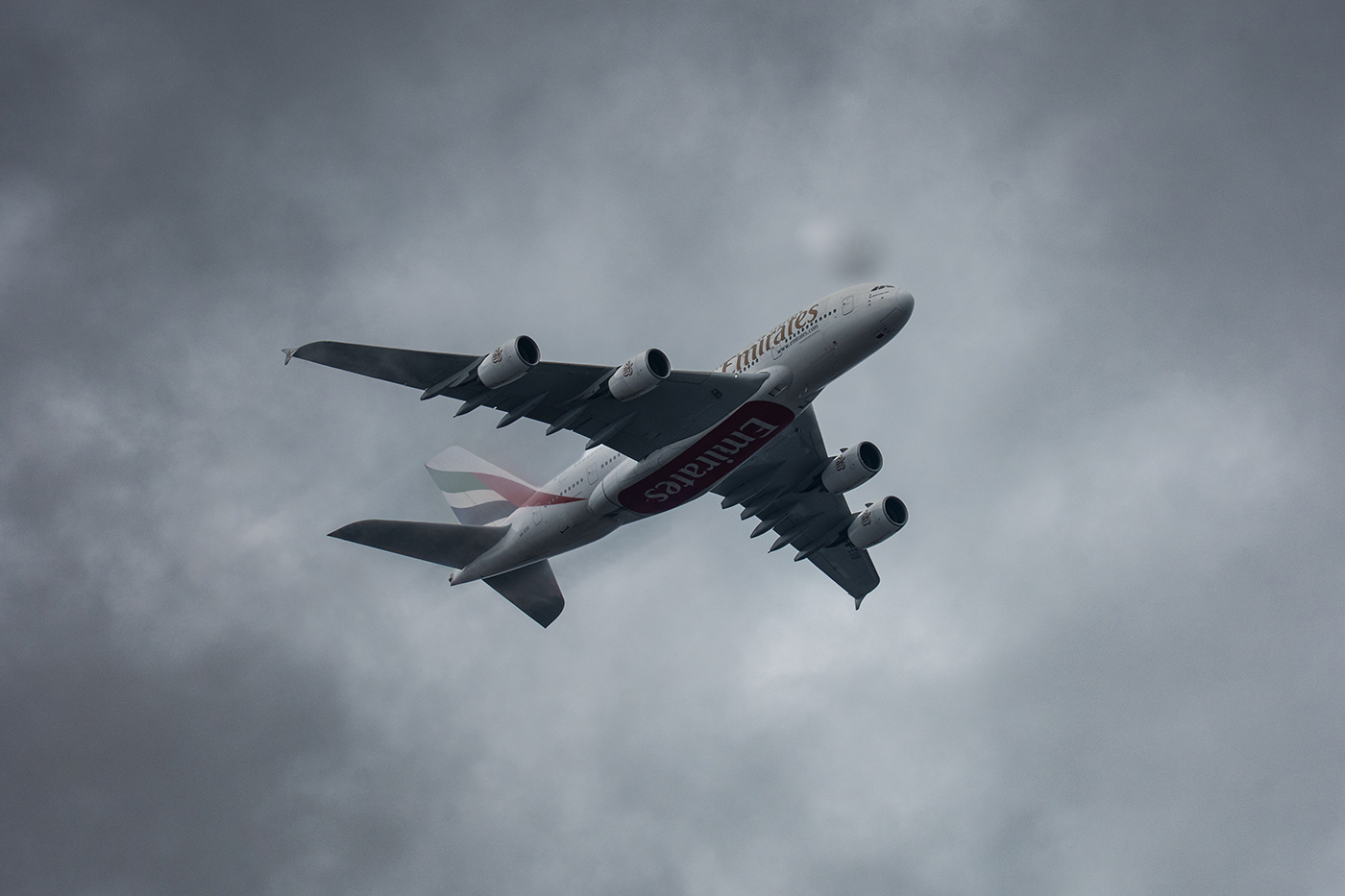
FE 600mm F6.3 GM OSS Sample 01 Airplane. Settings: 1/2000 sec. f/6.3. ISO 250
400mm or 600mm: which should you choose?
Go with 400mm if: You photograph larger animals, birds at closer distances or faster-moving sport where a slightly wider field of view makes it easier to follow the subject. The f/4.5 maximum aperture also gives it an advantage when light levels drop. It is the more versatile of the two new models when subjects can appear at different distances.
It will become a 560mm f/6.3 with the 1.4x TC, and an 800mm f/9 with the 2.0x TC.Neither of those aperture values should be a major concern with a modern mirrorless camera and noise reduction software.
Interestingly, 560mm f/6.3 with the 1.4x TC gets very close to the native 600mm f/6.3, giving the shorter prime useful versatility when more reach is needed.

FE 400mm F4.5 GM OSS Sample 02 Crane. Settings: 1/8000 sec. f/4.5. ISO 1000
Go with 600mm if: Small birds, shy or distant wildlife, aircraft or subjects that are generally further away are your bread and butter, especially if you regularly find yourself cropping when using a 400mm. The narrower field of view does need more accurate framing, but gives you significantly more reach with virtually no weight penalty. Thanks, Sony!
Adding a 1.4x TC takes this to 840mm f/9, whereas the 2.0x becomes 1200mm f/13. This is starting to get to narrow apertures where available light and shutter speed become more significant factors.
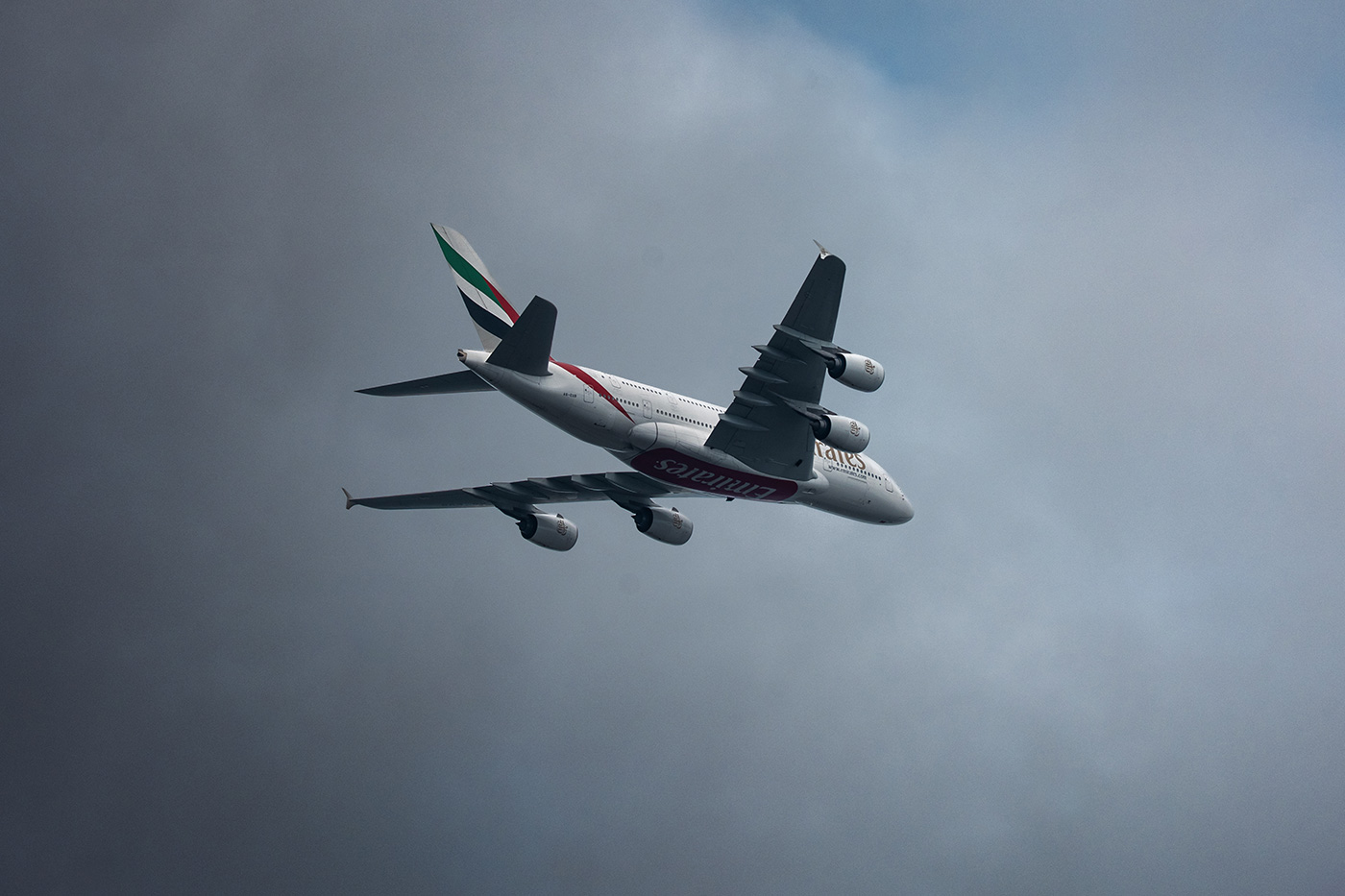
FE 600mm F6.3 GM OSS Sample 02 Airplane. Settings: 1/2000 sec. f/6.3. ISO 320
What kind of accessories do they take?
Both newer models accept 1.4x and 2.0x teleconverters, which are ideal for creating more reach without adding too much weight. The 400mm becomes 560mm f/6.3 or 800mm f/9, while the 600mm extends to 840mm f/9 or 1200mm f/13.
Both also have 95mm front filter threads, which makes it easier to add and share filters if you own the pair. Removable tripod feet (non Arca-compatible!) offer support when working from a tripod or monopod, although the low weight makes handheld shooting much more realistic with these.
Sony photographers now have incredible choice for super telephoto subjects. You can decide what’s most important between the versatility of a zoom, aperture, reach, weight or price, while staying within the flagship G Master lineup. That makes for a compelling reason to stick with or indeed join Sony’s ecosystem if you regularly shoot at these focal lengths.
Browse the full range of Sony E-mount lenses here, and take your long-range photography up a notch without breaking a sweat.
Share this post:
By Nick Dautlich on 15/09/2026

Nick Dautlich
Senior Content Writer and Product Reviewer
Nick Dautlich is the Senior Content Writer and Product Reviewer at Park Cameras, with over 15 years of photography experience. A Sony Imaging Professional and expert reviewer, Nick has worked with major brands such as Canon, Sony and Nikon. His work is also featured on Vanguard World UK’s website, Capture Landscapes, and Shutter Evolve. Nick’s photography includes National Trust projects and magazine covers and he is passionate about landscapes and storytelling. Nick also enjoys hiking and teaching his children about nature. Learn more on his profile page.
Trade in your old equipment
Fast and easy trade in service ensures your old gear is collected efficiently and you are paid quickly! It's very simple to trade in your unwanted photography gear. Just head over to our dedicated Sell or Part Exchange page, fill out the details, and we'll get back to you with an offer for your old gear. Take the cash, or put it towards the cost of your new gear. It's up to you! Find out more
sign up to the newsletter
Keep up to date on the latest photography news, events and offers. Sign up now