- Call us 01444 237070

-
- Back
- Used Cameras
- Used Accessories
- Used Lenses
- Back
- Used Canon Lenses
- Used Nikon Lenses
- Used Fujifilm Lenses
- Used Sony Lenses
- Used Micro 4/3rds Lenses
- Used Leica Lenses
- Used Panasonic Lenses
- Used Pentax Lenses
- Used Samyang Lenses
- Used Sigma Lenses
- Used Tamron Lenses
- Used Tokina Lenses
- Used Voigtlander Lenses
- Used Zeiss Lenses
- Used Hasselblad Lenses
- Used Video
- Used Film Equipment
- Used Stock Alert
- Used Blank Test
- Sell or Part Exchange
- Used Clearance
- Recently Added Used Equipment
- Park Picks
- Faulty
- Trade-In
- Blog
- New in
- Call us
- Contact us
- Stores
- Sign in
- Categories
- Tips & Inspiration
- Reviews
- News
- Events
- Features
- Buying Guides
- Competitions
Who Is the Nikon Z5II C For
Nikon already had an excellent entry point into full-frame photography. So in this guide rather than asking what’s new, we explore why the Z5II C joins the range and who it might be best for. We discuss how this very compact body with simple controls might just be the perfect starting point for beginners who want to get into photography and content creation, with a powerful, compact full-frame option.
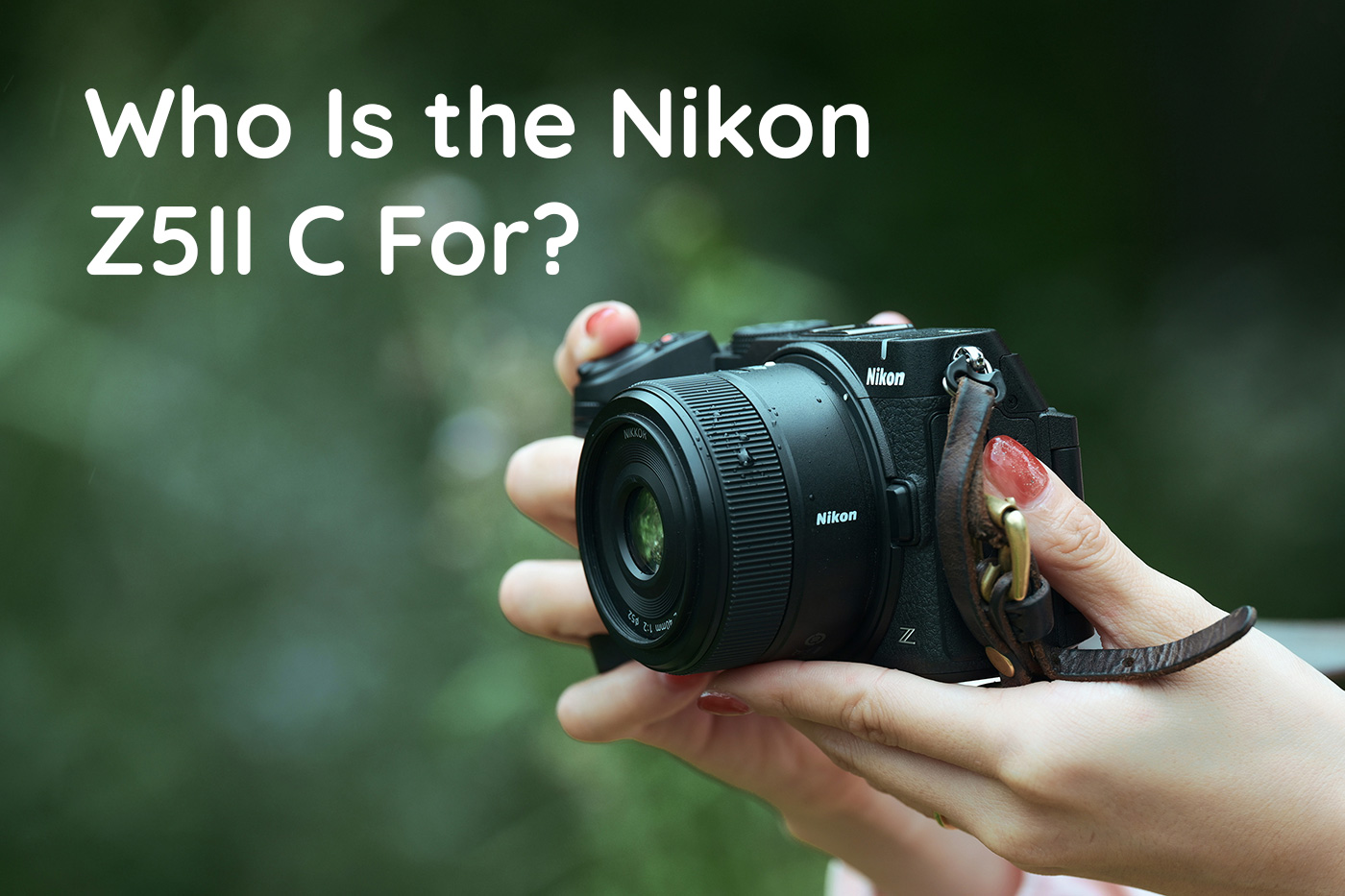
With that in mind, let’s find out just what it is capable of.
What does it offer?
In this case, entry-level is far from basic, as this new C-for-Compact model has advanced capabilities:
Core technology
- 24.5MP full-frame sensor (FX)
- EXPEED 7 image processor
- 5-axis in-body VR with up to 7.5 stops of stabilisation
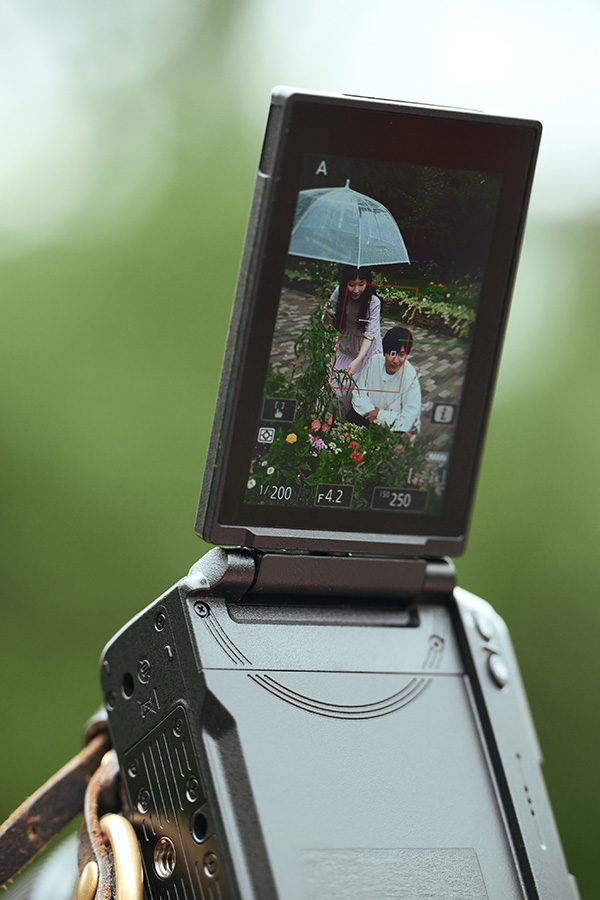
- 3.2-inch vari-angle touchscreen
- Compact 537 g body (body only)
- Mirrorless Z mount
Photography
- 10 types of subject detection
- First camera with fish detection for aquatic AF
- Small Subject Detection down to 3% of the frame
- Low-light autofocus down to -10 EV
- Up to 14 fps in CH+ or 30 fps in C30
- ISO 100–64,000
- 15 scene modes
- Imaging Recipes via Nikon Imaging Cloud
Video
- 4K/30p recording
- Cropped 4K/60p
- Full HD up to 120p for 5x slow motion
- N-RAW recording
- N-Log and HLG
- ISO up to 51,200
- External stereo microphone input
- Headphone connection
- Front-facing vari-angle screen

Sample image enviromental portrait
Powerful autofocus for almost anything
For many of us, autofocus isn't something we think about. Point your phone, maybe tap the subject on the screen, and it just records, right? If you're moving from a phone, that's the kind of experience we expect. With a dedicated camera there's a lot more happening under the hood, especially once something starts moving.
This is where Nikon’s powerful subject recognition kicks in. Rather than expecting a photographer to constantly track the right object in the scene with a focus point, the camera recognises what you’re photographing or recording and follows it around the frame automatically. That’s subject detection, and AI algorithms check for 10 different types. Small Subject Detection can even recognise subjects occupying just 3% of the frame, which is really tiny.
What's more, this is the first model in the world to recognise "fish" as a dedicated thing. Just to be clear though, the body isn't waterproof, so you'll need a dedicated waterproof housing, which we're hoping to see soon.
There 10 are:
- People; cats, dogs and birds; cars, bicycles, motorcycles, trains and aeroplanes; and now fish.
That's pretty amazing technology for the smallest and most accessible full-frame model in the mirrorless Z system.
Your camera, your look
This is a good option for moving out of Auto mode and into simple scene modes while developing your own unique style, or look, for photos and video. With the Z5II C you can develop looks that are instantly recognisable.
It comes with 15 different scene modes, offering ready-made settings for subjects and conditions like sunsets, neon-lit night scenes, pets and food.
Then there's Nikon Imaging Cloud, where you can download Imaging Recipes. These are created by Nikon and participating creators, giving you different looks to experiment with. You'll also find Recipes from RED, the professional cinema company Nikon acquired in 2024.
RED brings the colour expertise associated with high-end filmmaking. You can download distinct looks and customise compatible Picture Control settings in-camera, taking inspiration from a recipe and making it your own.
On top of the inspiring looks and styles you can download and tweak, you can just as easily create your own from scratch. Shoot RAW, grade N-Log footage, or take complete manual control as you progress.

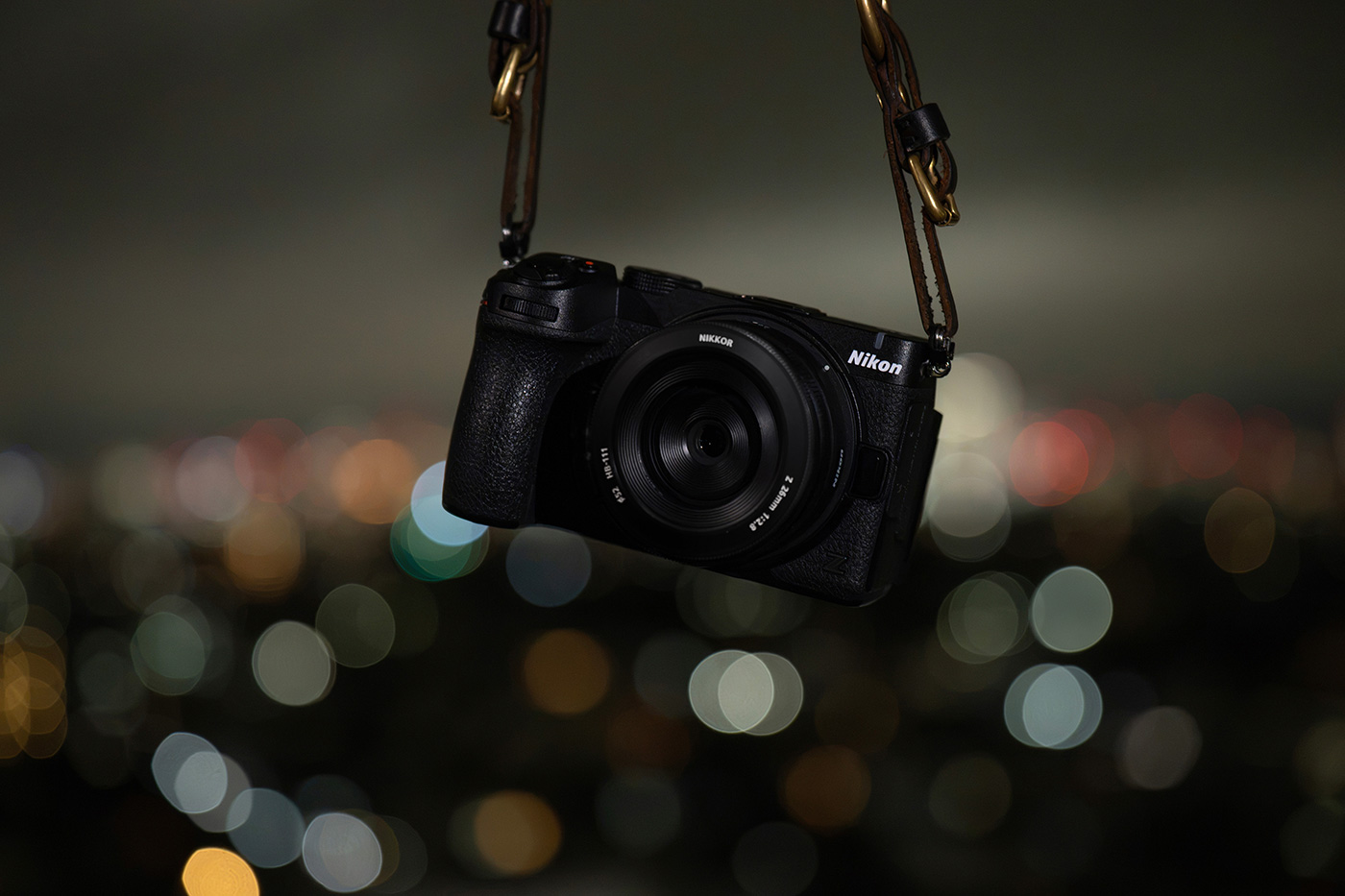
Sample image 2 with bokeh
Body-only or choose from four different kits
At launch there are two body colours and four kits, allowing newcomers to choose a ready-made combo, or, if you already have lenses, just grab the body you prefer in Black or Silver.
|
Kit |
What you get |
Why choose it? |
Best for |
|
Z 24-50mm F4-6.3 |
24-50mm retractable zoom, 195 g |
The smallest and lightest zoom here, covering a useful wide-angle to standard range |
First full-frame kit, travel, everyday photography |
|
Z 24-70mm F4 S |
24-70mm S-Line zoom with constant f/4 aperture, 500 g |
More reach than the 24-50mm, with S-Line optics and a constant aperture throughout |
Everyday photography, portraits, landscapes, enthusiast use |
|
Z 24-200mm F4-6.3 VR |
8.3x zoom with built-in VR, 570 g |
The broadest range by far, stretching from 24mm wide-angle to 200mm telephoto |
Travel, wildlife, days out, one-lens shooting |
|
Z 26mm F2.8 |
125 g pancake prime, just 23.5 mm long |
The smallest lens of the group, with a brighter f/2.8 aperture and a fixed, moderately wide view |
Street, travel, low light, everyday photography |
Which to choose between the Z5II or Z5II C?
There’s a lot shared between the regular and C models. But on the outside they look very different, and that’s really why you’d choose one over the other: the form factor. Aside from a few differences, like the Z5II’s got dual card slots.
Otherwise, the C offers more compact handling, a flat top, different styling and a simpler control layout. Both still have an LCD, the C doesn't have an EVF, but the Z5II has the more traditional enthusiast-style body and controls. So if you prefer conventional handling, go for the regular one. If you like a more stripped-back, shoot-from-the-hip experience, the Z5II C might be right up your alley.
Why go full-frame anyway?
If you're moving up from a phone, or buying your first interchangeable-lens camera, you might also be weighing this up against a smaller APS-C model like the Z50II. So why go straight to full-frame?
There are a few reasons, not least the excellent variety of full-frame lenses available. Nikon offers a wide range of full-frame Z mount lenses, including the four kit options mentioned earlier, so you can grow your lens selection as your interests change.
Low light is another obvious reason. A larger sensor generally means able to capture more fine detail, a wider dynamic range (the ability to see details in bright highlights and deep shadows), and lower noise (that grainy look).
The Z5II C also offers class-leading low-light autofocus performance to -10EV. That means you can shoot in lower light, achieve focus more easily and capture cleaner results.
Depth of field is another good reason to go full-frame. It's easier to create that desirable shallow depth of field look, with a softly blurred background and subjects that pop out of the shot. If you're capturing portraits of people, pets or other subjects, this is generally the way to go.
DX applies a 1.5x crop. That's great for telephoto shooting, but for wide-angle shots it makes the lens field of view narrower. The 24-50mm lens, for example, becomes the equivalent of a 36-75mm lens, so you lose all of that wide-angle view.
So, who is it for?
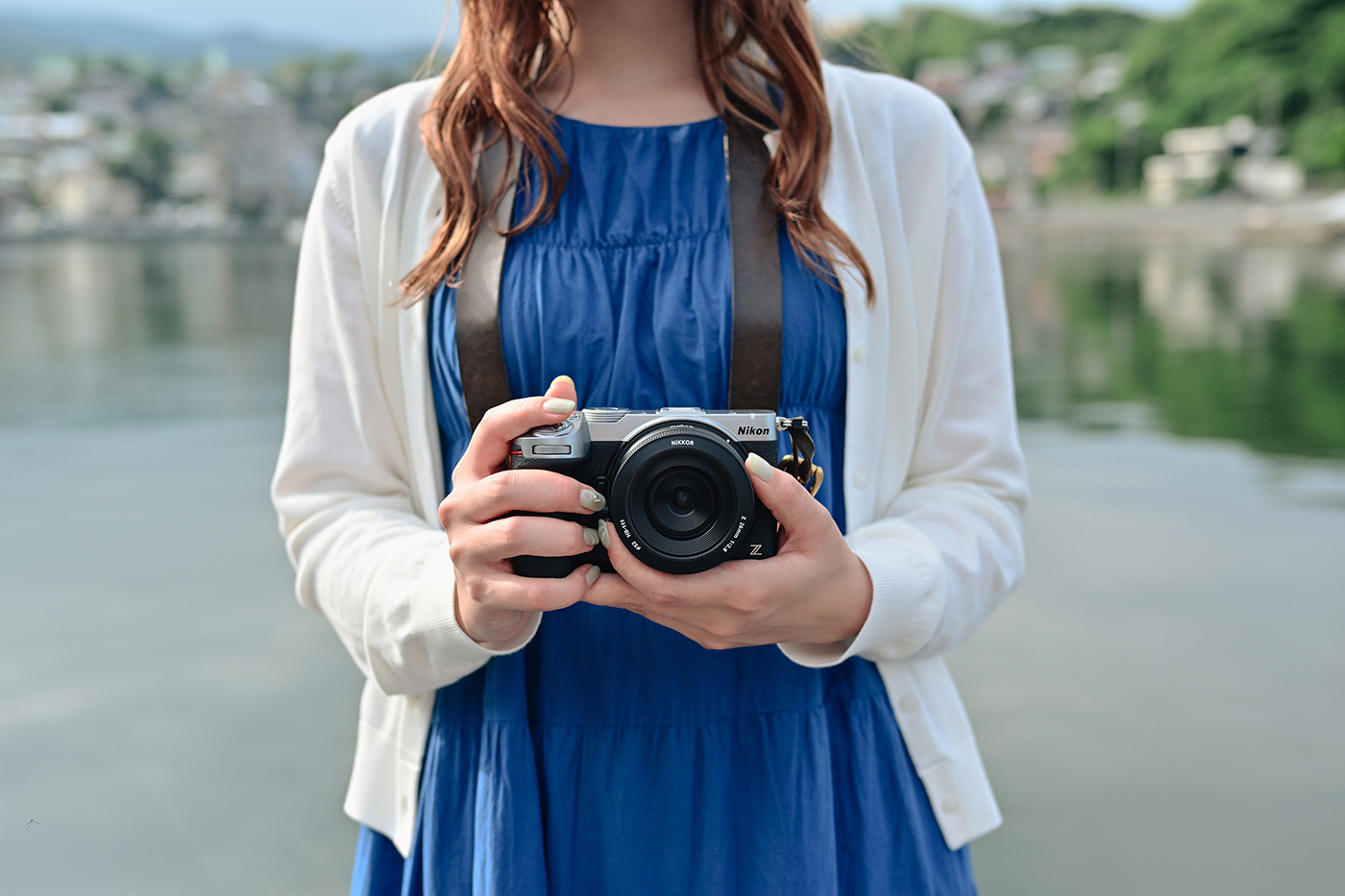
The Z5II C joins the Z5II, giving aspiring photographers and content creators another route into hybrid full-frame creativity. While not an entirely new model, it's an completely new concept within the Z mount.
It's smaller, easy to use and easier to bring along, but it still packs a serious punch, with 4K, 5x slow motion and very desirable stills image quality. It has plenty of scene modes to take the hassle out of needing to shoot in Manual mode, while still letting you take full control when you want.
Recipes let you develop your own unique look and build your skills, paired with extraordinary lenses covering everything from macro to wildlife and everything in between. Whether you're busy building an audience or just want to enjoy capturing everyday moments with family and friends, this is a great choice, one that comes in a whole range of flavours to suit almost any subject.
Browse our comprehensive lineup of mirrorless Nikon cameras here and choose the kit or body-only that best suits your favourite genres.
Share this post:
By Nick Dautlich on 24/09/2026

Nick Dautlich
Senior Content Writer and Product Reviewer
Nick Dautlich is the Senior Content Writer and Product Reviewer at Park Cameras, with over 15 years of photography experience. A Sony Imaging Professional and expert reviewer, Nick has worked with major brands such as Canon, Sony and Nikon. His work is also featured on Vanguard World UK’s website, Capture Landscapes, and Shutter Evolve. Nick’s photography includes National Trust projects and magazine covers and he is passionate about landscapes and storytelling. Nick also enjoys hiking and teaching his children about nature. Learn more on his profile page.
Trade in your old equipment
Fast and easy trade in service ensures your old gear is collected efficiently and you are paid quickly! It's very simple to trade in your unwanted photography gear. Just head over to our dedicated Sell or Part Exchange page, fill out the details, and we'll get back to you with an offer for your old gear. Take the cash, or put it towards the cost of your new gear. It's up to you! Find out more
sign up to the newsletter
Keep up to date on the latest photography news, events and offers. Sign up now