- Call us 01444 237070

-
- Back
- Used Cameras
- Used Accessories
- Used Lenses
- Back
- Used Canon Lenses
- Used Nikon Lenses
- Used Fujifilm Lenses
- Used Sony Lenses
- Used Micro 4/3rds Lenses
- Used Leica Lenses
- Used Panasonic Lenses
- Used Pentax Lenses
- Used Samyang Lenses
- Used Sigma Lenses
- Used Tamron Lenses
- Used Tokina Lenses
- Used Voigtlander Lenses
- Used Zeiss Lenses
- Used Hasselblad Lenses
- Used Video
- Used Film Equipment
- Used Stock Alert
- Used Blank Test
- Sell or Part Exchange
- Used Clearance
- Recently Added Used Equipment
- Park Picks
- Faulty
- Trade-In
- Blog
- New in
- Call us
- Contact us
- Stores
- Sign in
- Categories
- Tips & Inspiration
- Reviews
- News
- Events
- Features
- Buying Guides
- Competitions
Leica SL3-P Review
With the SL3 and SL3-S already well established cameras, you may be wondering why Leica has decided to launch the first ever P-model for the full-frame mirrorless SL series. The new Leica SL3-P camera body arrives with a 44-megapixel sensor, more advanced autofocus and the popular L-Mount bayonet, with Leica describing this as "the most complete SL to date".
Leica Hands-on Video Review by Gareth
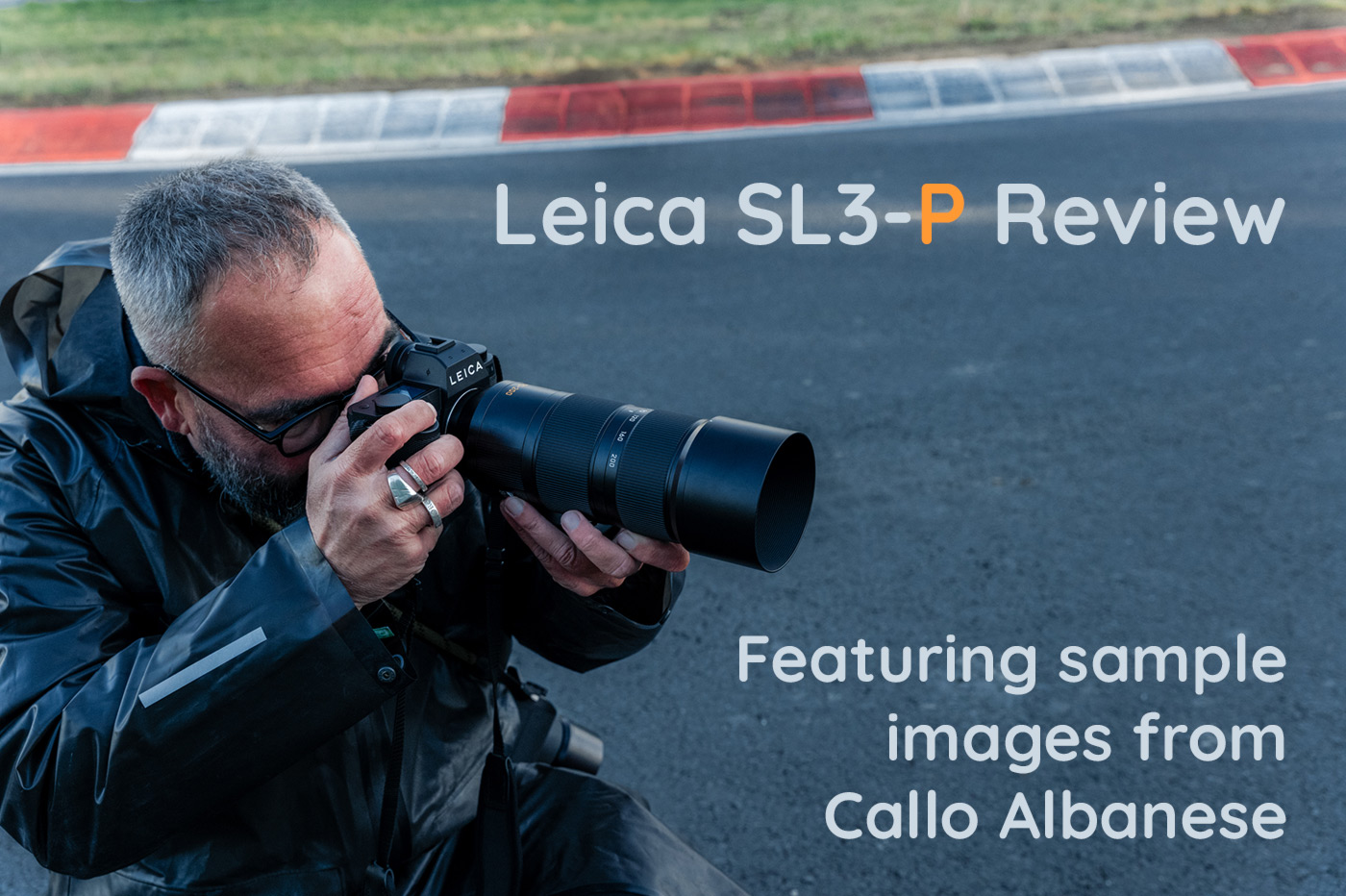
To find out how it stacks up, Gareth has created a hands-on video review below. We also have sample images from Callo Albanese, which he captured at the Nurburgring 24 Hour with F1 World Champion Max Verstappen, using a variety of L-Mount lenses. This is particularly relevant as Leica has chosen to show off this new release through motorsports, which is a challenging subject for any camera.
Whether you're considering an upgrade, thinking about joining the L-Mount for the first time, or simply interested in the most ambitious SL camera yet, join us as we look closer at the SL3-P, compare specs with the SL3 and SL3-S, and explore who this camera is best for, starting with release date and price.
When was it released and how much does the SL3-P cost in the UK?
Announced on 25th June 2026, the Leica SL3-P camera costs £5,150.00 for the body only. This puts it right in the middle of the SL range, presenting a new high-end option in the mirrorless hybrid landscape. It is also available in a number of kits, which are:
- SL3-P 28-70 Vario Kit £5999.00 with the Vario-Elmarit-SL 28-70 f/2.8 ASPH.
- SL3-P 24-70 Vario Kit £6299.00 which has the Vario-Elmarit-SL 24-70 f/2.8 ASPH.
- SL3-P 24-70 and 70-200 Vario Kit £8199.00 with both the Vario-Elmarit-SL 24-70 f/2.8 ASPH. and the Vario-Elmarit-SL 70-200 f/2.8 ASPH.
But what features does it offer for this premium price-tag? Let’s find out next.
What are the SL3-P most notable features?
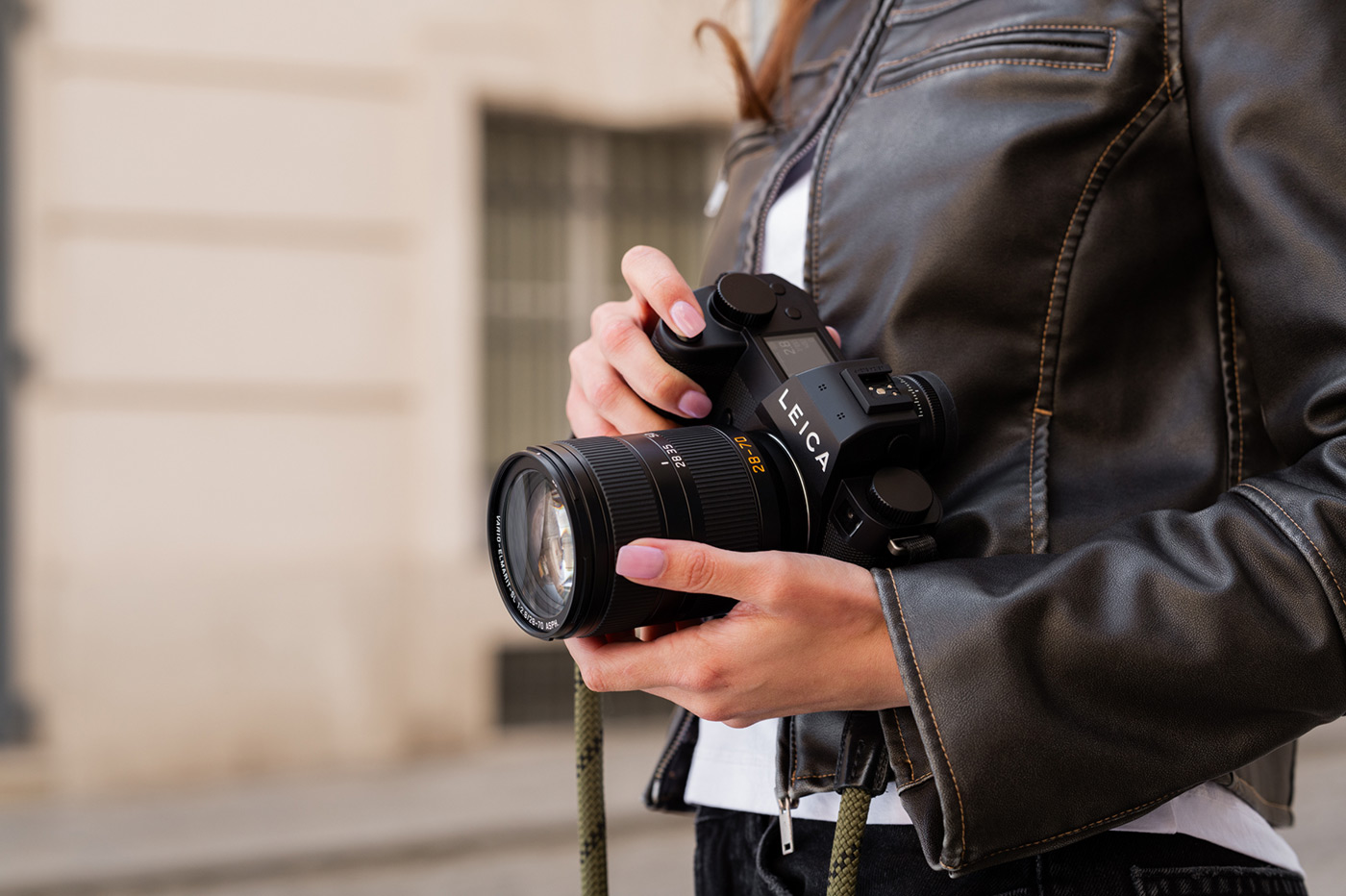
With the title of being named as Leica's most complete SL camera to date, what features does the SL3-P offer for photo and video creators to set it apart? Key features include:
- Leica's first SL-series P camera
- New back-side illuminated sensor with 44.2 megapixels
- Improved continuous shooting up to 40fps with AF-C
- New 819-point hybrid autofocus system
- New 8.1K Open Gate recording using the full sensor area
- Improved HDMI RAW output with 8K Open Gate
- Enhanced 5-axis IBIS with up to 5-stops of compensation
- New Leica Content Credentials technology with image authenticity
- Integrated Adobe Frame.io Camera-to-Cloud workflow support
- Improved EVF with 120fps refresh rate and reduced latency
- IP54-rated weather-resistant construction
- L-Mount compatibility with Leica, Sigma and Panasonic lenses
- Made in Germany
This is an impressive feature list with a combination of high-end stills and video capabilities that makes for a professional-ready camera. But has Leica really outdone the high-speed SL3-S camera with the newer model? If so, how?
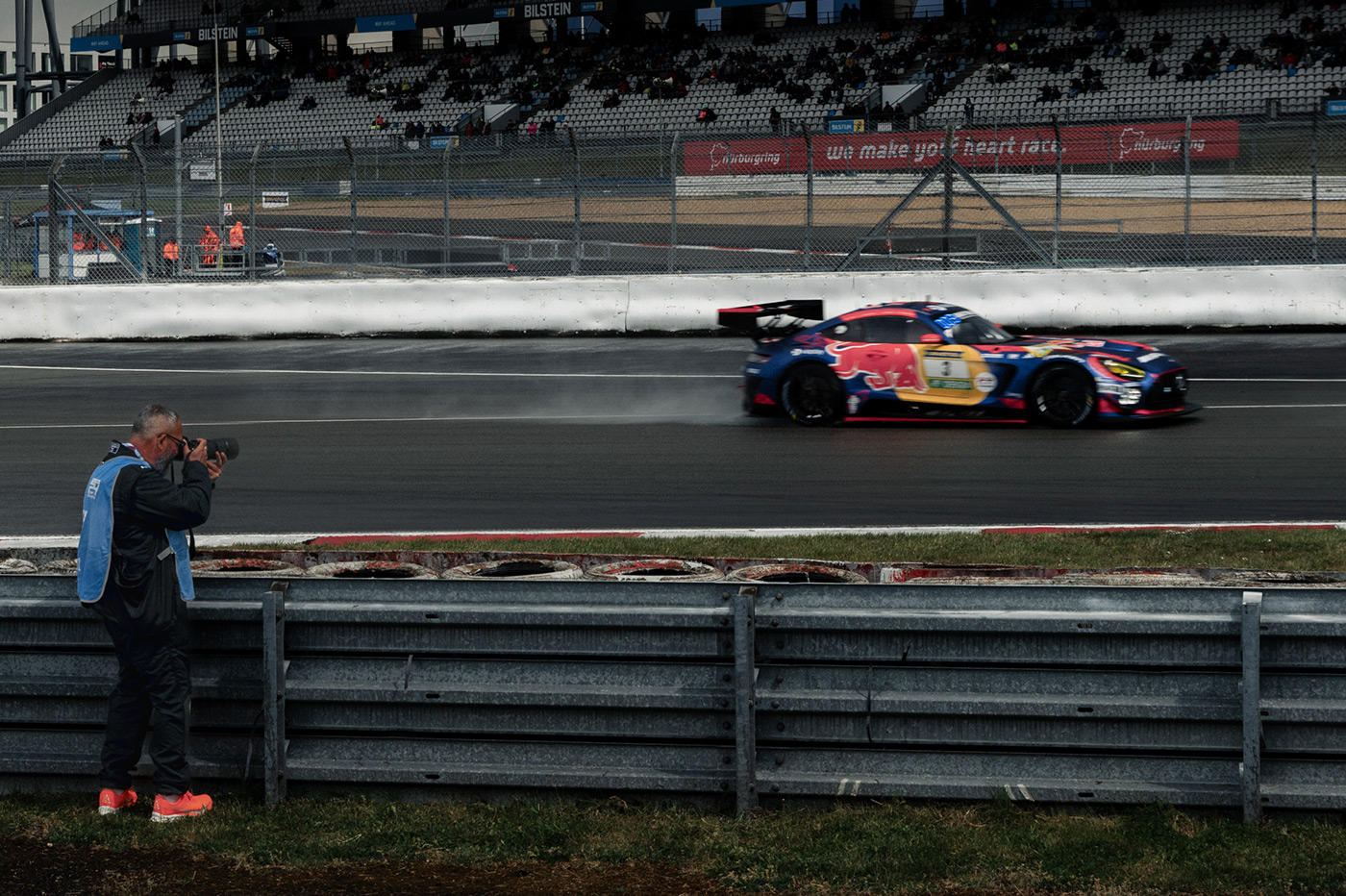
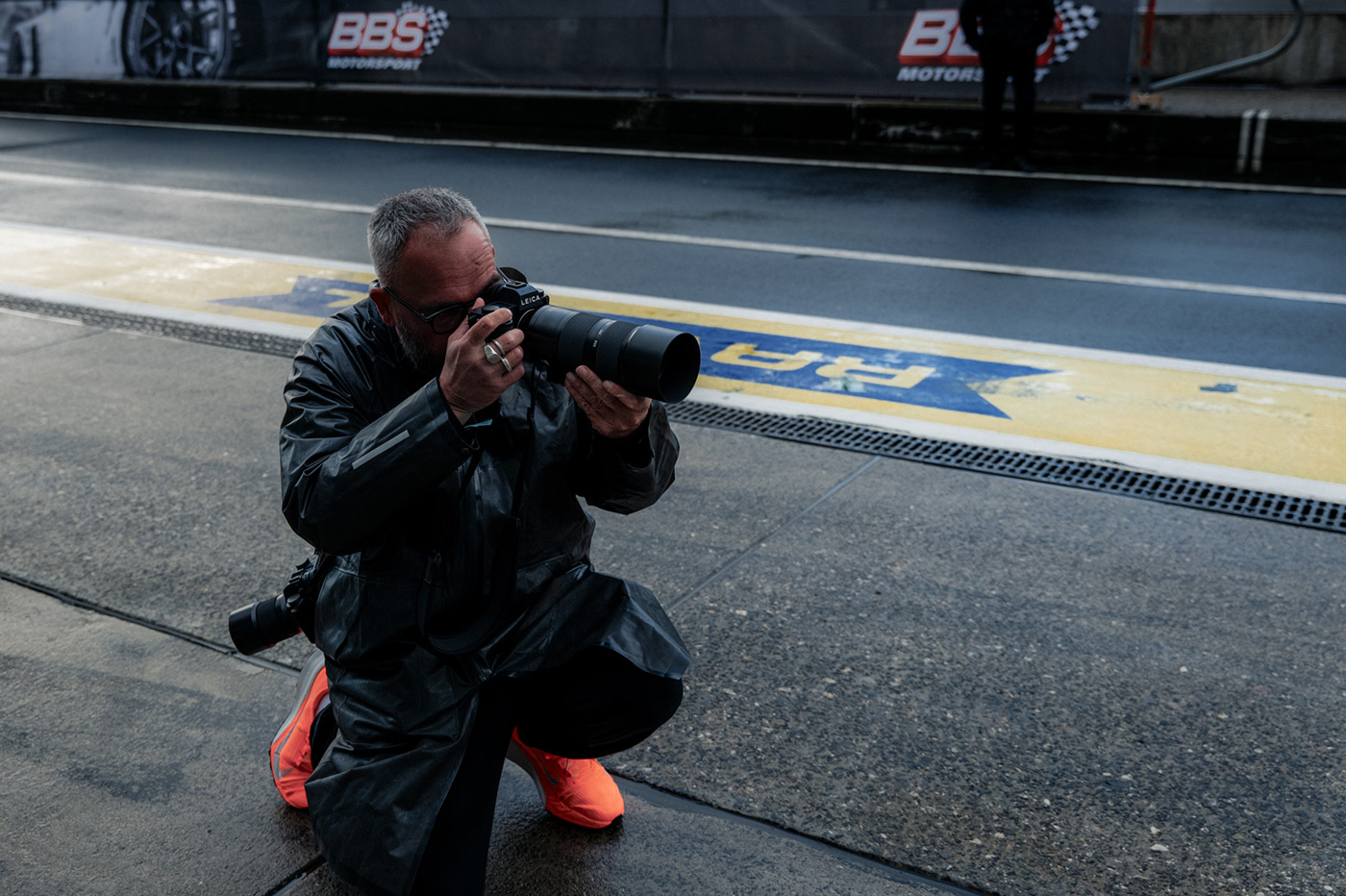
Callo Albanese shooting motorsports with this camera
Which is faster between the SL3-P and the SL3-S?
The SL3-P has a new 44.2MP full-frame sensor, which is paired with the Maestro IV processor. This is largely responsible for speed improvements compared to the SL3-S. Sensor readout drops from 51.3ms on the SL3-S to 39.6ms on the SL3-P, and faster readout also enables enhanced continuous burst shooting, increasing from 30fps to 40fps with full AF-C.
|
Camera |
Resolution |
Burst Rate |
|
SL3 |
60MP |
15fps |
|
SL3-S |
24MP |
30fps |
|
SL3-P |
44MP |
40fps |
The sensor also boosts video performance, enabling recording at up to 8.1K Open Gate in 3:2 format at up to 30p, as well as RAW 8K Open Gate over HDMI. This is key for hybrid creators who need both speed and resolution to satisfy professional content demands. Autofocus is perhaps even more critical for high-speed subjects though, and next we explore the new hybrid AF system.

Sample 01 with Summilux-SL 50mm f/1.4 ASPH. Lens. Camera settings: 1/640 sec. f/2.0. ISO 100. © Callo Albanese
Is the SL3-P new hybrid AF system better?
Leica has revamped autofocus for the SL3-P, expanding coverage to 819 PDAF points, up from 779 in the SL3-S. Machine-learning subject recognition has also been expanded to include Cars and Car Parts, with tracking now available for Human (Eye/Face/Body), Human (Eye/Face), Animal (Eye/Body) and Animal (Body).
The AF tracking algorithm has also been updated, delivering tangible performance benefits when autofocusing on fast-moving subjects compared to previous SL cameras. This will matter not only to anyone shooting sports, action and wildlife, but also street, documentary and any subject likely to move unpredictably.
This is the fastest and most advanced autofocus system Leica has fitted to an SL camera, which means we have a faster camera that features high-resolution stills and video with machine learning subject recognition. But does it also cater to landscapes, fine art, studio and commercial applications?
Is the SL3-P suitable for studio, commercial and portrait subjects?
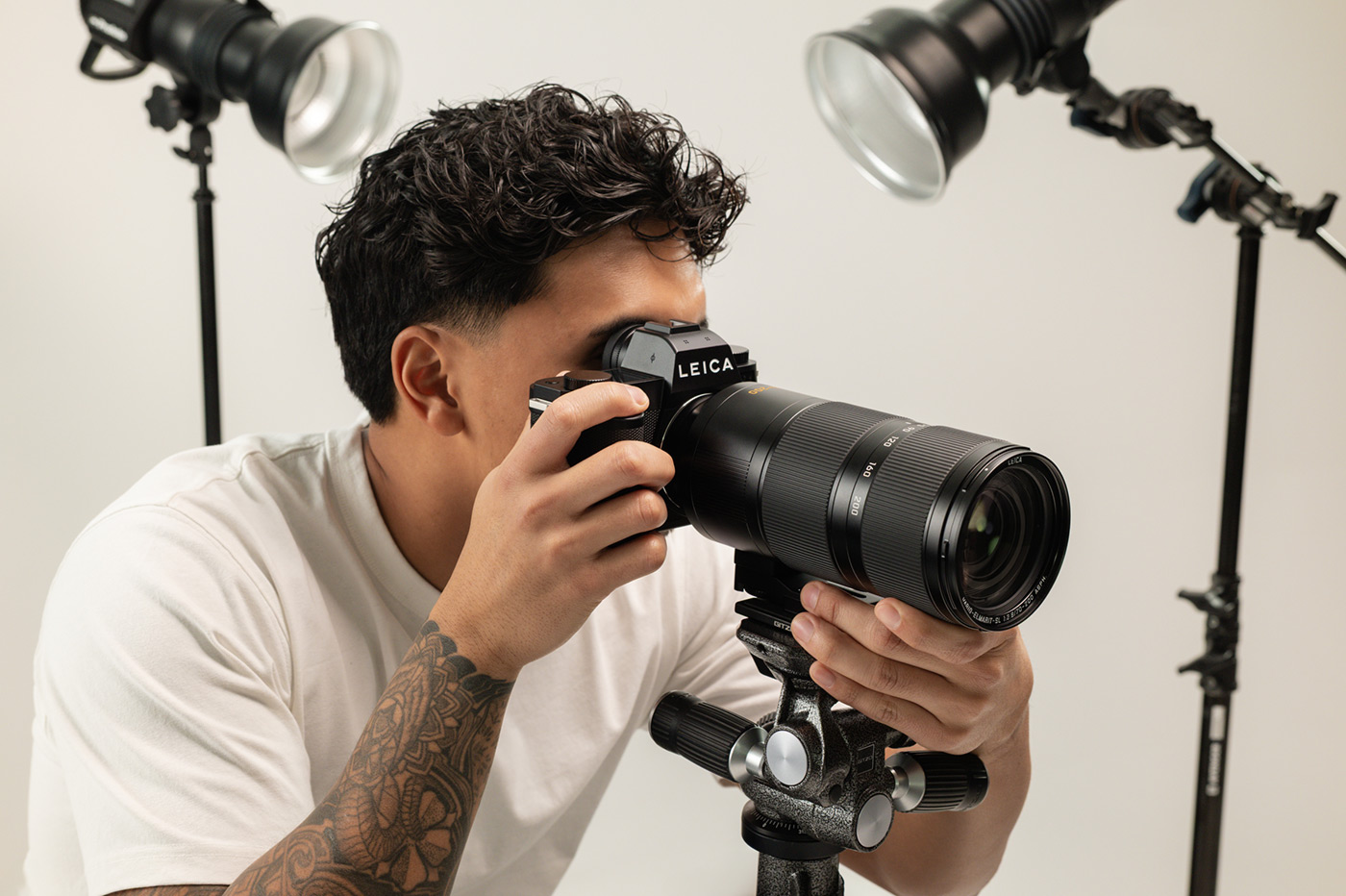
Yes. The 44.2MP sensor provides ample resolution for commercial, editorial and portrait photography, while also maintaining faster readout speeds. In terms of pure image quality, up to 14 stops of dynamic range, native tethering support for Lightroom Classic and Capture One, and compatibility with lenses such as the new APO-Macro-Elmarit-SL 100mm f/2.8 all make the camera very well suited to studio and client-based workflows.
Additionally, 176MP Multishot mode is still available for photographers who need ultra-high resolution images, for landscapes, architecture or interiors for example.
Content Credentials may also appeal to commercial photographers who benefit from, or even require, image authenticity and provenance records. Let's explore that next.
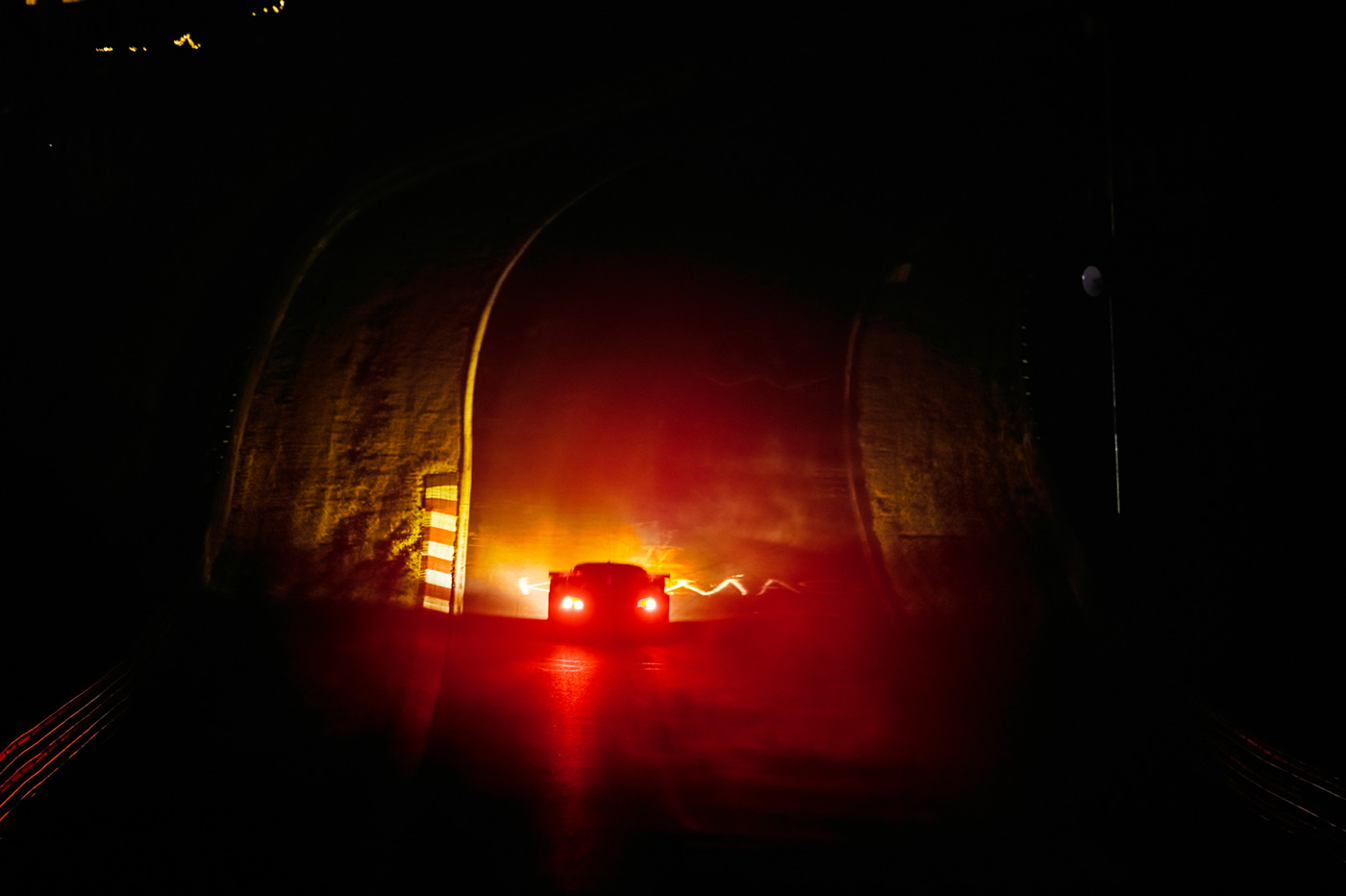
Sample with Leica Vario-Elmarit-SL 70–200 f/2.8 ASPH. Lens. Camera settings: 1/40 sec. f/2.8. ISO 3200. © Callo Albanese
Content Credentials for Leica SL cameras
Although the SL3-S was the first full-frame mirrorless camera with authenticity built-in, the SL3-P is the first SL camera with unrestricted Content Credentials. This means that images are embedded with tamper-evident metadata that complies with the CAI, addressing AI-generated imagery concerns, which sets this apart for certain media and editorial applications.
Next we look at video for moviemakers who are intrigued by this model.
Camera-to-Cloud / frame.io integration
Photographers and filmmakers can now upload directly to Frame.io from the body, speeding up collaboration between production and post-production teams.
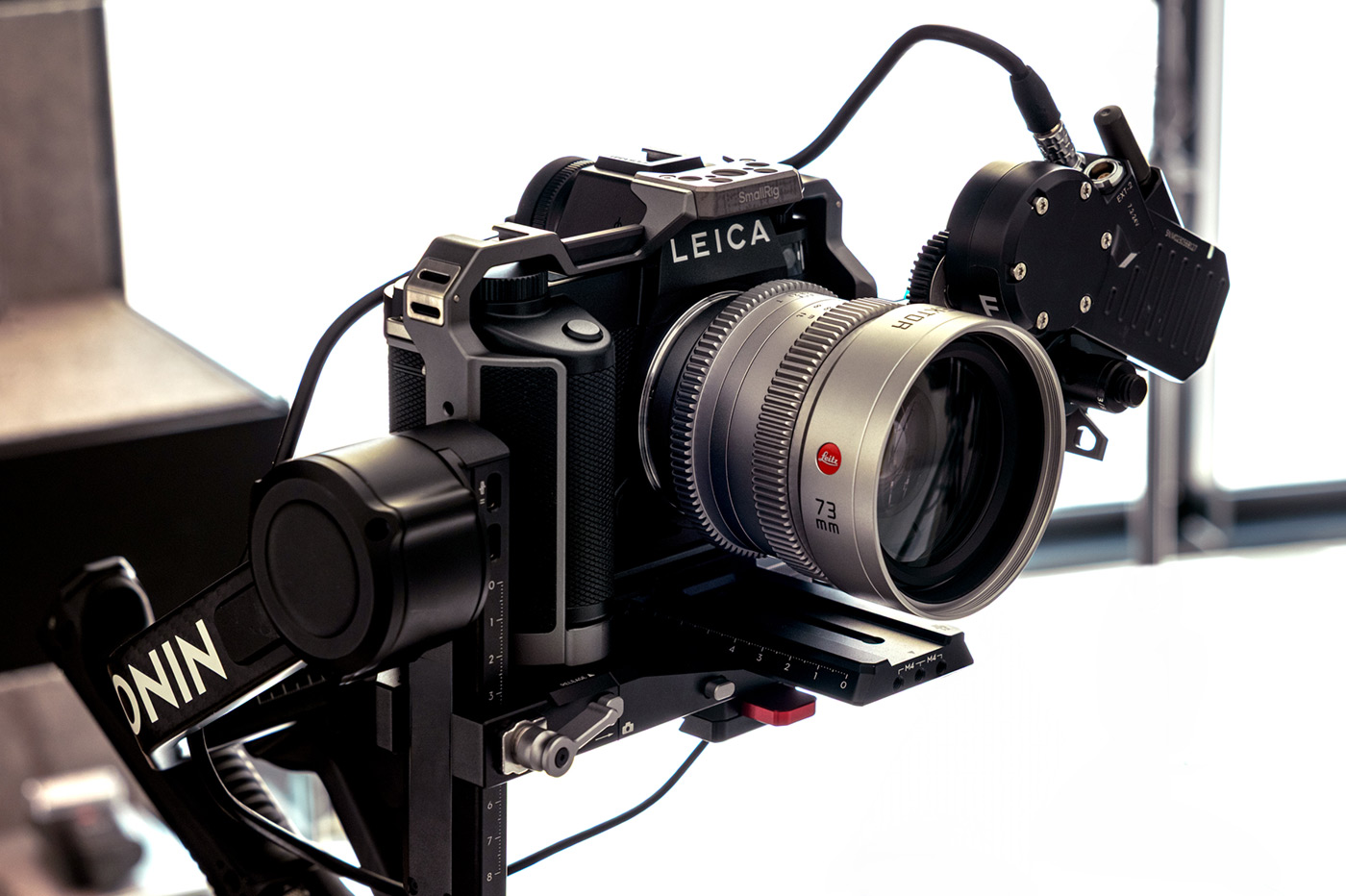
How good is the SL3-P for video?
Despite Leica opting not to add active cooling in order to maintain IP54 sealing and familiar ergonomics, the SL3-P is a highly capable video camera. It records 8.1K Open Gate in 3:2 at up to 30p and 5.9K at 60p, and can also capture slow motion in 4K at 120p.
Apple ProRes is supported at up to 5.8K, alongside two new in-camera LUTs for the L-Log colour space: Leica Pure and Leica Cine. This combination of RAW, Open Gate, 8K and high-speed 4K 120p allows content to be created for a variety of channels and purposes, including professional client-facing work.
With these video features it's easy to see why this is an appealing camera for professional content creation:
- Internal ProRes up to 5.8K
- H.264 and H.265
- 10-bit recording
- HDMI RAW output
- CFexpress support for higher bitrate recording
- L-Log, HLG and custom LUT support
Thanks to the faster sensor readout, the SL3-P should also exhibit reduced rolling shutter when recording certain video content, such as faster panning shots or when capturing fast-moving subjects.
This may indeed strike the perfect balance for L-Mount creators who capture hybrid content, and is perhaps the most compelling option for filmmakers with 8.1K Open Gate, 8K RAW and 4K/120p.
Before exploring usability and ergonomics, let’s pull all of these specs and features together in a comparison with the proceeding models.
What’s the Difference between the Leica SL3-P vs SL3 vs SL3-S?
All three SL cameras share the same L-mount, but each is suitable for different target users. The comparison tables below highlight the key differences between photography, video and build features to help you decide which model best suits your needs.
|
Photography |
SL3-P (new) |
||
|
Sensor |
60MP BSI CMOS |
24MP BSI CMOS |
44MP BSI CMOS |
|
Resolution Options |
60MP / 36MP / 18MP |
24MP |
44MP / 26MP |
|
Multishot Mode |
240MP |
48MP / 96MP |
176MP |
|
Dynamic Range |
Up to 15 stops |
Up to 15 stops |
Up to 14 stops |
|
ISO Range |
50-200,000 |
50-200,000 |
50-200,000 |
|
Sensor Readout Speed |
100.7ms |
51.3ms |
39.6ms |
|
Autofocus Points |
315 |
779 |
819 |
|
Autofocus System |
Hybrid AF |
Hybrid AF |
Hybrid AF |
|
Continuous Shooting |
Up to 15fps |
Up to 30fps |
Up to 40fps |
|
Image Stabilisation |
5-axis IBIS |
5-axis IBIS |
5-axis IBIS |
|
Content Credentials |
No |
Yes (with limitations) |
Yes (unrestricted) |
|
Video |
Leica SL3 |
Leica SL3-S |
Leica SL3-P |
|
Open Gate Recording |
8K Open Gate |
6K Open Gate |
8.1K Open Gate |
|
HDMI RAW Output |
8K RAW |
5.9K RAW |
8K Open Gate RAW |
|
Internal ProRes |
Yes |
Up to 5.8K ProRes |
Up to 5.8K ProRes |
|
Maximum 4K Frame Rate |
60p |
60p |
120p |
|
Maximum FHD Frame Rate |
120p |
120p |
120p |
|
Camera-to-Cloud |
Yes |
Yes |
Yes |
|
Build and System |
Leica SL3 |
Leica SL3-S |
Leica SL3-P |
|
EVF Resolution |
5.76M-dot OLED |
5.76M-dot OLED |
5.76M-dot OLED |
|
EVF Refresh Rate |
Up to 120fps |
Up to 120fps |
Up to 120fps |
|
Weather Sealing |
IP54 |
IP54 |
IP54 |
|
Lens Mount |
L-Mount |
L-Mount |
L-Mount |
|
Made in Germany |
Yes |
Yes |
Yes |
|
Launch Price |
£5,920.00 |
£4,500.00 |
£5,150.00 |
This illustrates how the trio is differentiated, with the SL3 as the highest-resolution photo-first option and the SL3-S focusing on speed and price, while the SL3-P has become Leica's most versatile full-frame hybrid, combining resolution, autofocus, burst shooting and video capabilities in a single body.
Build Quality and Handling
Like the entire SL system, and Leica cameras as a whole, the SL3-P is manufactured in Germany to very high standards and is intended to be reliable with a long service life. It features an all-metal magnesium and aluminium chassis with IP54 protection from dust and water. The body weighs around 768g without a BP-SCL6 battery, which is hefty while still being light enough to handhold comfortably.
As Leica's first P-series SL camera, the design is quite understated. The red Leica badge has been removed, there are black controls and more discreet branding, giving a more subtle appearance that lends itself to documentary, editorial and commercial shoots, while also benefiting action photographers who shoot from the sideline.
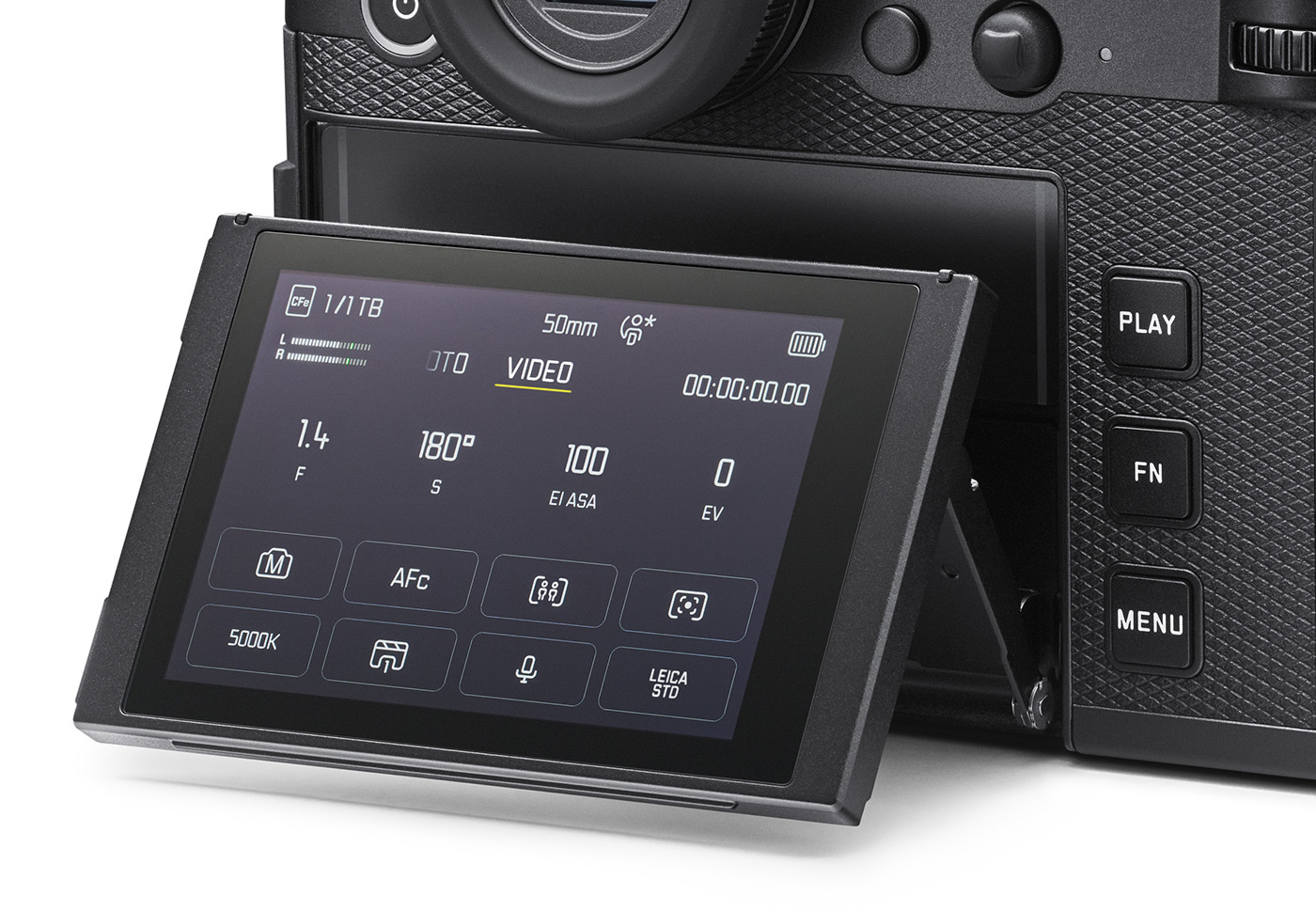
There are extensive customisation options, haptics, Leica’s a tilting touchscreen and high-resolution electronic viewfinder round out user-friendly features for enthusiasts and professional users.
Who is the Leica SL3-P aimed at?
The SL3-P is perhaps primarily intended for photographers and videographers who want a single camera for multiple uses. It combines the resolution needed for commercial and portraiture, with upgraded autofocus, fast burst shooting and professional video capabilities that also suit action, documentary and hybrid content creation, making it extremely well rounded.
It also provides the cachet of Leica branding with high build quality, ease of use and a host of L-Mount lenses to choose from Sigma, Panasonic and of course Leica themselves. This includes the new Leica SL Lenses announced for 2026, which complement the body perfectly.
Shop for the Leica SL3-P Camera Body today, or browse the entire SL system to find the perfect lens kit for your needs.
Share this post:
By Nick Dautlich on 25/06/2026

Nick Dautlich
Senior Content Writer and Product Reviewer
Nick Dautlich is the Senior Content Writer and Product Reviewer at Park Cameras, with over 15 years of photography experience. A Sony Imaging Professional and expert reviewer, Nick has worked with major brands such as Canon, Sony and Nikon. His work is also featured on Vanguard World UK’s website, Capture Landscapes, and Shutter Evolve. Nick’s photography includes National Trust projects and magazine covers and he is passionate about landscapes and storytelling. Nick also enjoys hiking and teaching his children about nature. Learn more on his profile page.
Trade in your old equipment
Fast and easy trade in service ensures your old gear is collected efficiently and you are paid quickly! It's very simple to trade in your unwanted photography gear. Just head over to our dedicated Sell or Part Exchange page, fill out the details, and we'll get back to you with an offer for your old gear. Take the cash, or put it towards the cost of your new gear. It's up to you! Find out more
sign up to the newsletter
Keep up to date on the latest photography news, events and offers. Sign up now