- Call us 01444 237070

-
- Back
- Used Cameras
- Used Accessories
- Used Lenses
- Back
- Used Canon Lenses
- Used Nikon Lenses
- Used Fujifilm Lenses
- Used Sony Lenses
- Used Micro 4/3rds Lenses
- Used Leica Lenses
- Used Panasonic Lenses
- Used Pentax Lenses
- Used Samyang Lenses
- Used Sigma Lenses
- Used Tamron Lenses
- Used Tokina Lenses
- Used Voigtlander Lenses
- Used Zeiss Lenses
- Used Hasselblad Lenses
- Used Video
- Used Film Equipment
- Used Stock Alert
- Used Blank Test
- Sell or Part Exchange
- Used Clearance
- Recently Added Used Equipment
- Park Picks
- Faulty
- Trade-In
- Blog
- New in
- Call us
- Contact us
- Stores
- Sign in
- Categories
- Tips & Inspiration
- Reviews
- News
- Events
- Features
- Buying Guides
- Competitions
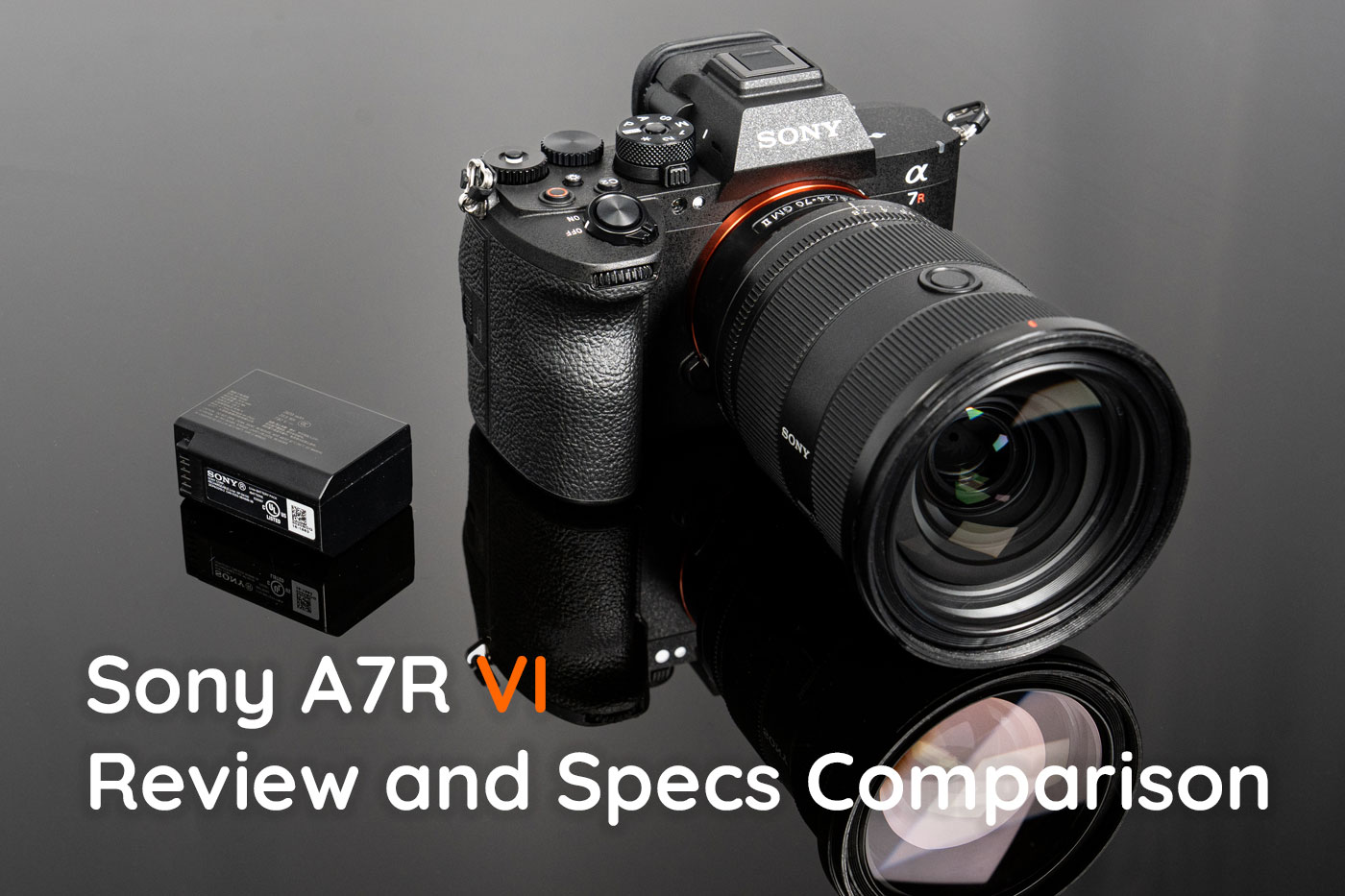
Sony A7R VI Review and Specs Comparison
Watch Gareth's video review here.
Sony’s long-awaited A7R VI camera boasts a new 66.8MP sensor, upgraded AI-powered autofocus, new blackout-free 30fps shooting and improved 8K video, making it the biggest update to the high-resolution Alpha series in years. In this hands-on Sony A7R VI review and A7R V comparison, we explore image quality, autofocus, handling and real-world performance to discover whether it’s worth upgrading.
Having used the A7R V as my main camera for more than two years, I was particularly interested to see these changes for everyday photography. This review also includes Gareth Evans’s hands-on video review, a detailed specifications comparison, sample images and first impressions after shooting with the latest flagship high resolution body.
Whether you’re considering an upgrade or simply want to see what’s changed, let’s begin with the UK price and release date.
Release Date and Price
Arriving 3.5 years after the previous generation's announcement, with a release on 13th May 2026, the price is £4,399.00 here in the UK. This price reflects its status as the industry's highest-resolution full-frame camera. Ever. Which we explore in a moment.
Before we discover the all-new sensor, it's worth knowing which lens kits will be available from the outset, as these also reflect the professional nature of this model:
- Sony A7R VI Camera Body Only: £4399.00
- A7R VI with FE 100-400mm f/4.5 GM Lens Kit: £8798.00
- A7R VI with FE 24-70mm f/2.8 GM II Lens Kit: £6098.00
- A7R VI with FE 70-200mm f/2.8 GM II Lens Kit: £6598.00
- A7R VI with FE 50-150mm f/2 GM Lens Kit: 7798.00
If you're new to the A7R series, it’s the range that puts image quality and resolution above all else.
The FE 100-400mm f/4.5 in the first kit is a completely new super telephoto zoom, which we explore in a different review. Click here to jump straight to the new Sony 100-400mm f/4.5 GM lens review.
With that covered, let's investigate the new core upgrades next, but brace yourself, as there are more than a few.

What are the 10 biggest upgrades?
There's a comprehensive specs comparison later on, but in the meantime the top 10 upgrades have been highlighted below. These go some way to showing what a significant release this is.
- Completely new 66.8MP stacked Exmor RS full-frame sensor
- Next-generation BIONZ XR2 processor with integrated AI processing
- Blackout-free shooting up to 30fps (electronic mode) with AF and AE tracking in 14-bit RAW compressed
- Pre-capture shooting with up to one second of buffered frames before shutter release
- Upgraded internal 8K 30p and oversampled 4K 120p video recording
- Improved AI subject recognition AF+ with new Auto mode
- New 32-bit float audio support via VX9581 XLR adapter
- 8.5-stop in-body image stabilisation with improved peripheral compensation
- New high-brightness 9.44 million-dot EVF with DCI-P3 colour gamut and HDR support
- Dual USB-C ports and a new higher-capacity battery platform for professional workflows
For creators who might be coming from another system, this gives you a sense of the calibre of this model.
There's an awful lot to unpack here, so next we explore each in more detail.

What benefits does the new stacked sensor bring?
Aside from increasing resolution by around 10% compared to the previous 60 megapixel sensor, what other benefits does the new stacked sensor bring?
First and foremost, the stacked sensor dramatically increases readout speed compared to the A7R V. This has several benefits, including reducing rolling shutter distortion during panning and handheld video recording, and also means that the body is far better equipped to capture wildlife, sports and action.
The new design is among the range's fastest-reading sensors, irrespective of the extremely high resolution, although still slower than the A9 III's global shutter and the A1 II, which is understandable. It does however equal the burst rate of the flagship A1 II now.
How much faster is the new sensor?
Thanks to being paired with the new BIONZ XR2 processor, continuous shooting is up from 10fps in the previous gen. to 30fps with AF and AE tracking in Electronic Shutter mode. Burst shooting is also completely blackout-free. The previous model suffers from blackout, which can make it difficult to keep up with a moving subject whilst maintaining composition.

Who benefits most from a stacked sensor?
The faster sensor benefits photographers who previously found the Alpha 7R V slightly limiting for action or hybrid content creation. It is capable of capturing billboard-sized images, whilst also catering more effectively to wildlife, sports and action.
Video creators also benefit, which we look at next.
Does the sensor improve video?
Yes. The faster readout speed improves 8K and high-frame-rate 4K by reducing distortion, and makes it a much more rounded hybrid than any previous model. It's still a photo-first, high-resolution choice, but now you can capture video without the same amount of wobble.
How does the Pre-capture feature work?
Faster shooting is accompanied by Pre-capture, which was sorely missed within the ecosystem until the A9 III was released. Implementation is effective, allowing photographers to buffer up to 30 images before the shutter button is fully pressed.
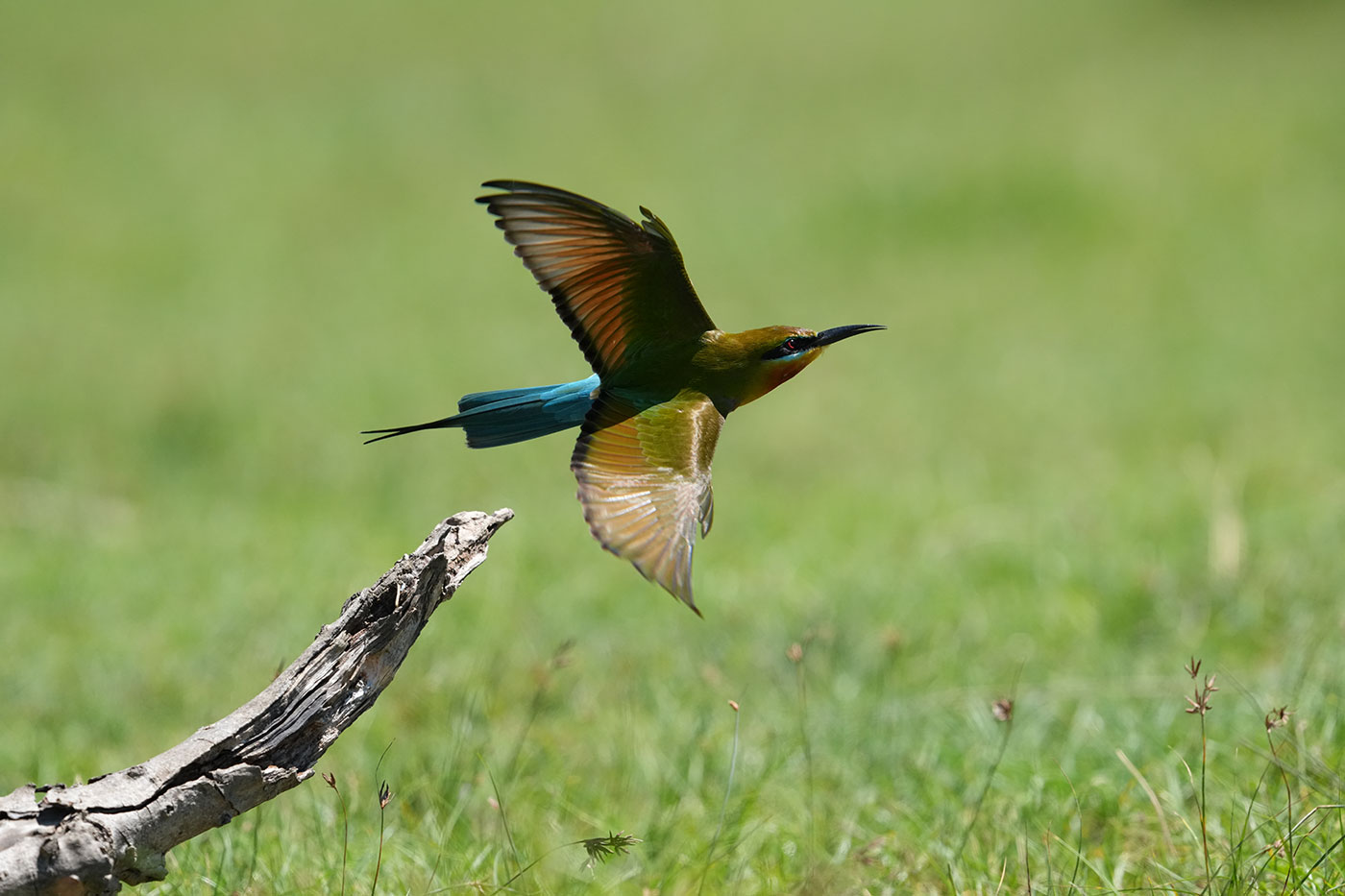
It records up to one second of frames before shutter release at up to 30fps with AF and AE tracking. It can be activated using a half-press, or by assigning a custom button to suit your preference. This is a feature I'm particularly excited to use when capturing birds and other wildlife, but it will be just as effective for sports, weddings, events and other genres where subjects are moving unpredictably.
Has Autofocus improved?
This lineup is known for very effective AF performance, and this model comprehensively improves on already very good capabilities. Upgrades to AF include:
- Improved AI-based subject recognition accuracy
- New Auto subject recognition mode
- Improved low-light AFperformance
- Up to 60 AF and AE calculations per second during continuous shooting
- Enhanced tracking persistence for fast-moving subjects
- Expanded Real-time Recognition AF+ support during video recording
- Improved recognition of even tiny non-human subjects compared to the A7R V
All of these should make a difference during real-world shooting, particularly the new Auto recognition mode and improved detection of smaller subjects. Having it automatically identify subject types reduces the need to stop and manually switch detection modes, which can easily interrupt the flow and cause missed shots.
Likewise, improved recognition of smaller wildlife and distant subjects also addresses one of the A7R V's limitations, particularly when photographing birds or small moving subjects against busy backgrounds.
The new-generation body delivers even more reliable focusing performance, improving on a system which many users have come to rely on.
Next we look at audio and video improvements.

What are the video specs?
All of the new technology combines to create a much more effective for video, with improvements not only to rolling shutter, but to video performance overall. The table below highlights video sample rates and crop modes.
|
Recording Mode |
Oversampling |
Crop |
|
8K 30p / 25p / 24p |
8.2K oversampled |
Approx. 1.2x |
|
4K 60p |
5.0K oversampled |
Full-frame |
|
4K 30p / 25p / 24p |
5.0K oversampled |
Full-frame |
|
4K 120p* |
5.0K oversampled |
Approx. 1.1x* |
|
Super 35 4K 60p / 30p |
6.3K oversampled |
Approx. 1.0x crop from Super 35 |
|
Super 35 4K 120p |
4.6K oversampled |
Approx. 1.4x crop from Super 35 |
*When 4K Angle of View Priority mode is disabled.
One of the major advantages of 8K is the ability to crop footage and still deliver 4K resolution, and it also adds a considerable list of new video functionality, which is covered after dual gain.
What is Dual Gain video recording?
The Alpha 7R VI also includes Dual Gain video recording, which improves shadow detail and reduces visible noise in difficult lighting conditions. Sony states that this produces smoother tonal gradation and improved flexibility during colour grading workflows, which I have yet to test.
Dual Gain is available during 4K recording up to 30fps and is particularly suited to landscapes and controlled cinematic scenes with limited subject movement.
Dual Gain limitations include:
- 4K recording only
- Maximum 30fps
- ISO limited to 400 in standard recording
- ISO 200–3200 in S-Log3
- Higher power consumption
- Slower sensor readout speed

What else is new for video content creation?
One of the headline upgrades is support for 32-bit float audio via the optional XLR-A4 Digital XLR Audio Adapter. 32-bit float effectively provides RAW audio in the form of a 32-bit float WAV recording that is less prone to clipping. If you do create professional video content, this will be a valuable improvement.
Dynamic Active stabilisation is added, which improves handheld footage during walking and moving compared to standard stabilisation. This is new to the A7R series but has been available in other models for some time.
LUT import and Monitor LUT support are also new, allowing you to preview graded footage whilst shooting in log profiles.
Auto Framing is a video feature that is especially beneficial for solo creators. It automatically crops and tracks subjects in the frame, producing more dynamic footage.
The body design also more effectively supports video content creation, which we explore next as part of the overall ergonomics, usability and body design updates.
Has the body design changed?
Yes. The body features a new grip shape, which differs from the A9 III, A1 II and other models, and is deeper for improved grip and stability when handholding. The grip also accommodated the larger battery. Buttons now light up for shooting in dark conditions, which is a feature I really value for low light landscapes and similar.
As mentioned for videography, there is now a tally lamp confirming recording.
The A7R V EVF is already beautiful, with plenty of resolution for confirming sharpness and composition, however even this has been improved. The new 9.44 million-dot EVF is up to three times brighter, supports HDR and has a wider colour gamut, which is DCI-P3-equivalent, keeping it among the best in class.
Other body updates include the addition of an IR sensor, which we discuss later thanks to its impact on image quality. Dual USB-C ports for simultaneous power and data transfer, an improved cable clamp with easier attachment and removal, and a new battery, which is beneficial given ever-increasing power demands. We look at that more closely next.

What is the new Sony Camera Battery?
The NP-FZ100 battery from 2016 has become ubiquitous with professional Alpha cameras, however it was time for the new Sony NP-SA100 Battery as power demands from 8K video, a new AI processing unit and other features increase consumption considerably.
Durability increases from around 440 shots in the A7R V to approximately 710 shots (LCD) in the new model, despite the enhanced feature set.
Capacity is now 2,670mAh and the NP-SA100 provides stable performance under high-load shooting conditions. Another benefit is faster charging, with an updated BC-SAD1 Dual Battery Charger that takes just 55 minutes to reach 80% for a single battery, whilst dual charging is also significantly improved compared to previous models.
A further useful addition is a new Health Check feature, which allows users to monitor battery condition via the menu and a compatible charger. This is a welcome addition, providing key health indicators spanning:
- Good
- Slightly deteriorated
- Deteriorated (replacement advised)
Of course, a new battery is always a double-edged sword for upgraders, who will not be able to use any existing spares with it. However, in my opinion these benefits far outweigh the cost of even one or two spares, which working photographers tend to need.
This is a good time to compare specs in a table, as there are many other small updates, including to Wi-Fi, low-light AF, shooting features and much more.
Specs Comparison
The specifications comparison table below lets you see at a glance the sheer number of upgrades made to the next body. The newer model is far more than a generational improvement, as implied, ushering in a new era for the series.
|
Specification |
A7R V |
Sony A7R VI (New) |
|
Sensor |
61.0MP BSI Exmor R CMOS |
66.8MP Stacked BSI Exmor RS CMOS |
|
Sensor Architecture |
Standard BSI |
Stacked |
|
Processor |
BIONZ XR |
BIONZ XR2 |
|
Dynamic Range (Max) |
15 stops |
16 stops with Dual Gain |
|
Continuous Shooting max. fps electronic shutter |
10fps (12 bit) |
30fps (14 bit) |
|
Blackout-free shooting |
No |
Yes |
|
AF/AE Calculations |
Not disclosed |
Up to 60x per second |
|
Phase Detection AF Points |
693 |
759 |
|
AF Low-Light Sensitivity |
EV-4 |
EV-6 |
|
Human Subject Recognition |
Eye/Face/Head/Body |
Eye/Face/Head/Body |
|
Human pose estmiation |
Yes |
Yes, upgraded |
|
Other subject recognition |
Animal, Bird: Eye / Head / Body Car/Train, Airplane: Leading end / Body Insect: Head / Body |
Animal, Bird: Eye / Head / Body Car/Train, Airplane: Leading end / Body Insect: Head / Body (smaller size) |
|
Image Stabilisation |
8.0 stops (CIPA) |
8.5 stops centre frame, 7.0 stops periphery (CIPA 2024) |
|
Pixel Shift Multi Shooting |
4 or 16 shots 240.8 MP Max. |
4 or 16 shots 265.8MP Max. |
|
Composite noise reduction
|
No |
Yes, (4–32 frames) |
|
Maximum Video Resolution |
8K 24p |
8K 30p internal |
|
4K Frame Rates |
Up to 60p |
Up to 120p oversampled |
|
4K Oversampling |
6.2K oversampled 4K |
5.0K and 6.3K oversampled 4K |
|
Dual Gain Recording |
No |
Yes (4K, up to 30fps) |
|
32-bit Float Audio |
No |
Yes, via XLR-A4 adapter |
|
EVF Resolution |
Approx. 9.44 million dots |
Approx. 9.44 million dots |
|
EVF Colour Gamut |
sRGB equivalent |
DCI-P3 equivalent with HDR display |
|
EVF Brightness |
Standard |
Approx. 3x brighter |
|
Rear Monitor |
4-axis multi-angle LCD |
4-axis multi-angle LCD |
|
USB-C Ports |
1 |
2 |
|
Battery |
NP-FZ100 |
NP-SA100 |
|
Battery Capacity |
2280mAh |
2670mAh |
|
Charger |
BC-QZ1 |
BC-SAD1 |
|
Custom Memory Presets |
3 total |
30 total (10 per mode across stills, movie, S&Q) |
|
RAW Compression |
Lossless Compressed, Compressed, Uncompressed |
Revised structure with reduced file sizes in Lossless Comp Compressed (HQ) Compressed |
|
Creative Looks |
Existing Creative Looks |
Existing Creative Looks + FL2 and FL3 |
|
Pre-Capture |
No |
Yes |
|
Continuous Shooting Speed Boost |
No |
Yes |
|
LUT Import and Monitoring |
No |
Yes |
|
Auto Framing |
No |
Yes |
|
Dynamic Active Stabilisation |
No |
Yes |
|
Tally Lamp |
No |
Yes |
|
Vertical Information Display |
Yes |
Yes |
|
Illuminated Controls |
No |
Yes |
|
Weight |
Approx. 723 g |
713 g with battery/card |
This comparison shows what a major upgrade the newer model is, with updates inside and out. There are also accessories accompanying the launch, which we look at next.
Has image quality improved?
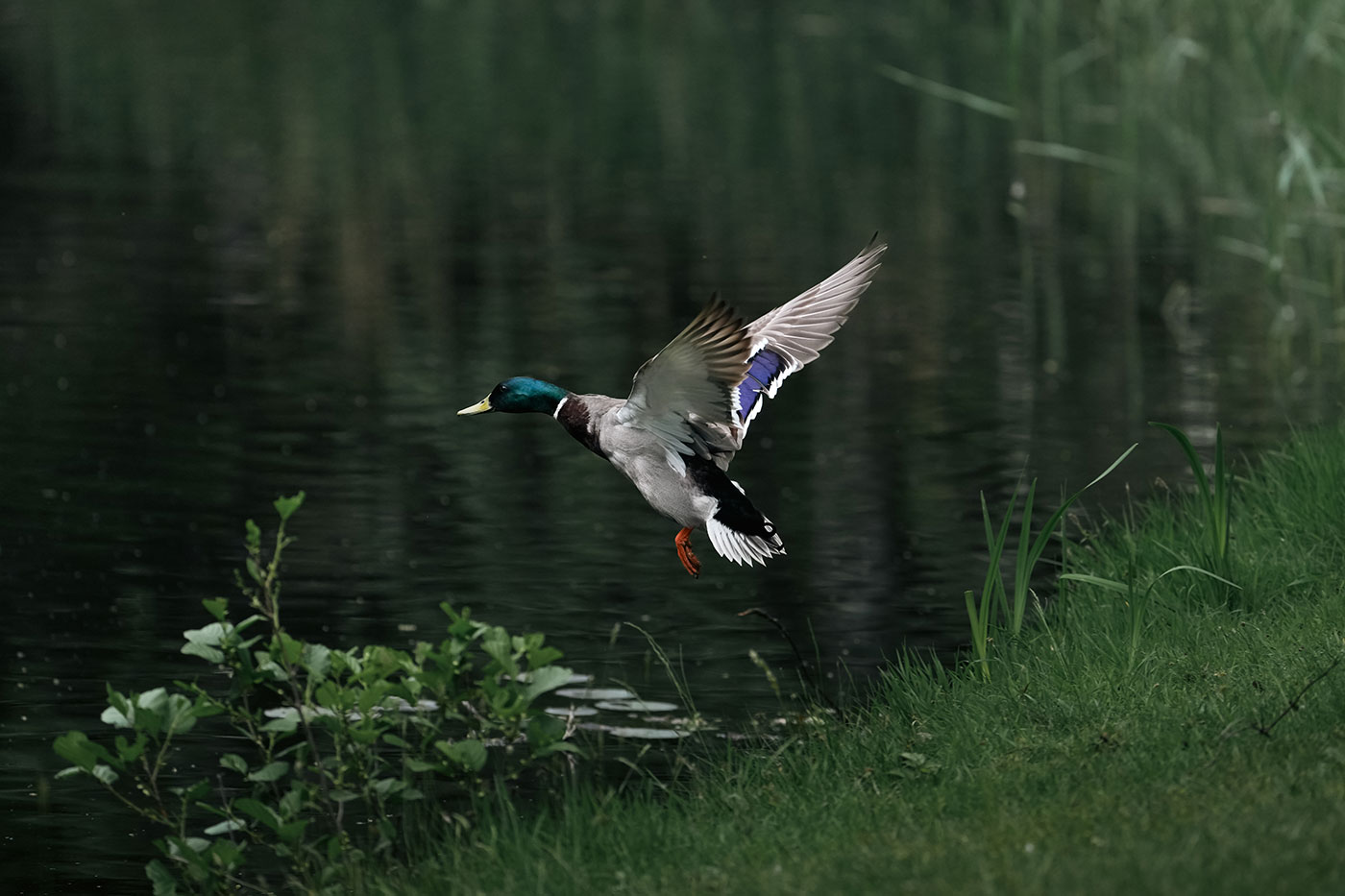
This series has always been about image quality, aimed at advanced enthusiasts and professional photographers who work across certain subjects. These include portraiture, weddings, events, landscape and architecture, fine art, art reproduction and others where high resolution is beneficial.
The latest model develops on image quality across the board, benefiting anyone shooting in any of these and other genres. Image quality improvements include:
- Expanded dynamic range up to 16 stops
- Refined shadow noise reduction for smoother tonal gradation
- Improved low-light image quality
- Improved Auto White Balance accuracy using visible light, IR sensing and AI-based light source estimation
- Up to 8.5-stop in-body image stabilisation in the centre frame
- Pixel Shift Multi Shooting up to 265.8MP
- Composite noise reduction using up to 32 frames
- Additional FL2 and FL3 Creative Looks added
- Expanded D-Range Optimiser options with more shadows and highlight detail
This all comes with even greater speed, aided by a refined RAW file compression structure with reduced file sizes, resulting in faster data writing and more images captured before the buffer fills.
Even at the highest resolution with uncompressed RAW files, you can capture around 130 images in mechanical mode at up to 10fps, or around 60 images in electronic shutter mode at 30fps. Using RAW compression expands this significantly to over 530 shots in mechanical or around 150 in electronic.
If your goal is to capture the very highest image quality as efficiently as possible, it rewards you in several ways, not least through higher resolution with even greater cropping flexibility.
In many ways the series has become the defining option for photographers, but this version is much more contemporary, and will appeal equally to hybrid creators as to those who need the very best image quality without the absolute ceiling of high-speed performance from A1 or A9 bodies.
With all of the updates, this review highlights how this has become the latest generation to lust after and may well also become another pivotal model, much like the leap between the A7R and the A7R II, or the A7R III from the previous generation.
We’ve come to expect that high resolution has to mean slower speeds but the company has once again disrupted the industry with a new sensor design combined with their latest processor, which dispels that concept. Whether you're new to E-mount or a long-time user like myself, the significance of this generation shouldn't be underestimated.
Reserve your Sony A7R VI Camera Body now, or explore the various lens kits in our Alpha mirrorless camera range to find the best setup for your style of shooting.
You can also get an instant quote to sell your camera equipment and use the money to offset the cost of upgrading to the new king of resolution.
Share this post:
By Nick Dautlich on 15/05/2026

Nick Dautlich
Senior Content Writer and Product Reviewer
Nick Dautlich is the Senior Content Writer and Product Reviewer at Park Cameras, with over 15 years of photography experience. A Sony Imaging Professional and expert reviewer, Nick has worked with major brands such as Canon, Sony and Nikon. His work is also featured on Vanguard World UK’s website, Capture Landscapes, and Shutter Evolve. Nick’s photography includes National Trust projects and magazine covers and he is passionate about landscapes and storytelling. Nick also enjoys hiking and teaching his children about nature. Learn more on his profile page.
Trade in your old equipment
Fast and easy trade in service ensures your old gear is collected efficiently and you are paid quickly! It's very simple to trade in your unwanted photography gear. Just head over to our dedicated Sell or Part Exchange page, fill out the details, and we'll get back to you with an offer for your old gear. Take the cash, or put it towards the cost of your new gear. It's up to you! Find out more
sign up to the newsletter
Keep up to date on the latest photography news, events and offers. Sign up now