- Call us 01444 237070

-
- Back
- Used Cameras
- Used Accessories
- Used Lenses
- Back
- Used Canon Lenses
- Used Nikon Lenses
- Used Fujifilm Lenses
- Used Sony Lenses
- Used Micro 4/3rds Lenses
- Used Leica Lenses
- Used Panasonic Lenses
- Used Pentax Lenses
- Used Samyang Lenses
- Used Sigma Lenses
- Used Tamron Lenses
- Used Tokina Lenses
- Used Voigtlander Lenses
- Used Zeiss Lenses
- Used Hasselblad Lenses
- Used Video
- Used Film Equipment
- Used Stock Alert
- Used Blank Test
- Sell or Part Exchange
- Used Clearance
- Recently Added Used Equipment
- Park Picks
- Faulty
- Trade-In
- Blog
- New in
- Call us
- Contact us
- Stores
- Sign in
- Categories
- Tips & Inspiration
- Reviews
- News
- Events
- Features
- Buying Guides
- Competitions
Tamron 12-20mm F2.8 Review
The Tamron 12-20mm F2.8 is a compact, ultra-wide zoom lens for full-frame Sony E-mount and Nikon Z-mount cameras, which marks a new direction for Tamron, but more on that later. It offers an expansive field of view, but at just 570 g (for Sony) it does so without the size and weight usually associated with ultra wide-angle F2.8 zooms, which is one of the main focuses of this hands-on review.
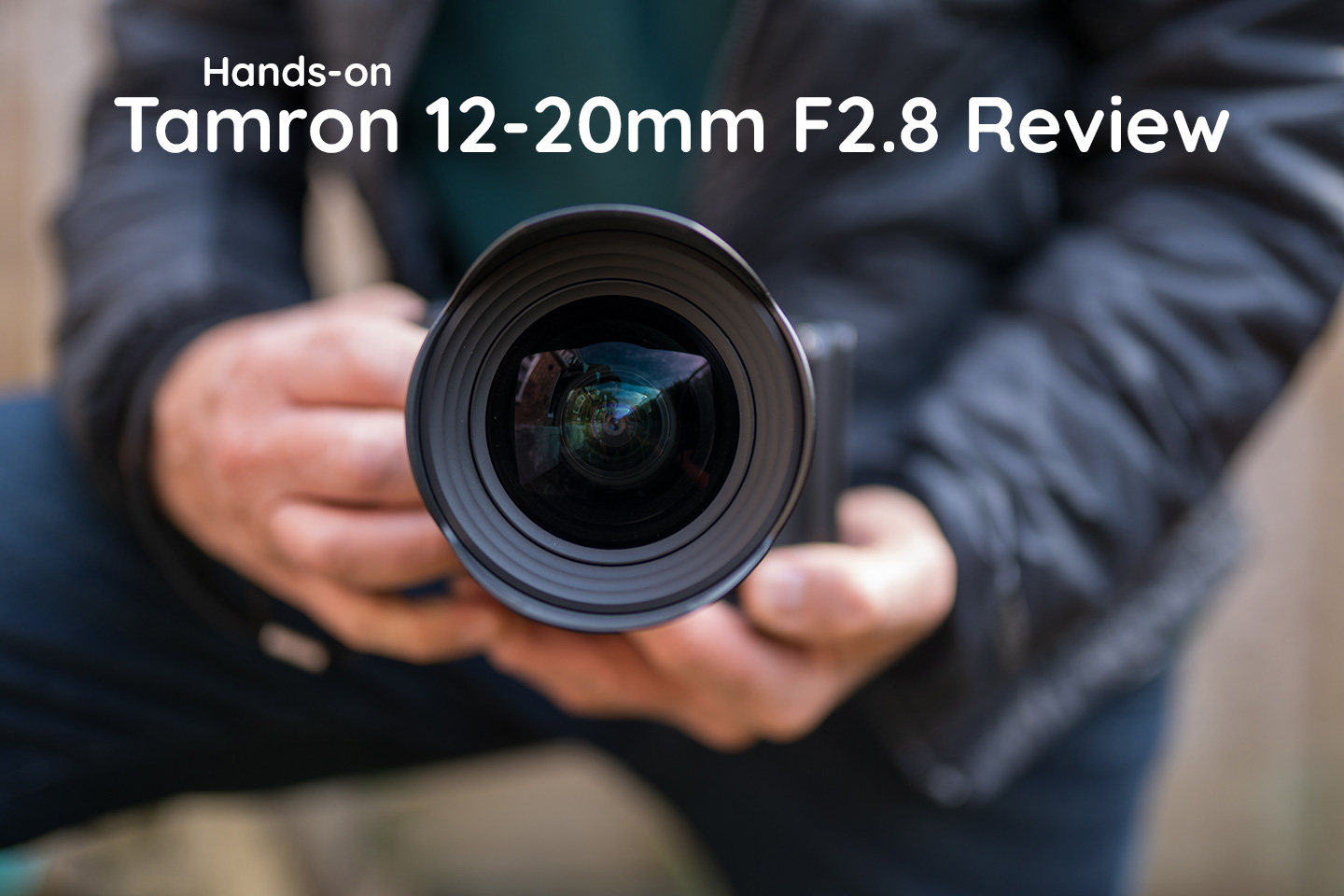
The 12mm starting point is incredibly wide which means of course it’s well suited to landscapes, architecture, or capturing interiors and small spaces. The 20mm end adds some useful flexibility for more conventional wide compositions including distinct environmental portraits, and thanks to the low weight, it even works quite well as an everyday walk-around option.
I was fortunate to have the lens for a few days, shooting with my 61 MP Sony A7R V. As it was autumn, I kept busy capturing misty landscapes, woodland and a few close-up subjects. There’s a lot to like about the handling and creative possibilities, but the question is whether this is right for your kit bag. Join us as we try to help you answer that through a variety of sample images and more.
ℹ️ Right click to popup images and get a closer look.
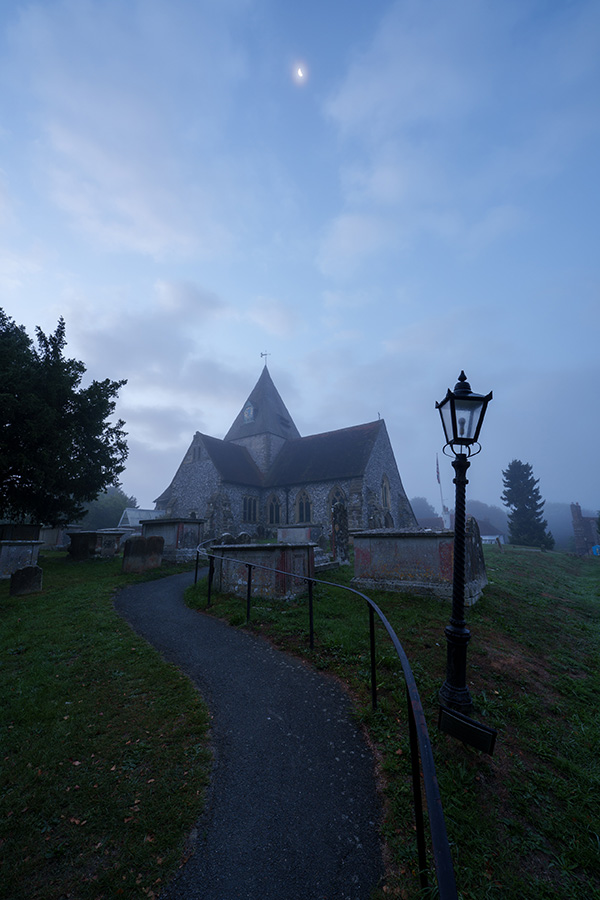
Sample 01 A misty churchyard beneath the moon at 14mm. Camera settings: 2.5 sec. f/8. ISO 100.
Price and release date
Both mount versions were released in the summer of 2026, with the Sony announced in July and the Nikon in August. The Tamron 12-20mm F2.8 for Nikon Z costs £1,529.00, whereas the 12-20mm F2.8 for Sony is £1,449.00. Although this is more pricy than other Tamron lenses, it’s extremely competitive in the ultra-wide space.
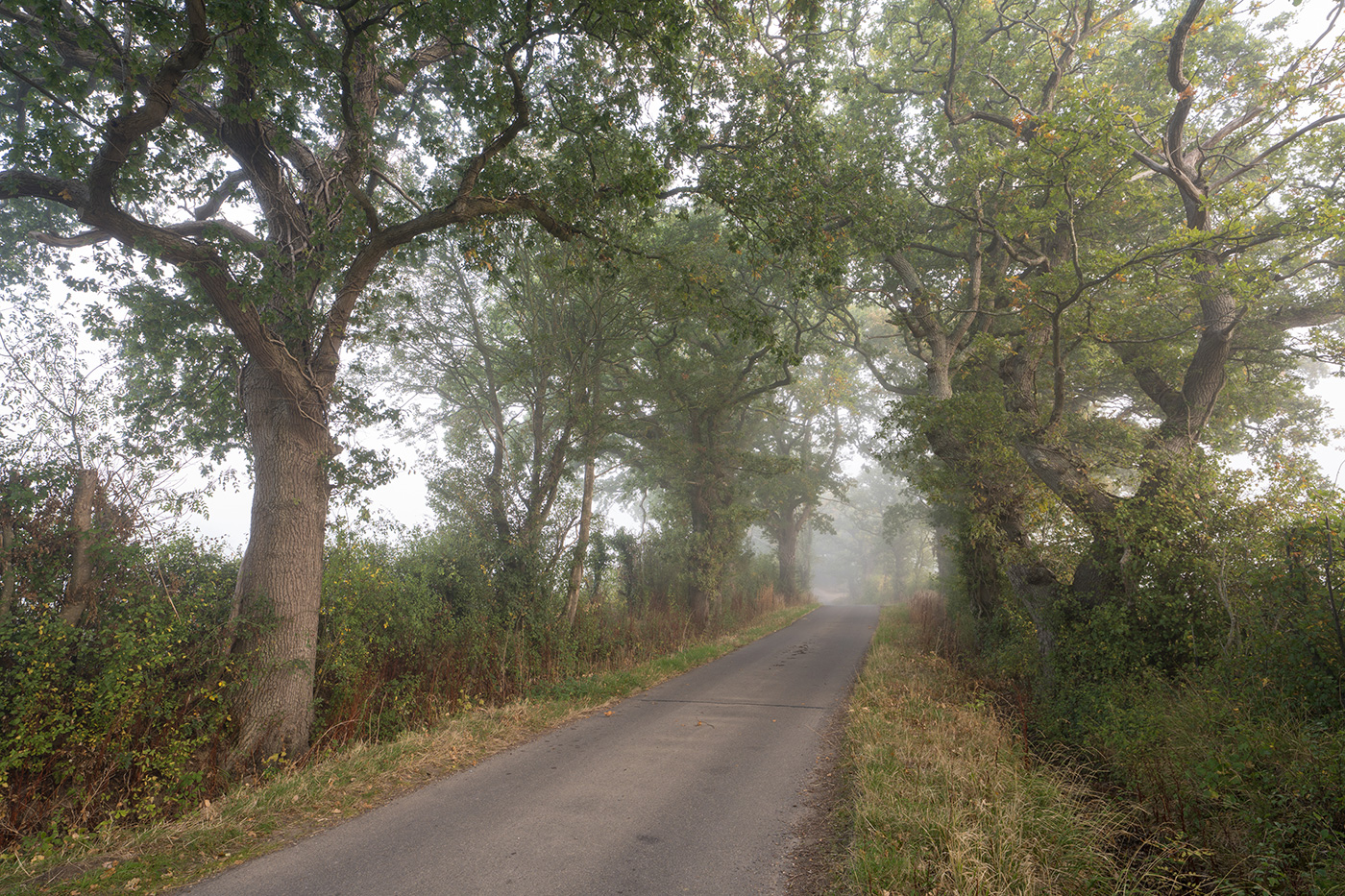
Sample 02 Tree lined foggy road at 20mm. Camera settings: 1/10 sec. f/5.6. ISO 100.
Key Specifications
See the table below for the most important specs you need to know.
|
Format |
Full-frame |
|
Maximum aperture |
Constant F2.8 |
|
Optical construction |
17 elements in 12 groups |
|
Autofocus |
VXD linear motor |
|
Minimum focus distance |
18 cm at 12mm |
|
Maximum magnification |
1:5.8 at 12mm |
|
Aperture blades |
12, rounded |
|
Filter compatibility |
Rear sheet filter holder |
|
Dimensions |
90 × 119.3 mm (E) |
|
Weight |
570 g (E), 585 g (Z) |
|
Weather protection |
Moisture-resistant construction |
This shows how it has all of the ingredients of a classic, albeit without the option to use standard threaded filters. Instead you’ll need to use a dedicated filter mount or rear gel filters, which we cover in more detail later.
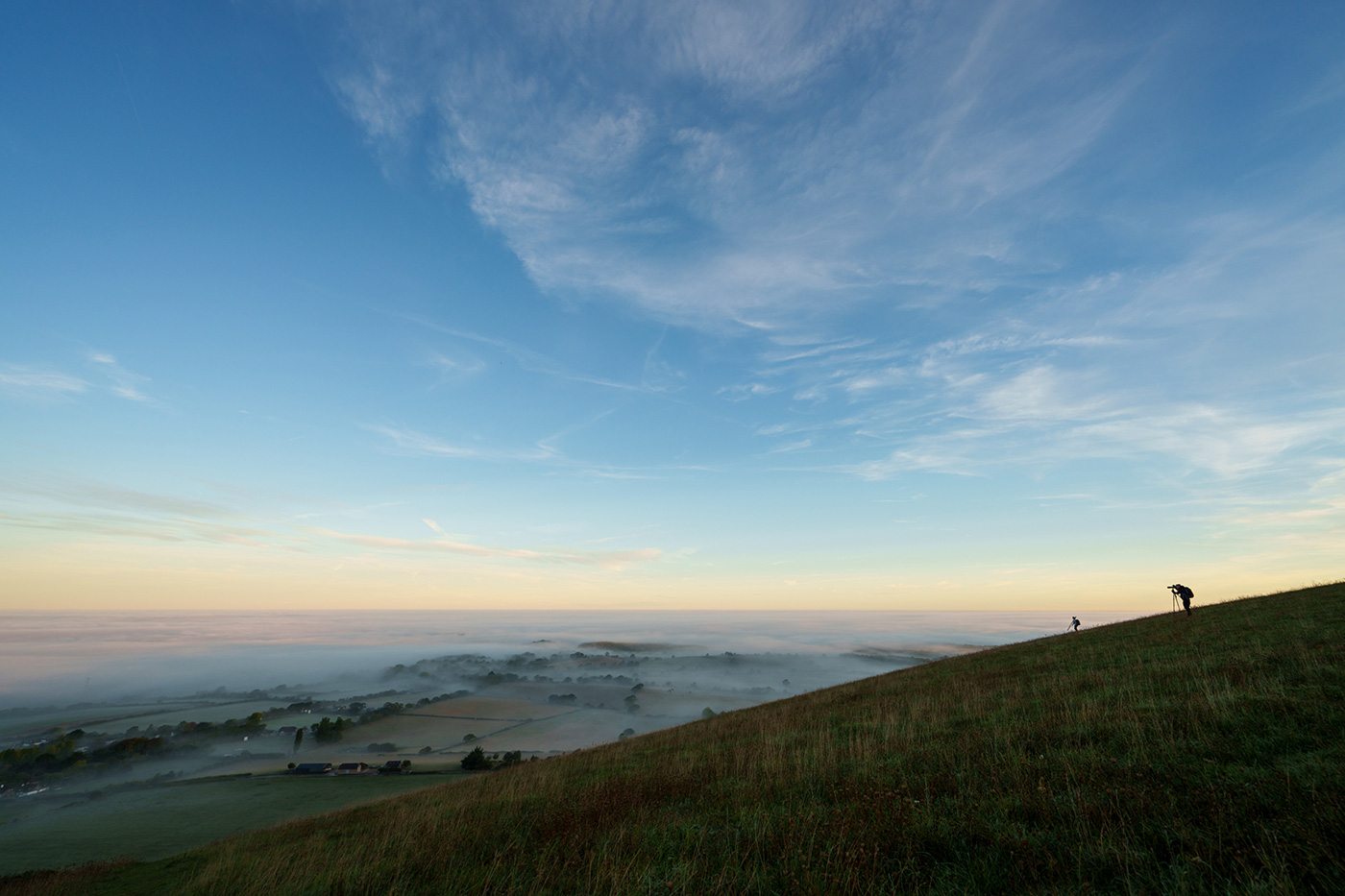
Sample 03 Landscape photographers at dawn in the weald at 15mm. Camera settings: 1/250 sec. f/6.3. ISO 160.
Build quality and handling
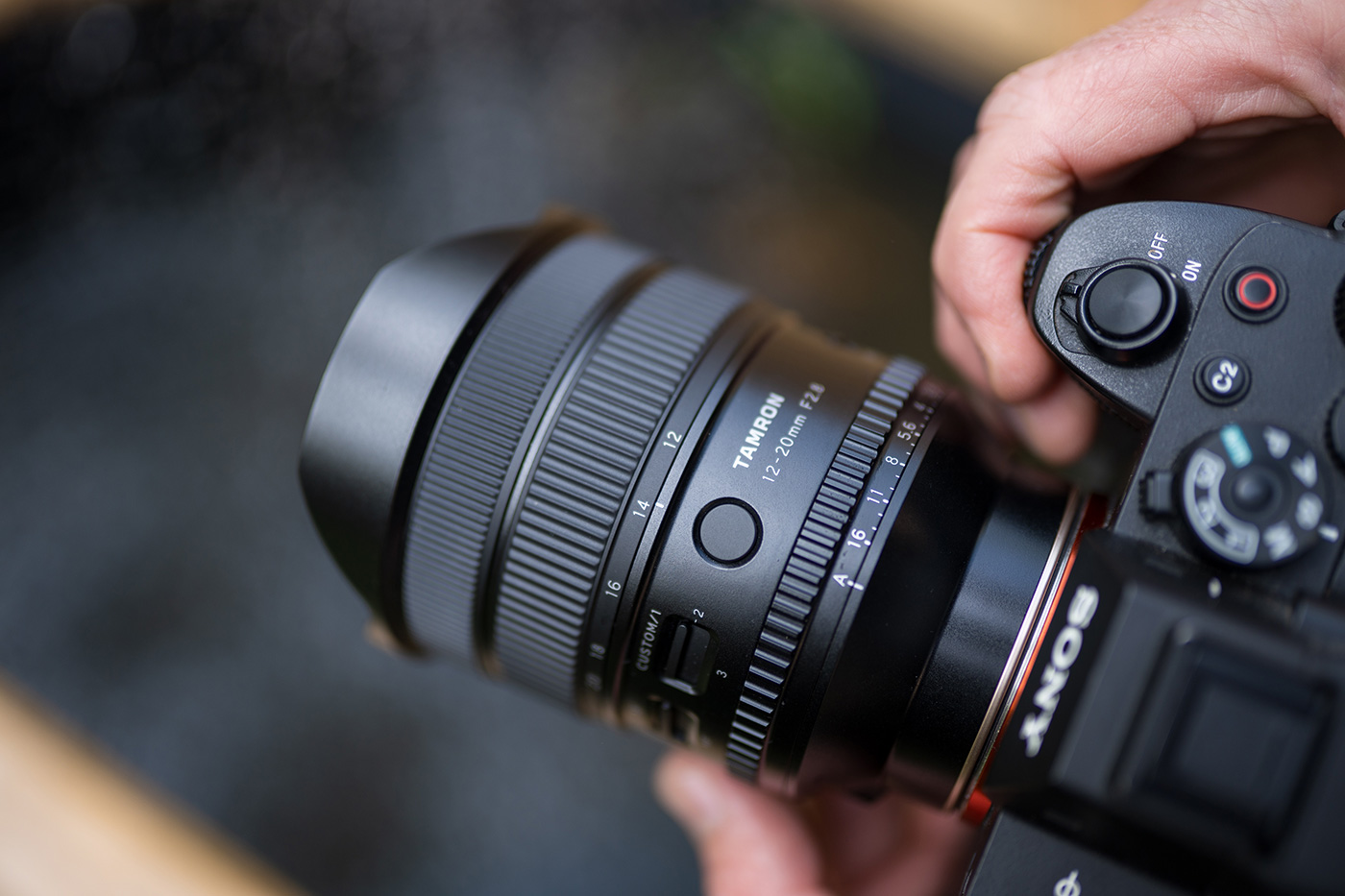
As mentioned, this marks a new direction. Previous models had comparatively straightforward barrels, whereas the 12-20mm has a far more comprehensive set of controls, along with new visual branding. These include:
Zoom ring, with internal zooming so the external length stays the same
- Manual focus ring, customisable through Lens Utility
- Aperture ring with an A position for camera-controlled aperture
- Click ON/OFF switch to enable or disable the aperture clicks
- Iris Lock switch to prevent accidental changes. This proved handy, as I switched the aperture by accident a couple of times before locking it off.
- AF/MF switch
- MF Lock switch, which is very useful for astro
- Zoom Lock switch, which works at the 12mm or 20mm ends to maintain a composition
- Custom switch for accessing functions
- Two Focus Set buttons, which provide access to functions in different orientations
- USB-C port
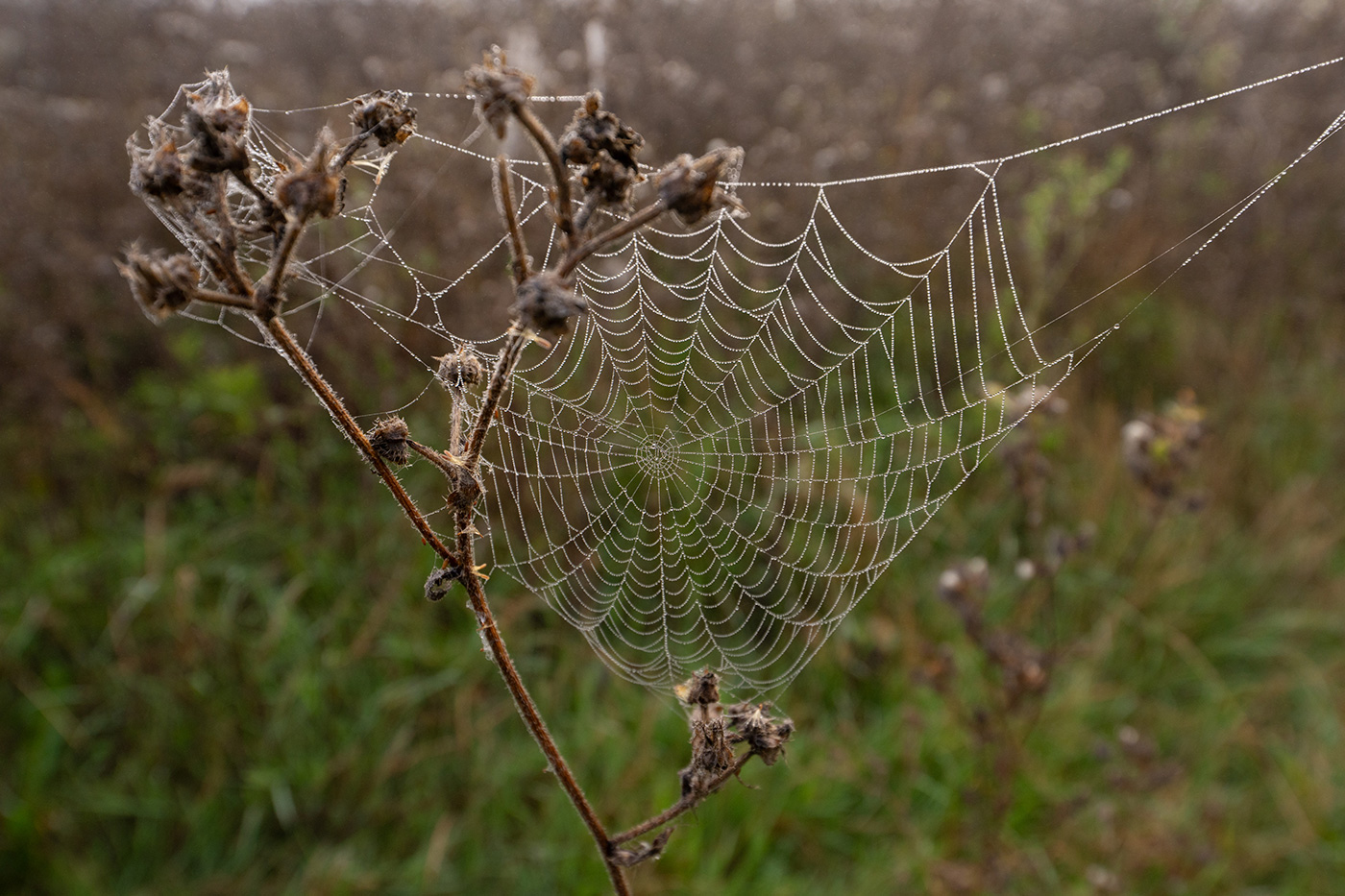
Sample 04 Dew Drops on a Spider’s Web at 18mm (very slight crop to remove sky). Camera settings: 1/500 sec. f/4. ISO 400.
Despite the array of controls, the first thing I noticed, after seeing how compact it is, was the low weight. Having shot with various ultra-wide options over the years, I found this noticeably lighter than most, yet it doesn’t feel chintzy at all. It’s well balanced on the camera body and doesn’t extend when zooming, which is always welcome.
The integrated hood is the reason you can’t add front filters, but at least it protects the bulbous front element, which is a common sight on ultra-wides like this.
The sheer level of control improves usability for both photography and video. It allows for quick changes in the field, customisation to suit how you like to work, and a faster workflow overall.
In practice, example mean that you might switch on focus peaking or set Eye AF straight from the barrel. You can use a gimbal without the balance changing, use Linear mode for cinematic focus pulls, and build muscle memory with regular use, so you won’t even need to look up after a while.
I didn’t reach that point in the few days I had it, but the convenience will definitely appeal to regular users and shouldn’t be overlooked.
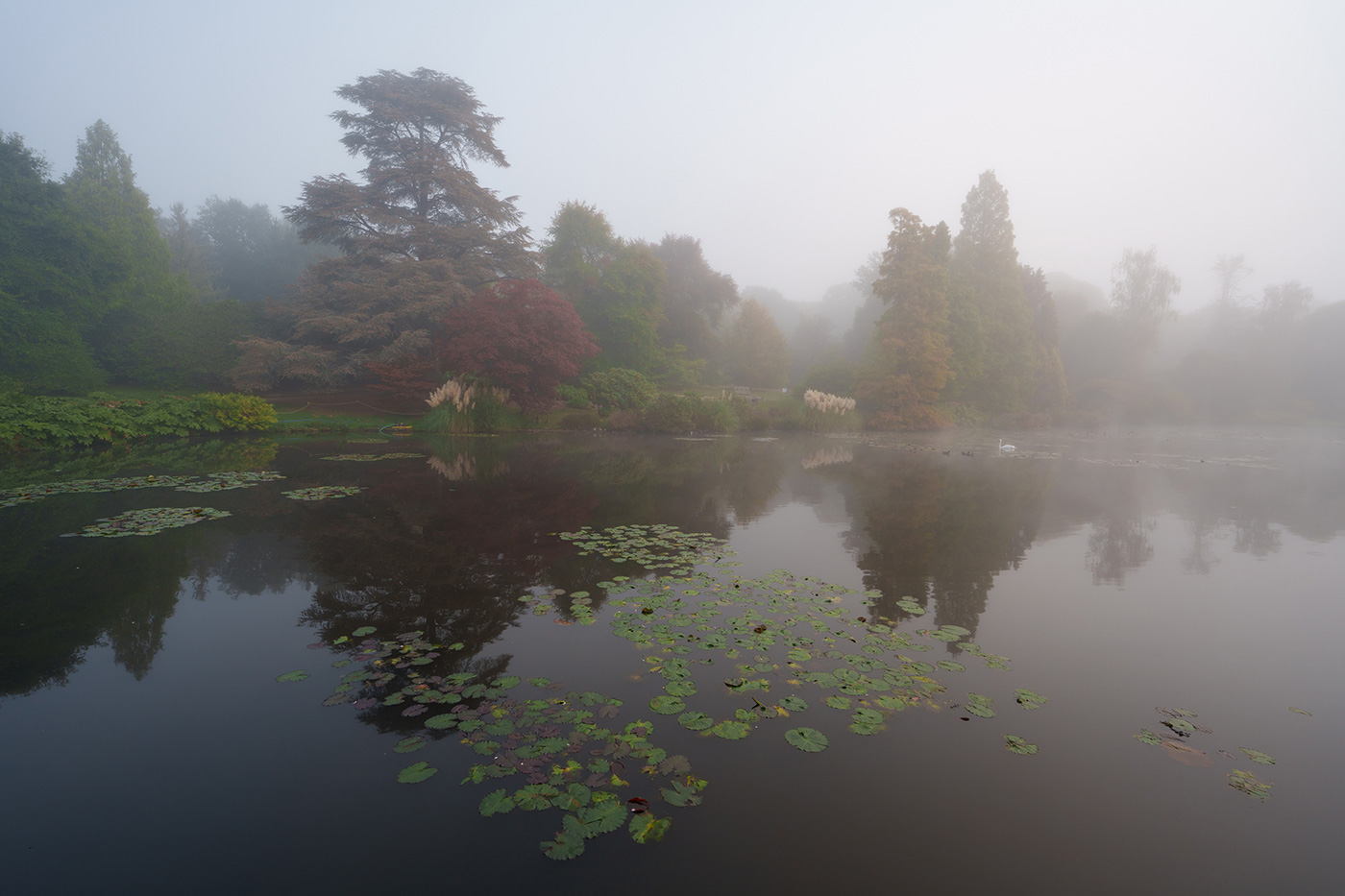
Sample 05 A Lakeside Landscape Almost Devoid of Colour at 16mm. Camera settings: 1/250 sec. f/5.6. ISO 160.
In the field
A few things stood out during use. Some ultra-wide models have a lens heater retainer, which is a dedicated feature for astro and night photography. This lens doesn’t, yet it never misted up, even in extremely damp conditions and dense fog. It is also weather sealed, which is essential for a pro outdoor tool, and has a fluorine coating, although I’d avoid touching the front element if you can!
The lack of filter support may feel frustrating, particularly if you want to use a CPL. In my experience, polarising produces uneven results at these kinds of focal lengths, whether you’re darkening skies or controlling reflections. If you need an ND filter however, the alternative is to use a fixed rear-mounted filter, rather than a VND.
Overall, it is really easy to use, both handheld and on a tripod and handled every subject I pointed it at without compromise.
Packaging and Box Contents
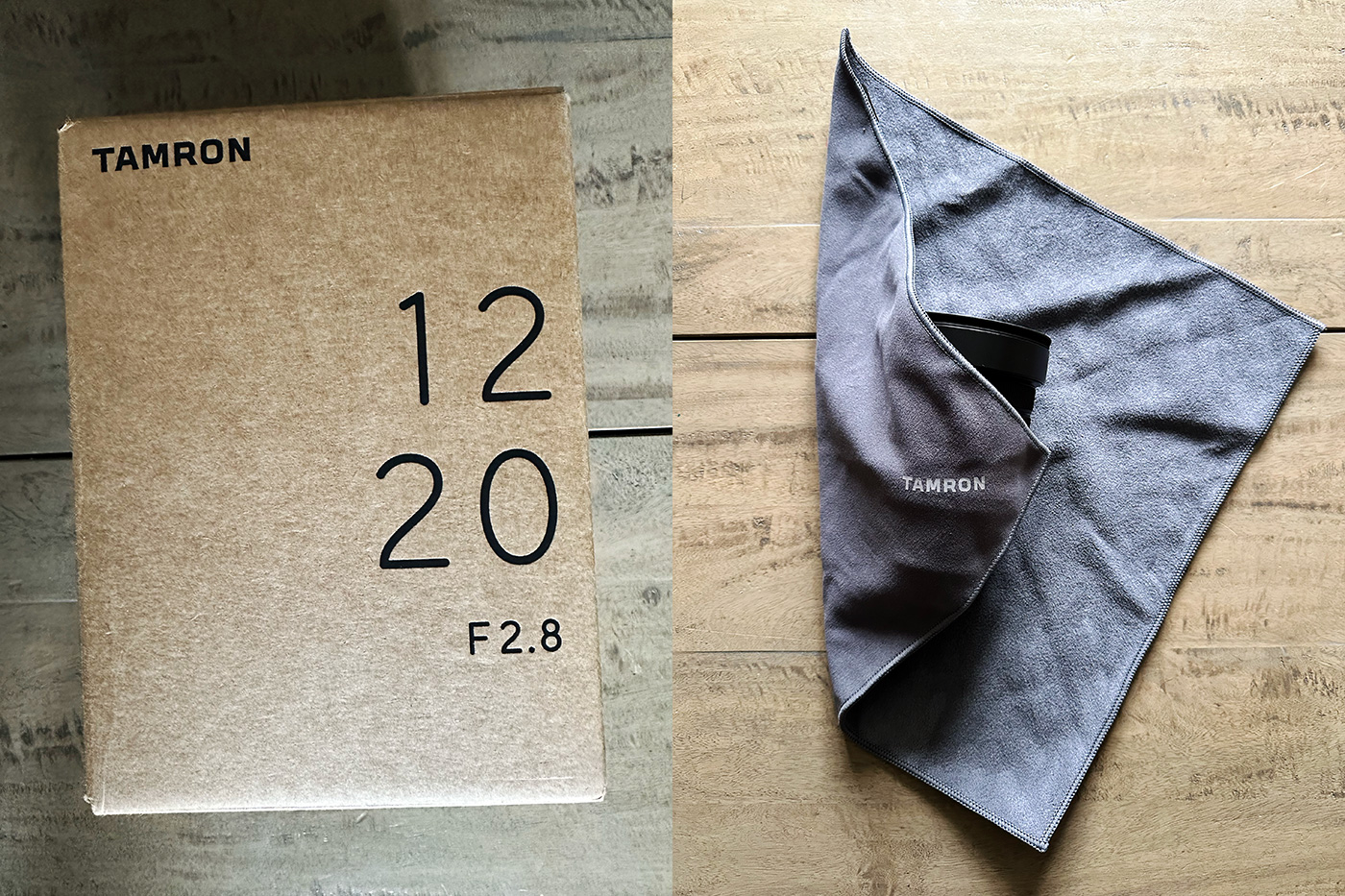
A nice touch is the updated cardboard packaging, which looks simple compared with the glossy boxes we typically see with electronics. It’s a welcome change and in keeping with an environmentally conscious approach.
Inside, you get the lens, front and rear caps, and a very nice protective wrapping cloth. Its self-gripping surface sticks to itself when folded around the lens, protecting it from dust and scratches in your bag. It’s a generous addition that I would definitely use, thank you very much!
How good was it at focus?
Some photographers prefer manual focus for landscapes, astro and similar subjects, but you will inevitably rely on AF in some situations. This uses the VXD (Voice-coil eXtreme-torque Drive) linear motor, a top-notch system that delivers fast and quiet results.
I didn’t shoot many fast-moving subjects, but a group of bulls at dawn, a slow-moving road locomotive and a couple of other subjects were tracked without any issues.
Perhaps more important is the minimum focusing distance, which is 18 cm at the wide end and 28 cm at the other. That is good, allowing for exaggerated compositions, albeit without especially high magnification (1:5.8 and 1:9.1 respectively).
Samples such as the spider web at 18mm show how well it responded, and I found it very sharp in the centre even when shooting close to the minimum focus distance. This makes it a more versatile option, especially if you like to get close and creative with your subjects or have a distinct foreground element.
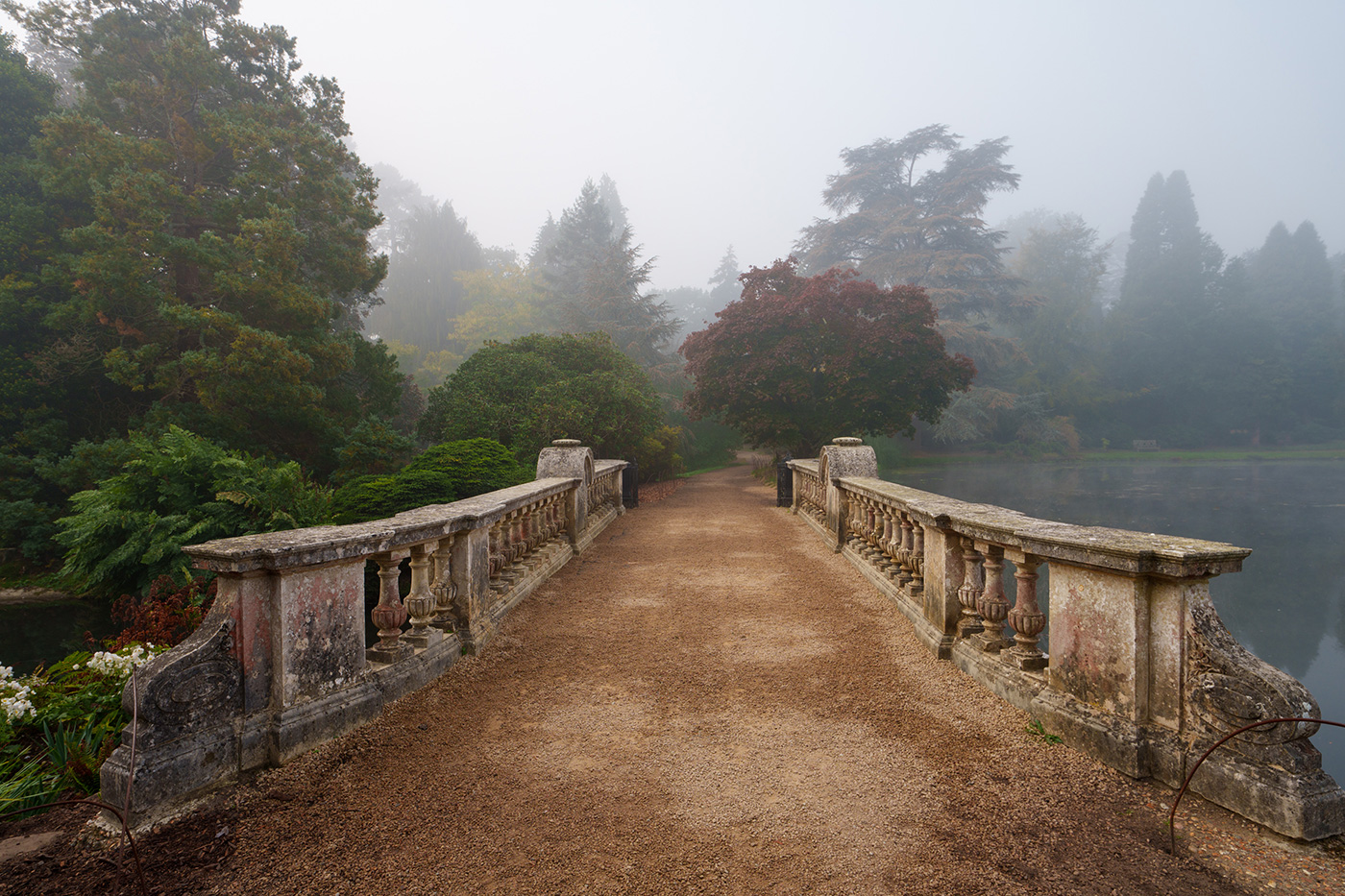
Sample 06 Stone Bridge Leading into a Misty Autumn Landscape at 16mm. Camera settings: 1/250 sec. f/5.6. ISO 125.
The autumn leaves are another example of close focusing. I can’t remember exactly how close I was, but it was towards the minimum, and there were no issues with focus or sharpness. You can also create some subject separation despite the depth of field, which is useful when you need it.
Fog was another challenge, and overall the lens worked really well. Although this specific Sony camera isn’t the best at low-contrast, low-light scenes, where there was an edge or clear subject separation, it locked on and acquired focus effectively.
Once again, the 12-20mm was practical and easy to work with, and it simply got on with the job of focusing without my having to think about it, which is exactly what you want when shooting.
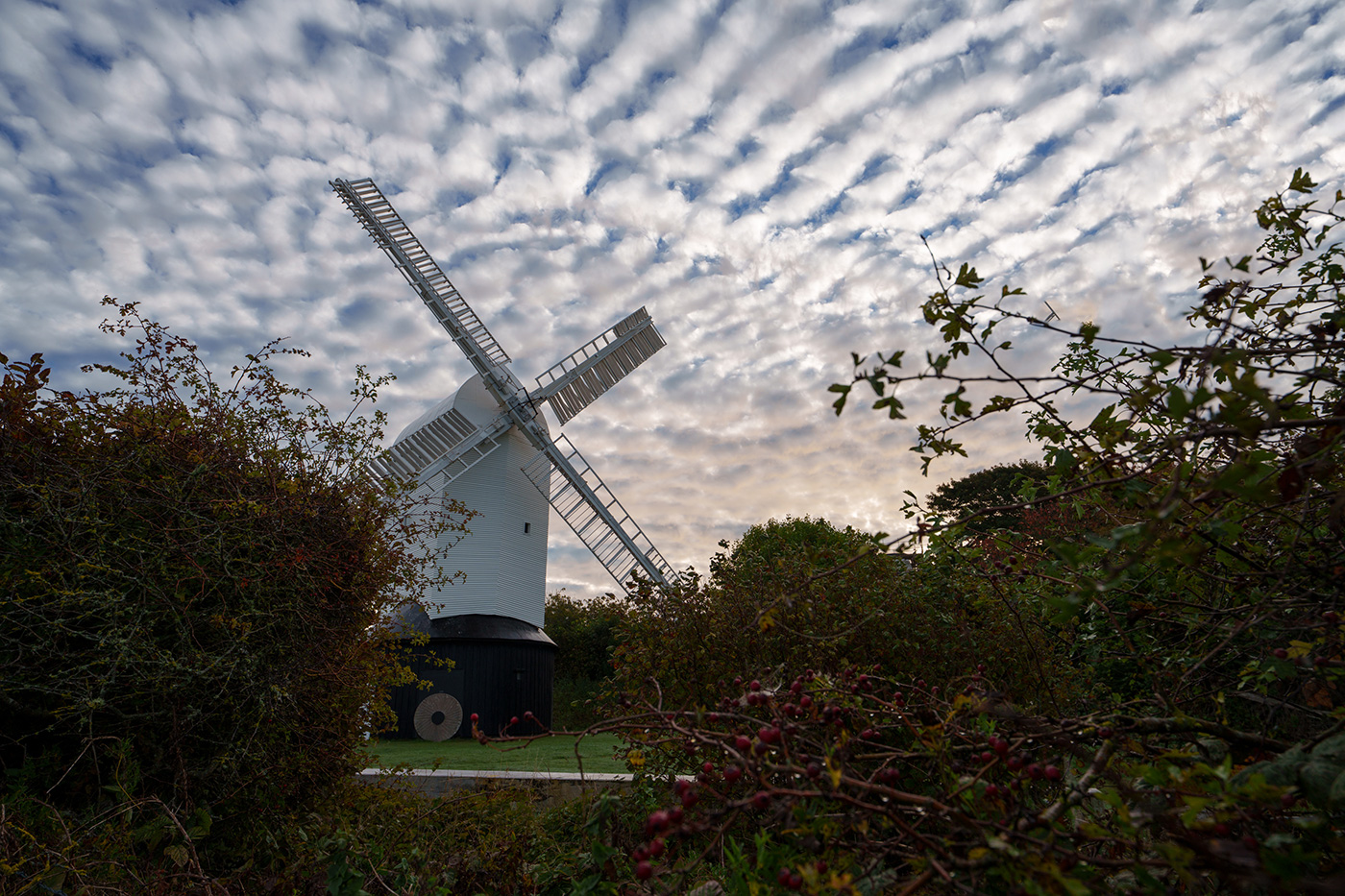
Sample 07 View of a windmill beneath autumn skies at 20mm (a handful of distracting branches cloned out). Camera settings: 1/500 sec. f/5.6. ISO 100.
How is image quality?
This is arguably the hardest part of the review to cover, as there are so many factors at play, such as depth of field, camera tilt and environmental conditions. That said, the Tamron 12-20mm shows strong optical performance for an ultra-wide zoom, although it has some fairly typical wide-angle traits.
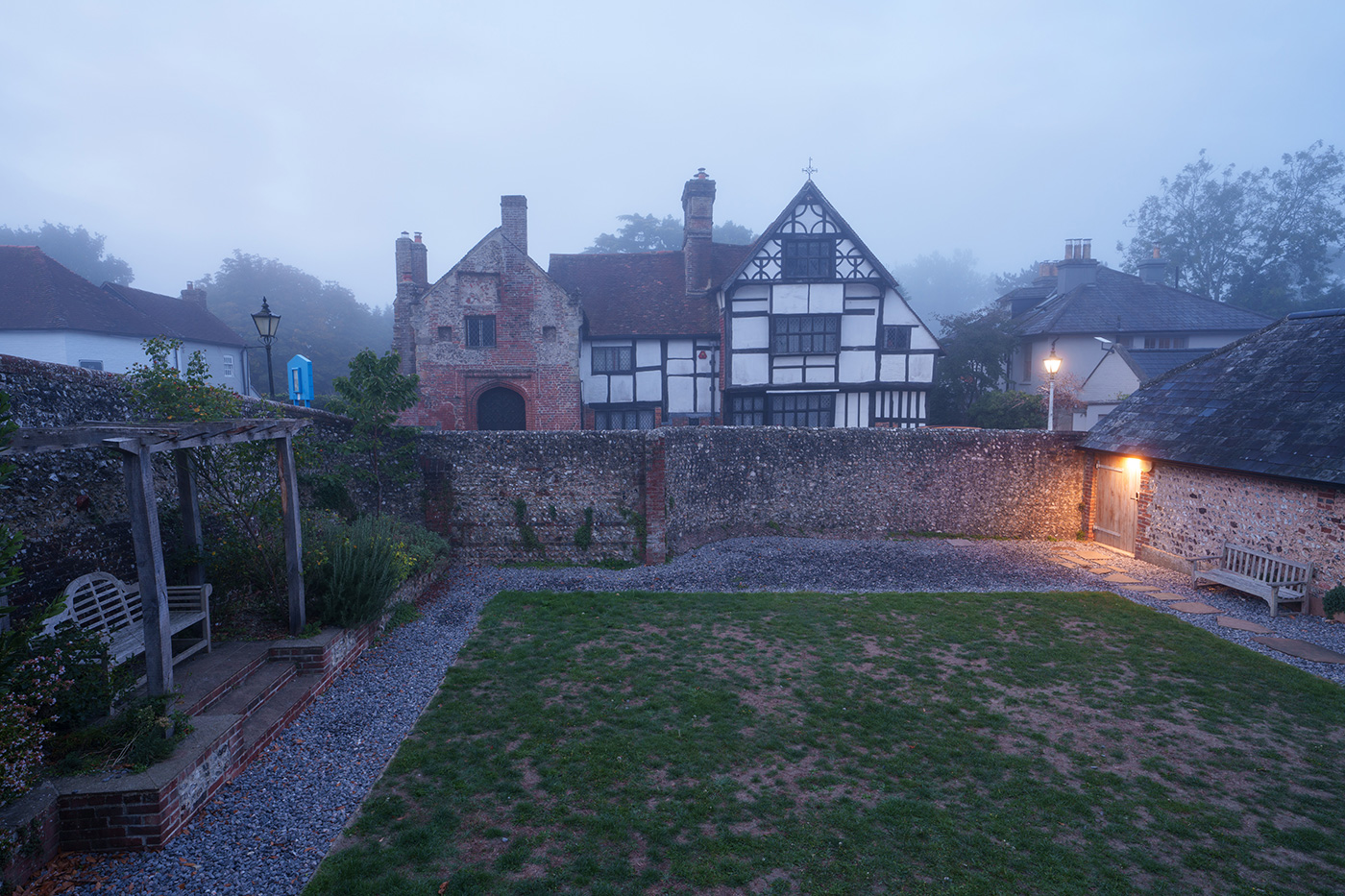
Sample 08 Spooky historic house in the fog at 20mm. Camera settings: 4 sec. f/8. ISO 100.
Sharpness
Sharpness is excellent in the centre of the frame at all focal lengths, with the very best at 12mm. The corners look a little soft, especially at the widest end of the zoom, although stopping down definitely improves them, which is normal practice for ultra-wide subjects such as landscapes, architecture and interiors.
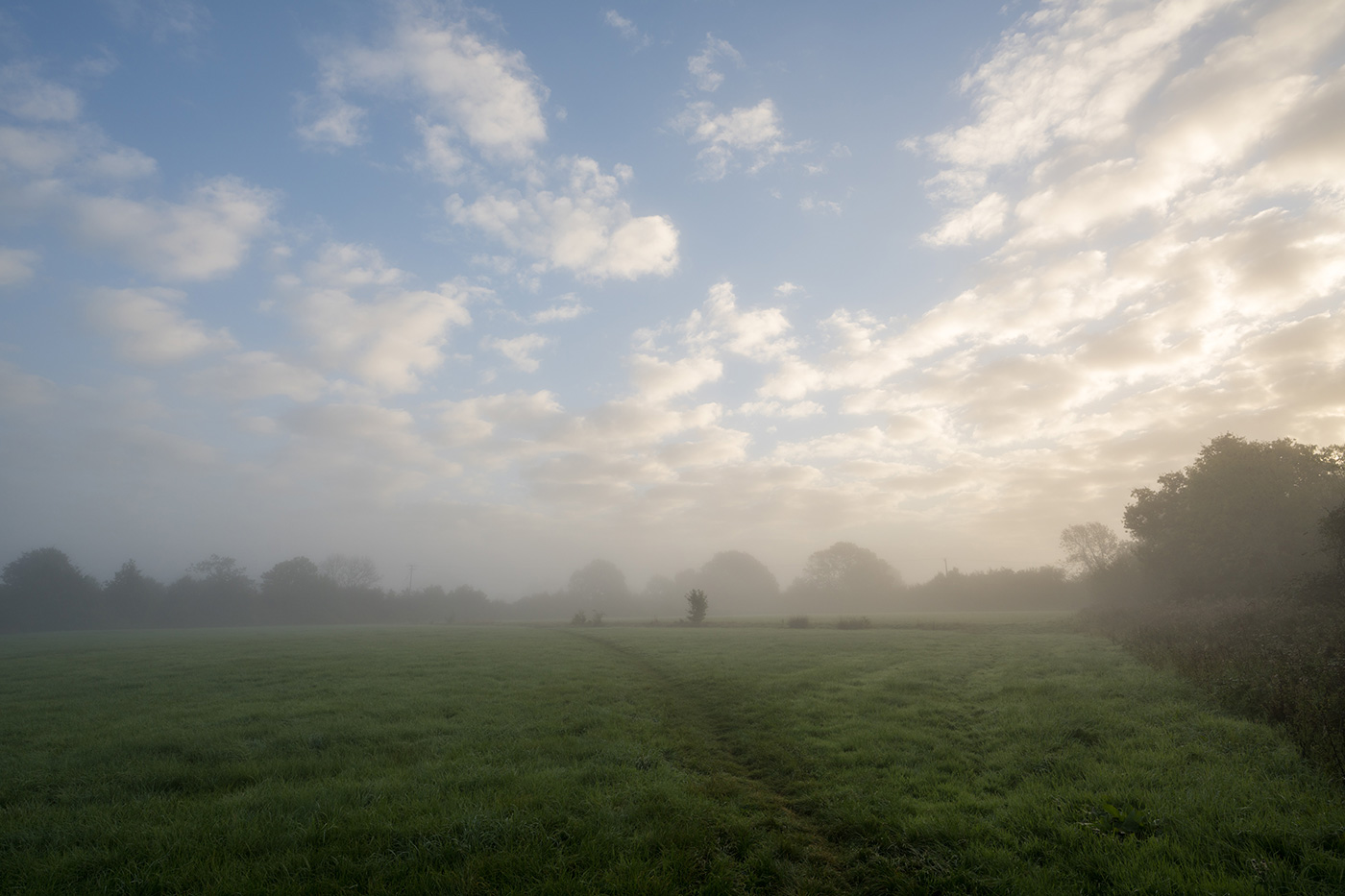
Sample 09 Misty field at 19mm. Camera settings: 1/125 sec. f/8. ISO 100.
Distortion and vignetting
When you tilt the plane up or down, perspective distortion is quite visible, and there’s also some barrel distortion at 12mm, but that is easily corrected in Lightroom. Some pincushion distortion is also visible at 20mm, which is equally straightforward to resolve in post.
Vignetting is quite prominent at wider angles when shooting wide open, but it recedes as you stop down or zoom in. I wouldn’t worry about it too much, as it is easy to fix after the shoot.
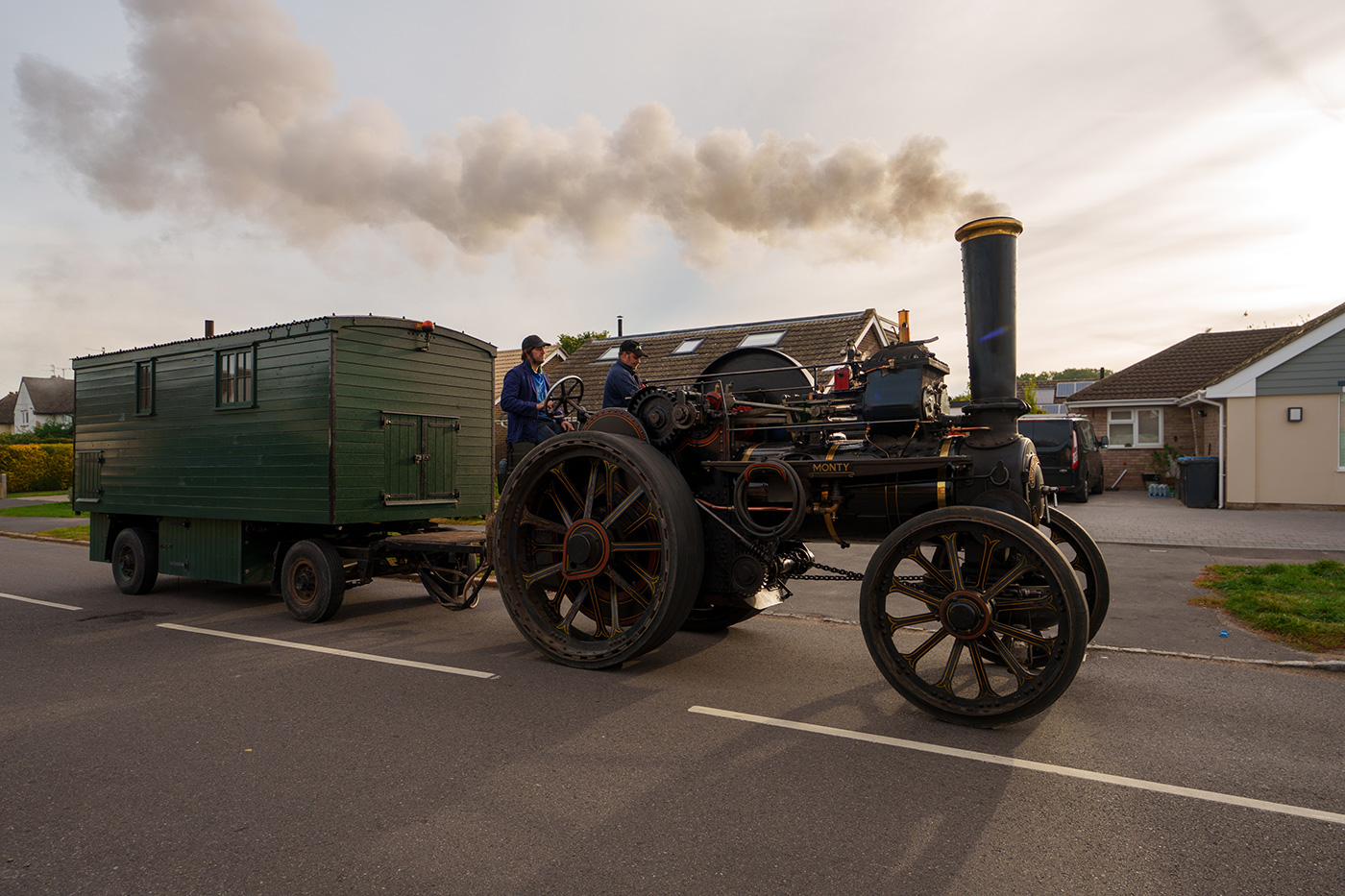
Sample 10 Slow moving road locomotive at 20mm. Camera settings: 1/800 sec. f/2.8. ISO 100.
Chromatic Aberration and Flare
I saw virtually zero LoCA (longitudinal chromatic aberration) in shots of spider webs in soft sidelight, which is excellent news. This type of subject can reveal optical weaknesses that are really hard to correct in post, so I was pleased.
Colour fringing is also controlled extremely well, and I couldn’t see any colour bleed, even in contrasty situations. I didn’t shoot directly into the sun, but plenty of broad skies and misty light put the sun close to the frame, and the results were again really good, without any odd artefacts or flares.
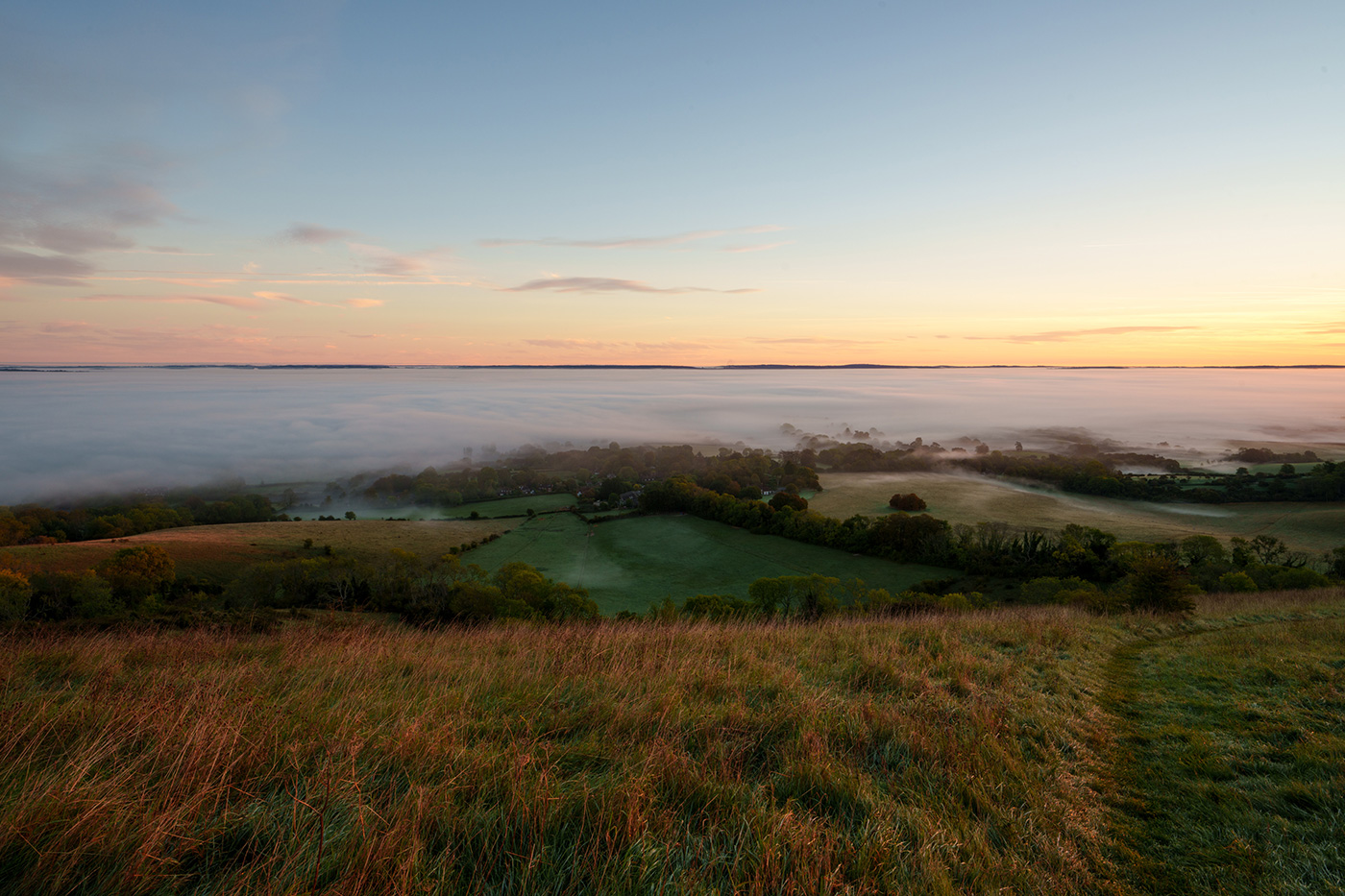
Sample 11 First light over a cloud inversion in the Weald at 20mm. Camera settings: 1/6 sec. f/16. ISO 100.
I didn’t shoot astro, but did capture the moon and streetlights in fog, where I saw no obvious evidence of coma. That’s encouraging, although proper astrophotography would be a more demanding test. I’ll defer to Jonathan Penberthy if and when he gets a chance to shoot with it.
All in all, image quality was top notch from near to far, with the usual caveats that wide-angle lenses demand.
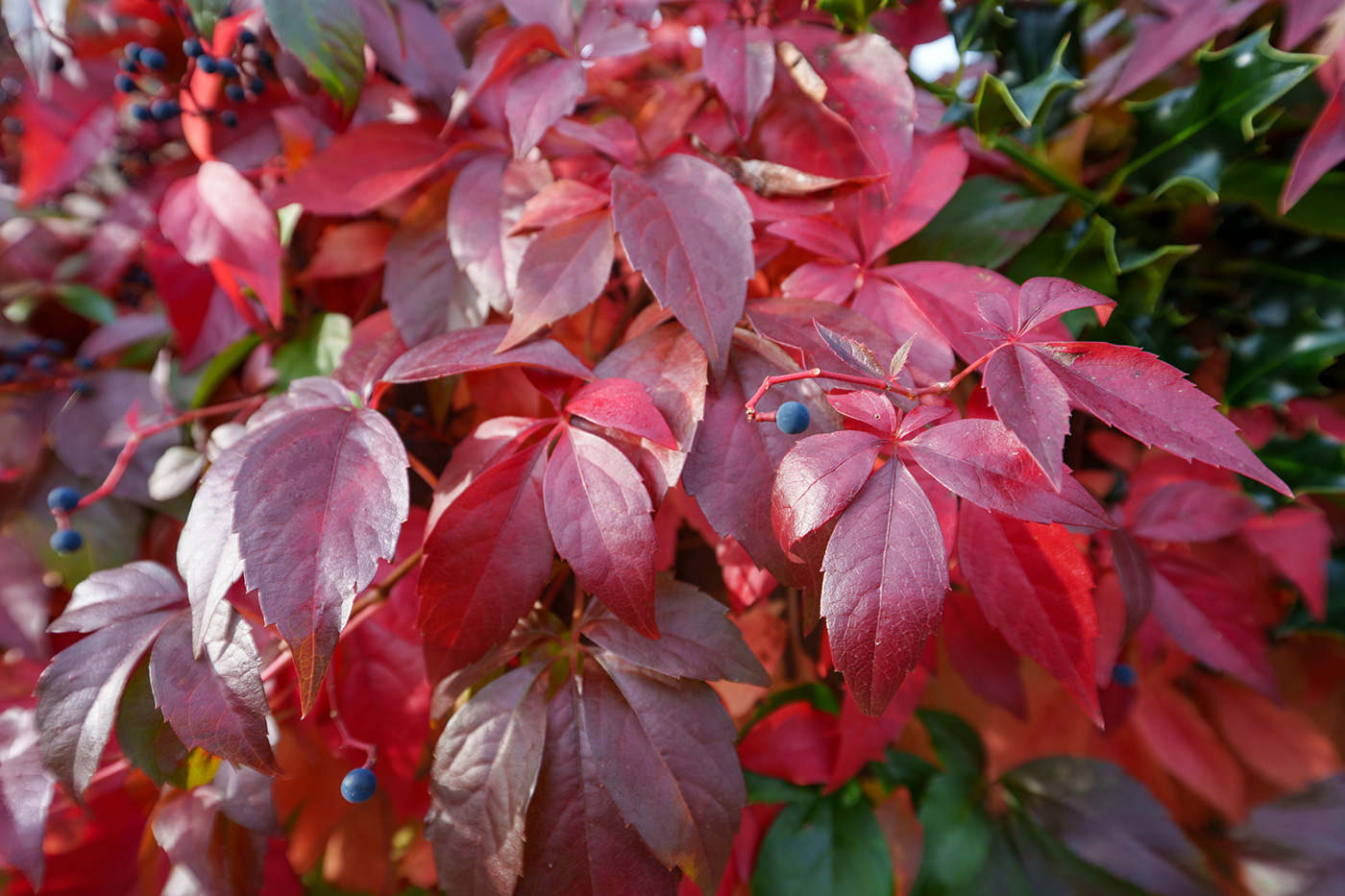
Sample 12 Autumn colour close-up at 20mm. Camera settings: 1/250 sec. f/4.5. ISO 320.
How useful is 12–20mm in practice?
Ultra-wide-angle lenses are a tricky beast to master. The zoom is of course very handy, and I would struggle with a prime, having to micromanage the tripod continuously to change composition.
In my experience, if you need wide angles for landscapes with foreground elements, the wider the better, virtually every time. The caveats are that it must be rectilinear (which this is) and must deliver excellent results, which is another box this model checks. The flexibility to zoom to 20mm, together with the close-focusing, makes it more versatile than initially expected from such an extreme wide-angle.
For typical subjects such as landscapes, seascapes, interiors or city shots with strong foreground elements, this is a fantastic focal range. It really lets you immerse the viewer in what you are seeing, so it feels like they are standing there looking at the same scene.
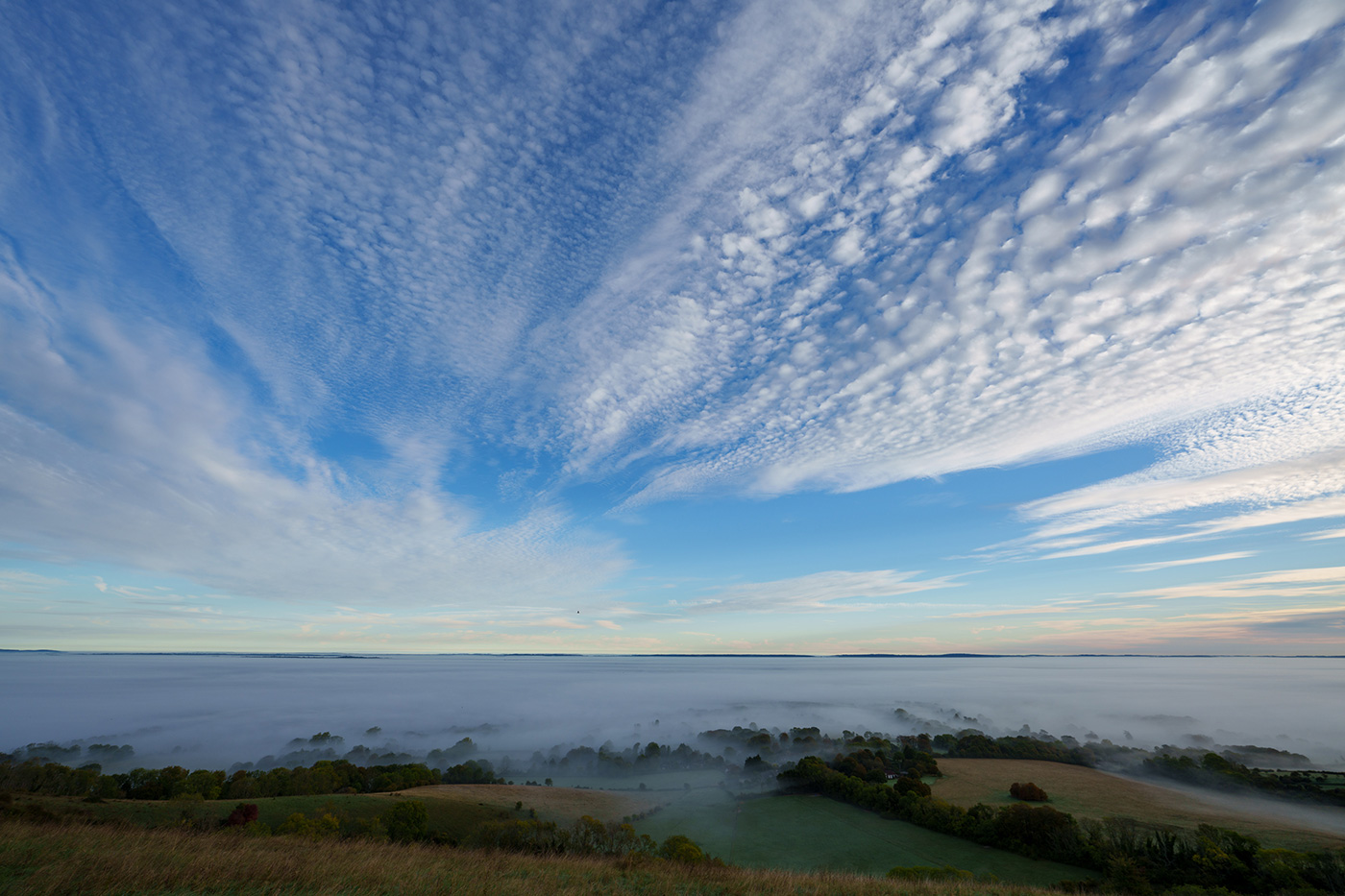
Sample 13 Dramatic skies at 15mm. Camera settings: 1/320 sec. f/5.6. ISO 100.
However, if your subject is further away, it will appear tiny in the frame, whether it’s moving or stationary. What the lens does allow is a lot of elements in the frame, which is where it becomes tricky, as each one has to earn its place or the image becomes confusing. That’s something I will always be striving for, and it is one of the joys of photography, right? You are always learning and trying to master it, rather than pressing a button and letting something else create on your behalf.
I really enjoyed my time with this zoom, and it made me want to head to epic landscapes and immerse myself in mountain ranges and seascapes. Sadly, that wasn’t possible, but even for everyday scenery around my manor, it proved portable, intuitive and encouraged experimentation.
Image quality is really high in my opinion. The results were fabulous and barely needed editing, with beautiful colour, contrast and subtle gradients with smooth transitions. It’s definitely one of Tamron’s most expensive lenses to date, so it is a considered purchase, but if you are drawn to ultra-wide compositions, this is a superb option that deserves to sit near the top of any comparison list. It comes highly recommended.
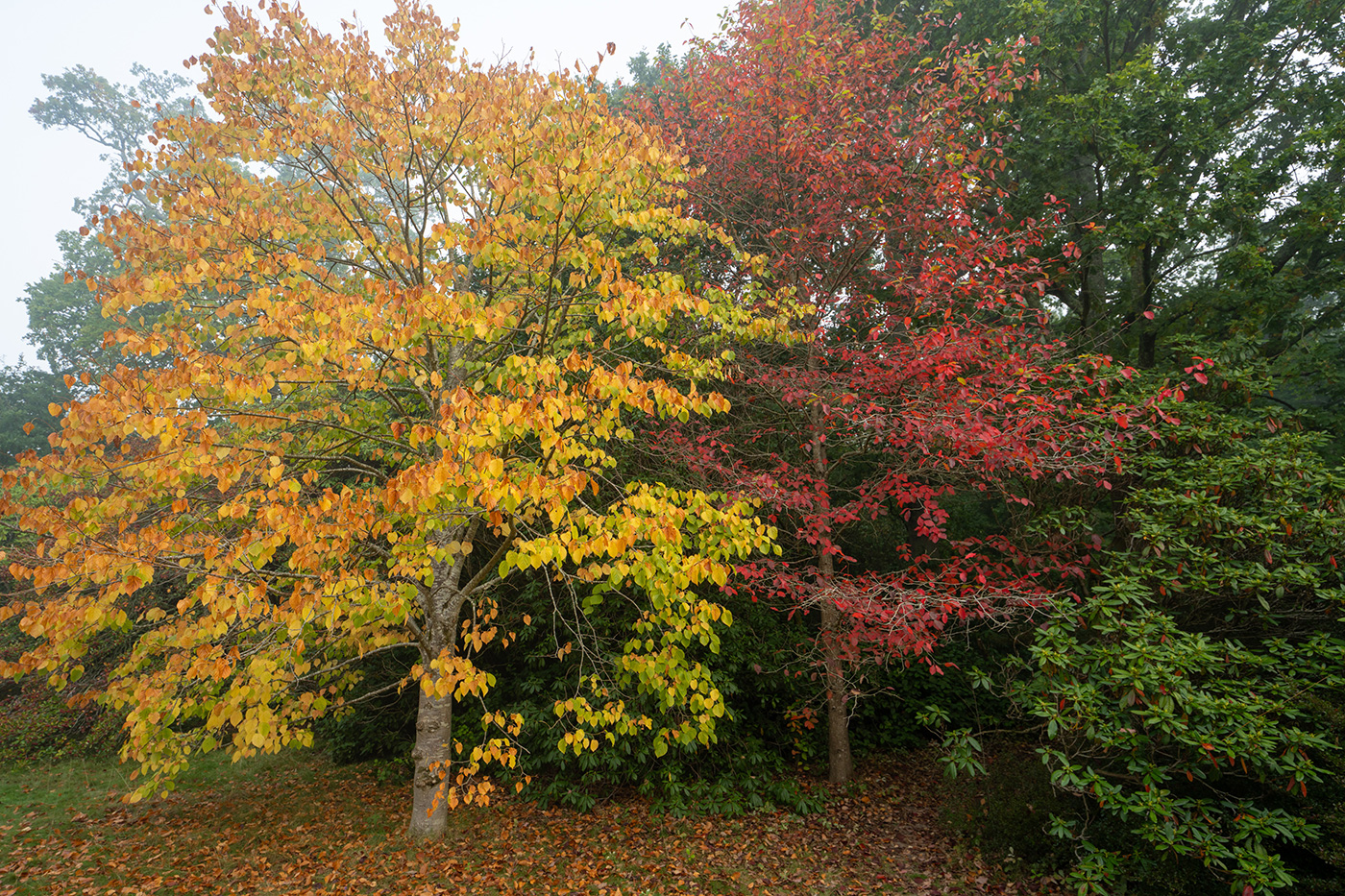
Sample 14 Pure autumn tree colours at 20mm. Camera settings: 1/250 sec. f/4. ISO 200.
If you are unsure, it may be worth considering the 16-30mm F2.8 Di III VXD G2, which isn’t quite as wide, but arguably more applicable to everyday photography. However, if you want or crave super-wide, the 12-20mm is arguably among the best rectilinear options available today.
Shop the Tamron 12-20mm F2.8 for Sony FE or the Tamron 12-20mm F2.8 for Nikon Z today and discover just how wide you can go.
Share this post:
By Nick Dautlich on 14/10/2026

Nick Dautlich
Senior Content Writer and Product Reviewer
Nick Dautlich is the Senior Content Writer and Product Reviewer at Park Cameras, with over 15 years of photography experience. A Sony Imaging Professional and expert reviewer, Nick has worked with major brands such as Canon, Sony and Nikon. His work is also featured on Vanguard World UK’s website, Capture Landscapes, and Shutter Evolve. Nick’s photography includes National Trust projects and magazine covers and he is passionate about landscapes and storytelling. Nick also enjoys hiking and teaching his children about nature. Learn more on his profile page.
Trade in your old equipment
Fast and easy trade in service ensures your old gear is collected efficiently and you are paid quickly! It's very simple to trade in your unwanted photography gear. Just head over to our dedicated Sell or Part Exchange page, fill out the details, and we'll get back to you with an offer for your old gear. Take the cash, or put it towards the cost of your new gear. It's up to you! Find out more
sign up to the newsletter
Keep up to date on the latest photography news, events and offers. Sign up now