- Call us 01444 237070

-
- Back
- Used Cameras
- Used Accessories
- Used Lenses
- Back
- Used Canon Lenses
- Used Nikon Lenses
- Used Fujifilm Lenses
- Used Sony Lenses
- Used Micro 4/3rds Lenses
- Used Leica Lenses
- Used Panasonic Lenses
- Used Pentax Lenses
- Used Samyang Lenses
- Used Sigma Lenses
- Used Tamron Lenses
- Used Tokina Lenses
- Used Voigtlander Lenses
- Used Zeiss Lenses
- Used Hasselblad Lenses
- Used Video
- Used Film Equipment
- Used Stock Alert
- Used Blank Test
- Sell or Part Exchange
- Used Clearance
- Recently Added Used Equipment
- Park Picks
- Faulty
- Trade-In
- Blog
- New in
- Call us
- Contact us
- Stores
- Sign in
- Categories
- Tips & Inspiration
- Reviews
- News
- Events
- Features
- Buying Guides
- Competitions
DJI Osmo Pocket 4P Review
Following hot on the heels of the DJI Osmo Pocket 4, which was released earlier in 2026, DJI has launched the Pro model, the Osmo Pocket 4P, alongside an Osmo Pocket 4P Vlog Combo and a range of accessories.
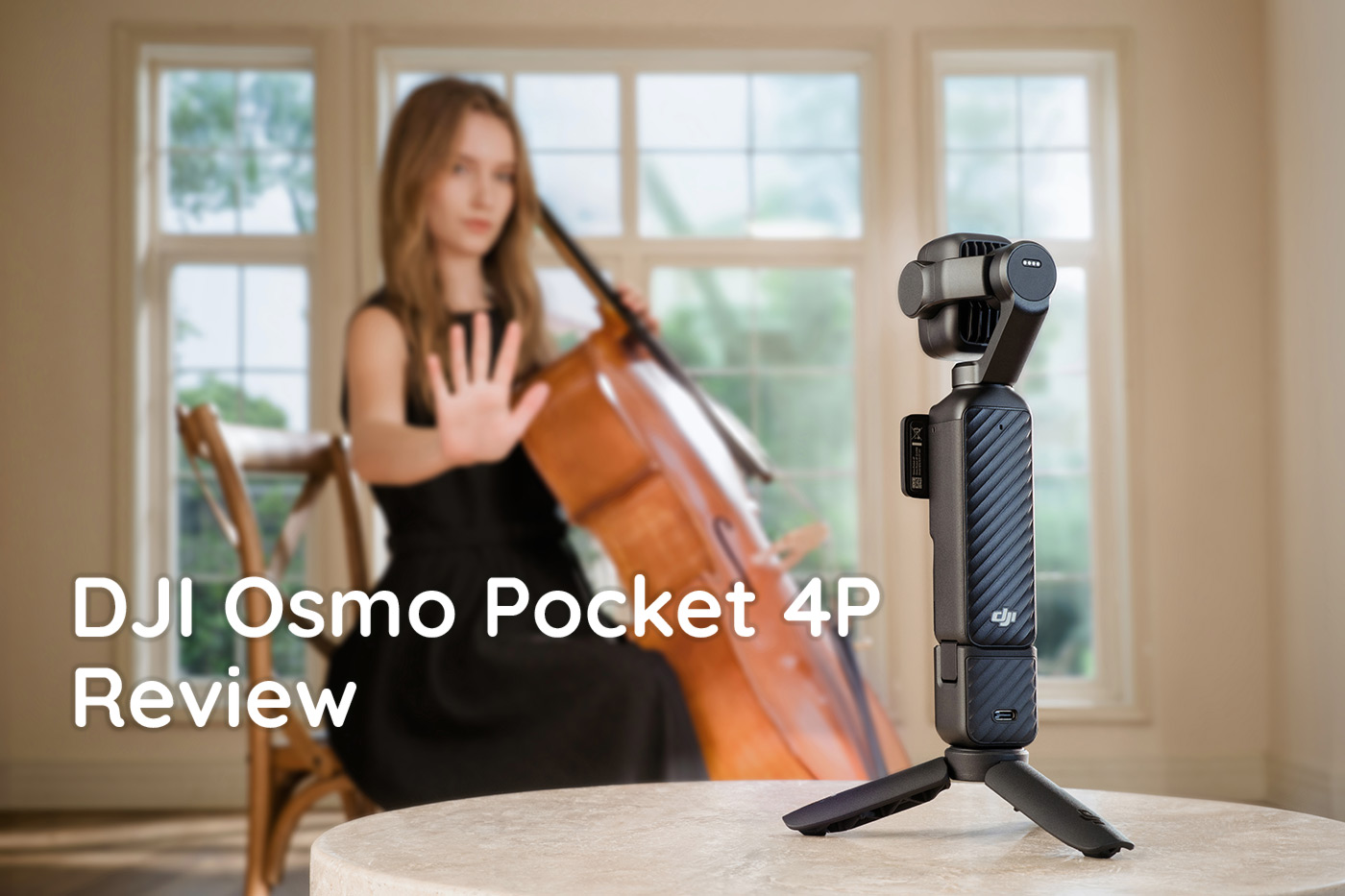
In our initial Osmo Pocket 4 review, we compared it against the Pocket 3. However, for this DJI Osmo Pocket 4P review, we're comparing the brand's first-ever dual-camera model with the standard gimbal camera, so you can decide which one suits your needs better.
We explore what else is new, discuss the main benefits that this compact model offers vloggers and advanced creators, and look at key features that can help you create amazing content, whether you're a travel creator, product reviewer, professional filmmaker, or any other type of content creator.
Firstly, we look at launch date and pricing, so you can get a better idea of how this model is priced vs. the regular model.
Price and launch date
As rumours circled, DJI teased this model ahead of releasing it on the 30th of July 2026. It launched in the UK with a price of £529.00 for the standard combo and £605.00 for the Vlog Combo, which we also put head to head later in the review.
For comparison, the standard version costs £445.00, or £549.00 for the Creator Combo, making the newer Professional model the flagship in the range.
Let's start our review proper by seeing what's new in this generation.
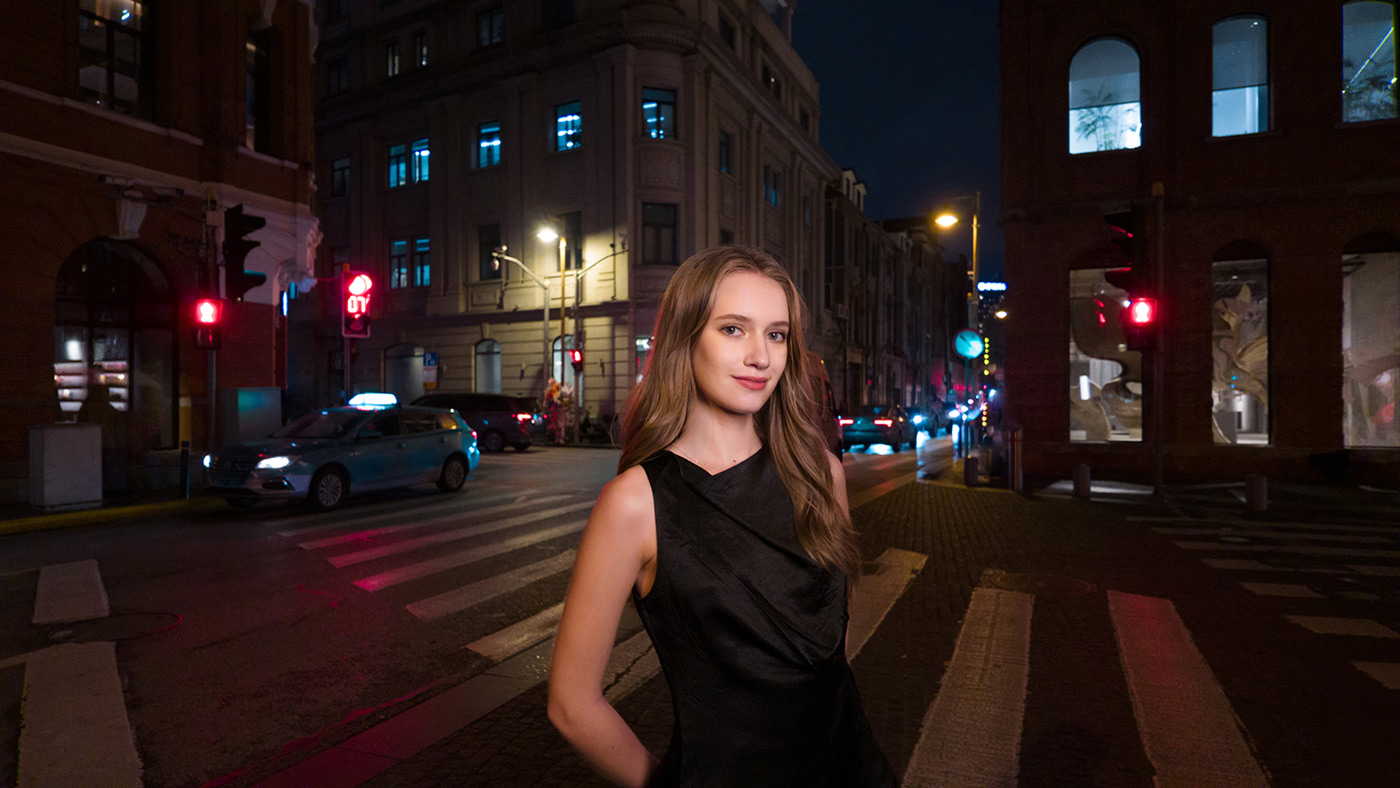
Sample image 01 Night Portrait @20mm equivalent. Settings: 1/60 sec. f/2.0. ISO 800 (no flash)
What’s new and key features
A host of new and refined features are crammed into this flagship gimbal camera, blurring the lines between an action, smartphone and vlogging. New tech includes:
- A dual-camera, with a new 20mm f/2.0 equivalent ultra-wide-angle, and a 60mm f/1.8 equivalent medium telephoto.
- The 60mm has a 3x optical zoom and up to 12x digital zoom, which is fantastic for portraits, compressed perspectives and even for capturing relatively distant subjects.
- New 1-inch CMOS wide-angle sensor with LOFIC technology, for up to 17 stops of dynamic range, available exclusively when shooting in 10-bit D-Log 2, which is a proprietary colour profile.
- The latest generation of ActiveTrack 8.0, with tracking support on the wide lens at up to 12x zoom.
- Live Photo support, capturing a short movie clip before and after each image.
- High-resolution 37MP still photos, which provide more detail and even some cropping flexibility.
- Around 103GB of built-in storage with USB 3.1, and Wi-Fi 6 for transfer speeds up to 800MB/s.
- Features that more advanced creators will appreciate include built-in timecode, webcam mode and Wi-Fi livestreaming.
These features are all good, but how does it compare to earlier models?
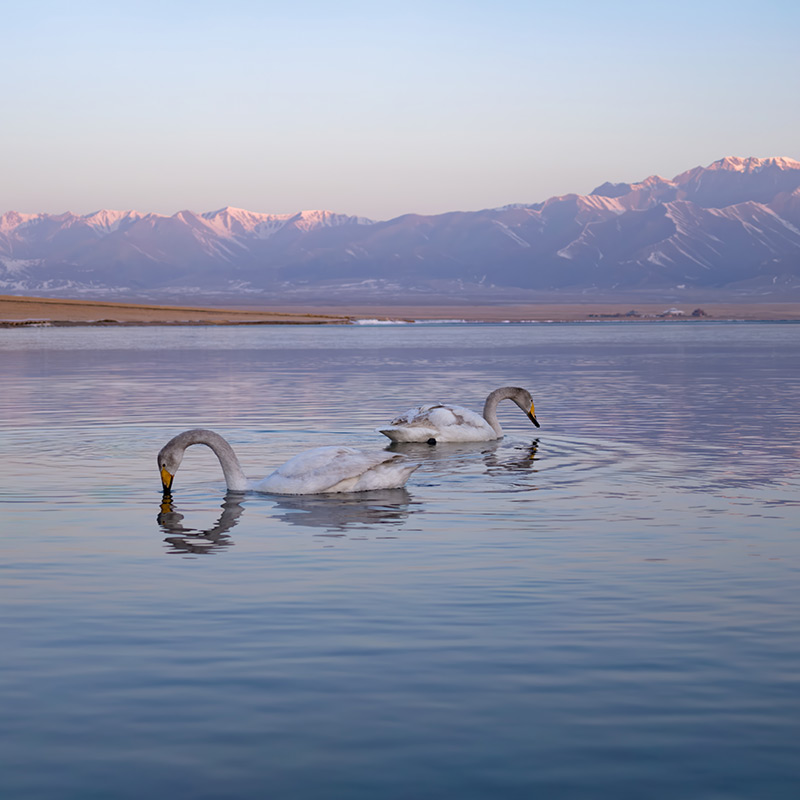
Sample image 02 Low light Scene @60mm equivalent. Settings: 1/240 sec. f/1.8. ISO 50 (no flash)
DJI Osmo Pocket Cameras Compared: Pocket 4P vs Pocket 4 vs Pocket 3
At the time of writing, the range includes three models aimed at different types, or experience levels, of creators. Whether you're looking for an affordable entry point to run-and-gun content creation, a more advanced content creator, or just want the most capable dual model, the comparison below highlights key differences between each generation.
|
|
Pocket 4P (new) |
||
|
Price (Base Combo) |
£529.00 |
£445.00 |
£309.00 |
|
Position in Range |
Flagship professional creator model |
Advanced everyday creator option |
Previous generation |
|
Camera System |
Dual-cameras |
Single |
Single |
|
Imaging Sensor |
Wide: 1-inch CMOS with LOFIC, Med-Tele: 1/1.28-inch CMOS, up to 14 stops |
1-inch CMOS |
1-inch CMOS |
|
Lens |
20mm f/2.0 + 60mm f/1.8 |
20mm f/2.0 |
20mm f/2.0 |
|
Optical Zoom |
3× |
N/A |
N/A |
|
Lossless Zoom |
3× Optical Zoom Up to 12× Zoom |
2× |
2× |
|
Dynamic Range |
Up to 17 stops (Wide lens in 10-bit D-Log 2) |
Up to 14 stops |
Up to 14 stops |
|
Colour Profiles |
D-Log 2, D-Log |
D-Log |
HLG, D-Log M |
|
Maximum Video |
4K/240fps |
4K/240fps |
4K/120fps |
|
Slow Motion |
Up to 8× |
Up to 8× |
Up to 4× |
|
Photo Resolution |
Up to 37MP |
Up to 37MP |
9.4 MP |
|
Live Photo |
Yes |
Yes |
N/A |
|
Tracking & Autofocus |
ActiveTrack 8.0, Intelligent AF, tracking up to 12× zoom |
ActiveTrack 7.0, Intelligent AF |
ActiveTrack 6.0, Full-Pixel PDAF |
|
Portrait & Creator Tools |
App Glamour Effects |
App Glamour Effects |
App Glamour Effects |
|
Internal memory |
103GB |
107GB |
None |
|
Optional Memory Cards |
microSD |
microSD |
microSD |
|
Transfer options |
Wi-Fi 6, USB 3.1, up to 90MB/s wireless, 800MB/s wired |
Wi-Fi 6, USB 3.1, up to 90MB/s wireless, 800MB/s wired |
Wi-Fi 5, USB-C |
|
Screen |
2-inch OLED, 1000 nits |
2-inch OLED, 1000 nits |
2-inch rotating touchscreen, 700 nits |
|
Battery Runtime |
Up to 210 mins |
Up to 240 mins |
Approx. 166 mins |
|
Charging |
80% in 18 mins, full in 32 mins |
80% in 18 mins, full in 32 mins |
80% in 16 minutes and full in 32 minutes |
|
Weight |
230g |
190.5g |
179g |
The pro version boasts an additional 60mm equivalent portrait option, ActiveTrack 8.0 and refined features, while retaining many of the strengths that previous models offered. Tracking is one of the best features that creators rely on, helping keep your chosen subject centred in the frame, much like drone tracking features.
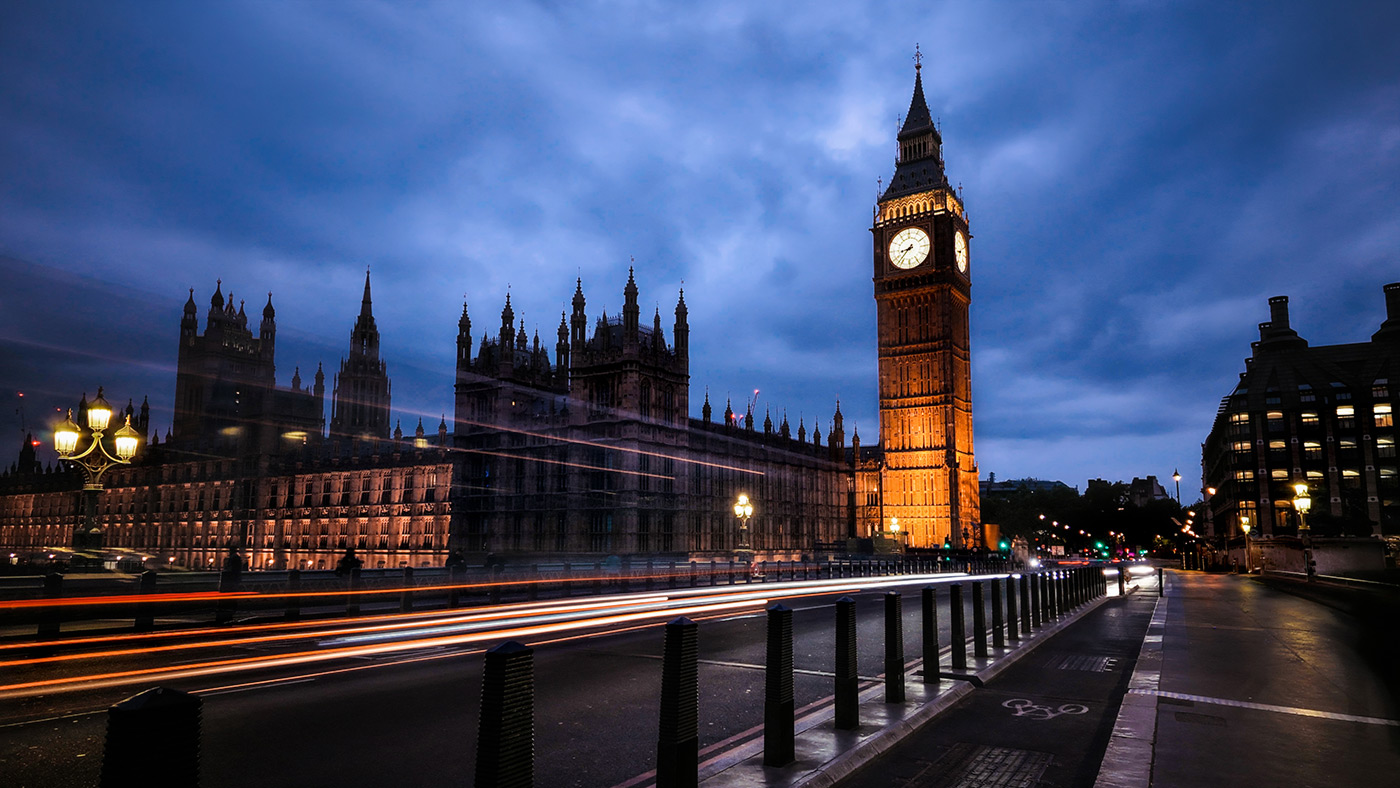
Sample image 03 Low light London light trails @20mm equivalent. Settings: 4.0 sec. f/2.0. ISO 200 (no flash)
Is ActiveTrack 8.0 better?
Where the standard model supports subject tracking at up to 4x zoom, the newer ActiveTrack 8.0 goes up to 12x zoom while introducing Multi-Person Tracking, Spotlight Follow and tracking across both focal lengths. It can recognise people, vehicles, pets and objects, allowing you to begin recording when your subject is further away in the frame, while it keeps them centred as they move throughout the scene. This is an especially useful feature whether filming cycling, surfing, vehicles or wildlife, where the additional zoom range provides greater flexibility for locking onto more distant subjects.
Why would you need a dual system?
Having two cameras provides a number of benefits for content creation. These include:
- The ability to reframe and zoom without losing quality while staying in the same spot. Just like using a smartphone with more than one, you can conveniently change your composition by switching and zooming in closer.
- When capturing people or pets, for example, you can create better background separation thanks to the tighter field of view and wide f/1.8 aperture. This emulates the look of a portrait prime lens you might choose for a regular mirrorless body, giving a more compressed perspective with extra “pop”.
- Having two focal lengths allows for more dynamic storytelling, switching from wider establishing shots to close-ups and cutaways, for example.
- With improved tracking at longer distances, you can now keep up with subjects that are further away, filling more of the frame with tracking supported at up to 12× zoom.
- When shooting in low light, you can expect cleaner portraits, while features such as Night Portrait help produce natural-looking results in darker conditions. Neon scenes and blue hour are mentioned as situations where the new imaging system performs particularly well.
If you like the flexibility of having more than one lens, this is definitely the model for you. Next we look at the type of image quality you can expect.
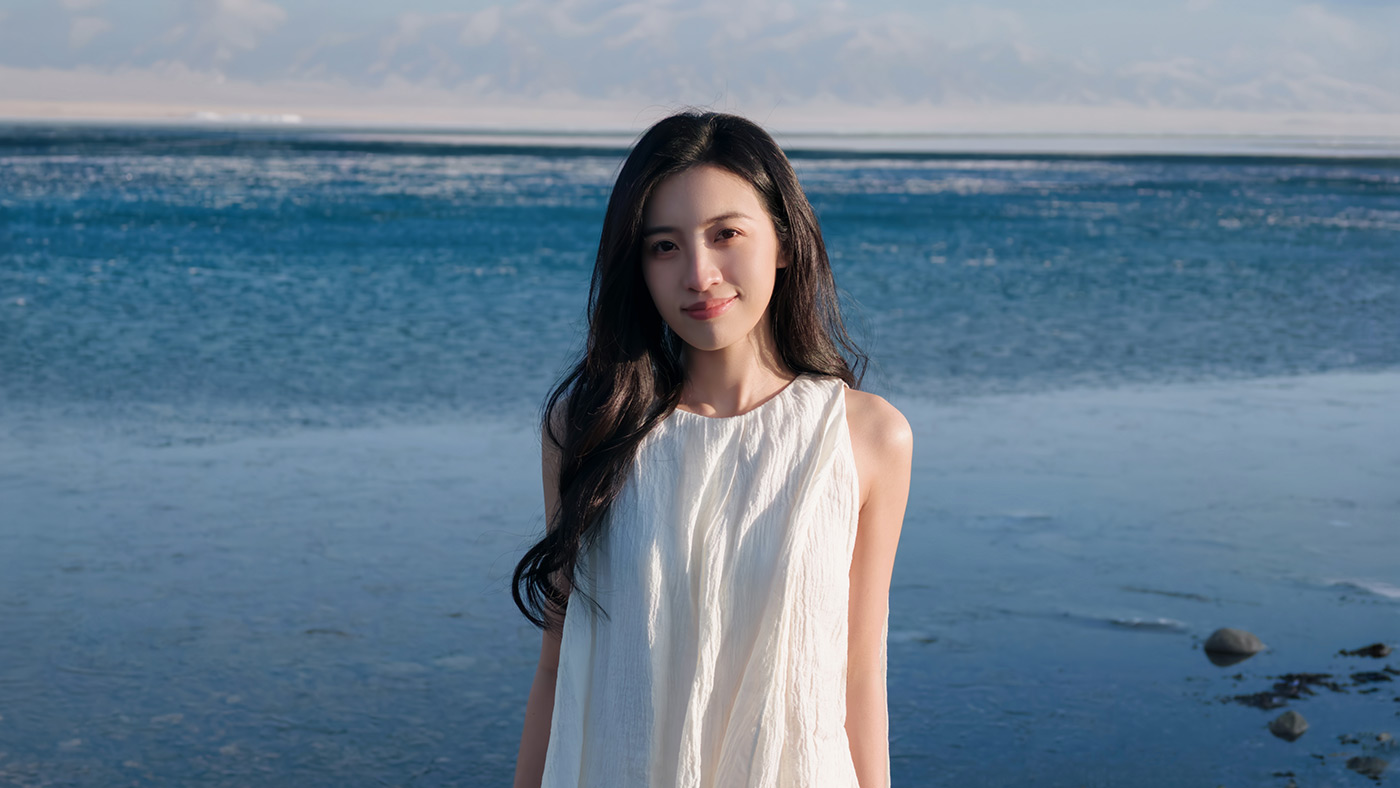
Sample image 04 Daytime portrait @60mm equivalent. Settings: 1/1600 sec. f/1.8. ISO 50
How is image quality?
Image quality has been upgraded for even better results than you can get from the regular Osmo Pocket 4. The highest-specification is available by using the wide-angle, which features a new 1-inch CMOS sensor with LOFIC technology, recording in 10-bit D-Log 2 at 1x zoom, where it delivers up to 17 stops of dynamic range.
A LOFIC sensor design captures higher-contrast scenes in a single exposure without clipping bright highlights, so the footage you capture preserves exceptional highlight and shadow detail in high-contrast scenes while providing flexibility for colour grading.
The wide version also benefits from a 20mm equivalent focal length, which is well suited to subjects like landscapes, travel, architecture and handheld vlogging. With a large sensor and advanced colour profile, this is the highest-quality recording mode available on the Pocket 4P.
10-bit D-Log 2 records over one billion colours and produces a flatter image. D-Log 2 is npted as capable of up to 17 stops of dynamic range, although this is available only when recording with the wide at 1x zoom.
The 60mm has a slightly smaller 1/1.28-inch CMOS sensor with an f/1.8 aperture, which captures up to 4K/200p video, JPEG and DNG stills, and ISO settings up to 12,800 for photo and video, while maintaining the same maximum 180 Mb/s recording bitrate as the wide camera.
Clearly this offers the most advanced imaging system in the range, which is one of the main reasons for choosing it.
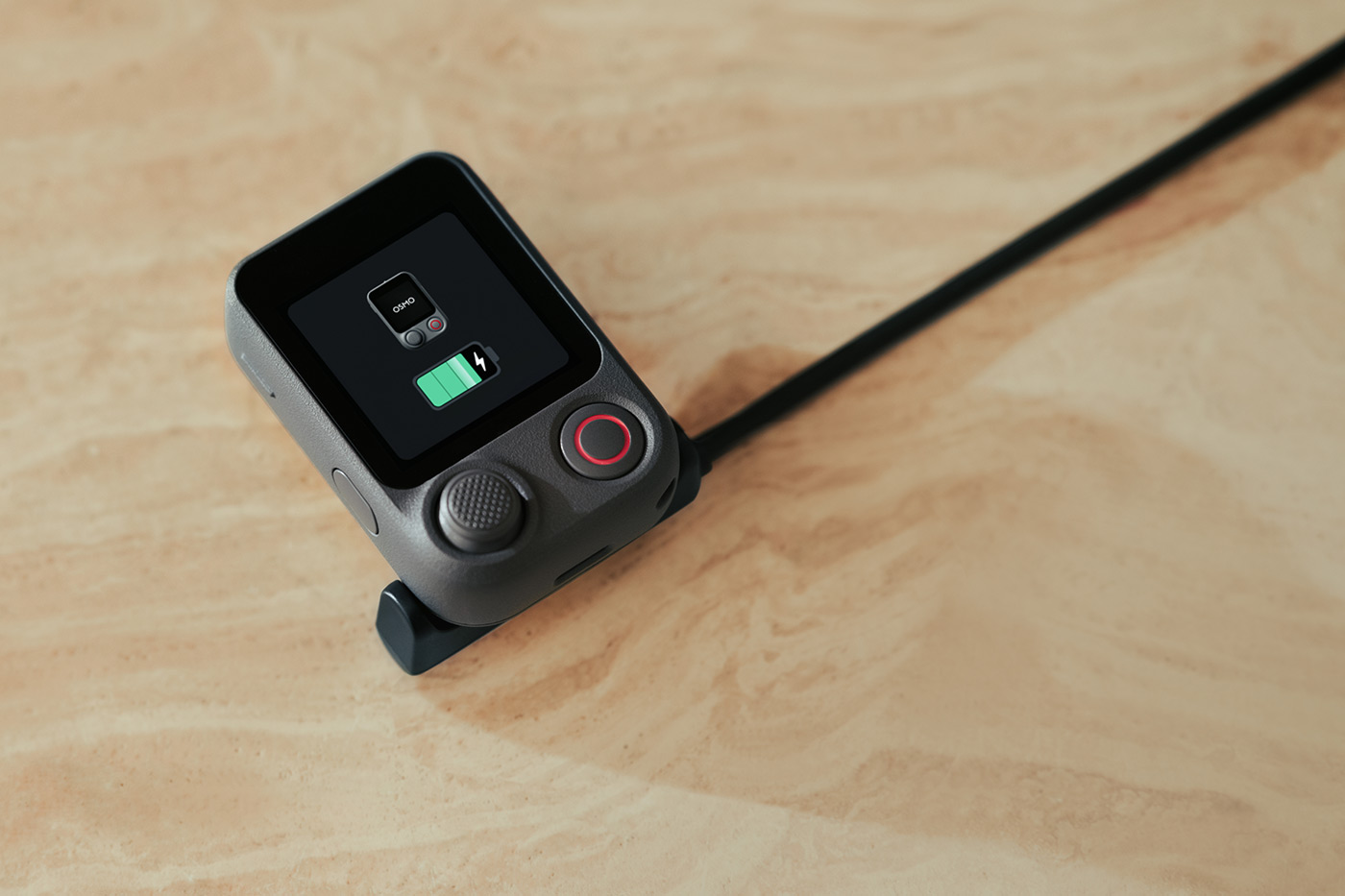
FrameTap device, which is included in the Combo
What’s the difference between Standard and Vlog Combos?
The difference between the two Combos is shown in the following table.
|
Item |
||
|
Pocket 4 |
✔ |
✔ |
|
USB-C to USB-C PD Cable (USB 3.1) |
✔ |
✔ |
|
Osmo FrameTap |
— |
✔ |
|
Gimbal Clamp |
✔ |
✔ |
|
Wrist Strap |
✔ |
✔ |
|
Handle with 1/4″ thread |
✔ |
✔ |
|
Wide-angle lens |
— |
✔ |
|
— |
✔ |
|
|
Magnetic clip (mic) |
— |
✔ |
|
Windscreens (black / black-grey) |
— |
✔ |
|
Magnet (mic mounting) |
— |
✔ |
|
Mic charging cable |
— |
✔ |
|
Fill Light |
— |
✔ |
|
Mini Tripod |
— |
✔ |
|
Portable carrying pouch |
✔ |
✔ |
|
Carrying bag |
— |
✔ |
|
Quick Start Guide |
✔ |
✔ |
|
Safety Guidelines |
✔ |
✔ |
|
Store Promotion Card |
✔ |
✔ |
|
Price |
£529.00 |
£605.00 |
With a price that’s only around £80 more than the standard combo, the Vlog Combo will inevitably become a favourite with vloggers and more advanced creators. That leads onto the sorts of content you can create with this compact vlogging tool, which we investigate next.
What is it good for?
It is ideal for creators who need more flexibility than a single-lens vlogging camera offers. The system has extremely high image quality, which suits vloggers who want to switch between wide establishing shots and closer, more flattering portrait framing, for example.
The 60mm closer crop and wide aperture suit travel creators and reviewers who want greater subject separation and a bit of “pop”, even when capturing content on the go, while the up to 12× zoom and improved ActiveTrack 8.0 make it useful for filming dynamic subjects such as cyclists, wildlife or anything further away.
Filmmakers benefit from the new LOFIC sensor’s dynamic range and D-Log 2 colour profile, giving greater grading flexibility from a pocket-sized device. If you have a DJI drone or action cam, you’ll also be able to better match colour between them by using colour profiles throughout your content.
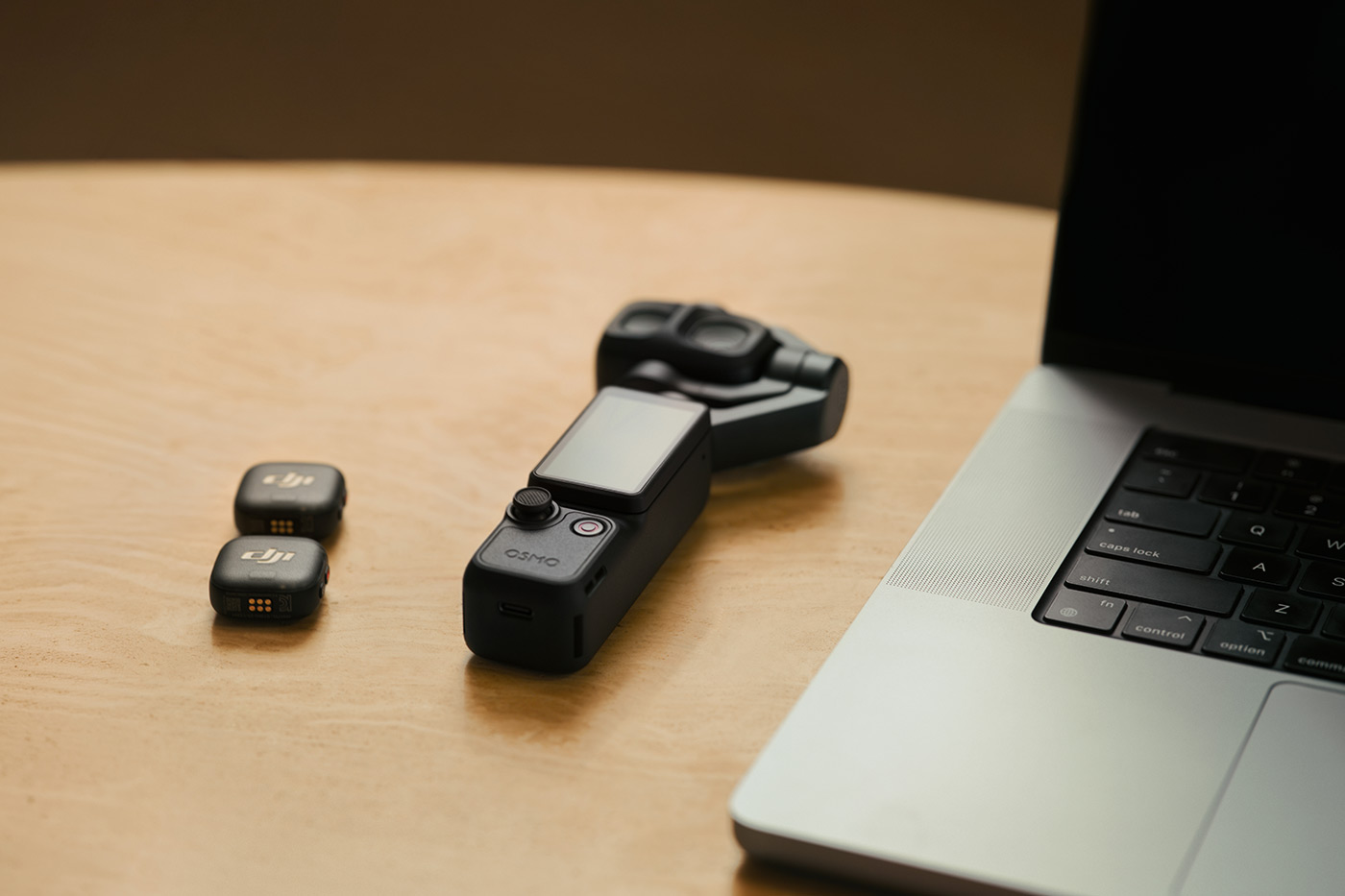
Which of the two combos suits you best? That comes down to your setup. The Standard Combo covers all of the essentials, which is ideal if you don’t need the additional mounts or accessories. The Vlog Combo on the other hand, adds FrameTap remote control, a Mic Mini 2 transmitter and a Mini Tripod. The dedicated wireless microphone is simple to pair and captures high-quality wireless audio along with the three internal microphones, making that kit better suited to solo creators who capture and share content without needing a crew or any additional accessories.
That leads us onto the content modes that are available.
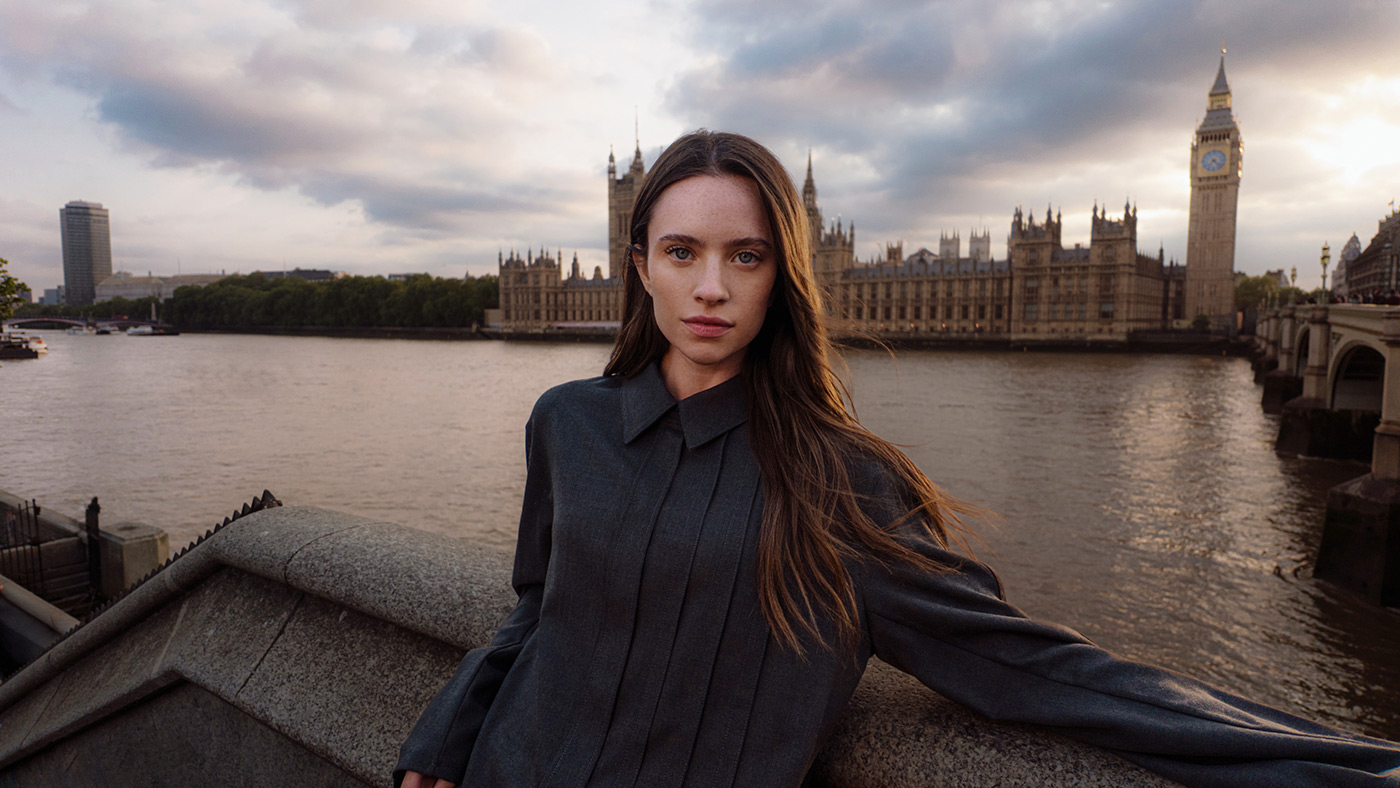
Sample image 05 Daytime portrait No Exif data
Which content modes are included?
There are several options that make it easier to capture dynamic, interesting and engaging content that will have your audience coming back for more.
Key modes include:
Video
Standard video modes covers everyday video, vlogging and travel content, with D-Log 2, Film Tone and Beautify.
Low-Light Video
This optimises exposure for darker conditions, which is great for evening street scenes, city nights and indoor content creation.
Photo + Live Photo
You can capture Single Shot 37 MP stills in JPEG or DNG RAW for post processing, using both lenses depending on the focal length you want to use. Live Photo is also available, which captures short footage before and after your still image, just like on a phone.
Slow Motion
High frame rate footage supports smooth slow-motion playback and Film Tone is also available:
Wide-angle:
- 4K: 100, 120, 200 or 240fps
- 1080p: 120 or 240fps
60mm medium-tele:
- 4K: 100, 120 or 200fps
- 1080p: 120 or 240fps
Panorama
Create ultra-wide photos up to 180°, using Wide-Angle and 3×3 panorama modes.
Timelapse and Motion Content
Three options capture time-based content:
- Timelapse – Regular time-lapse videos with support for Free, Waypoint and Interval modes at up to 4K/30fps.
- Motionlapse – Moving time-lapse videos by defining movement between preset positions, with recording at up to 4K/30fps.
- Hyperlapse – Stabilised moving time-lapse videos while walking or travelling, with support for Free, Course Lock and Waypoint modes at up to 4K/30fps.
Intelligent Features
It offers the following intelligent features to simplify content creation:
- ActiveTrack 8.0, with subject tracking at up to 12× zoom.
- Multi-Person Tracking, to keep groups in frame.
- Spotlight Follow, to prioritise a selected subject.
- Subject Lock Tracking and Registered Subject Priority.
- Product Showcase, for quickly focusing on products held in front.
- Gesture Control, for hands-free recording.
- Film Tone, with six cinematic colour presets (such as CC Film, NC Film, Pastel, Warm Tone and Retro)
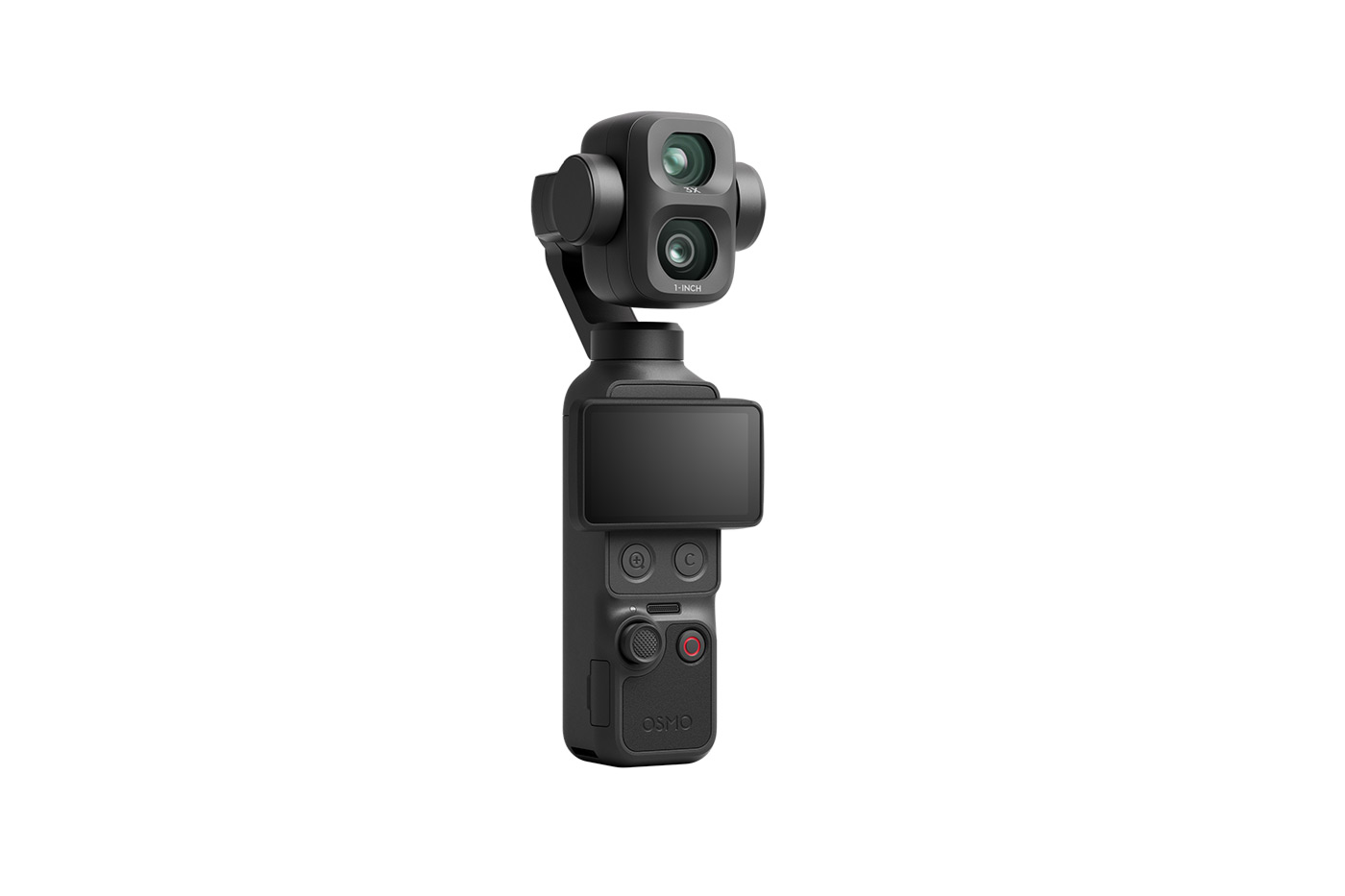
Design and Handling
It weighs just 230g, and includes a built-in grip for comfortable all day handling. A bright 2-inch touchscreen with 1000 nits provides access in bright sunlight to shooting modes, playback and settings, while two dedicated physical buttons make one-handed operation faster and more intuitive.
The Zoom button switches between native 1× and 3× focal lengths or provides smooth zoom control on a longer press, and you can switch between the wide-angle and portrait modes using either the touchscreen or the Zoom button.
while the programmable Custom button can be assigned to your most frequently used functions such as changing gimbal modes, switching between photo and video, Quick Capture, re-centering the gimbal or enabling Gimbal Lock for example.
Together with the three-axis mechanical gimbal, the controls make it very responsive and easy to operate while recording in a range of casual and more controlled situations.
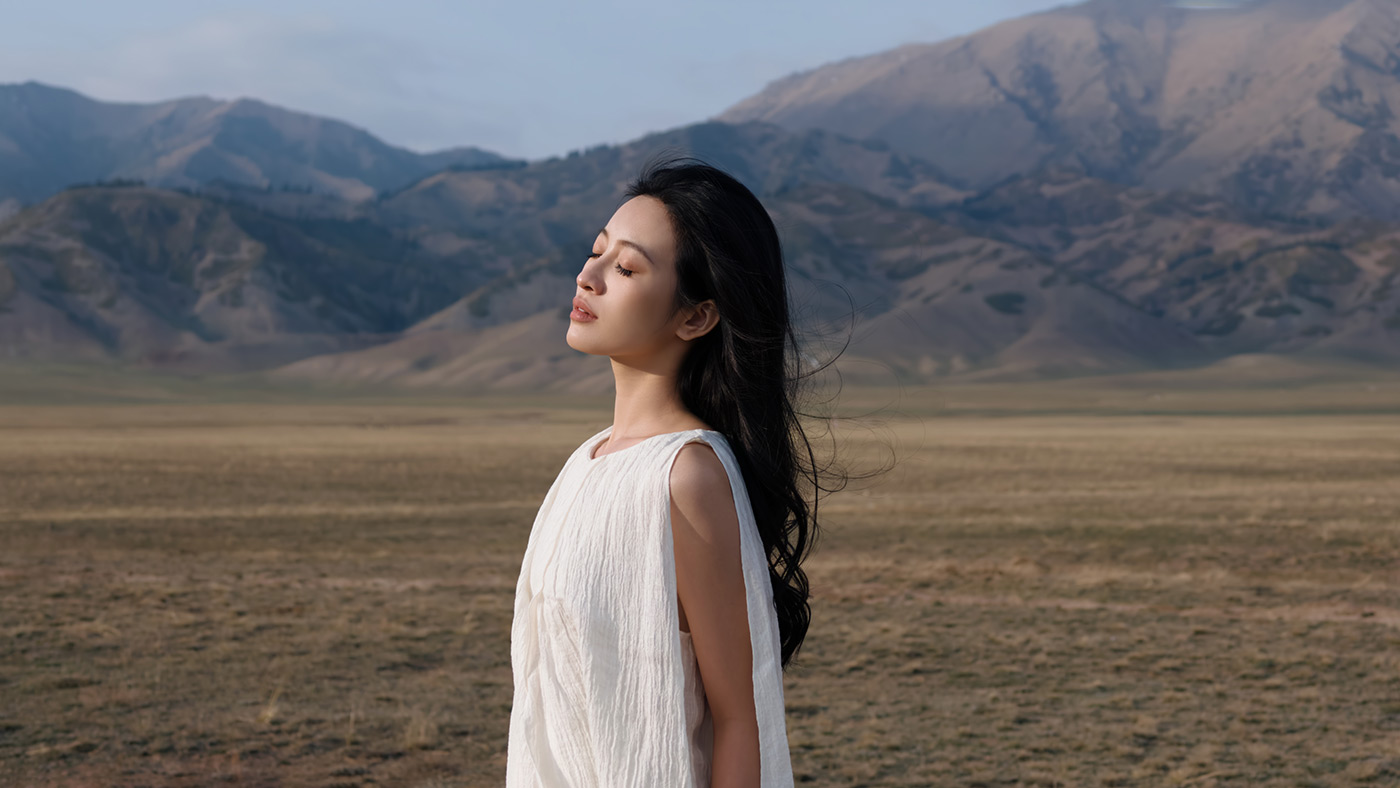
Sample image 06 Daytime portrait @60mm equivalent. Settings: 1/2000 sec. f/1.8. ISO 50
Can you use Pocket 3 and 4 accessories with 4P?
It is supported by a variety of existing and new action camera accessories, including many existing 3 accessories, if you add a Pocket 3 Expansion Adapter.
4 and 4P accessories are more natively supported without needing an adapter, so you can use accessories like an Osmo Pocket 4 Fill Light, or a Pocket 4 Battery Handle.
The best new accessories are the Magnetic ND Filter Set, which includes ND16, ND64 and ND256 filters. This is fairly essential if you want to maintain smooth, cinematic video in bright daylight conditions. There's also a Black Mist Filter, which works in a similar way to filters, smoothing skin tones and creating a nice blooming highlight effect.
You can also add a Wide-Angle Lens, which makes the wide-angle even wider, for close-up vlogs, extremely wide action shots, landscapes and perhaps even interiors. These help you get the most out of this portable model, in order to create more unique, smoother and better content in a variety of situations.
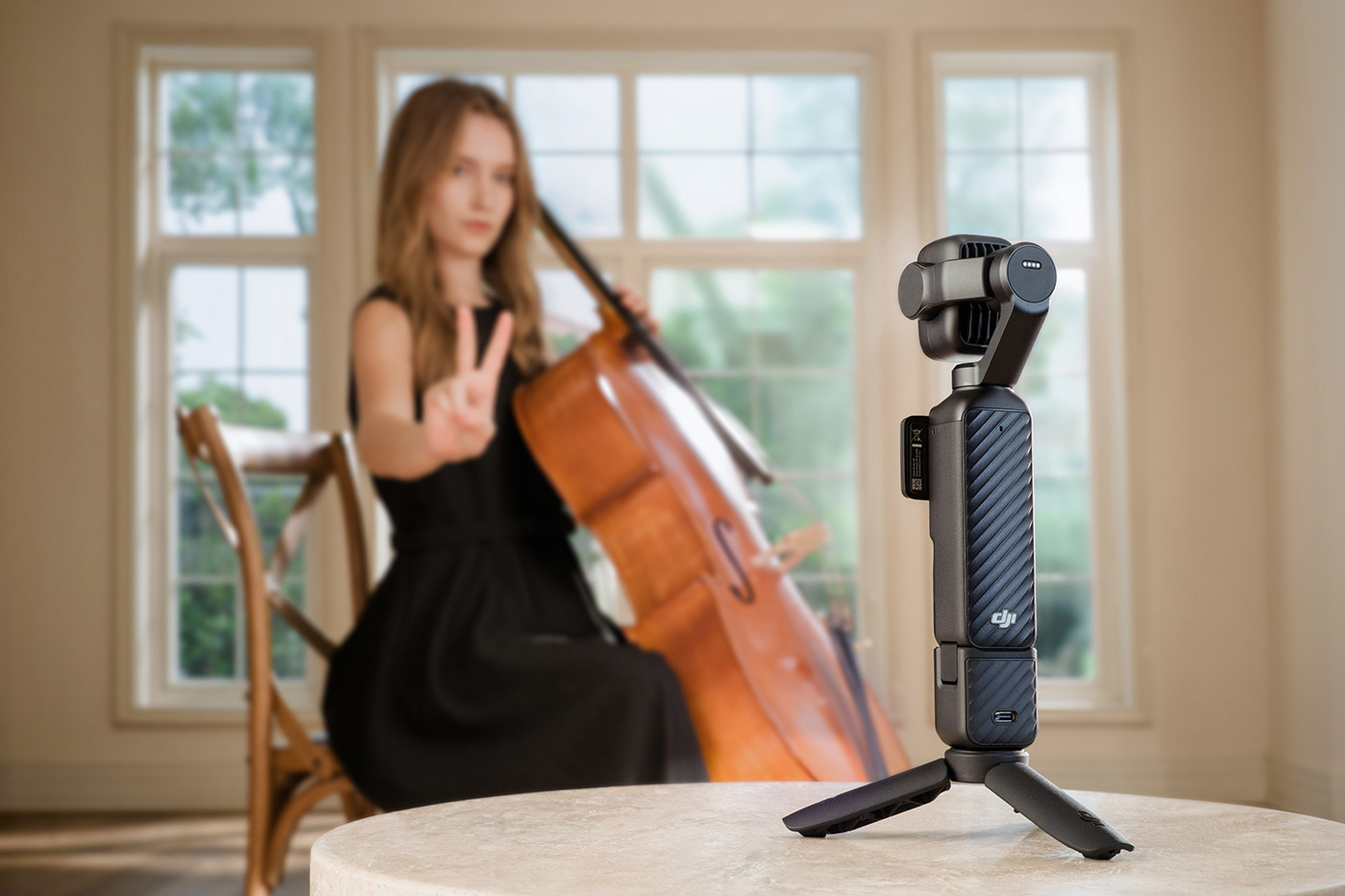
Using gesture control
Should you upgrade from the Pocket 3 or 4?
If you already have the Pocket 3 or 4, the design and handling of the 4P will feel familiar, but it does provide some noticeable improvements that make for quite a compelling upgrade. Although most of the hardware is the same as the standard version 4, the Pro model includes plenty that will appeal to advanced and professional creators.
The dual versionis, of course, the biggest difference, offering two focal lengths, with 3x optical zoom from a new wide-angle sensor design that captures wider DR in selected modes. You can expect excellent low-light performance, along with improved portrait-length image quality, which has a suitably wide aperture for subject separation.
ActiveTrack 8.0 enhances subject tracking, which is an excellent benefit for anyone who makes follow-type content. If you don't need two focal lengths, or are happy with 4K/120fps, you can stick with the 3 or 4. However, everyone else who appreciates the 103GB internal memory (which equates to about 3 hours of 4K/60p), fast workflow, incredibly lightweight 230g design and the best image quality from the series, will no doubt be drawn to the newer Pro model.
Reserve the DJI Osmo Pocket 4P Standard Combo or Pocket 4P Vlog Combo today, and take your content to the next level with this refined compact vlogging camera.
Frequently Asked Questions
Does it record D-Log 2 on both focal lengths?
No. D-Log 2, with up to 17 stops of dynamic range, is only available on the wide-angle at 1x zoom. The 60mm portrait mode still delivers excellent image quality for portraits, interviews, and subject-driven or distant subjects, but DJI hasn't specified D-Log 2 or that dynamic range figure for it.
What's the real difference between the wide-angle and 60mm?
The wide-angle is probably going to be your main shooter. It uses a new 1-inch CMOS sensor with LOFIC technology, supports up to 4K 240fps, and is the only one that gets D-Log 2 and the full dynamic range. It's best for vlogging, travel and landscapes. The 60mm mode gives you 3x optical zoom and a more compressed, cinematic look, so go for it when you want to capture portraits, interviews, product shots, or anywhere you want more subject separation.
Can both shoot RAW photos?
Yes. Both capture around 37MP stills in JPEG, DNG RAW, or JPEG + DNG together, so you've got full editing flexibility whichever you're using.
What video specs does the 60mm support?
Up to 4K/60p using HEVC encoding, at bitrates of up to 180Mbps. It also supports 4K slow motion at up to 200fps, Full HD slow motion at up to 240fps, and the Pocket 4P's intelligent shooting features, including ActiveTrack 8.0, Product Showcase and Gesture Control.
Will my Pocket 3 accessories work with it?
Many existing version 3 accessories are compatible with the Pocket 4P, particularly when used with the Expansion Adapter. The adapter also allows compatible third-party 67mm filters to be fitted, making it easier to continue using your existing filter collection.
Can I use it as a webcam?
Yes. It supports UVC/UAC webcam output over USB, allowing you to connect directly to a computer for livestreaming, video calls or online meetings. Webcam output is available in both Full HD and 4K, with support for landscape and portrait orientations. For improved audio, pair it with a compatible external microphone or choose the Vlog Combo, which includes the Mic Mini 2 Transmitter for high-quality wireless sound.
How long does the battery last and how quickly does it charge?
It provides up to 210 minutes of operating time on a full charge. Real-world battery life will vary depending on your recording settings, screen brightness and wireless use. When it’s time to recharge, the battery reaches 80% in approximately 18 minutes and 100% in around 32 minutes when using the 65W Portable Charger (sold separately).
Can I record vertical video?
Yes. Native landscape and vertical recording is supported. By default, it automatically switches between horizontal and vertical shooting when you rotate the touchscreen, or you can manually select Landscape, Portrait or Auto-Rotation in settings. Once recording has started, the shooting orientation is locked until you stop recording, helping to prevent accidental changes mid-shot.
Share this post:
By Nick Dautlich on 30/07/2026

Nick Dautlich
Senior Content Writer and Product Reviewer
Nick Dautlich is the Senior Content Writer and Product Reviewer at Park Cameras, with over 15 years of photography experience. A Sony Imaging Professional and expert reviewer, Nick has worked with major brands such as Canon, Sony and Nikon. His work is also featured on Vanguard World UK’s website, Capture Landscapes, and Shutter Evolve. Nick’s photography includes National Trust projects and magazine covers and he is passionate about landscapes and storytelling. Nick also enjoys hiking and teaching his children about nature. Learn more on his profile page.
Trade in your old equipment
Fast and easy trade in service ensures your old gear is collected efficiently and you are paid quickly! It's very simple to trade in your unwanted photography gear. Just head over to our dedicated Sell or Part Exchange page, fill out the details, and we'll get back to you with an offer for your old gear. Take the cash, or put it towards the cost of your new gear. It's up to you! Find out more
sign up to the newsletter
Keep up to date on the latest photography news, events and offers. Sign up now