- Call us 01444 237070

-
- Back
- Used Cameras
- Used Accessories
- Used Lenses
- Back
- Used Canon Lenses
- Used Nikon Lenses
- Used Fujifilm Lenses
- Used Sony Lenses
- Used Micro 4/3rds Lenses
- Used Leica Lenses
- Used Panasonic Lenses
- Used Pentax Lenses
- Used Samyang Lenses
- Used Sigma Lenses
- Used Tamron Lenses
- Used Tokina Lenses
- Used Voigtlander Lenses
- Used Zeiss Lenses
- Used Hasselblad Lenses
- Used Video
- Used Film Equipment
- Used Stock Alert
- Used Blank Test
- Sell or Part Exchange
- Used Clearance
- Recently Added Used Equipment
- Park Picks
- Faulty
- Trade-In
- Blog
- New in
- Call us
- Contact us
- Stores
- Sign in
- Categories
- Tips & Inspiration
- Reviews
- News
- Events
- Features
- Buying Guides
- Competitions
Nikon AF-S NIKKOR 50mm f/1.4G Review
A wide aperture 50mm prime is one of those popular lenses that allows you to capture a huge variety of genres. You can create images with soft background blur and a nice sharp subject with great subject separation if wanted, just like the chicken image shown below.
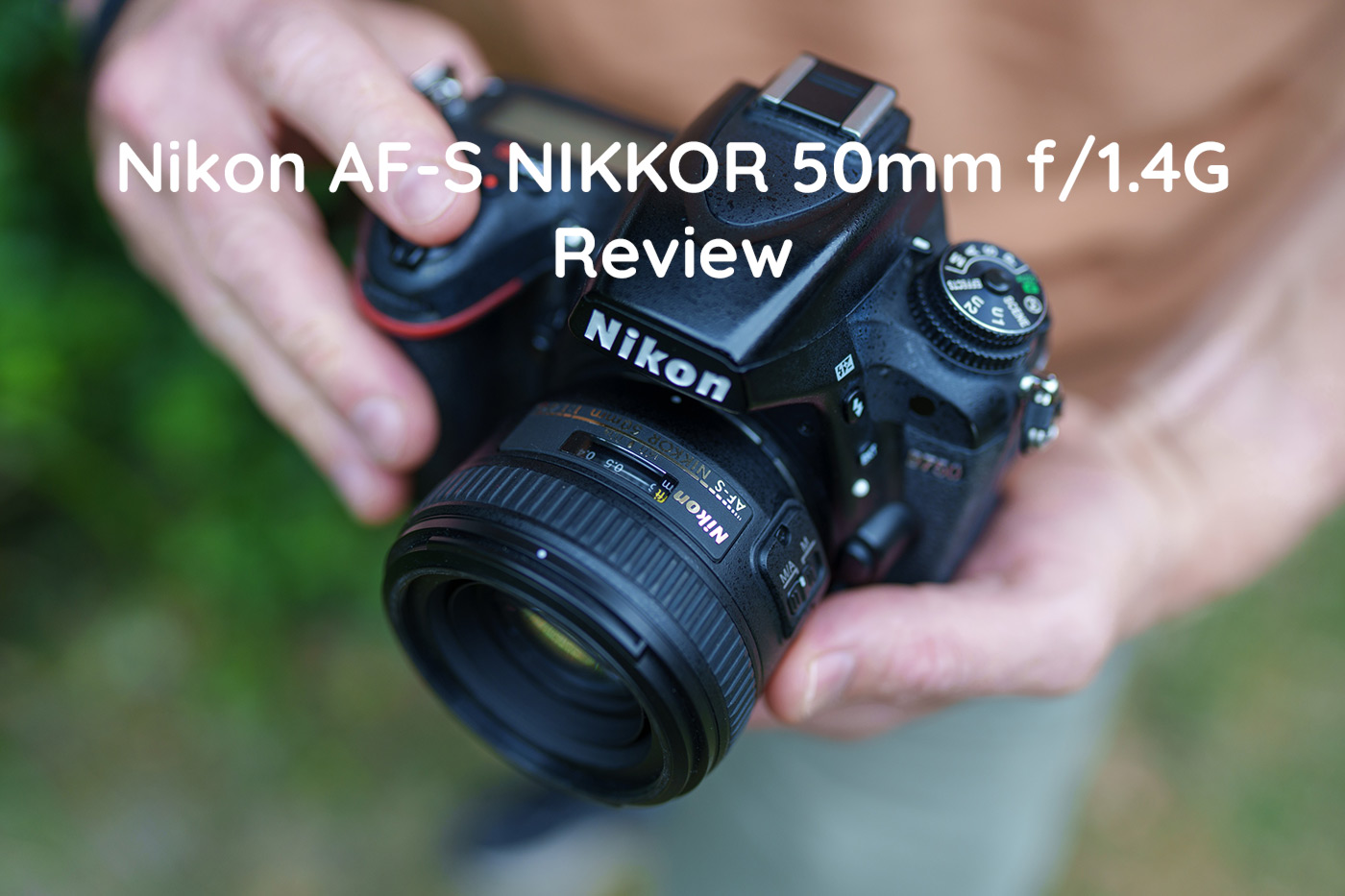
While finding out whether the Nikon D750 is the Best Value Full-Frame DSLR, I paired the camera with a used Nikon AF-S Nikkor 50mm f/1.4G. It's a particularly affordable Nikon DSLR lens that benefits from a wide f/1.4 aperture, and is the subject of this Nikon AF-S NIKKOR 50mm f/1.4G Review.
When bought new, the AF-S Nikkor 50mm F/1.4G costs £429.00, but used prices start at only £100.00. This is excellent value compared to modern mirrorless Z lenses of this calibre, which often cost £500.00 or more.
Access to lower-priced lenses is a key reason why some photographers stick with DSLR cameras. It lets you build a comprehensive kit with great quality used lenses, which generally cost far less than an equivalent mirrorless system, whether new or used.
With that in mind, if you're considering a DSLR or simply interested in what this nifty fifty can do, join us for a hands-on review. We’ve got a variety of sample images to see whether this is the best 50mm lens for your photography.
ℹ️ Right click to enlarge images
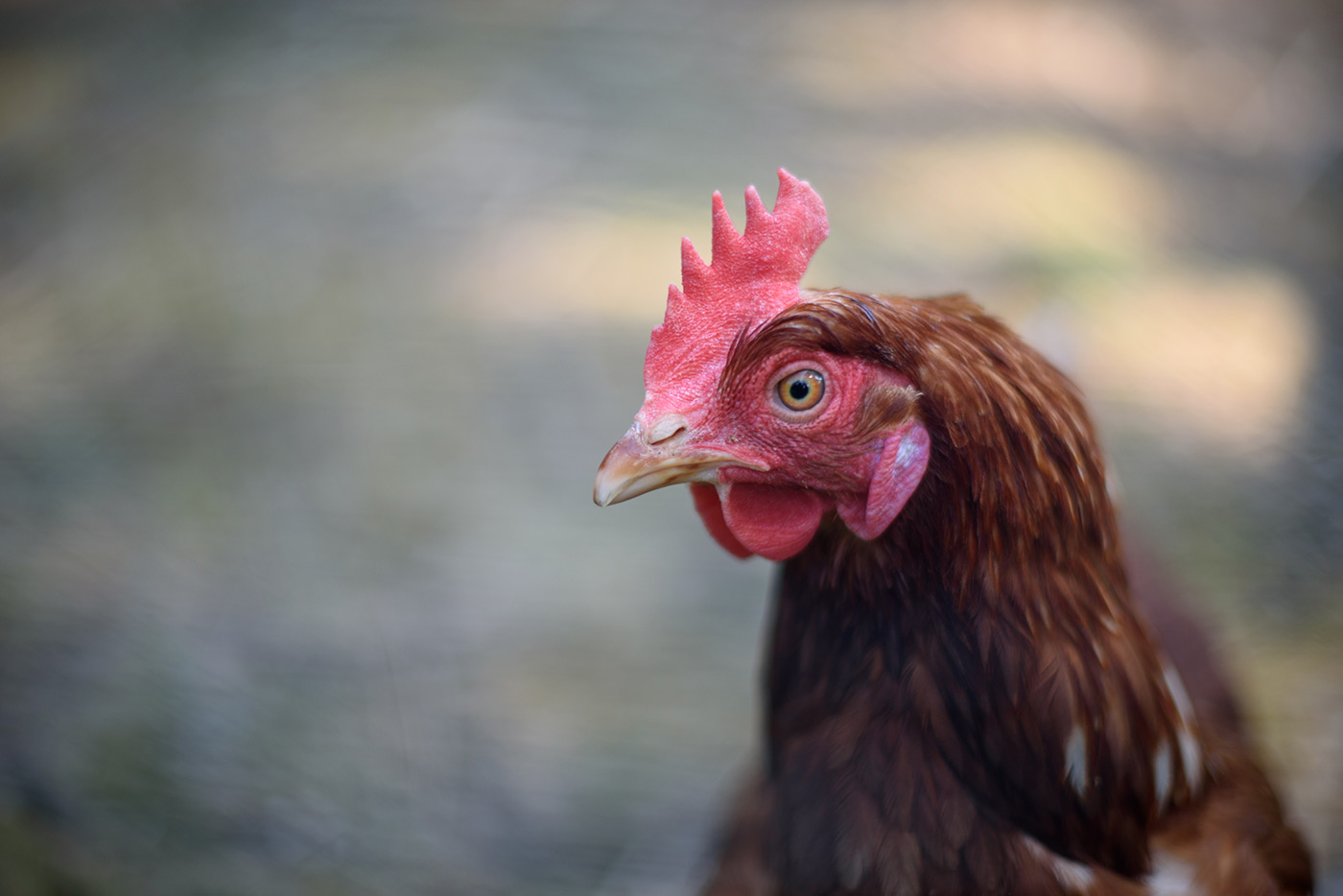
Sample 01 Close-up of a chicken with beautifully soft background blur that looks painterly. Camera settings: 1/800 sec. f/1.4. ISO 100
Pros and cons
If you’re in a hurry, here are the headline pros and cons of this lens
Pros
- Excellent value, started second-hand from around £100.00–£150.00
- Wide f/1.4 aperture for low light and background blur
- Compact, lightweight and easy to handle
- Solid, weather-resistant build with rubber gasket at the mount
- Full-time manual focus override
- Characterful, dreamy rendering wide open
- Sharp, contrasty results from f/2.8, best at f/5.6
- 58mm filter thread for affordable filters
Cons
- Colour fringing (chromatic aberration) at f/1.4
- Lacks the clinical sharpness of modern mirrorless lenses when shot wide open
- Autofocus is slower than newer dual-motor lenses
- Some lens breathing and slight AF motor noise, less suited to video
- Made of plastic rather than premium materials
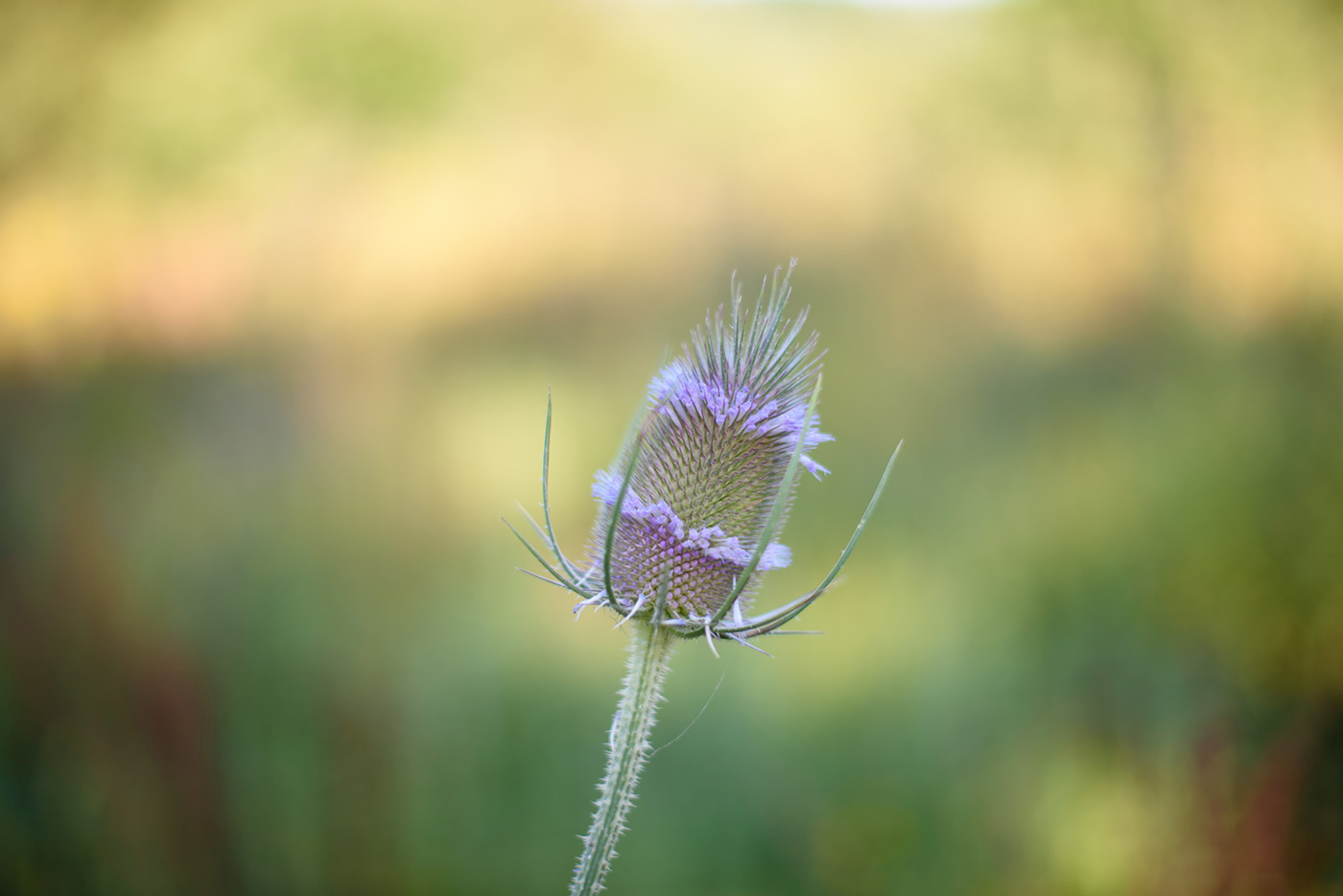
Sample 02 Common teasel with soft background blur. Camera settings: 1/640 sec. f/1.6. ISO 100
Value comparison
A 'very good' or 'excellent' condition used Nikon AF-S 50mm F/1.4G costs around £150.00. That's great value for what is considered a high-end enthusiast FX lens. By comparison, a used Nikon AF-S Nikkor 50mm f/1.8G costs around £115.00, whereas a modern mirrorless equivalent like the Nikon 50mm F/1.8 S Z Mount Lens, is £569.00.
This demonstrates the value proposition, but is it any good? Let's press on with the key features so we can build up a better picture.
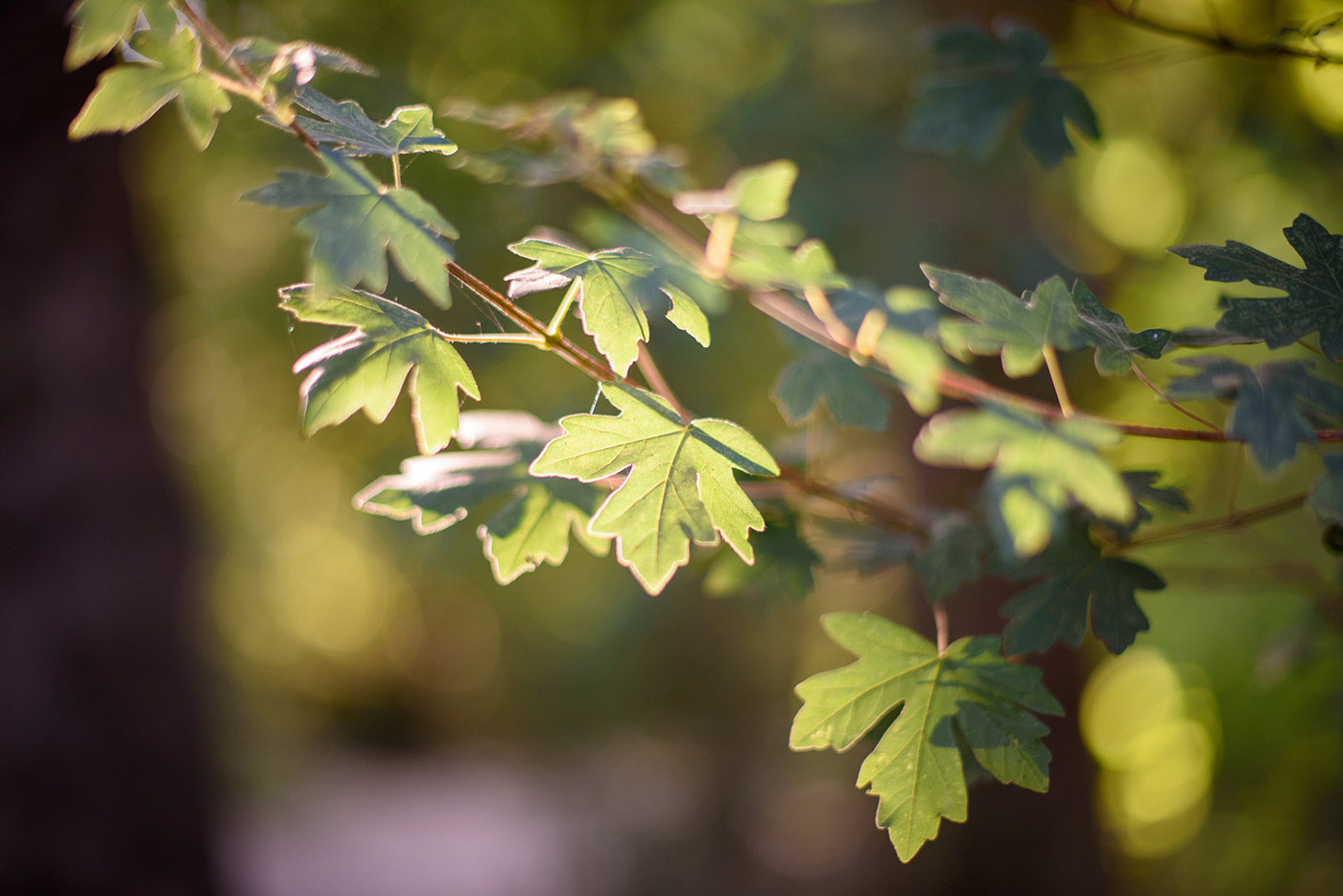
Sample 03 Lateral chromatic aberration is visible along high-contrast edges in challenging backlight. Camera settings: 1/200 sec. f/1.4. ISO 250
Key features
This lens replaced a manual focus version. The autofocus capability makes it a great choice for capturing moving subjects with your DSLR. It may also work well on mirrorless cameras with an FTZ adapter, but I didn't get a chance to test it.
Below are the main specifications.
|
Mount |
F mount |
|
Dimensions |
74 x 54mm |
|
Weight approx. |
290g |
|
Elements / Groups |
8/7 |
|
Maximum magnification |
0.15x |
|
Minimum focus distance |
0.45m |
|
Aperture range |
F/1.4 - f/16 |
|
Number of diaphragm blades |
9 |
|
Filter size |
58mm |
It's a compact, lightweight lens that fits well on any camera body. It works especially well on the full-frame D750 that I used, remaining lightweight and easy to shoot with. The 58mm thread also lets you add cost effective camera lens filters, like a UV or CPL.
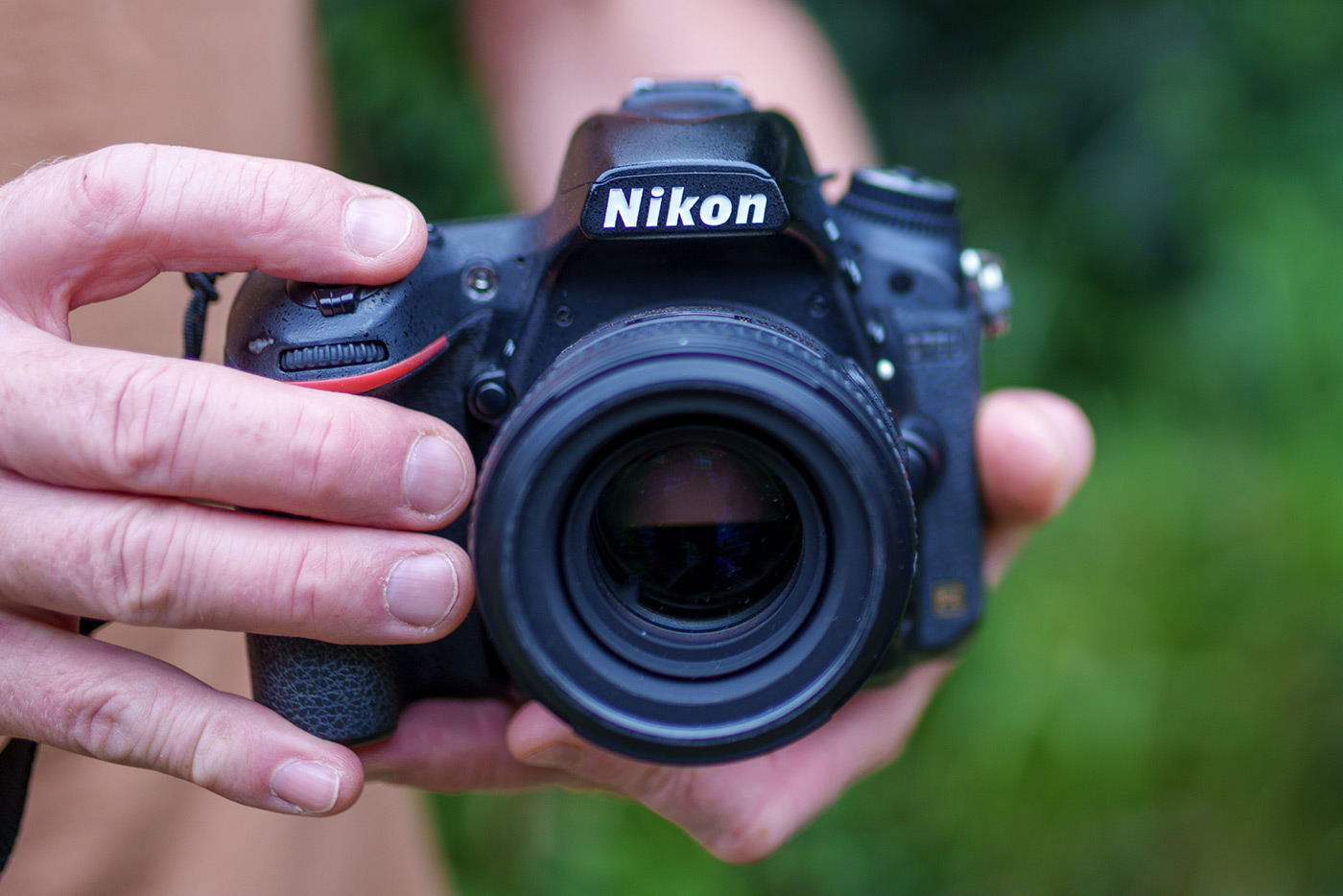
Build quality and handling
Despite being lightweight, the lens feels nice and solid. It is made of plastic, and feels like most Nikon lenses of that era. It has a rubber gasket at the metal lens mount to repel dust and moisture.
It also has a rubber focus ring that overrides AF when you turn it. The ring turns smoothly and allows you to manually correct focus when needed.
The only control on the lens barrel is an MF/AF toggle. It enables full-time manual focus, which can help for video recording. The lens does breathe a bit and there's also a very slight focus motor noise, so it may not be the best choice for video.
Autofocus speed is relatively slow compared to newer sports or dual-motor lenses. Bear that in mind if you want to capture very fast subjects. That said, this focal length isn't especially suited to sports and wildlife, so you'll more likely be dealing with fast moving kids, parties and events.
That leads us onto image quality.
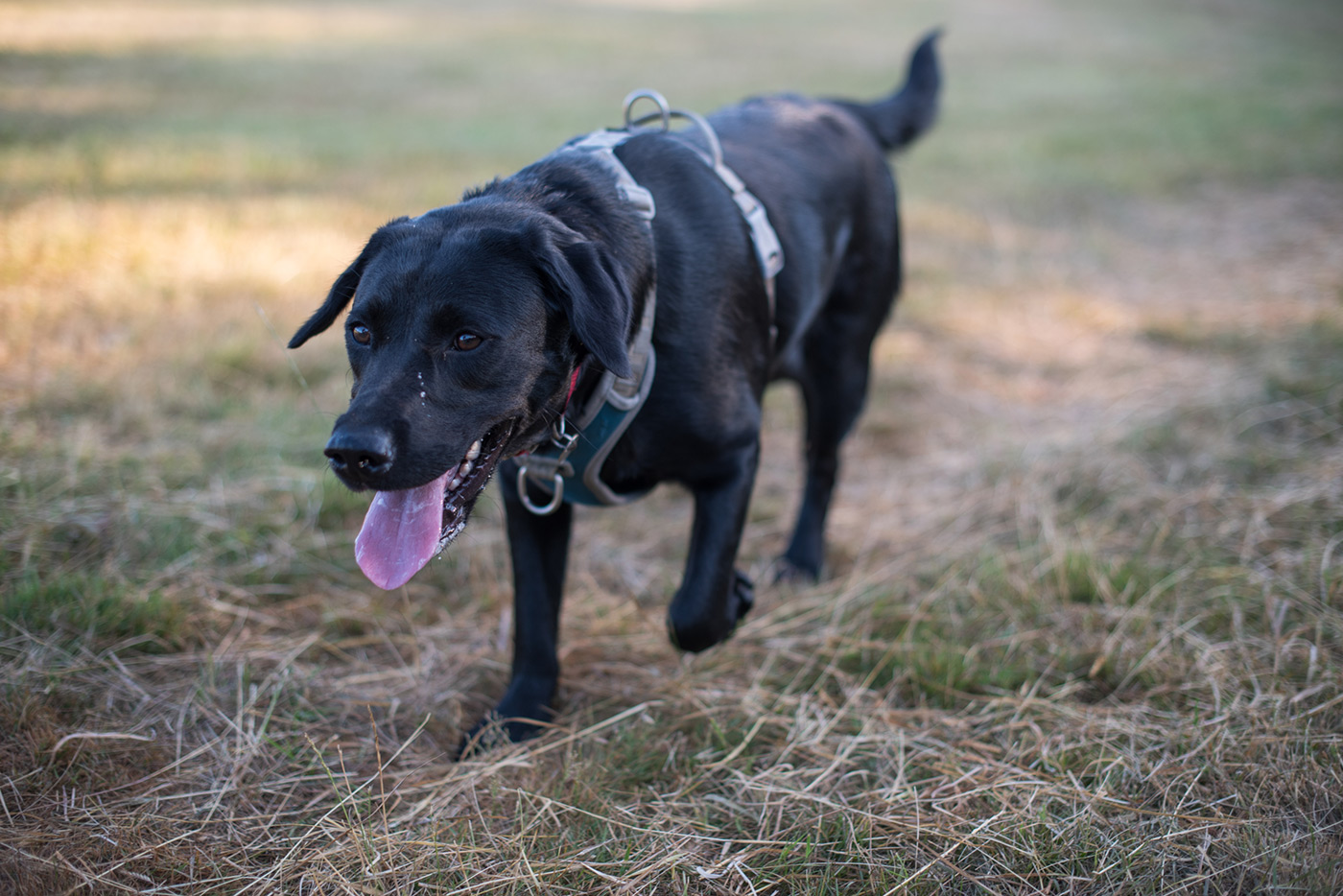
Sample 04 Dog trotting along. Camera settings: 1/800 sec. f/2.0. ISO 200
What's the image quality like?
Let's begin this with a quick look at sharpness. You can see in the metadata for several of the sample images that I often shot the lens wide open at f/1.4. The results look great to me at this aperture, with soft dreamy backgrounds that are smooth and blurry.
When you look closely at images shot at f/1.4 they show some colour fringing (also called chromatic aberration). There's also a lack of clinical sharpness that some modern mirrorless lenses resolve. It's not until you stop down to f/2.8 and beyond that you can see decent sharpness and contrast, especially when capturing close-ups.
However, I love the slightly soft and dreamy results you can get when shooting wide open. The character can suit naturally lit portraits and subjects you want to melt into a background. This is a lens with lots of character and it can render distinct looking images. Just don't expect mirrorless performance, especially when shooting wide open.
Uniform sharpness is best at around f/5.6. This is probably where the lens performs best overall, reducing vignetting, distortion and fringing. I'd be happy to shoot this lens wide open, but expect to see some optical flaws.
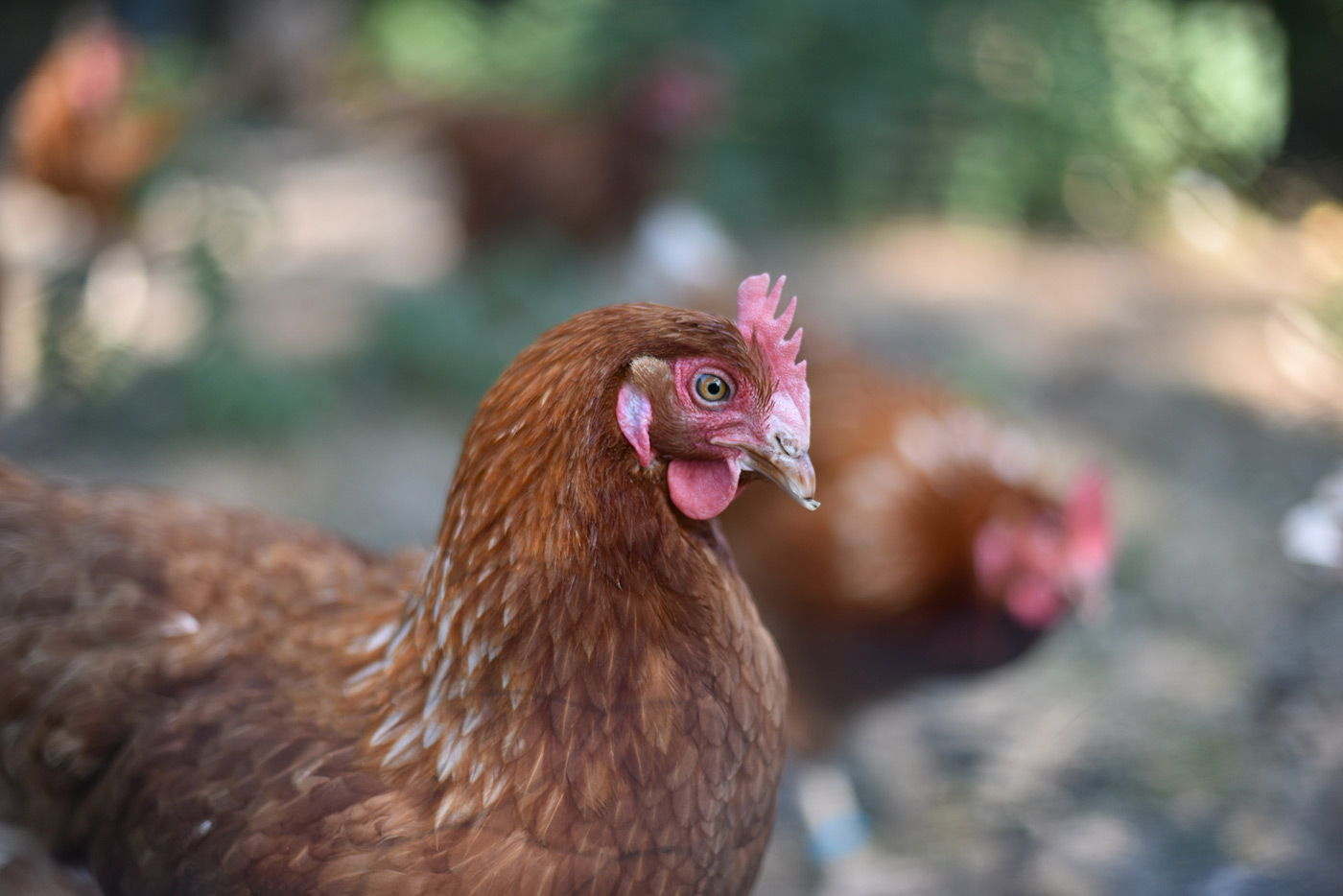
Sample 05 Chicken with soft background blur. Camera settings: 1/2500 sec. f/1.4. ISO 360
How is it in real world use?
This lens is especially easy to shoot with. It's compact, and has very few controls to distract you. That means you can immerse yourself in the moment. As a fixed prime lens (rather than a zoom) you have to frame shots by moving around. Moving around is easy as it's so lightweight, leaving you free to adjust your composition and explore light.
As mentioned earlier, focus is a little slower than we're used to from many mirrorless lenses. But focus is quick enough for everyday subjects like animals and human portraits. I shot in Manual mode using a combination of AF-S and single-point AF in single-shot mode. The D750 focus points are clustered around the middle of the sensor, so you sometimes have to acquire focus then recompose and shoot. It was all very easy with this lens.
All of these elements contribute to the lens being simple, fun and versatile to use. Is it for you? Let's find out next.
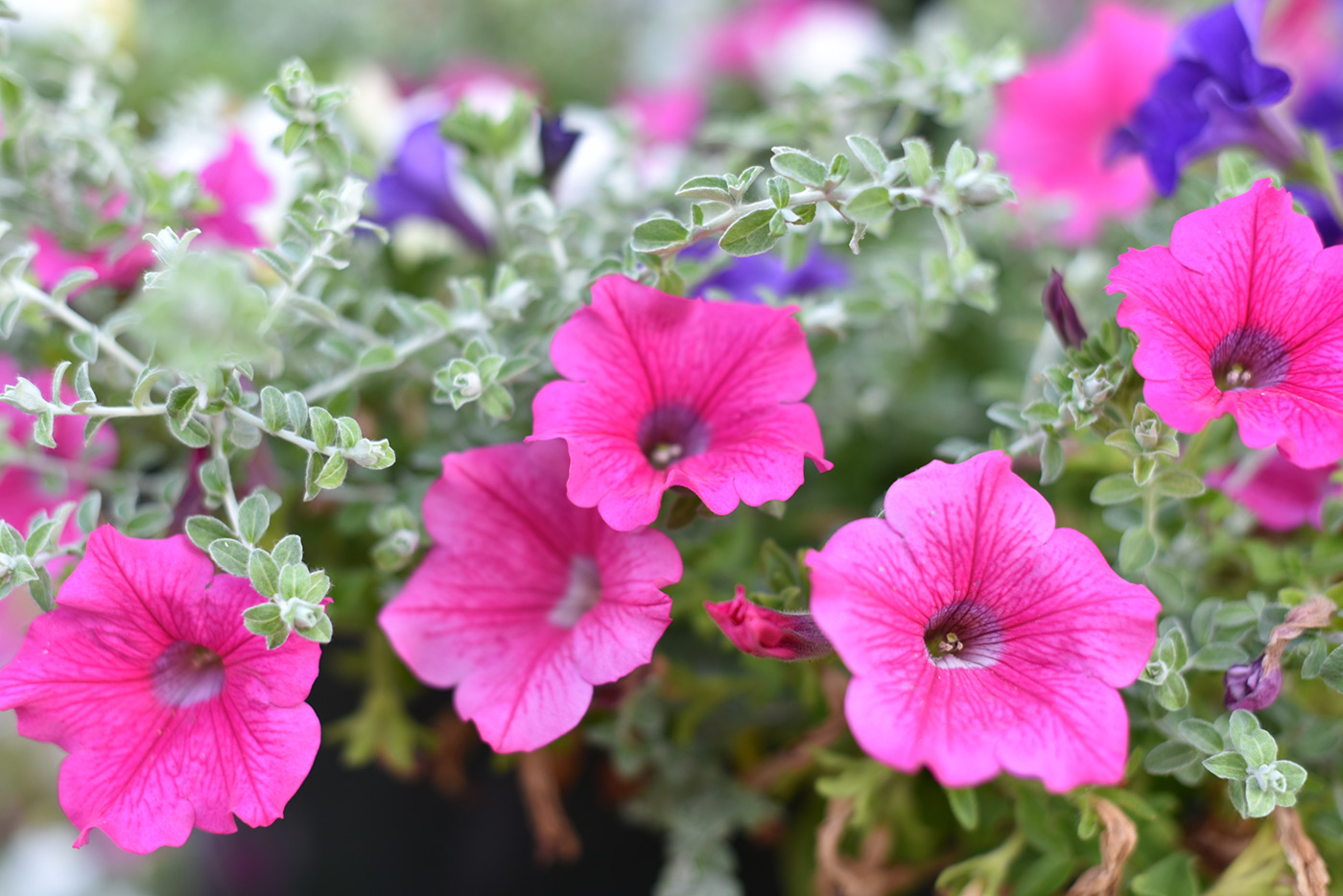
Sample 06 Bright petunias showing colour rendering. Camera settings: 1/100 sec. f/2.2. ISO 100
Who is it for and what might be a better option?
Prime lenses are the bread and butter for many photographers, while an f/1.4 aperture is considered advanced enthusiast or professional territory. Despite being an f/1.4 50mm lens, you can buy one from around £100.00. This makes it suitable for a variety of users.
If you're a natural light portrait enthusiast, low-light event shooter, or just a full-frame DSLR user who wants a fast prime lens, this could be the perfect option. It's well worth buying second-hand, as it will cost a fraction of what a new mirrorless equivalent would cost.
If you're a hybrid stills and video creator, shoot with a high resolution DSLR or mirrorless camera, or want more sharpness wide open, you might want to look at other options. A used Sigma 50mm F/1.4 DG HSM Art will set you back around £350.00. The higher price gets you pin sharp results wide open, albeit from a larger and heavier design.
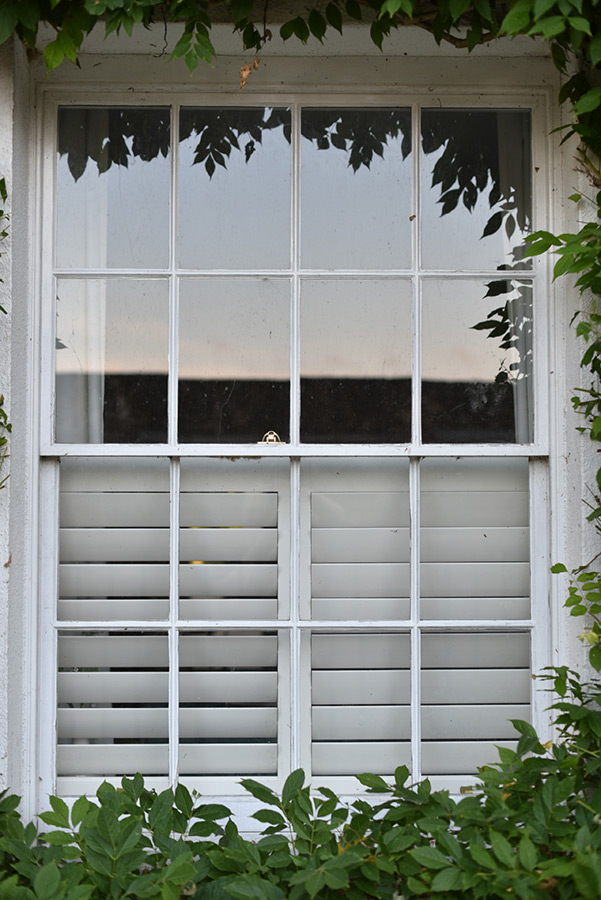
Sample 07 Sash window reflections. Camera settings: 1/160 sec. f/2.2. ISO 100
Although it's also around £350.00, a used Nikon Z 50mm f/1.8 S is a brilliant 50mm prime for mirrorless cameras. You won't need an FTZ adapter and you'll gain faster AF with sharper results wide open.
If you're in the market for a mirrorless prime there are lots to choose from. For DSLR cameras the choice is slightly less broad, but the AF-S NIKKOR 50mm f/1.4G is definitely one to consider. At typical used prices it really is a bargain. You can capture characterful results, with lovely bokeh, shoot confidently in low light, and render pin sharp details at f/5.6 if that's what you are after.
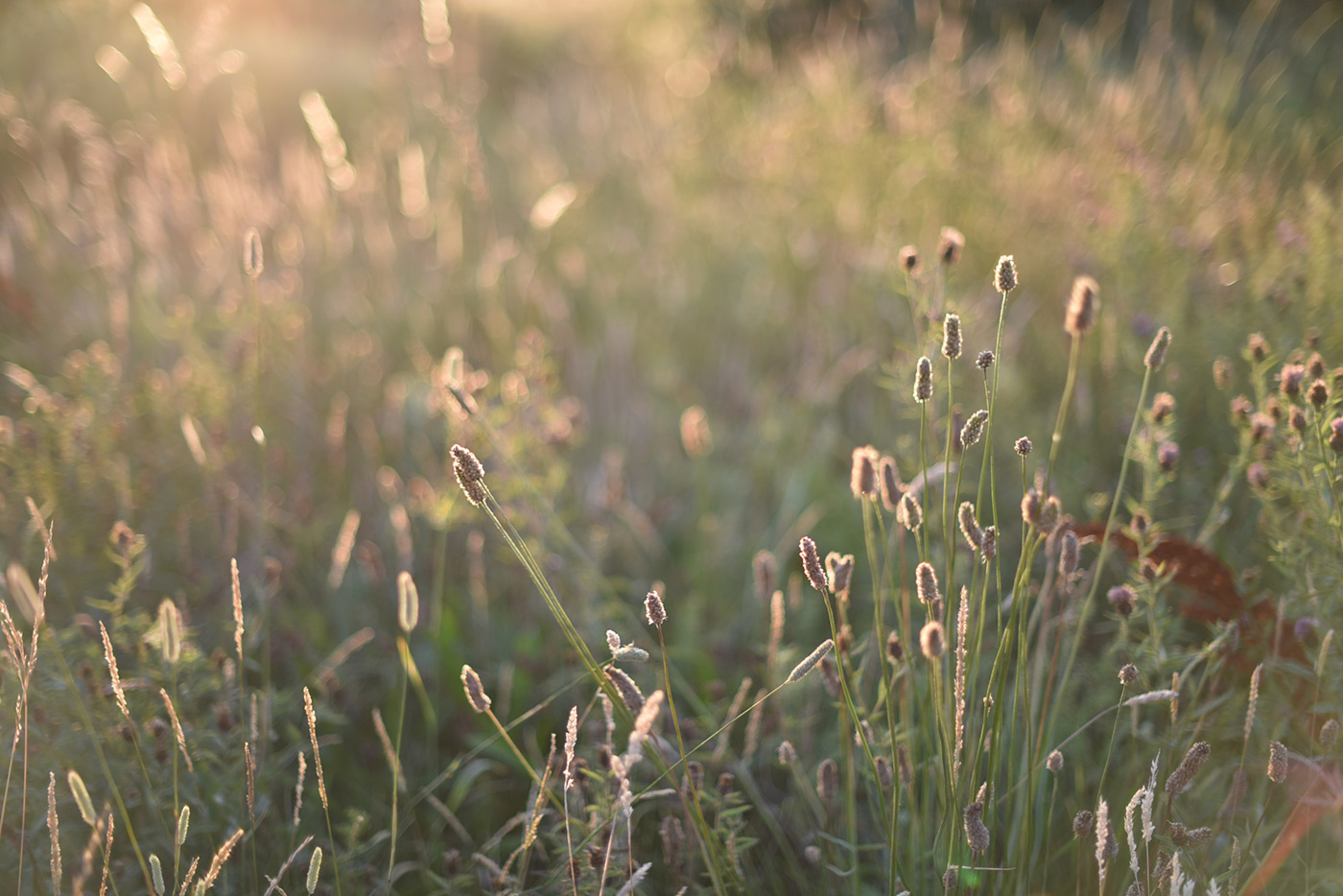
Sample 08 Morning light on grasses. Camera settings: 1/800 sec. f/1.4. ISO 125
Ready to add this classic nifty fifty to your kit? Shop for a new AF-S Nikkor 50mm F/1.4G, or grab a used AF-S Nikkor 50mm f/1.4G and enjoy the same characterful results for a fraction of the price. Whichever you choose, this is a lens that punches well above its price tag and both come with a 12 month warranty!
Share this post:
By Nick Dautlich on 20/08/2026

Nick Dautlich
Senior Content Writer and Product Reviewer
Nick Dautlich is the Senior Content Writer and Product Reviewer at Park Cameras, with over 15 years of photography experience. A Sony Imaging Professional and expert reviewer, Nick has worked with major brands such as Canon, Sony and Nikon. His work is also featured on Vanguard World UK’s website, Capture Landscapes, and Shutter Evolve. Nick’s photography includes National Trust projects and magazine covers and he is passionate about landscapes and storytelling. Nick also enjoys hiking and teaching his children about nature. Learn more on his profile page.
Trade in your old equipment
Fast and easy trade in service ensures your old gear is collected efficiently and you are paid quickly! It's very simple to trade in your unwanted photography gear. Just head over to our dedicated Sell or Part Exchange page, fill out the details, and we'll get back to you with an offer for your old gear. Take the cash, or put it towards the cost of your new gear. It's up to you! Find out more
sign up to the newsletter
Keep up to date on the latest photography news, events and offers. Sign up now