- Call us 01444 237070

-
- Back
- Used Cameras
- Used Accessories
- Used Lenses
- Back
- Used Canon Lenses
- Used Nikon Lenses
- Used Fujifilm Lenses
- Used Sony Lenses
- Used Micro 4/3rds Lenses
- Used Leica Lenses
- Used Panasonic Lenses
- Used Pentax Lenses
- Used Samyang Lenses
- Used Sigma Lenses
- Used Tamron Lenses
- Used Tokina Lenses
- Used Voigtlander Lenses
- Used Zeiss Lenses
- Used Hasselblad Lenses
- Used Video
- Used Film Equipment
- Used Stock Alert
- Used Blank Test
- Sell or Part Exchange
- Used Clearance
- Recently Added Used Equipment
- Park Picks
- Faulty
- Trade-In
- Blog
- New in
- Call us
- Contact us
- Stores
- Sign in
- Categories
- Tips & Inspiration
- Reviews
- News
- Events
- Features
- Buying Guides
- Competitions
Sigma 35mm F1.4 DG II Art Review
During a recent summer holiday I had the opportunity to shoot with the latest generation of the Sigma 35mm F1.4 Art lens. Released in April 2026, the Sigma 35mm F1.4 DG II ART for Sony E is an update to a very popular prime focal length, comparable to both 50mm and 85mm options.
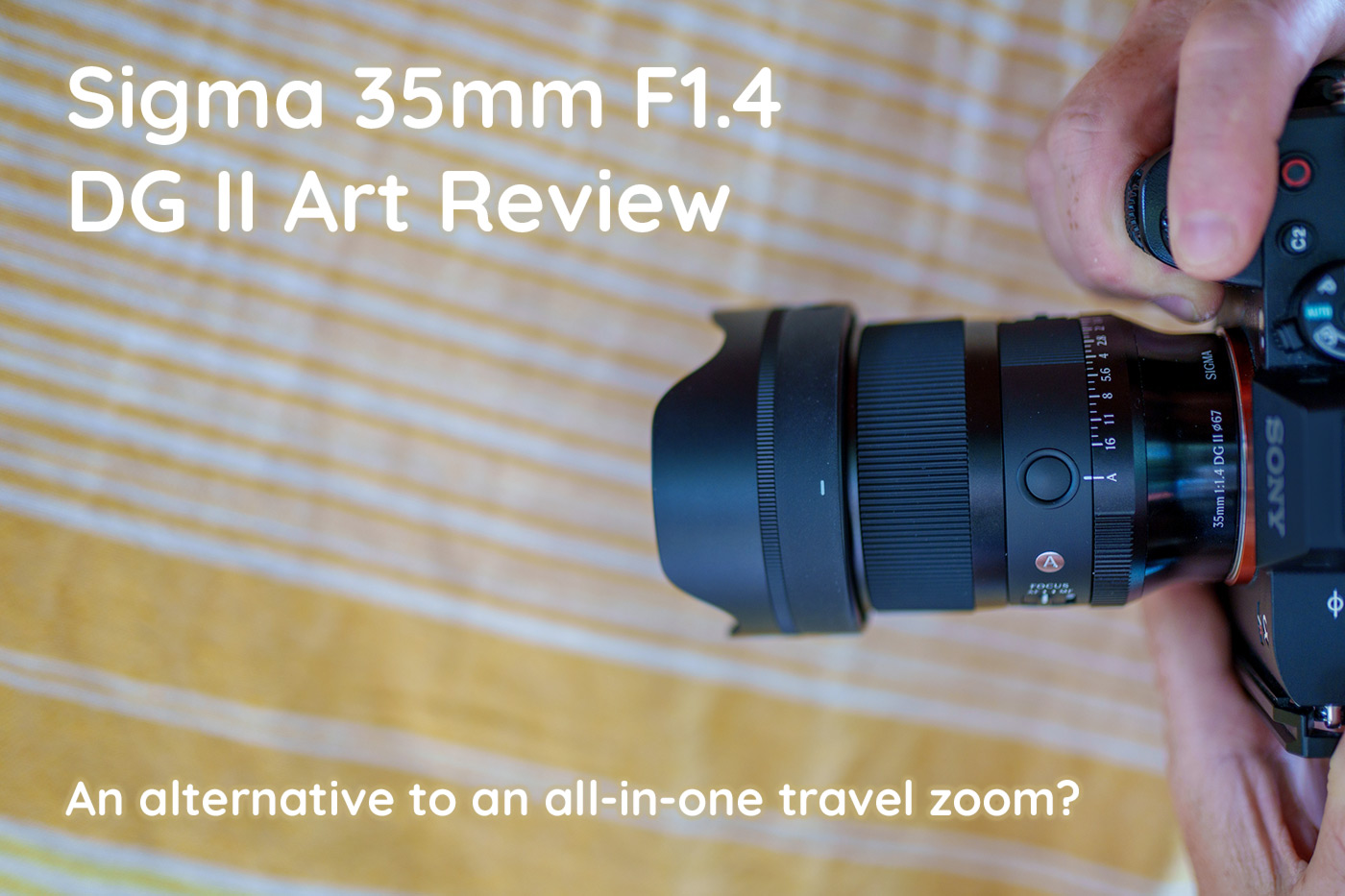
A low-light prime is great for holidays and travel, being suited to anything from natural light portraits to landscapes, evening walks and street photography.
In this hands-on review, I explore whether it could be a real alternative to an all-in-one travel zoom. We investigate image quality and include plenty of sample photos from various photography styles to help you decide whether this is the best option to bring on your next trip.
So without further ado let’s begin with some background.
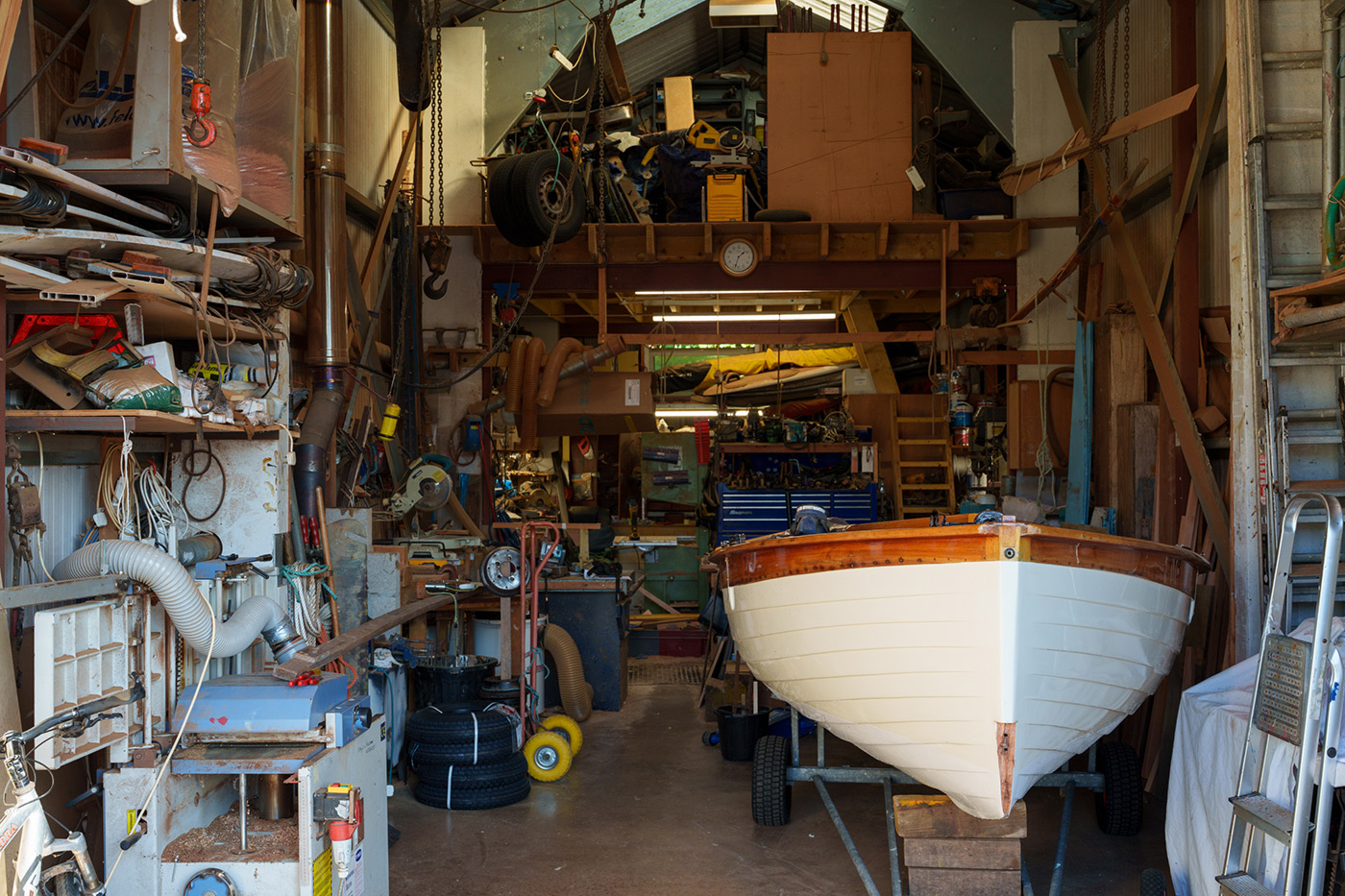
ℹ️ Right click to enlarge images
Sample 01 Boat builder’s workshop. Detail-rich low-light scene, showing excellent clarity across the frame. Camera settings: 1/125 sec. f/5.6. ISO 320
Where It Fits In
The 35mm F1.4 DG II Art is a full-frame mirrorless lens for Sony E mount and Leica L mount cameras. The mark II updates the 2021 original, and costs £849.00 new. You may be lucky to find one in our used Sigma lens range for slightly less, but they are still few and far between.
This was the first full-frame Art series lens to be released following Sigma’s new, simplified naming convention that dropped “DN". For launch, specs feature in our original post looking at what’s new for the Sigma 35mm F1.4 DG II ART lens, but I didn’t get a chance to shoot with it at the time. That post covers the full spec sheet, but a few details are worth revisiting.
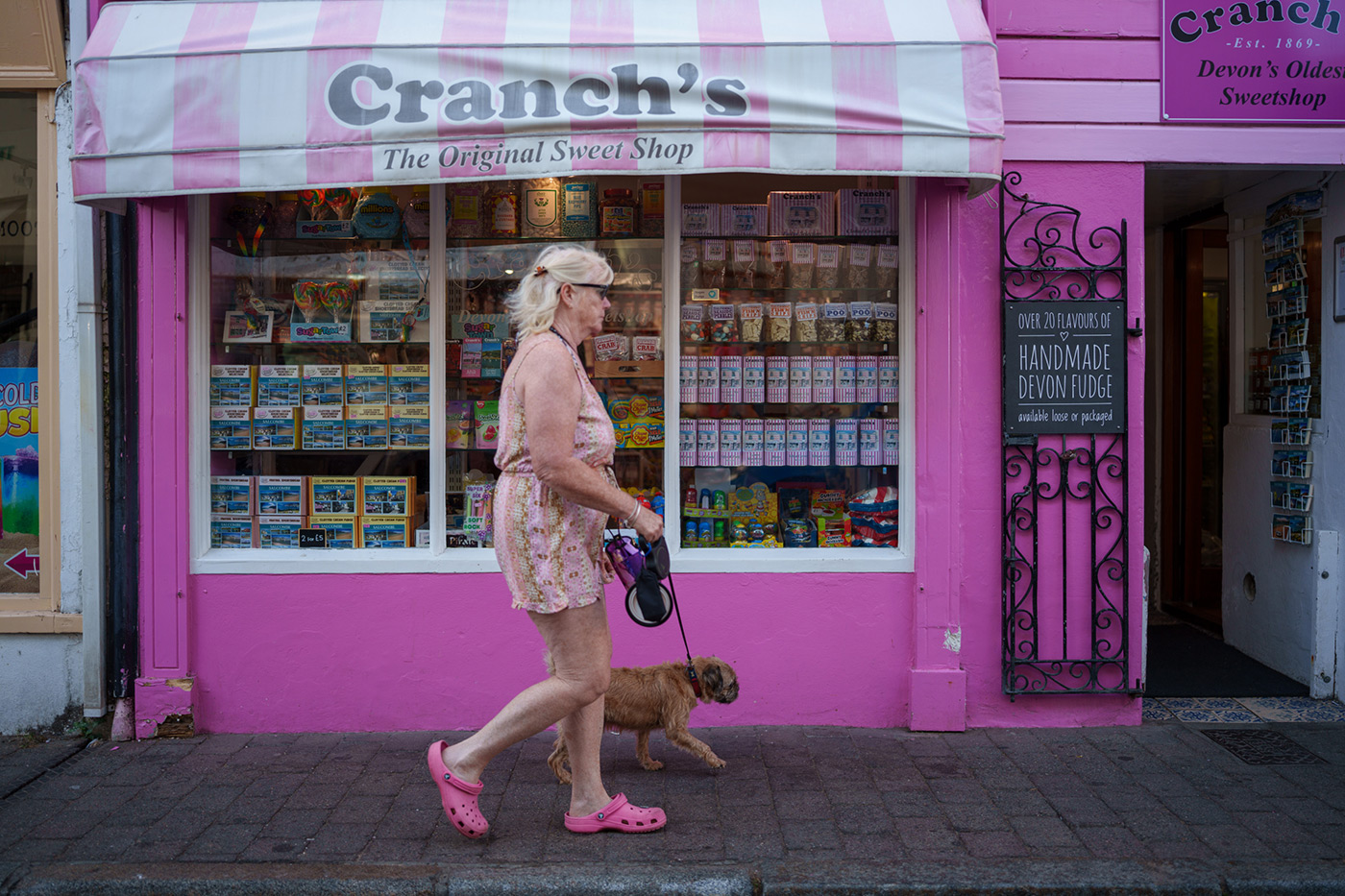
Sample 02 Street scene in pink. Camera settings: 1/1600 sec. f/1.4. ISO 100
Specs and features relevant for real world use
Here are the most important features for real world use:
- 63.4° angle of view. By comparison, the 50mm F1.4 DG DN Art has a 46.8° angle of view. That means you can fit substantially more in the frame, without it being considered a ‘wide angle’ lens.
- At 109.5mm long and 525g weight, it’s smaller and lighter than the original, making it really easy to carry all day on my full-frame camera.
- An 11-blade rounded diaphragm captures circular highlights with lovely background rendering. You can expect really natural falloff too, which we explore later on in this review.
- 45cm minimum focusing distance, with a maximum magnification ratio of 1:6.8. It's no macro lens, but more than capable of casual close-ups.
- Dedicated and de-clickable aperture ring, suited to both stills and video
- Dual HLA (High-response Linear Actuator) focus mechanism, compatible with Sony’s subject detection and tracking
- Weather sealed design with a compact 67mm front filter thread.
35mm has always been a versatile focal length. But it's the upgrades such as reduced weight, faster autofocus, and improved bokeh that turn this into more.
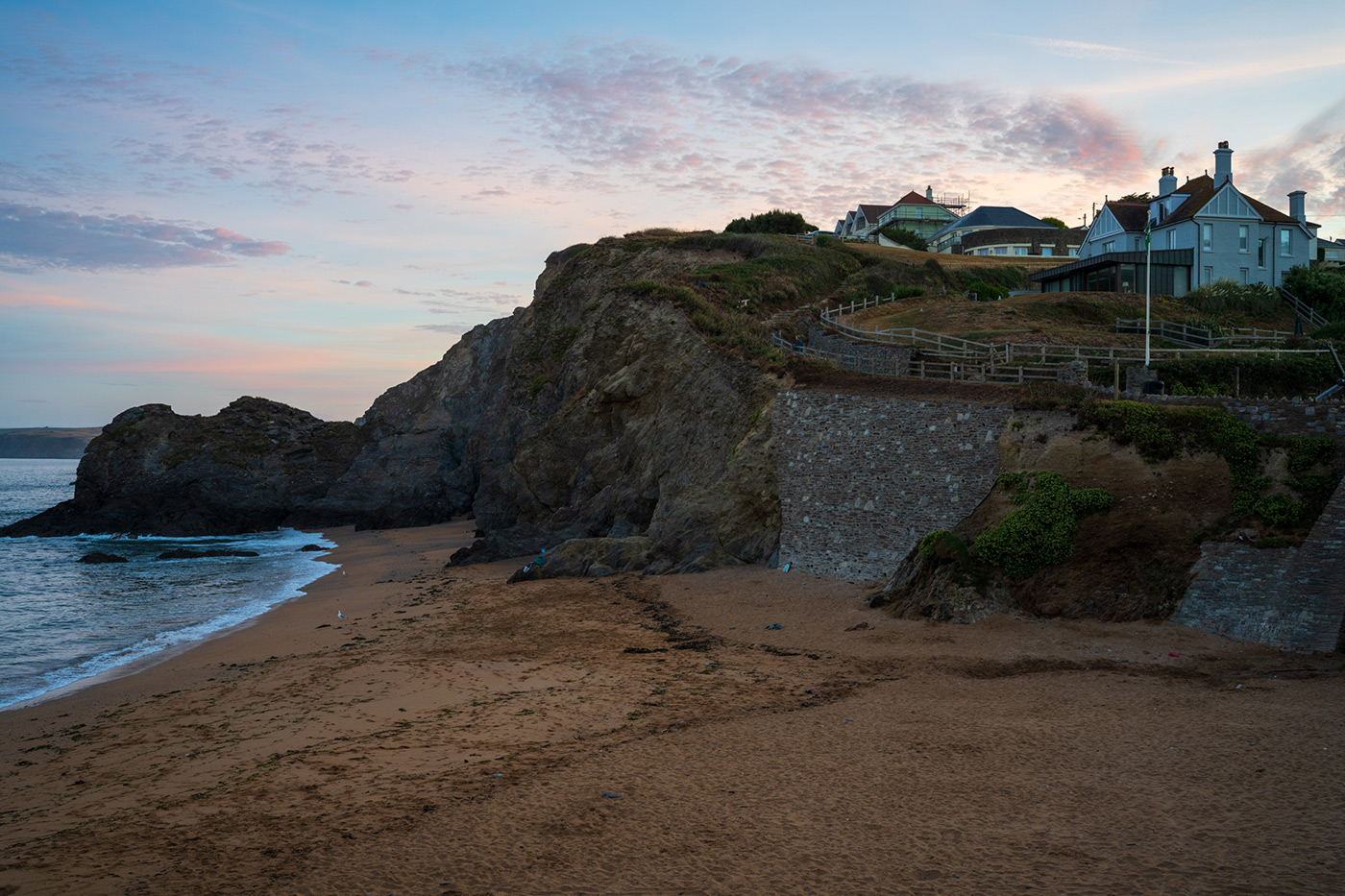
Sample 03 Coastal landscape at sunrise. Natural colours and contrast. Camera settings: 1/60 sec. f/4.5. ISO 500
How is build and handling?
Both build and handling are top notch. Sigma has given us an Art-series lens, which is not only smaller and lighter, but incudes the most important controls. The aperture ring locks off to prevent accidental changes. Two customisable focus hold buttons cater to horizontal and vertical shooting, and the large focus ring is smooth, nicely damped, and easy to operate.
Despite the low weight, it feels robust, and is made with a combination of aluminium and signature composite plastic. The box includes a lockable rubberised petal shaped lens hood, which I kept mounted most of the time. Some photographers prefer to shoot without one, but for a walk-around lens like this, a hood earns its keep by protecting the front element from knocks.
I also kept a 67mm WR ceramic protector mounted for the entire trip. Being near the beach, and having written about the pros and cons of a UV protection filter before, I knew this was exactly the situation they're made for. Sand and sea spray were a constant threat, and this setup handled it admirably.
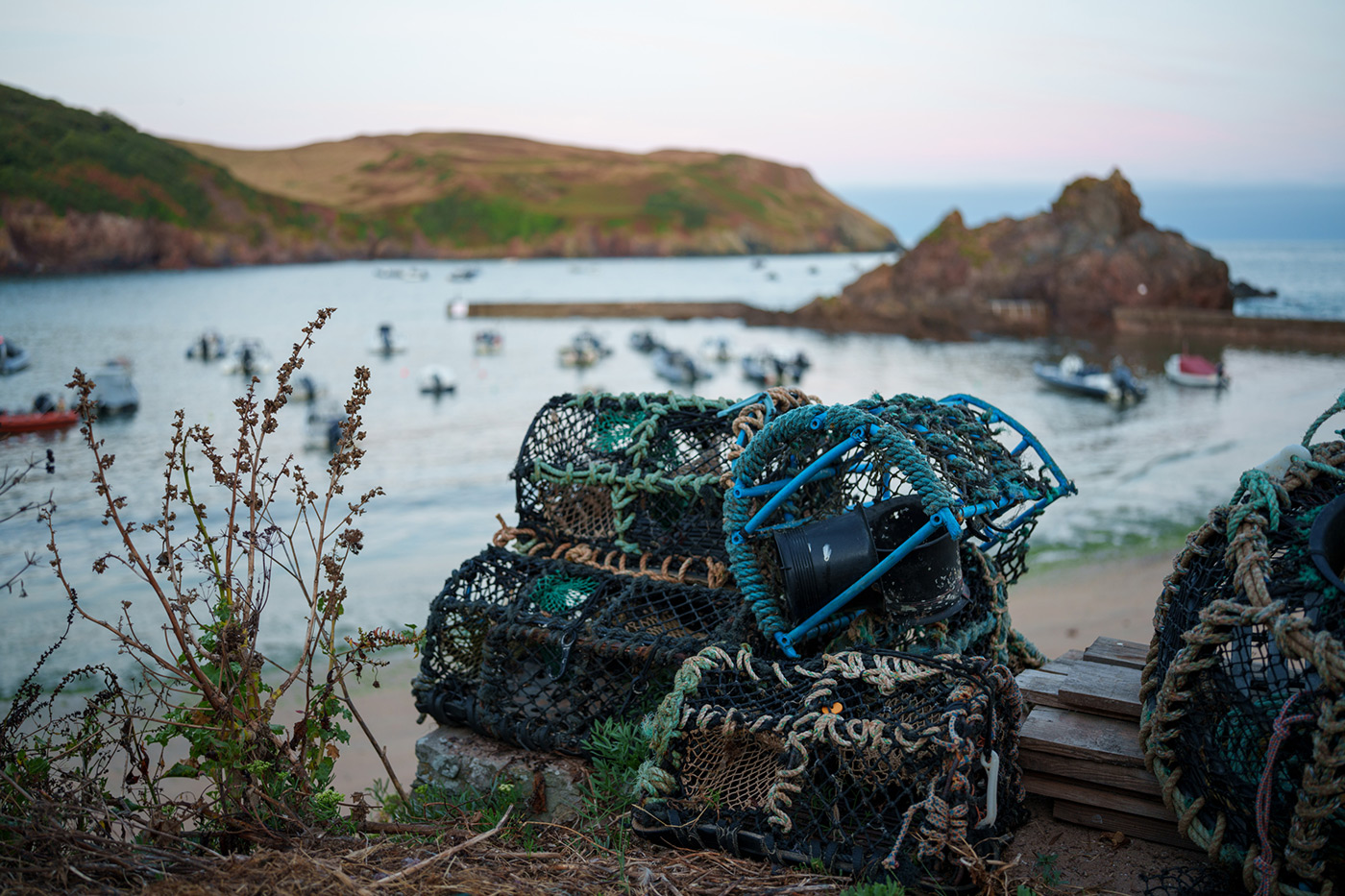
Sample 04 Crab nets. Camera settings: 1/125 sec. f/1.4. ISO 100
Is the autofocus fast enough?
A prime lens of this type is expected to be pointed at all sorts of subjects and autofocus proved quick and reliable for street photography, fast-moving people and running pets. That said, it’s not a Sports lens and I did notice AF lag slightly for example when photographing seagulls flying around town.
Even with these sorts of challenging subjects it generally kept up and focusing overall is very impressive.
Notably, you can also use DMF mode enabled in-camera to manually focus at any time. This can help when pinpointing a specific subject. As an example I used Direct Manual Focus for the market seller image, as he was hidden behind two characters in the foreground. Simply let autofocus get you approximately on target, then use the focus ring to fine-tune the focus manually.

Sample 05 Window reflections. Camera settings: 1/250 sec. f/3.5. ISO 125
How is Image quality?
This lens was redesigned from the ground up for modern mirrorless cameras, and it shows. You don't need to stop down for excellent sharpness. Although perhaps sharpest at around f/5.6, details are already bitingly sharp at f/1.4. That means you can shoot wide open for creative effect and still achieve excellent image quality.
There is some noticeable vignetting at wider apertures, but to my eye that adds character. Regardless, it’s very easy to remove in post if required. Colour fringing and aberration are very well controlled, and colours are rendered naturally straight out of camera, with minimal editing needed.
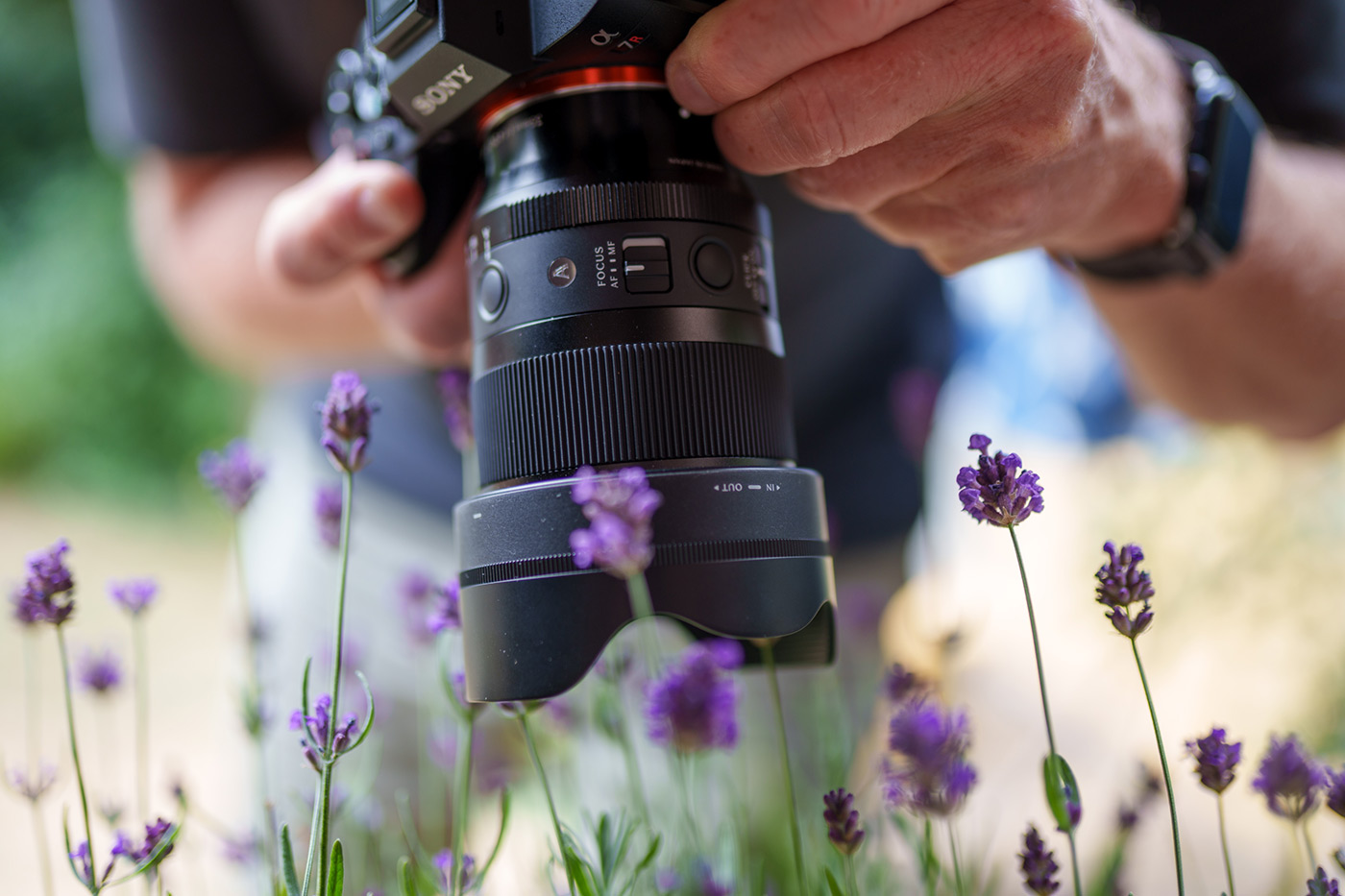
Bokeh is another highlight. I tested it from various distances and apertures, and results often have a lovely 3D pop. Backgrounds fall away smoothly, and at the widest apertures you'll see distinctive cat's-eye bokeh across the frame.
Whether you want front-to-back sharpness for landscapes or soft, dreamy backgrounds for a portrait, this lens delivers.
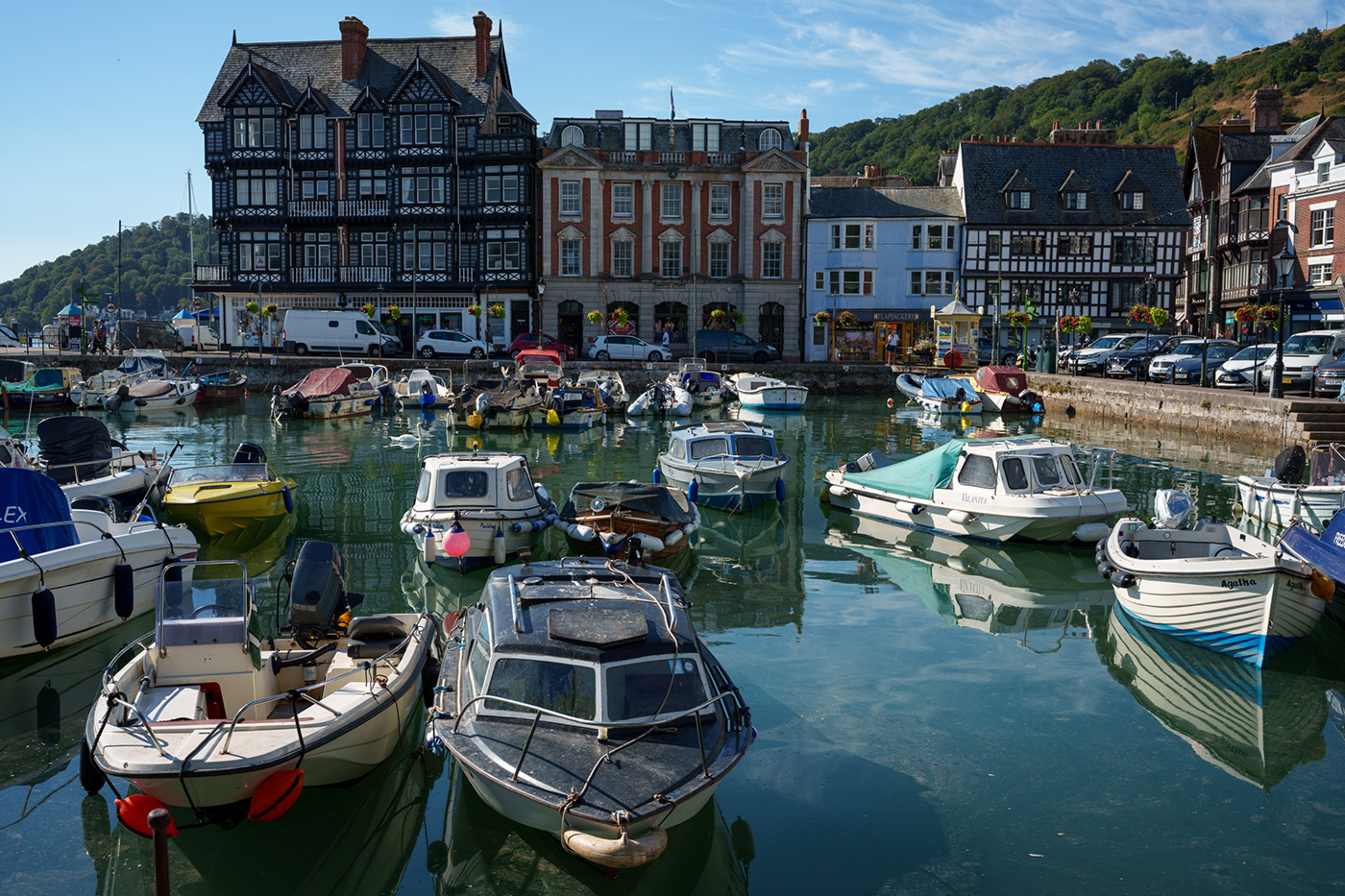
Sample 06 Harbour scene. Camera settings: 1/640 sec. f/5.6. ISO 100
Who is it for?
Sigma now has no less than four 35mm lenses for Sony E-mount, so why pick this one? The 35mm F1.4 DG II is arguably the best-balanced choice for anyone who wants a very high quality prime for both photography and video.
While it lacks the flagship’s f/1.2 aperture, it brings significant improvements compared to the original mark I. It's larger and heavier than the 35mm F2 DG Contemporary, yet delivers the build, handling and image quality advantages expected from the Art-series.
It’s an excellent choice for weddings, events, portraits, and travel. If you are after the best balance between portability, aperture and image quality that can be used for everyday creativity, this could well be the one you’ve been looking for.
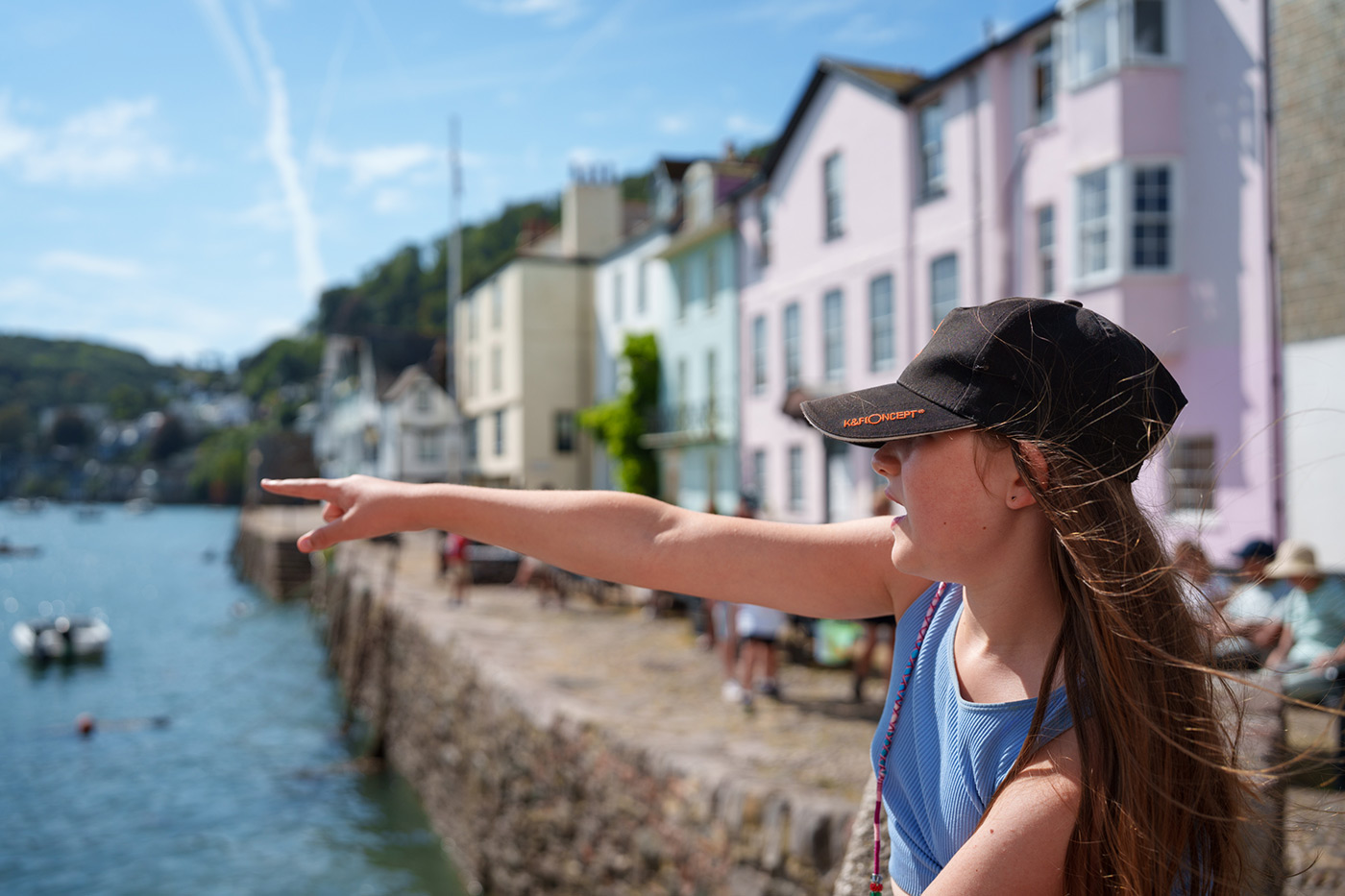
Sample 07 3D pop from a shallow depth of field. Camera settings: 1/2500 sec. f/2.8. ISO 100
So the question remains, can it replace an all-in-one travel zoom? For most of the time, yes, definitely. That’s especially true if you’re using a high-res camera like the A7R V, which has plenty of resolution for cropping. I didn’t actually need to crop any of these images, but I did bring a telephoto zoom for a specific use case.
Ultimately a prime and zoom complement each other, allowing for a lightweight low-light option together with the extended reach of a superzoom when you need it.
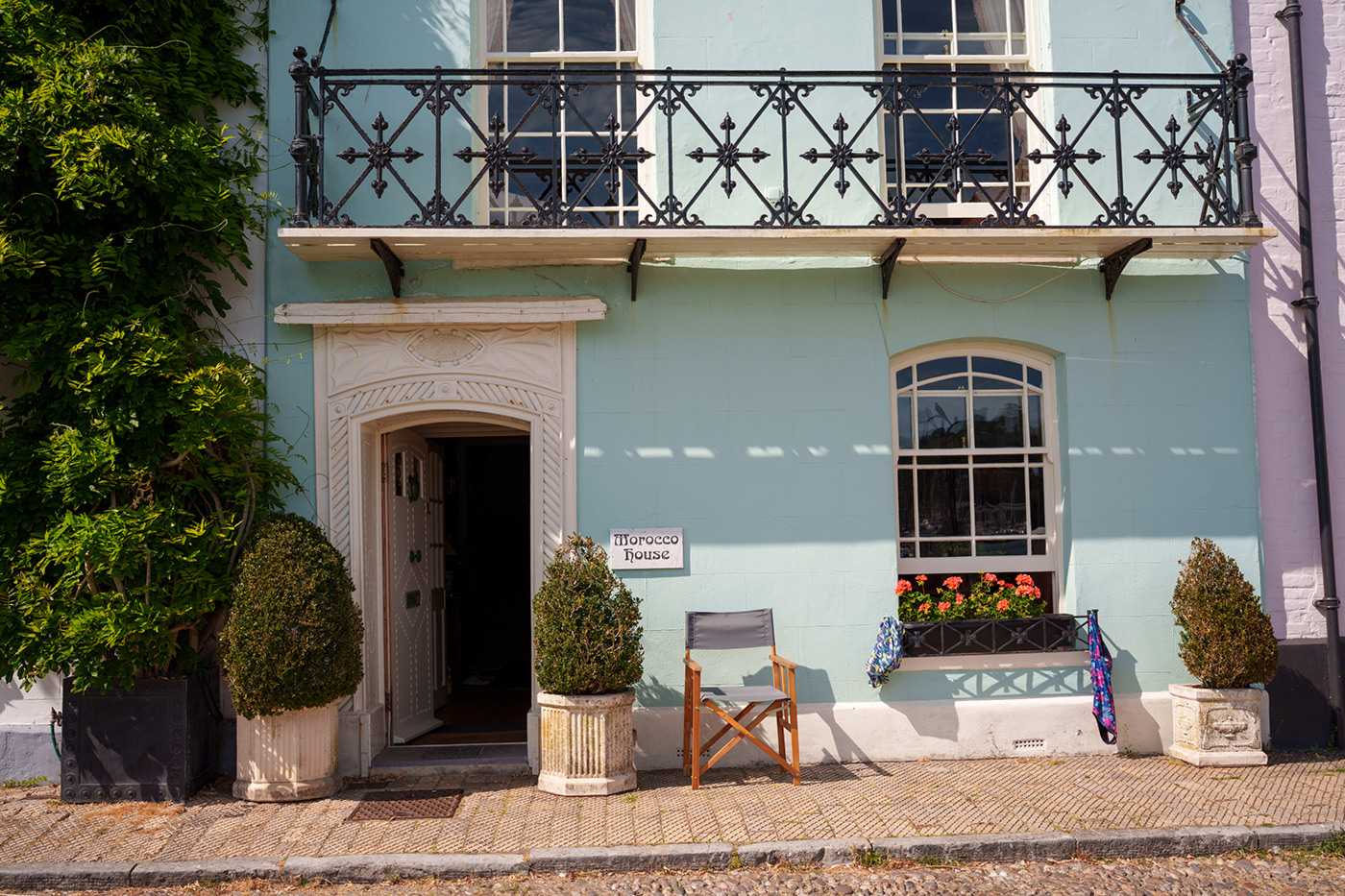
Sample 08 Exterior architecture. Camera settings: 1/640 sec. f/5.6. ISO 100
Order your Sigma 35mm F/1.4 DG II Art Lens For Sony E or the 35mm F/1.4 DG II Art for L Mount and add a compact, fast prime to your travel kit.
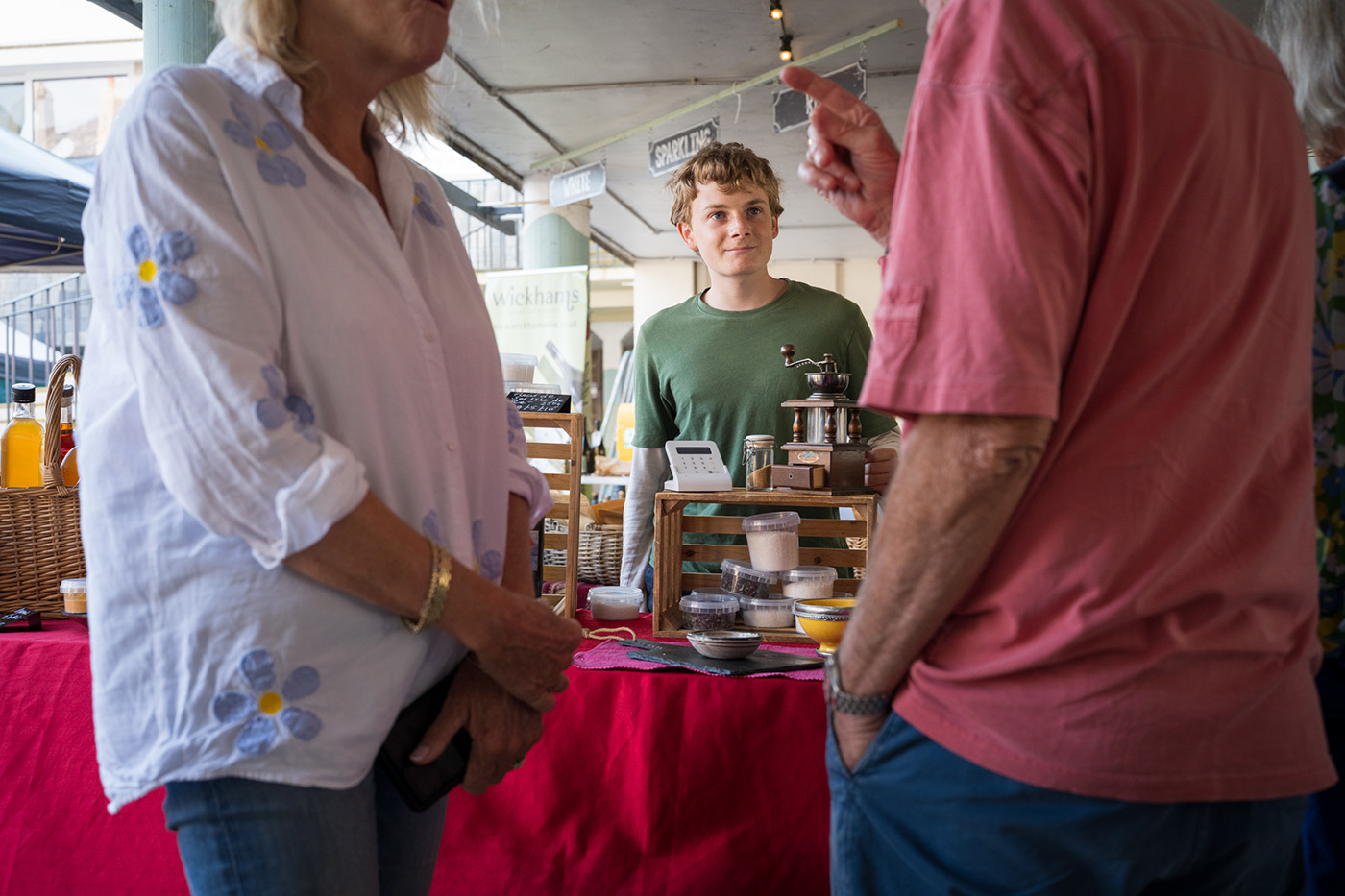
Sample 09 Market scene with selective focus. Camera settings: 1/250 sec. f/4. ISO 640
Share this post:
By Nick Dautlich on 22/08/2026

Nick Dautlich
Senior Content Writer and Product Reviewer
Nick Dautlich is the Senior Content Writer and Product Reviewer at Park Cameras, with over 15 years of photography experience. A Sony Imaging Professional and expert reviewer, Nick has worked with major brands such as Canon, Sony and Nikon. His work is also featured on Vanguard World UK’s website, Capture Landscapes, and Shutter Evolve. Nick’s photography includes National Trust projects and magazine covers and he is passionate about landscapes and storytelling. Nick also enjoys hiking and teaching his children about nature. Learn more on his profile page.
Trade in your old equipment
Fast and easy trade in service ensures your old gear is collected efficiently and you are paid quickly! It's very simple to trade in your unwanted photography gear. Just head over to our dedicated Sell or Part Exchange page, fill out the details, and we'll get back to you with an offer for your old gear. Take the cash, or put it towards the cost of your new gear. It's up to you! Find out more
sign up to the newsletter
Keep up to date on the latest photography news, events and offers. Sign up now