- Call us 01444 237070

-
- Back
- Used Cameras
- Used Accessories
- Used Lenses
- Back
- Used Canon Lenses
- Used Nikon Lenses
- Used Fujifilm Lenses
- Used Sony Lenses
- Used Micro 4/3rds Lenses
- Used Leica Lenses
- Used Panasonic Lenses
- Used Pentax Lenses
- Used Samyang Lenses
- Used Sigma Lenses
- Used Tamron Lenses
- Used Tokina Lenses
- Used Voigtlander Lenses
- Used Zeiss Lenses
- Used Hasselblad Lenses
- Used Video
- Used Film Equipment
- Used Stock Alert
- Used Blank Test
- Sell or Part Exchange
- Used Clearance
- Recently Added Used Equipment
- Park Picks
- Faulty
- Trade-In
- Blog
- New in
- Call us
- Contact us
- Stores
- Sign in
- Categories
- Tips & Inspiration
- Reviews
- News
- Events
- Features
- Buying Guides
- Competitions
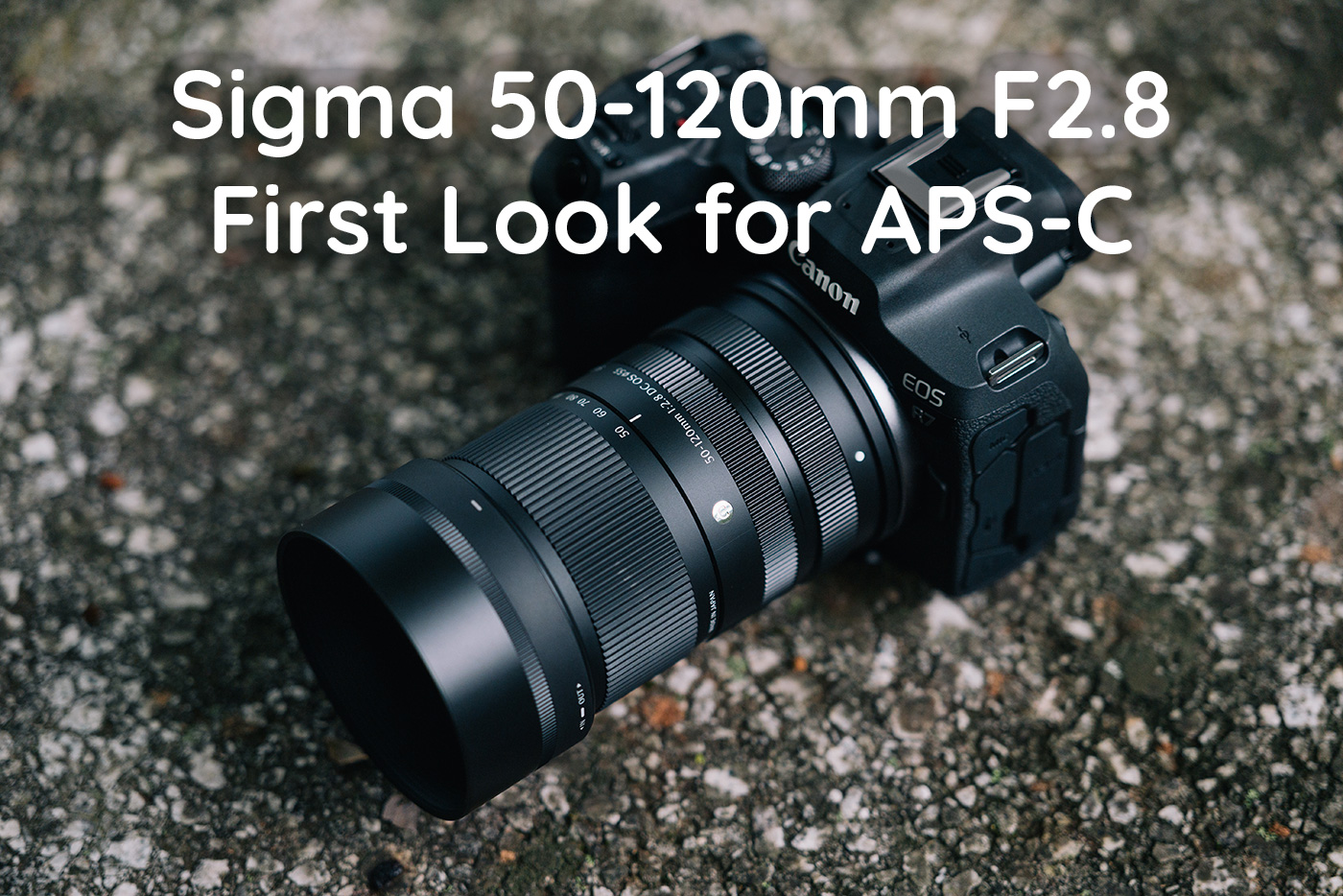
Sigma 50-120mm F2.8 DC First Look for APS-C
The 18-50mm F2.8 DC DN | Contemporary has been well established across several mounts since way back in 2021. There's also a 10-18mm F2.8 DC DN | Contemporary, which arrived in 2023, and now Sigma has added the 50-120mm F2.8 DC OS | Contemporary, launched in October 2026.
They're perfect partners, allowing APS-C camera users to cover 10-120mm (or 15-180mm equivalent F2.8 coverage on Sony and Fujifilm) while remaining incredibly lightweight and portable. It also completes the compact APS-C F2.8 trio, a line-up that should make a lot of APS-C shooters very happy.
In this first look, we have Gareth's hands-on video review, a batch of incredible sample images captured by Naoki Miyashita using a Canon EOS R7, and a few thoughts to help you decide whether this could be your perfect zoom, or set, for your storytelling kit.
Price, mounts and release date
All three versions were released on the 8th October 2026 and cost £699.00.
- Sony E (equivalent 75-180mm)
- Canon RF (equivalent 80-192mm)
- Fujifilm X (equivalent 75-180mm)
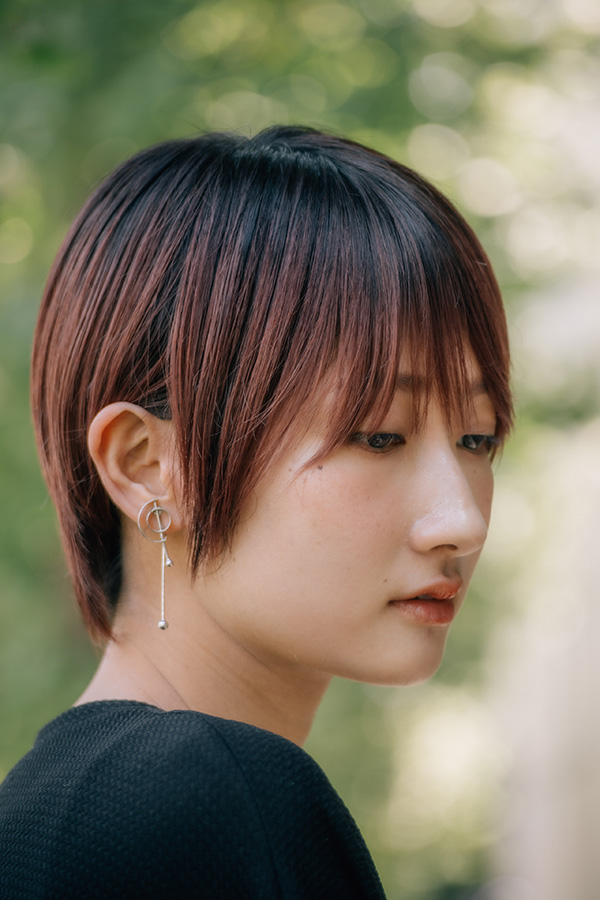
Sample 01 portrait at 87mm © Naoki Miyashita. Settings: 1/350 sec. f/2.8. ISO 200
What is the Sigma 50-120mm F2.8?
This is an ultra-compact lens covering short telephoto focal lengths, similar to the highly popular 70-200mm 'workhorse' range. In fact, there were a couple of similar models in the lineup previously, the 50-100mm F1.8 DC HSM Art and the APO 50-150mm F2.8 EX DC OS HSM, but both are now discontinued.
That leaves a lovely gap for crop format camera users, which this new model fills. It's a classic range that suits so many subjects it could well become a favourite for many users. That's especially true given that only Fujifilm has anything similar, whereas Sony and Canon don't have a current option in this range.
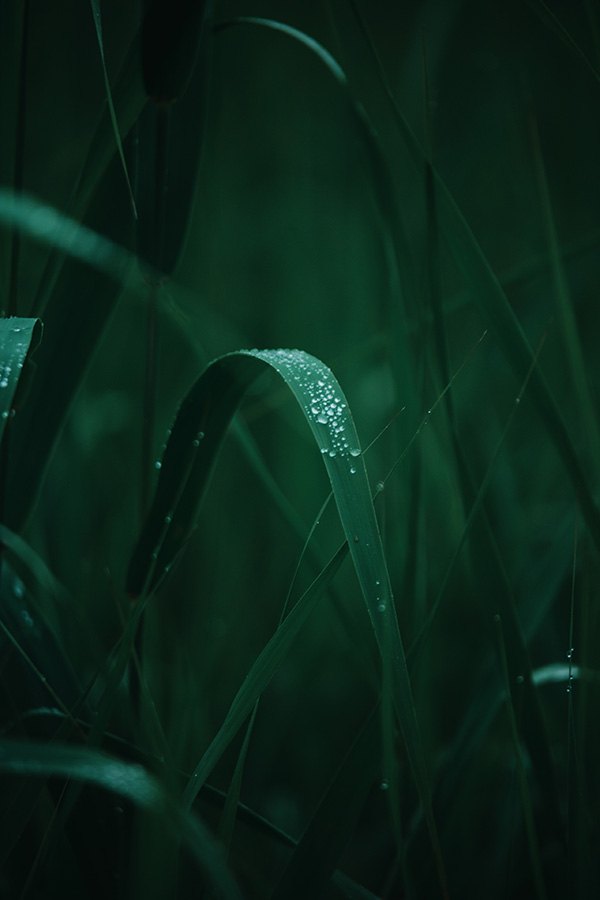
Sample 02 dew-covered grass at 120mm © Naoki Miyashita. Settings: 1/60 sec. f/2.8. ISO 800
How Portable Is It?
One of the downsides of most full-frame 70-200mm F2.8 lenses is size and weight, which can put off users who want an everyday option they can throw in the bag without bringing a mule along. Sigma clearly put this drawback front and centre when designing the 50-120mm.
Yes, it still has a constant F2.8 aperture throughout the range, but it weighs a mere 390 g and is just 99 mm long. That makes it a substantially better choice for APS-C users, while quashing the notion that telephotos need to be big and heavy.
This is one of the most notable points Gareth raised in his video, as he spoke about just how easy it is to bring along and capture all sorts of diverse subjects. By comparison, Sigma's own 70-200mm F2.8 SPORTS lens weighs approx. 1335 g (for Sony), which is around 1 kg heavier. That makes a huge difference and could inspire many users to bring the 50-120mm along instead of leaving it back at the ranch.
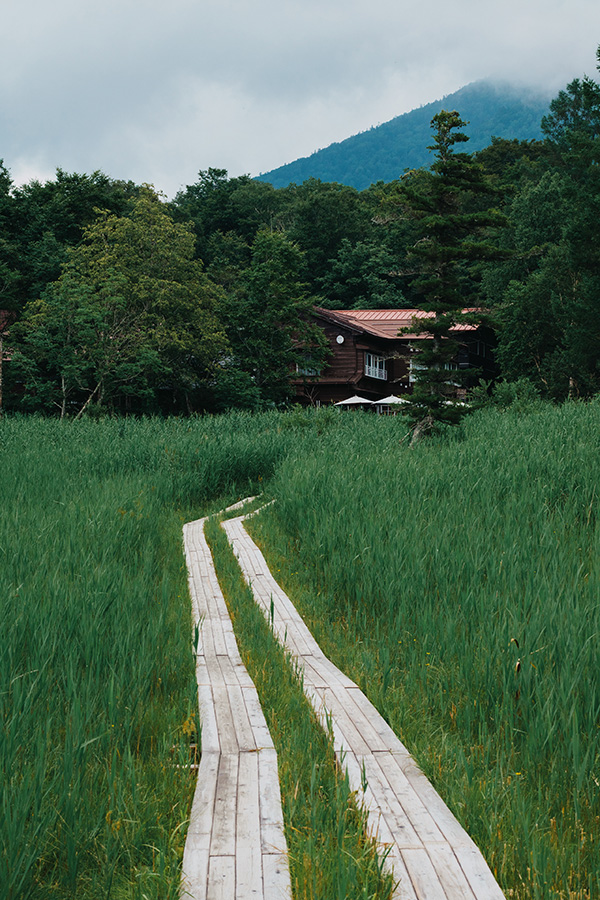
Sample 03 boardwalk landscape at 50mm © Naoki Miyashita. Settings: 1/750 sec. f/8. ISO 200
What can you capture with it?
Although quite a novel range, it is well suited to subjects that span:
- Portraits and lifestyle
- Weddings and events
- Sports and action
- Landscape and travel
- Street and documentary
- Wildlife and pets
- Fashion and editorial
That's not everything, mind. You can also record video, capture close-ups and food, plus many other subjects to boot, but these give you a good idea of why this range is so popular.
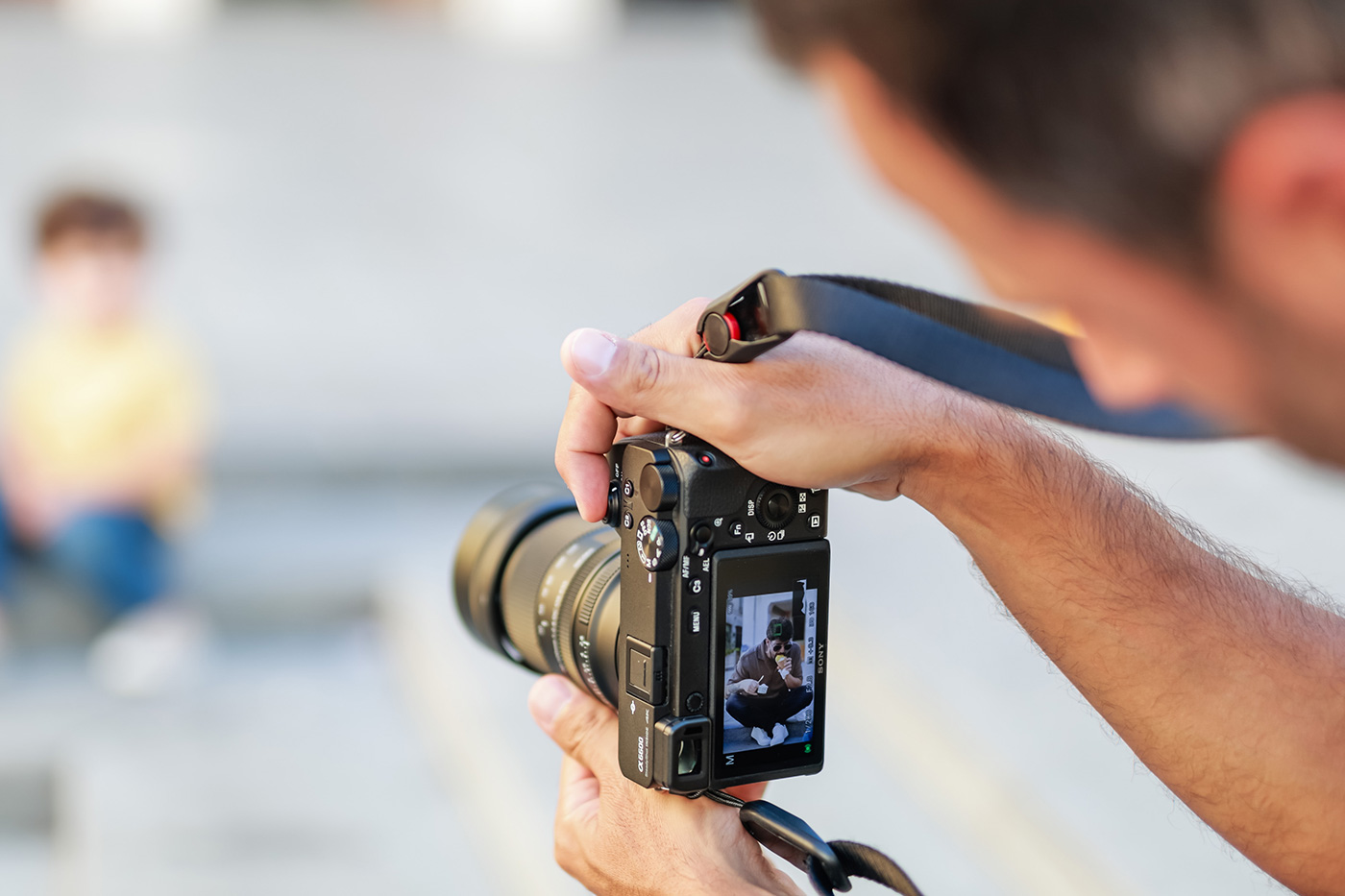
A Complete F2.8 Zoom System Exclusively for APS-C
Between the 10-18mm, 18-50mm and 50-120mm, you can capture virtually anything, aside from super telephoto subjects like bears, birds and distant planes.
The table below highlights key specs so you can see whether this lightweight Holy Trinity is right for your needs.
|
|
10-18mm F2.8 DC DN | C |
18-50mm F2.8 DC DN | C |
50-120mm F2.8 DC OS | C |
|
Lens Type |
Ultra-Wide Zoom |
Standard Zoom |
Telephoto Zoom |
|
Focal Length |
10-18mm |
18-50mm |
50-120mm |
|
35mm Equivalent (1.5x) |
15-27mm |
27-75mm |
75-180mm |
|
Maximum Aperture |
F2.8 constant |
F2.8 constant |
F2.8 constant |
|
Optical Stabilisation |
No |
No |
Yes, up to 6.5 stops at 50mm and 4.5 stops at 120mm |
|
Autofocus |
Stepping motor |
Stepping motor |
HLA (High-response Linear Actuator) |
|
Filter Size |
67 mm |
55 mm |
55 mm |
|
Minimum Focusing Distance |
11.6 cm at 10mm / 19.1 cm at 18mm |
12.1 cm at 18mm / 30 cm at 50mm |
23 cm at 50mm / 55 cm at 120mm |
|
Maximum Magnification |
1:4 at 10mm / 1:6.9 at 18mm |
1:2.8 at 18mm / 1:5 at 50mm |
1:3 at 50mm / 1:4.7 at 120mm |
|
Weight (Sony E) |
255 g |
290 g |
390 g |
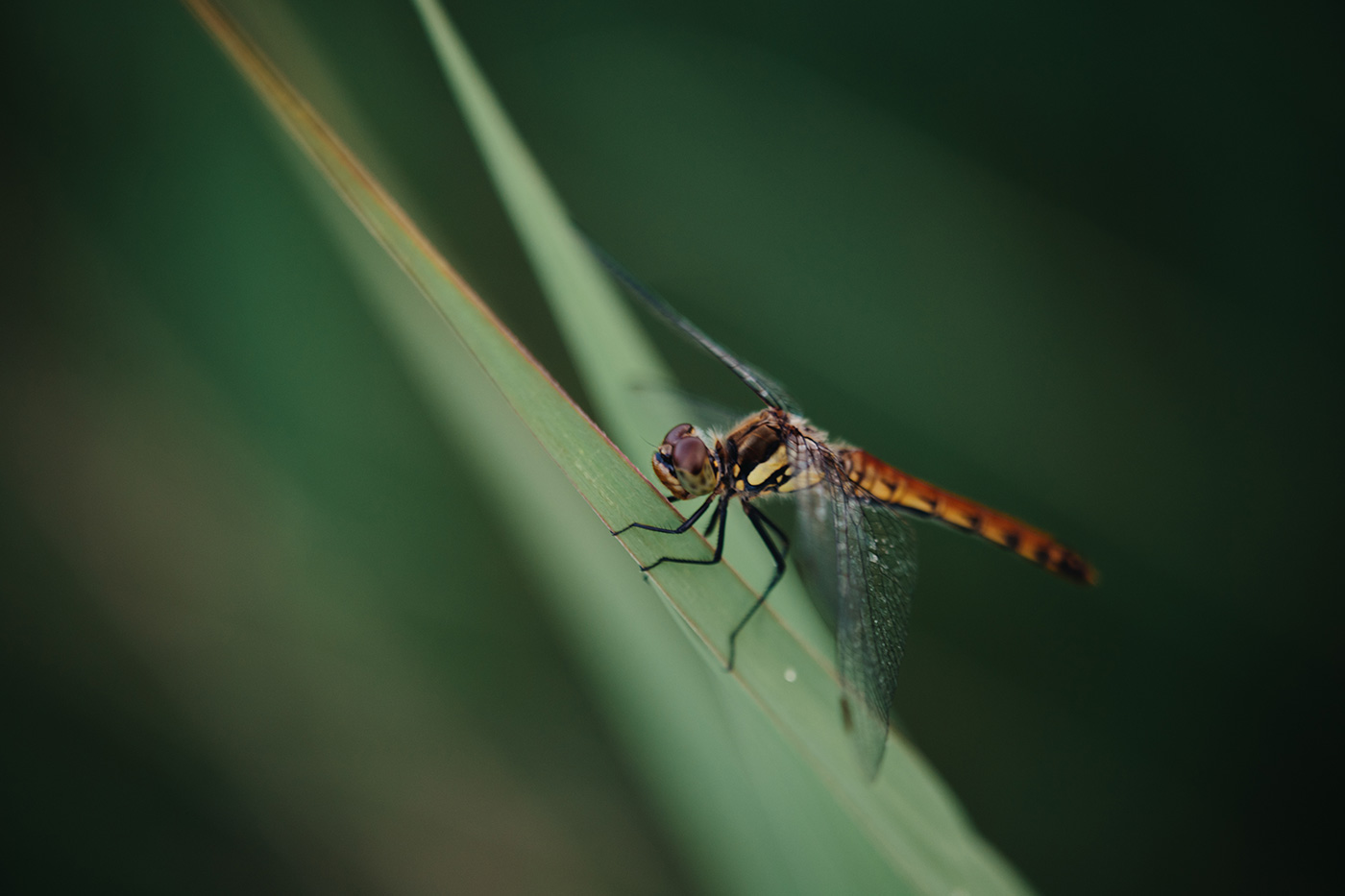
Sample 04 dragonfly at 120mm © Naoki Miyashita. Settings: 1/90 sec. f/2.8. ISO 200
More Than Just Another F2.8 Zoom
Plenty of features extend the usefulness of this model, including a 23 cm minimum focus distance and a 1:3 maximum magnification ratio at 50mm. Although not quite macro territory, it allows you to fill much more of the frame with your subject, opening the door to close-ups of flowers and nature, food, wedding bands, or whatever takes your fancy.
Stabilisation of up to 6.5 stops at the wide end and 4.5 stops at the telephoto end also allows for slower shutter speeds when handholding. This is extremely useful when the light is low or you simply don't want to use a tripod, keeping you agile and nimble instead.
You also get an 11-blade diaphragm, which is excellent for producing silky smooth out-of-focus areas, with rounded bokeh balls from point light sources. Who doesn't love rounded bokeh balls?
Focus breathing is well suppressed too, allowing you to shoot video without distracting focus shifts, and making focus stack stitching easier.
It really is versatile and a great all-rounder.
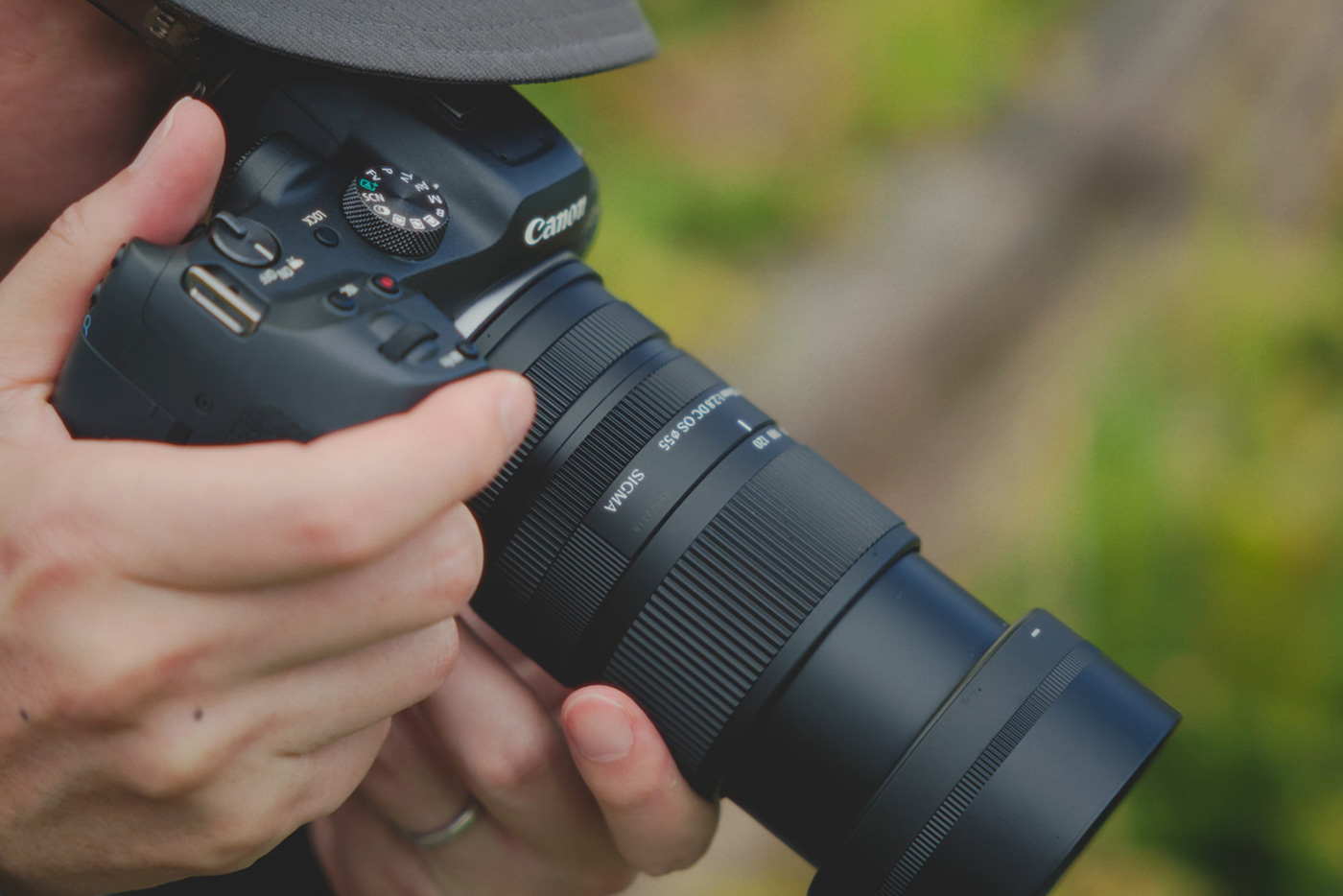
Who Is This For?
This lens rounds off a trio of F2.8 zooms made especially for crop format users, and it's a great choice for anyone who shoots any of the subjects listed above. It's also a good option if you want a solid all-rounder for holidays and travel, or for events and portraits. It could be just the ticket for all sorts of reasons, but mainly because it is small, portable and really versatile.

Sample 05 chef at 50mm © Naoki Miyashita. Settings: 1/60 sec. f/2.8. ISO 800
Final Thoughts
On paper, this is a brilliant alternative to a 70-200mm F2.8. Sigma has clearly developed it with crop users in mind, providing a viable option that has the potential to excel at what it offers, especially when combined with the other two models in the trio.
It doesn’t reach as far as a long telephoto, so wildlife and aviation specialists will want something longer. For everything, the constant F2.8 aperture, effective stabilisation, close focusing and low weight of just 390 g make it a compelling choice, and a very easy lens to bring along everywhere.
Ready to get your hands on one? Browse Canon Mirrorless Lenses, Sony E-Mount or Fujifilm X Series to find yours and explore the many possibilities it offers.
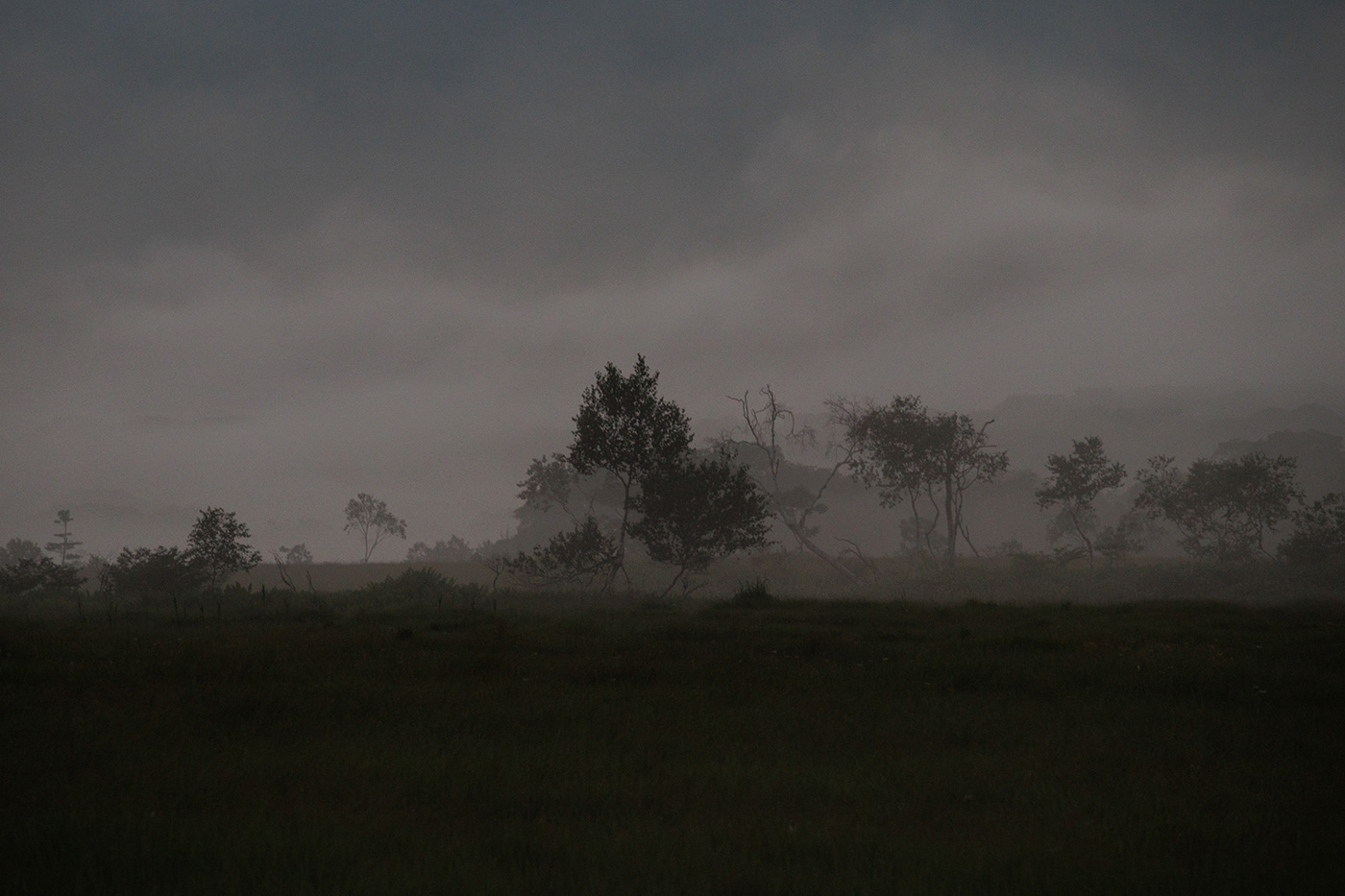
Sample 06 misty landscape at 120mm © Naoki Miyashita. Settings: 1/60 sec. f/5.6. ISO 1000
Share this post:
By Nick Dautlich on 08/10/2026

Nick Dautlich
Senior Content Writer and Product Reviewer
Nick Dautlich is the Senior Content Writer and Product Reviewer at Park Cameras, with over 15 years of photography experience. A Sony Imaging Professional and expert reviewer, Nick has worked with major brands such as Canon, Sony and Nikon. His work is also featured on Vanguard World UK’s website, Capture Landscapes, and Shutter Evolve. Nick’s photography includes National Trust projects and magazine covers and he is passionate about landscapes and storytelling. Nick also enjoys hiking and teaching his children about nature. Learn more on his profile page.
Trade in your old equipment
Fast and easy trade in service ensures your old gear is collected efficiently and you are paid quickly! It's very simple to trade in your unwanted photography gear. Just head over to our dedicated Sell or Part Exchange page, fill out the details, and we'll get back to you with an offer for your old gear. Take the cash, or put it towards the cost of your new gear. It's up to you! Find out more
sign up to the newsletter
Keep up to date on the latest photography news, events and offers. Sign up now