- Call us 01444 237070

-
- Back
- Used Cameras
- Used Accessories
- Used Lenses
- Back
- Used Canon Lenses
- Used Nikon Lenses
- Used Fujifilm Lenses
- Used Sony Lenses
- Used Micro 4/3rds Lenses
- Used Leica Lenses
- Used Panasonic Lenses
- Used Pentax Lenses
- Used Samyang Lenses
- Used Sigma Lenses
- Used Tamron Lenses
- Used Tokina Lenses
- Used Voigtlander Lenses
- Used Zeiss Lenses
- Used Hasselblad Lenses
- Used Video
- Used Film Equipment
- Used Stock Alert
- Used Blank Test
- Sell or Part Exchange
- Used Clearance
- Recently Added Used Equipment
- Park Picks
- Faulty
- Trade-In
- Blog
- New in
- Call us
- Contact us
- Stores
- Sign in
- Categories
- Tips & Inspiration
- Reviews
- News
- Events
- Features
- Buying Guides
- Competitions
Sigma 85mm F1.2 DG Art Review
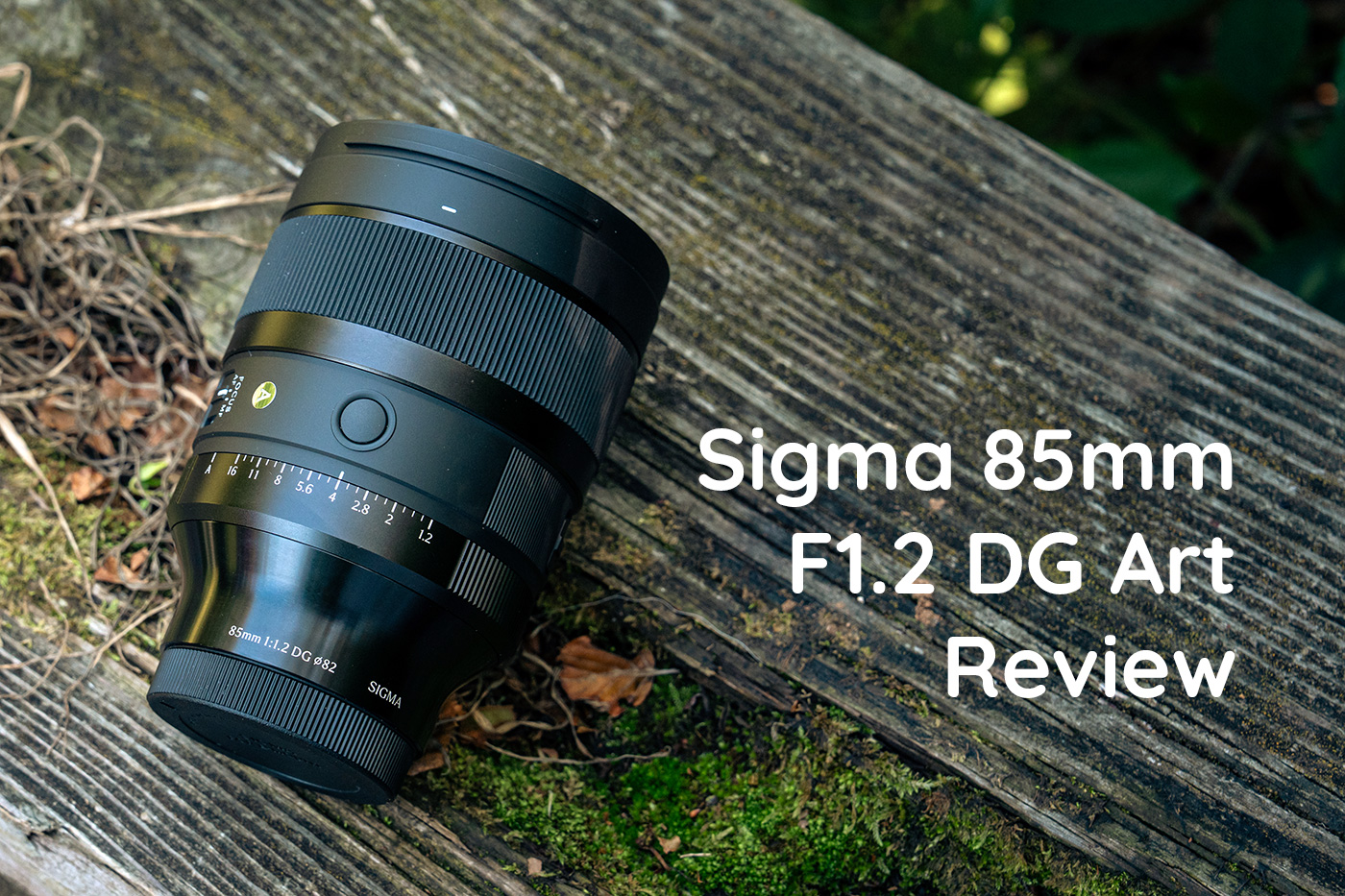
We review Sigma's new 85mm F1.2 DG Art, using a combination of Gareth's hands-on experience, his samples and other images directly from Sigma. Discover what the wider aperture brings, and whether it makes sense over the already excellent 85mm F1.4 DG DN Art.
Watch the video review here:
In this hands-on video, Gareth discusses everything from handling and character to image quality and autofocus. Let's move onto pricing and availability here in the UK.
How much is it and when was it released?
Available for Sony E and Leica L-Mount, the 85mm F1.2 DG Art was first announced during CP+ in February 2026, before being released on 8th September 2026.
The price is £1299.00 and costs the same for both mounts. This puts it in line with the two previously released F1.2 Art series lenses and completes the trio. More on that later; first let's see what Gareth thought about handling.
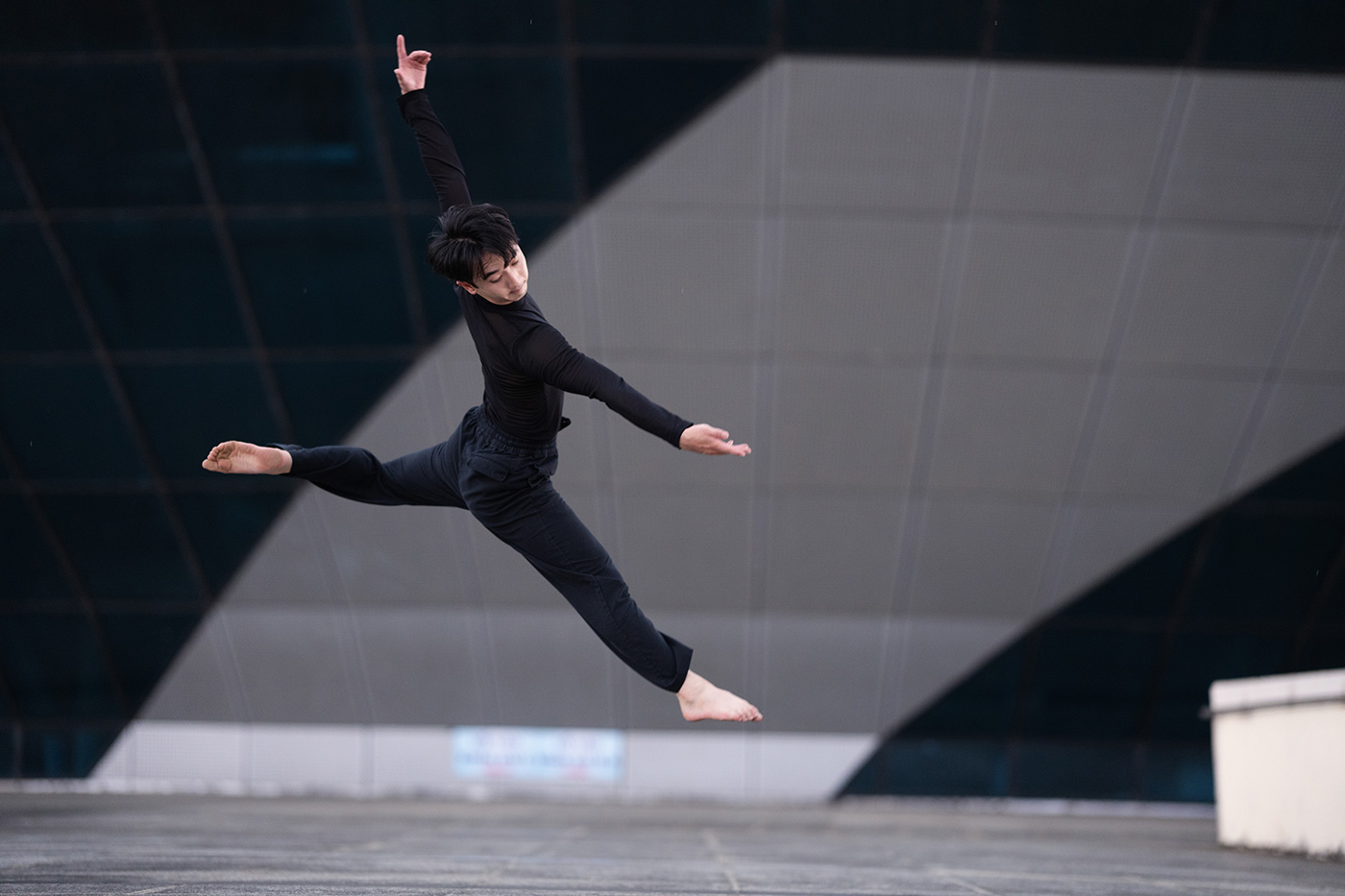
Sample 01 ©Doãn Quang. Settings: 1/640 sec. f/1.4. ISO 1600
Design and handling
First impressions confirm that this is yet another premium-feeling option, which is in keeping with the Art series as a whole. At around 900g, not only does it feel substantial and relatively weighty, but also very well balanced on a full-frame body like the Sony A7 IV, which Gareth uses regularly. He comments on how easy it is to control thanks to the aperture ring, which is joined by controls that include:
- Focus ring
- Aperture ring click switch
- Aperture ring lock switch
- Two assignable AFL buttons
Sigma lenses come with a 3-year warranty, which extends up to five depending on how many you own.

Sample 02 ©Doãn Quang. Settings: 1/1600 sec. f/1.2. ISO 320
Image quality and character
A number of factors contribute to image quality, and importantly in this case, character. Many users have commented on how sharp Art series lenses can be, but this model is not only sharp, but adds a distinct character. The wide aperture plays a major role in that character, helped by a 13-bladed diaphragm. The rounded diaphragm is able to render extremely smooth, rounded highlights when shooting into point light sources.
Defocus is also notably smooth, with several of the samples displaying lovely falloff between in-and-out of focus. The portrait of the male dancer (above) is an excellent example, showing a pin sharp left eye, which gradually soften to defocused head and ears. This type of selective focusing is where character can really shine through, allowing the photographer to choose where the viewer’s eye rests, being steered by sharp and soft areas in the frame.
The results are exquisite, particularly at this short telephoto focal length which naturally lends itself to subject background separation.
Gareth did comment on the very dreamy quality with smooth bokeh that possible when shooting with it. Due to the character, sharpness and light gathering ability this is an absolutely brilliant option for portraits, whether lit in the studio or naturally lit on location.
Aside from the aperture design, this model benefits from five special glass elements, including two SLD and three aspherical. These are utilised for technical reasons, reducing aberrations and controlling image artefacts, while also helping to maintain overall sharpness and detail.
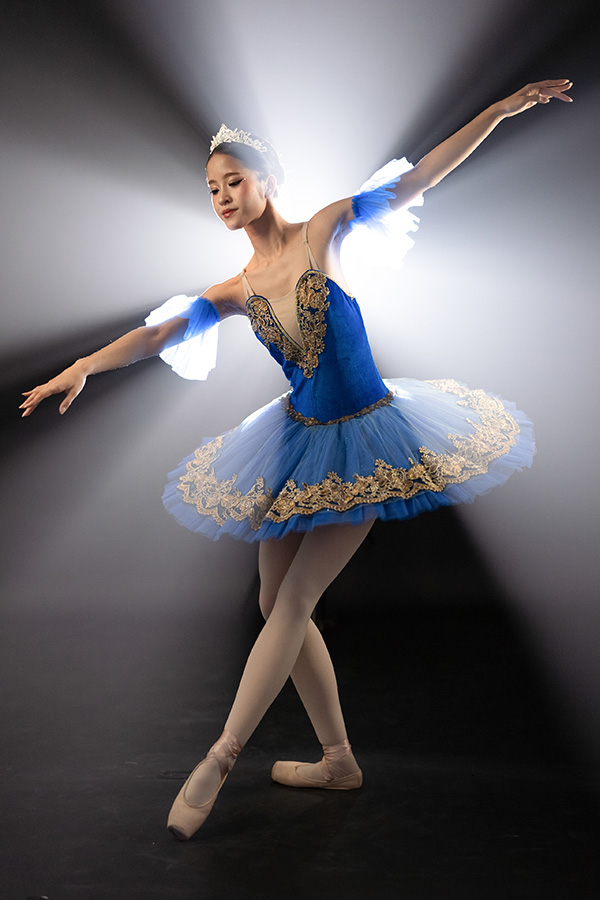
Sample 03 ©Doãn Quang. Settings: 1/200 sec. f/1.6. ISO 800
Autofocus performance
It's generally useful to have fast and accurate autofocus when shooting moving subjects. That is especially true when dealing with a very shallow depth of field. That's because if you miss the point of focus, it may unintentionally render the entire subject out of focus.
To achieve fast AF, the 85mm Art lens utilises a Dual HLA (High-response Linear Actuator), joining the likes of the 70-200mm F2.8 DG DN OS Sports. Notably, all three F1.2 DG DN Art lenses use the same system, which means two separate linear actuators move two focus groups independently.
The result is high-speed and near-silent AF, which Gareth noted as being especially impressive for such a wide aperture model.
During his time with it, it kept up with fast movement when capturing images of his dog. Several samples from the brand also show dancers frozen in the moment at shutter speeds of 1/2500 second.
This is no easy feat, especially when working at F1.2, and should help increase the number of “keepers” when subjects simply will not stay still!
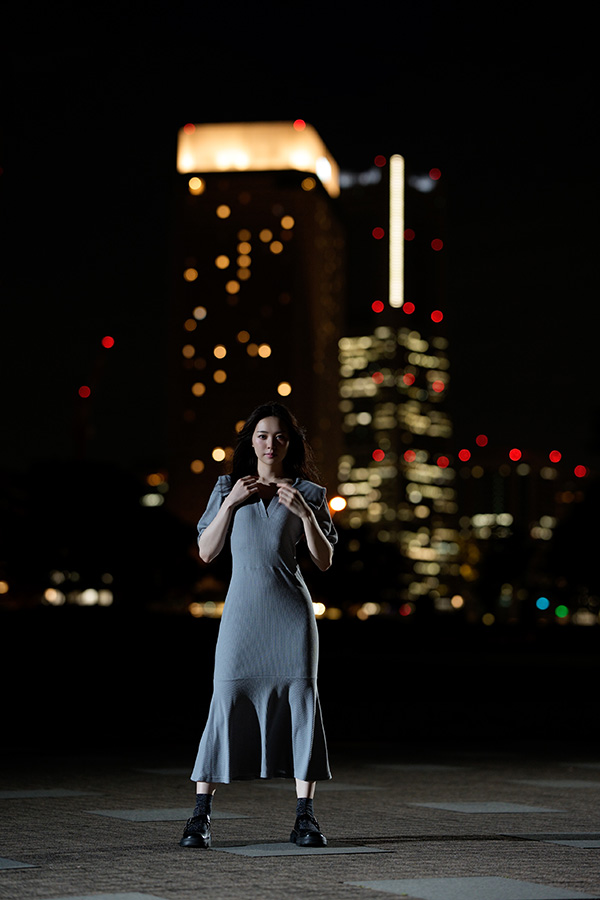
Sample 04 ©Kazuyuki Hagiwara. Settings: 1/80 sec. f/1.8. ISO 800
How does it compare to F1.4?
F1.2 vs F1.4 is a newer debate, with passionate voices on both sides of the fence! While a direct comparison wasn’t made in the video, I’ve shot with the 85mm F1.4 and there are some differences between the two models.
F1.2 gathers around 36% more light, which is equivalent to roughly 0.44 stop. While not a huge benefit, that does provide a bit more freedom with shutter speed or ISO when light levels drop.
Creatively, you will see a slightly shallower DOF, allowing for more creative expression with the focal plane. As we’ve already seen from Gareth’s experience and the sample images, the new model can render those transitions beautifully smoothly.
The F1.4 also uses an 11-blade aperture unit, versus 13 in the newer model. More blades help the opening remain circular as it closes down, influencing how out-of-focus highlights are rendered. Likewise, the autofocus systems are different, with the F1.4 using a stepping motor rather than the newer HLA (High-response Linear Actuator) drive system. I’ve previously reviewed the Sigma 85mm F1.4 DG DN Art for Sony E, so it’s worth looking at what has changed with the arrival of the newer model. While the difference in focusing may not be apparent for slower paces portraits or studio work, you will notice it when capturing fast moving subjects like pets or street subjects.

Sample 05 ©Kazuyuki Hagiwara. Settings: 1/320 sec. f/1.2. ISO 125
The table below compares the two so you can see the main differences.
|
|
85mm F1.2 (New) |
85mm F1.4 DG DN Art |
|
Maximum aperture |
F1.2 |
F1.4 |
|
Light difference |
~0.44 stop brighter |
— |
|
Optical design |
17 elements in 12 groups |
15 elements in 11 groups |
|
Special elements |
2 SLD, 3 aspherical |
5 SLD, 1 aspherical |
|
Diaphragm |
13 rounded blades |
11 rounded blades |
|
Autofocus |
Dual HLA |
Stepping motor |
|
Minimum focus |
84cm |
85cm |
|
Maximum magnification |
1:8.9 |
1:8.4 |
|
Filter thread |
82mm |
77mm |
|
Weight, Sony E |
905g |
625g |
|
RRP |
£1,299.00 |
£979.00 |
Of course the main trade-off aside from the price is the weight and filter thread sizes. Large filters cost more, although you may well have existing 82mm options from other lenses. Speaking of filters, Sigma has released a whole collection of new options at the same time, alongside a brand new 20-60mm f/2.8-4 DG reviewed here.

Sample 06 ©Tony Noel. Settings: 1/1250 sec. f/1.2. ISO 100
New Sigma Filters
The line-up of filters has been updated for 2026. With thinner frames that allow for wide-angle lenses without vignetting, a brand new dual-effect option, and new sizes, there’s now a broad choice across the catalogue. All but the last come in ten thread sizes from 52mm to 105mm and include new coatings.
- Protector LPT-21 – a basic clear protective filter. The new generation gets a slimmer frame to reduce vignetting, alongside revised treatment to reduce internal reflections.
- WR Protector + UV PUV-21 – a new dual-purpose option that combines physical front-element protection with UV filtration, rather than requiring separate products. It also gets water/oil repellency and antistatic treatment.
- WR Circular Polarising CPL-21 – updated circular polariser for reducing reflections/glare and controlling polarised light, again benefiting from the slimmer frame and revised coatings.
- WR Ceramic Protector PTC-21 – the flagship protector which has Clear Glass Ceramic rather than conventional chemically strengthened glass. It’s harder-wearing and has been drop-ball tested for shock resistance, while retaining very high light transmission. Six sizes between 67mm and 105mm.
With the arrival of this lens, the F1.2 Art Series trio is finally complete, joining the 35mm F1.2 DG DN | Art and the 50mm F1.2 DG DN | Art. Whether an aperture this wide appeals to you personally or not, it's an achievement that deserves recognition.
With the arrival of this lens, the F1.2 Art Series trio is finally complete, joining the 35mm F1.2 DG DN | Art and the 50mm F1.2 DG DN | Art. Whether an aperture this wide appeals to you personally or not, it’s an achievement that deserves recognition.
The way this renders a scene can set your images apart, which is something that’s arguably becoming increasingly important for professional photographers. Whether you work in events, weddings, portraiture or similar subjects, that distinctive look can help your work stand out. Likewise, it opens up creative opportunities that you may not have otherwise considered, igniting a spark that takes you further.
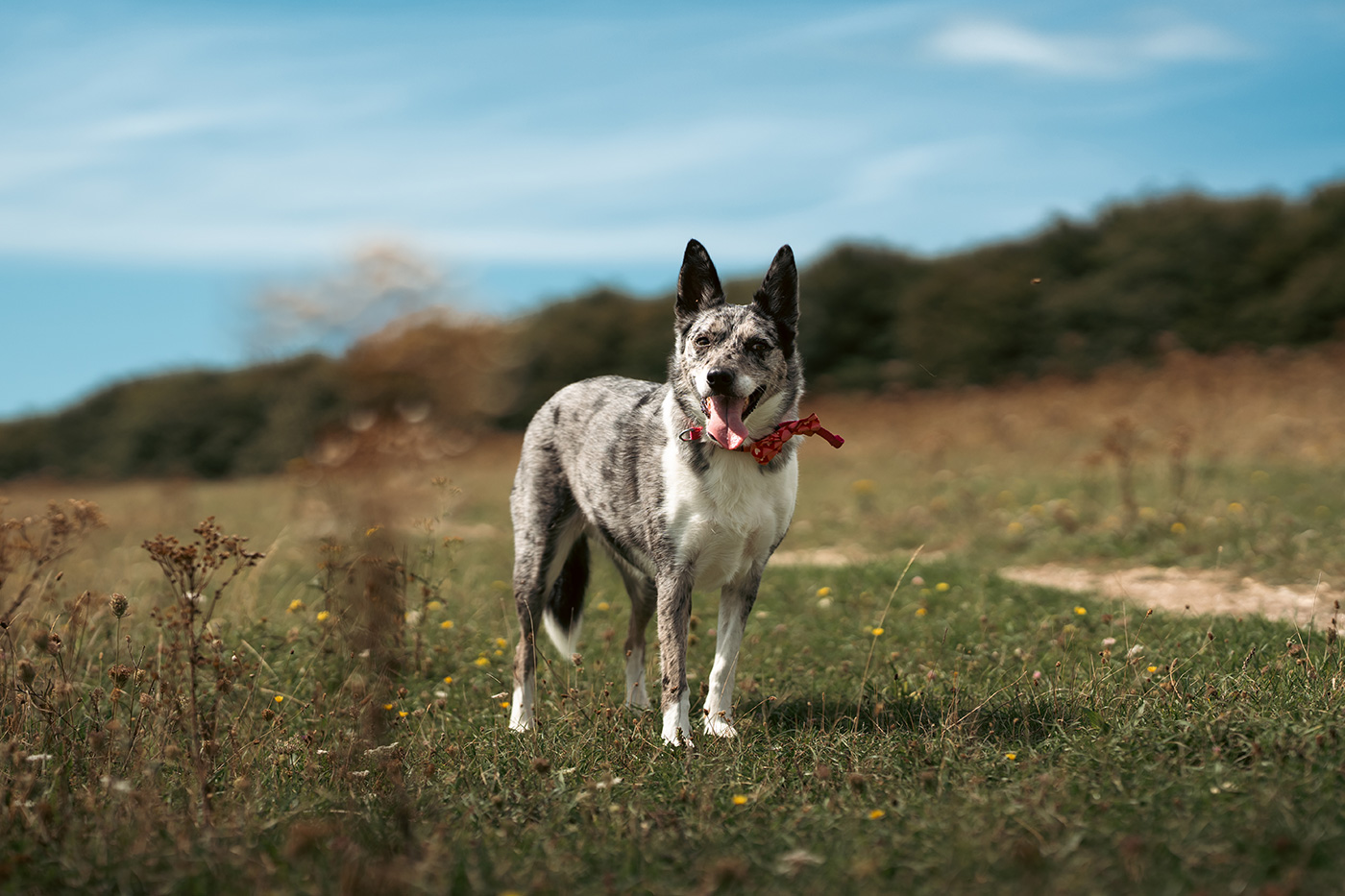
Sample 07 ©Gareth Evans. Settings: 1/8000 sec. f/2. ISO 100
The same goes for filmmaking, where this and the other two in the trio are optimised to reduce focus breathing, letting videographers and hybrid creators enjoy the same shallow depth of field benefits.
Yes, it costs more. Yes, it’s heavier than the F1.4, despite being light for its class. But that’s a price some will be prepared to pay, while for others the difference will be less clear-cut.
Learn more and reserve yours here:
Remember to add a UV or protector filter which adds a layer of defence against knocks, scratches and everyday use in the field.
Share this post:
By Nick Dautlich on 08/09/2026

Nick Dautlich
Senior Content Writer and Product Reviewer
Nick Dautlich is the Senior Content Writer and Product Reviewer at Park Cameras, with over 15 years of photography experience. A Sony Imaging Professional and expert reviewer, Nick has worked with major brands such as Canon, Sony and Nikon. His work is also featured on Vanguard World UK’s website, Capture Landscapes, and Shutter Evolve. Nick’s photography includes National Trust projects and magazine covers and he is passionate about landscapes and storytelling. Nick also enjoys hiking and teaching his children about nature. Learn more on his profile page.
Trade in your old equipment
Fast and easy trade in service ensures your old gear is collected efficiently and you are paid quickly! It's very simple to trade in your unwanted photography gear. Just head over to our dedicated Sell or Part Exchange page, fill out the details, and we'll get back to you with an offer for your old gear. Take the cash, or put it towards the cost of your new gear. It's up to you! Find out more
sign up to the newsletter
Keep up to date on the latest photography news, events and offers. Sign up now