- Call us 01444 237070

-
- Back
- Used Cameras
- Used Accessories
- Used Lenses
- Back
- Used Canon Lenses
- Used Nikon Lenses
- Used Fujifilm Lenses
- Used Sony Lenses
- Used Micro 4/3rds Lenses
- Used Leica Lenses
- Used Panasonic Lenses
- Used Pentax Lenses
- Used Samyang Lenses
- Used Sigma Lenses
- Used Tamron Lenses
- Used Tokina Lenses
- Used Voigtlander Lenses
- Used Zeiss Lenses
- Used Hasselblad Lenses
- Used Video
- Used Film Equipment
- Used Stock Alert
- Used Blank Test
- Sell or Part Exchange
- Used Clearance
- Recently Added Used Equipment
- Park Picks
- Faulty
- Trade-In
- Blog
- New in
- Call us
- Contact us
- Stores
- Sign in
- Categories
- Tips & Inspiration
- Reviews
- News
- Events
- Features
- Buying Guides
- Competitions
Sony FE 70-200mm f/4 G OSS II Lens Review
Several years after our original Sony FE 70-200mm F/4 Macro G OSS II lens review, I was fortunate to spend 10 days shooting with the lens during a Sony A7R VI hands-on review and captured a varierty of sample images.
video review
Watch Gareth's hands-on video review here - The New Work Horse
From close-up insects and flowers to wildlife, landscapes and more, this updated review takes a new hands-on look at image quality, autofocus and just how versatile this compact telephoto zoom is when paired with the flagship 66.8MP camera.
You'll also find Gareth’s original video above, A6700 sample images and 100% crops, together with a comparison of Sony’s 70-200mm and macro lens.
ℹ️ Right click on desktop to popup images for a closer look.
What were the key upgrades?
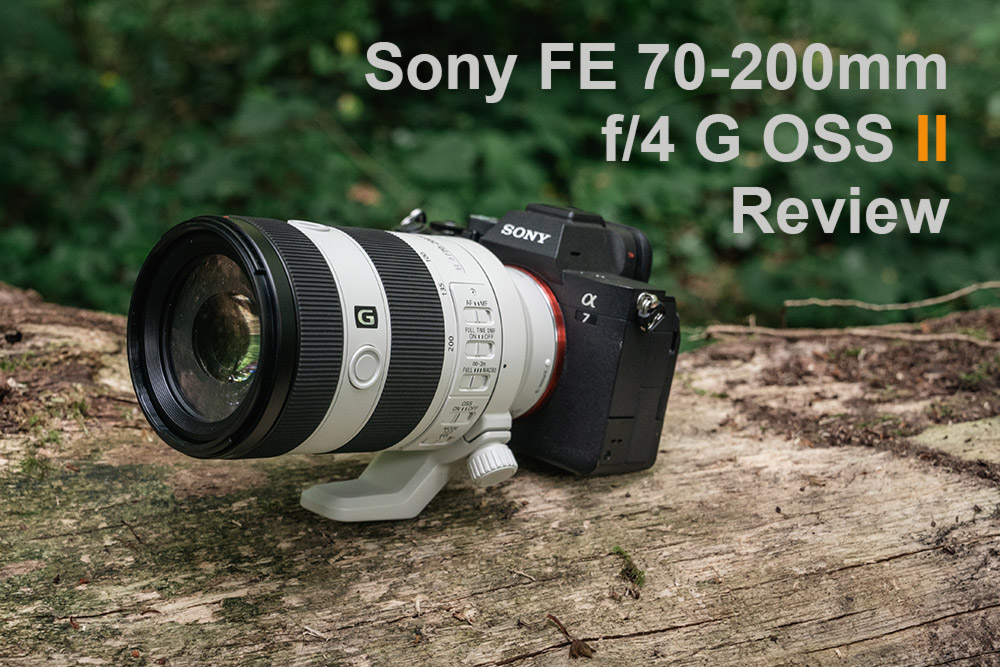
Sony made substantial changes for the second-generation G lens, improving close focusing, autofocus and portability while adding teleconverter compatibility. The newer version is also shorter and lighter than its predecessor, at 149mm long and 794g.
The biggest change is its close-up capability. Maximum magnification increases from 0.13x to 0.5x throughout the entire range, with minimum focusing distances of 0.26m at 70mm and 0.42m at 200mm. Add a 2.0x Teleconverter and magnification reaches 1.0x for actual life-size macro reproduction.
Autofocus also improves with four XD Linear Motors driving two independent focus groups, which Sony claims is around 20% faster than the original. Tracking is supported while zooming, and the updated optical design has 19 elements in 13 groups and includes six ED, Super ED and aspherical elements.
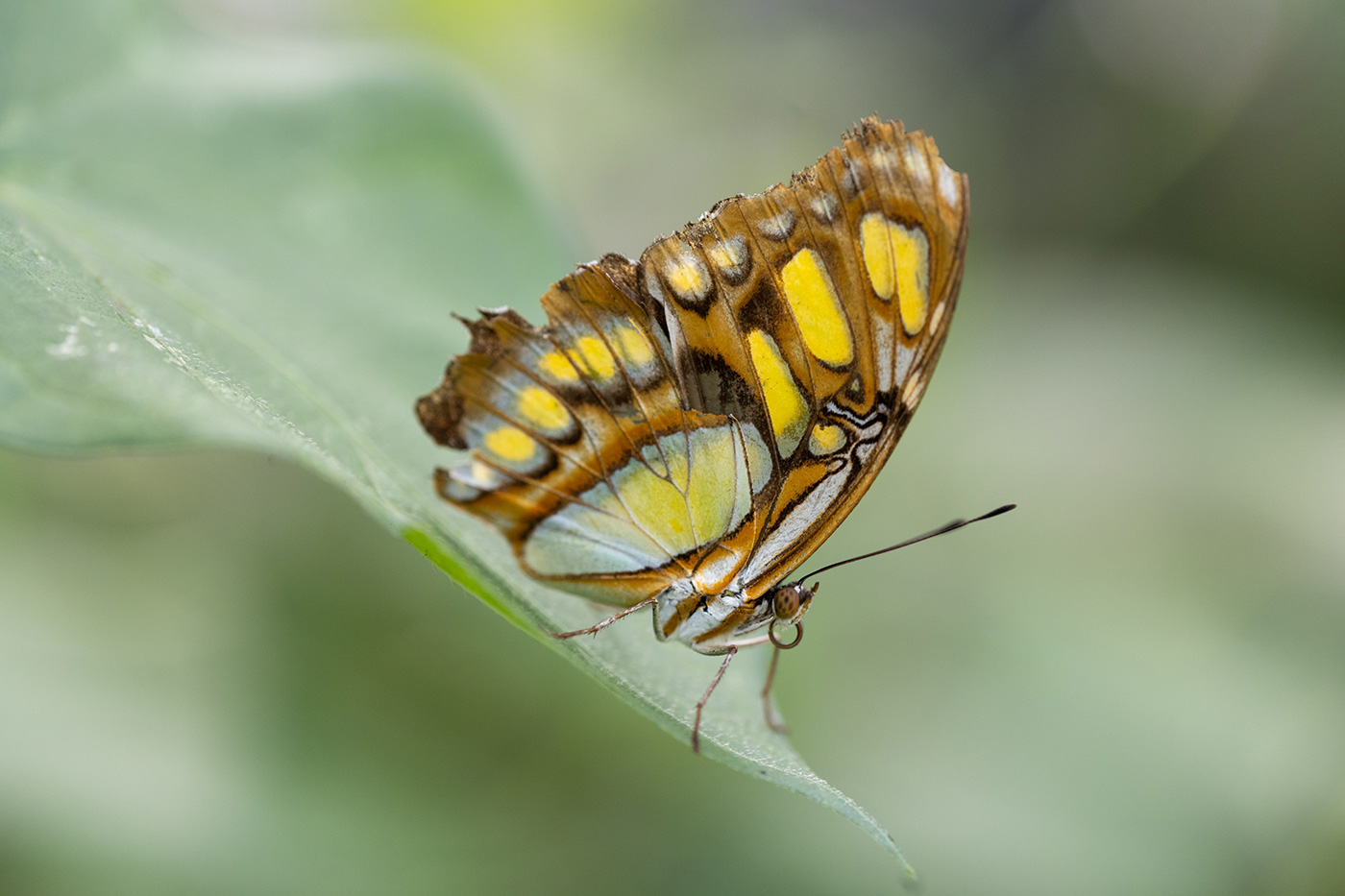
Sample 01 Butterfly close-up at 149mm. Settings: 1/200 sec. f/4.0. ISO 800
Key Features at a glance:
- Updated optical design for improved image quality
- Four XD Linear Motors with around 20% faster autofocus
- Teleconverter compatibility
- Shorter and lighter design
- AF tracking while zooming
- Focus breathing compensation for video

Sample 02 Dry Garden editorial scene at 77mm. Settings: 1/200 sec. f/4.0. ISO 200
When did it come out?
The FE 70-200mm F4 Macro G OSS II was announced on 12 July 2023, alongside the A6700 APS-C camera. It replaced the original 70-200mm F4 G OSS, which had been part of the E-mount range for almost a decade.
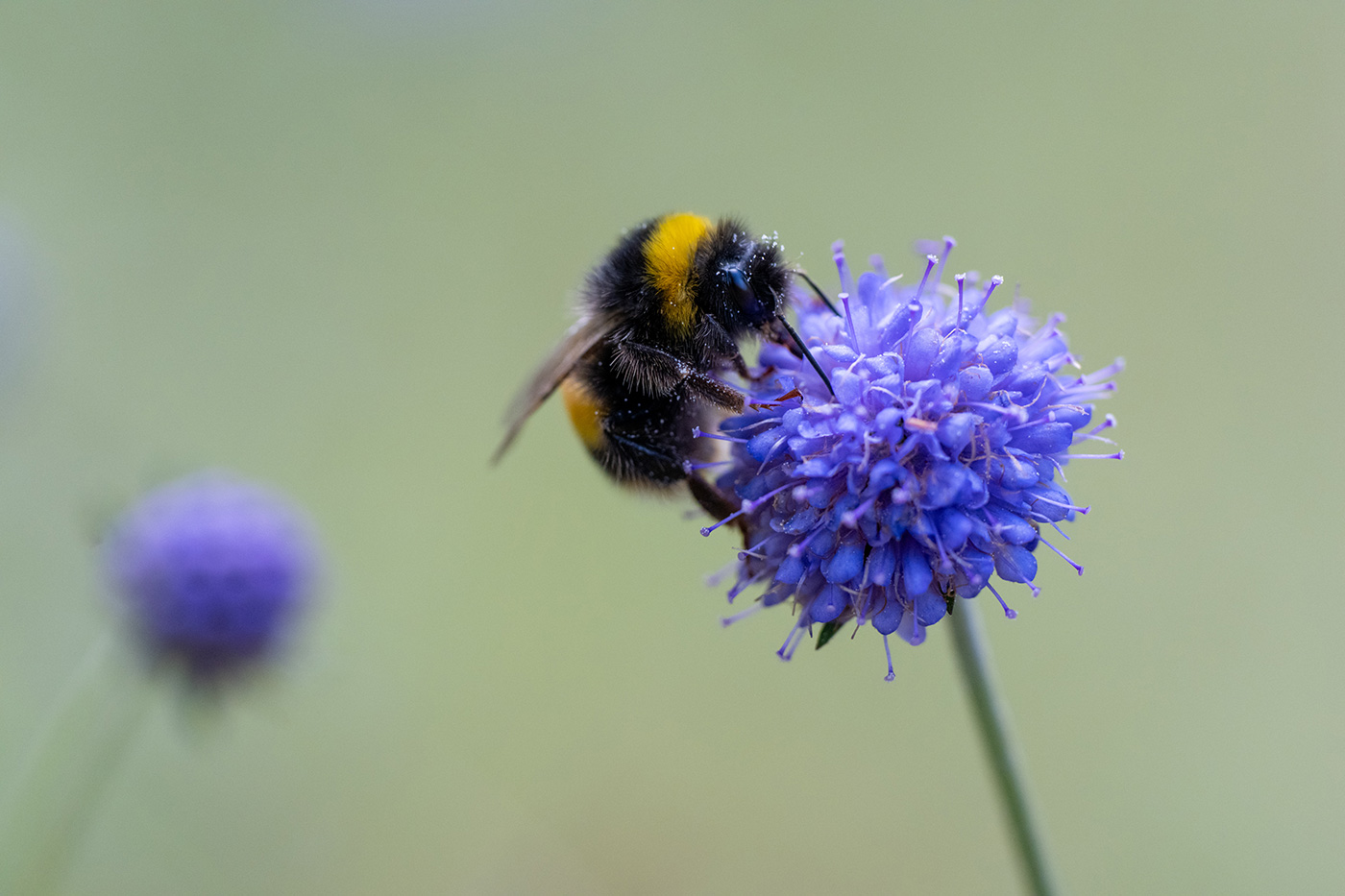
Sample 03 Bee close-up at 200mm. Settings: 1/800 sec. f/4.0. ISO 2000
How much does it cost?
It currently costs £1,549, compared with the £1,750.00 launch price in 2023. By comparison, the G Master costs £2,399.00 and shares some of the same technology, making the F4 version a relative steal. Do you have to sacrifice much? We look at that later, but first let’s see what handling and controls it includes.
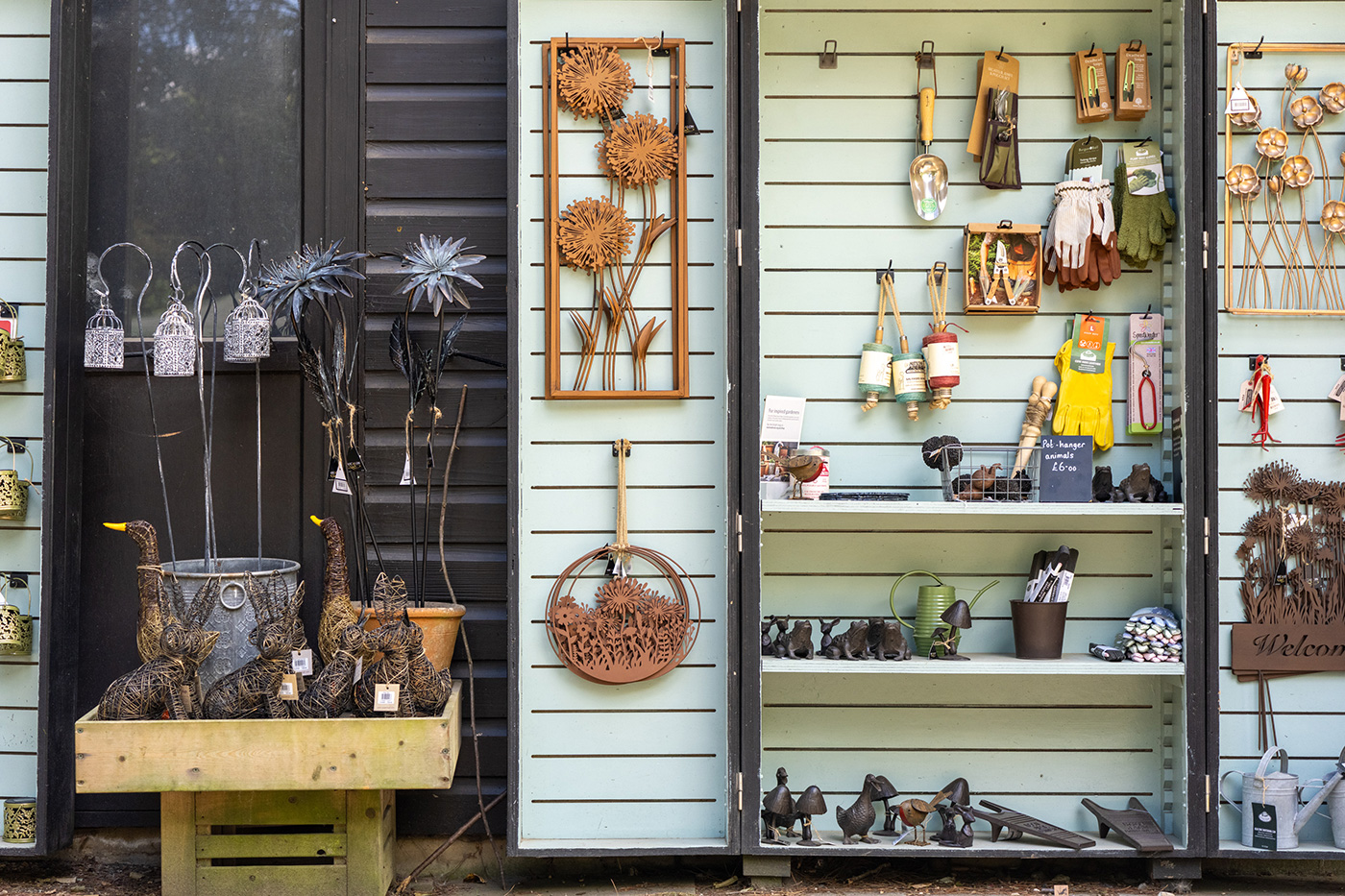
Sample 04 Detailed shop display at 70mm. Settings: 1/400 sec. f/4.0. ISO 640
How Does It Handle in the field?
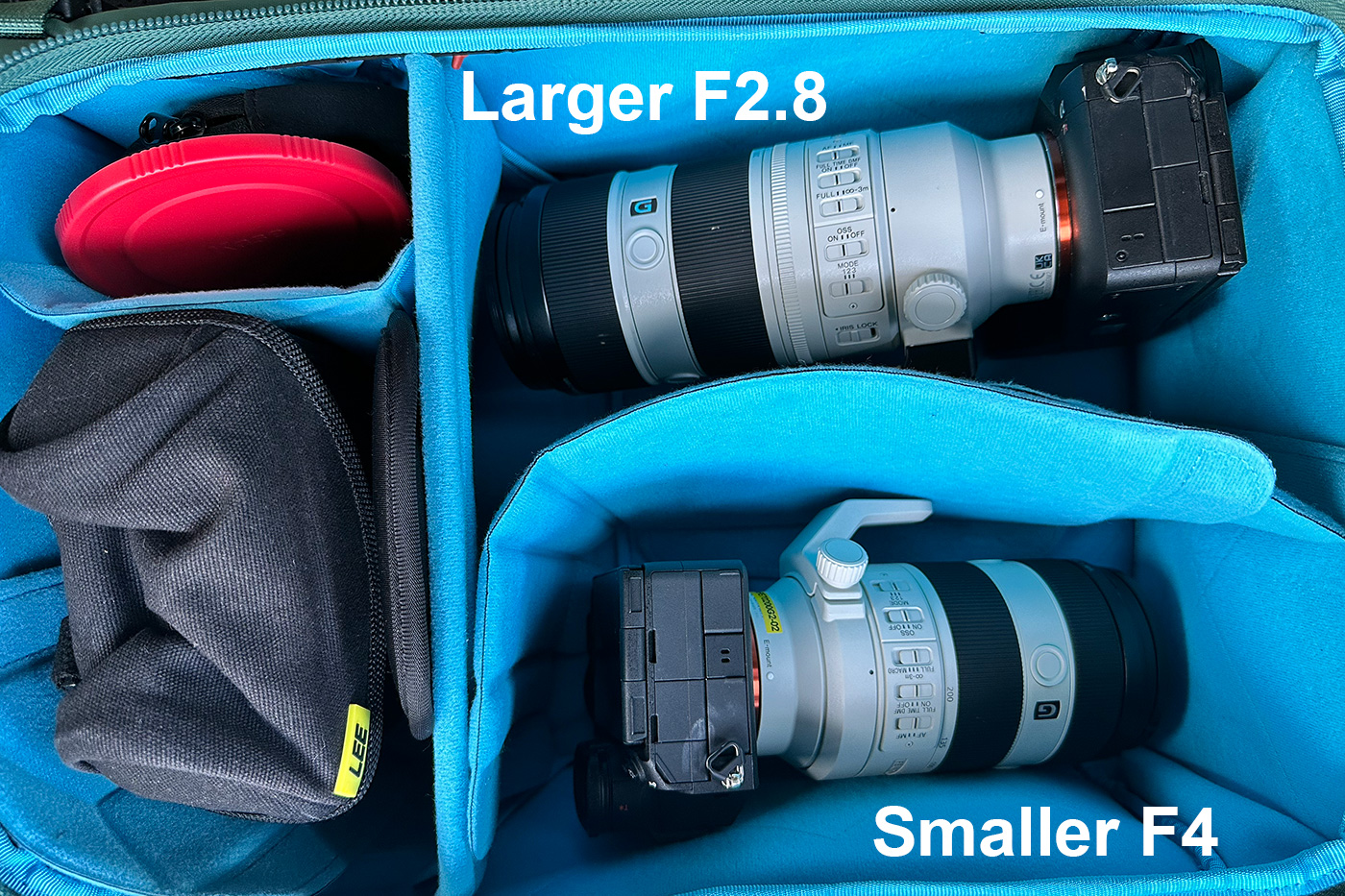
Although only around 250g lighter than the GM version, you immediately notice how compact and lightweight this is, especially for the focal range it provides. At just 149mm when retracted, it’s really short by comparison too, which is highlighted in the image I took of the two lenses in my camera backpack.
It extends longer than the GM when zooming, although I love that there’s only around a short 90º turn from 70-200mm, which is very similar to the GM. It means you can switch it up swiftly in the field, and indeed lock it off for transport (at 70mm).
Three customisable focus hold buttons are joined by a focus limiter and Full-time DMF, which allows you to make a manual focus adjustment without leaving autofocus. This can be particularly useful when a subject is partially obscured by foliage or another object, before letting AF take over again. It’s worth noting here that the A7R VI has updated AF algorithms to track subjects better when obscured, and the lens kept up extremely well in these situations.
Although there’s no precise figure for the number of stops, Optical SteadyShot comes in three modes, including Mode 3 for unpredictable movement in sports and wildlife. A removable rotating tripod collar also provides support when using a tripod or monopod, although I shot entirely handheld during my time with the lens.
All in all, it feels lighter and a little more plasticky than the G Master zoom, but that also makes it very easy to manoeuvre quickly, helping you stay agile and making it effortless to carry for longer periods.
How Good Is the 0.5x Magnification and Close Focusing?
One of the biggest reasons to choose this over any other lens is the close-focusing ability. It’s something I tend to look for, as the ability to get close and magnify the subject can really add versatility to almost any standard or telephoto.
This model reaches 0.5x magnification throughout, compared with just 0.13x from its predecessor. The minimum focusing distance ranges from 0.26m at 70mm to 0.42m at 200mm.
Being able to reproduce half life-size is really useful in practice. You can change focal length to switch up the perspective and working distance without losing out on magnification. At 70mm you’ll be very close to the subject, whereas at 200mm there’s roughly 20cm from the front of the lens to your subject. That does make it easier when photographing butterflies, bees and other small subjects that move around or might fly away.
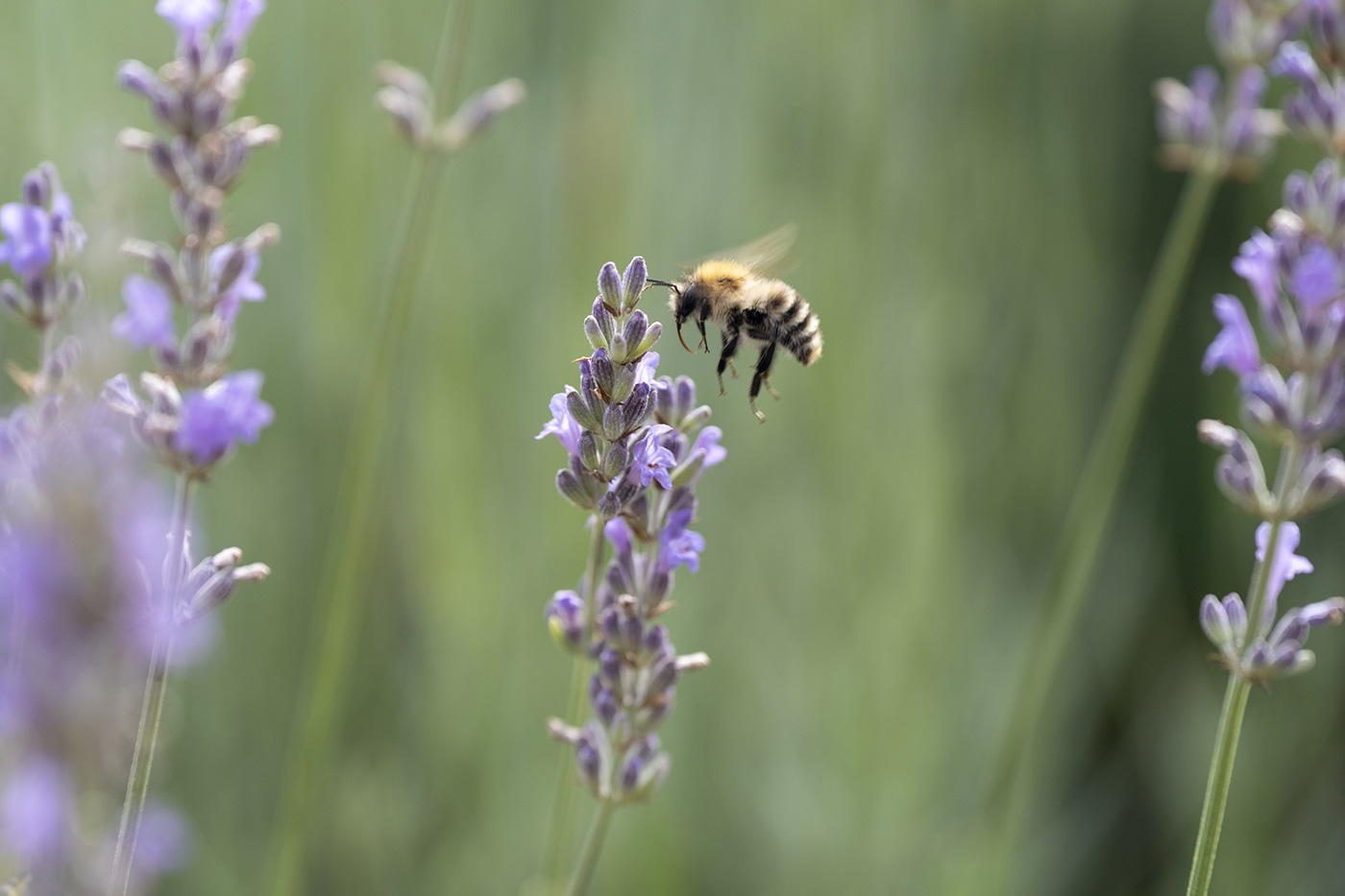
Sample 05 Bee in flight at 164mm. Settings: 1/640 sec. f/4.0. ISO 640
I was also lucky to try the Sony FE 100mm F2.8 Macro GM OSS Lens previously, and that provides larger-than-life magnification, which this cannot without a teleconverter. However, you get the benefits of a zoom, which is really useful for shooting a variety of subjects.
Getting close to the object means you can create beautifully soft backgrounds which melt away, leading us nicely onto image quality.

Sample 06 Backlit grasses at 200mm. Settings: 1/200 sec. f/4.0. ISO 100
What Is Image Quality Like?
The updated optical formula includes six special elements, together with a floating focusing system which helps maintain image quality from close-up to infinity. This is of course vital for a lens that focuses as closely as this can, where detail and aberrations become more challenging.
Gareth originally tested it on the 26MP Sony A6700, and it produced excellent detail across the frame, as you can see from the original sample images and 100% crops included. For this update, however, we went to the extreme using the Sony A7R VI, which demands high resolving power to match the highest-resolution full-frame sensor available.
Did it work out well? I was actually incredibly impressed by how sharp the images were and how well this G series model resolves fine detail. The close-up samples show lots of texture in butterfly wings, fur and foliage, while more general subjects also have extremely fine detail across complex scenes.
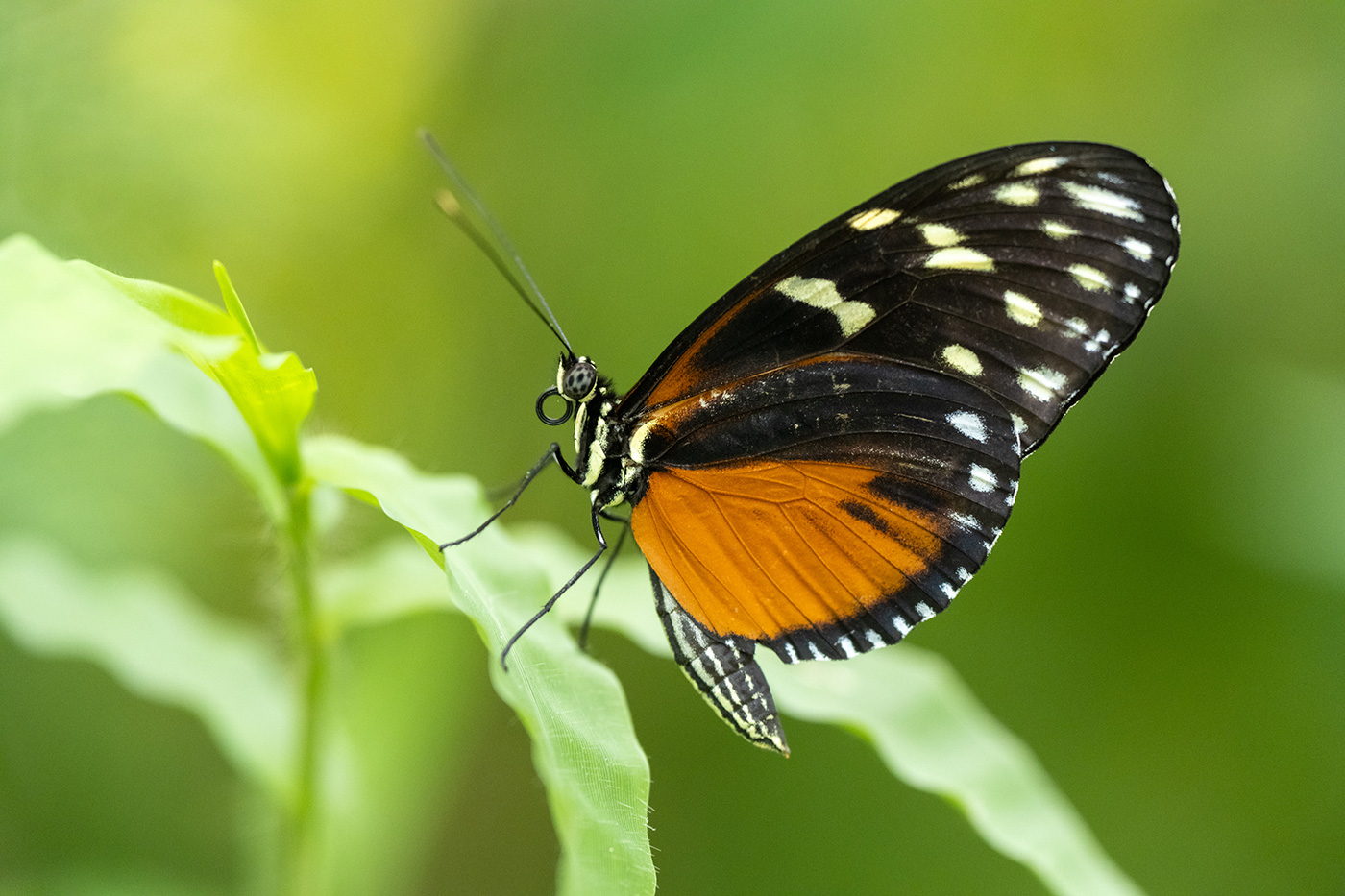
Sample 07 Butterfly at 200mm. Settings: 1/200 sec. f/4.0. ISO 4000
It also renders out-of-focus areas beautifully. At closer distances, the transition from sharp in-focus to soft defocus is very smooth, with backgrounds melting away, regardless of this being ‘just’ an F4 maximum aperture. The longer focal lengths make it easy to separate a subject from its surroundings, which is highlighted in the butterfly and bee images, as well as the more general shots where compression gives a sense of depth.
The backlit grasses were another useful test. Shooting directly towards the low sun produced bright highlights and deep shadows, yet the image retains decent contrast and detail rather than rendering only flare.
I shot everything from insects and plants to garden scenes and more editorial subjects, and there really wasn’t a point where the sensor exposed any weakness. It’s bitingly sharp, renders nice colours, does flare a little but is quite well controlled, with minimal chromatic aberration or fringing.

Sample by Gareth @200mm with A6700. Settings: 1/160 sec. f/4.0. ISO 640
How fast is the autofocus?
Out of several notable improvements, autofocus is perhaps the most instantly gratifying, with four Extreme Dynamic (XD) Linear Motors moving two independent focus groups extremely quickly and quietly. This provides fast, accurate and quiet AF that is around 20% quicker than the first-generation lens.
The second-gen. model also supports autofocus tracking while zooming, which is particularly useful when following a subject that moves away. It matches blackout-free continuous shooting at up to 30fps, compared with 20fps support from the previous generation. This was noticeable on the A7R VI, which somewhat incredibly also has a completely lag-free EVF.

100 percent crop from previous sample photo of squirrel
Autofocus was indeed extremely quick and responsive in the field, with virtually no audible noise. The XD Linear Motors work seamlessly with the latest subject recognition and tracking algorithms, acquiring subjects quickly and following them accurately around the frame. This was particularly noticeable with small, unpredictable subjects such as bees in flight. I did of course drop some frames, but overall AF was as impressive as the image quality.
If you capture moving subjects, this outperforms most dedicated macro lenses by some degree.
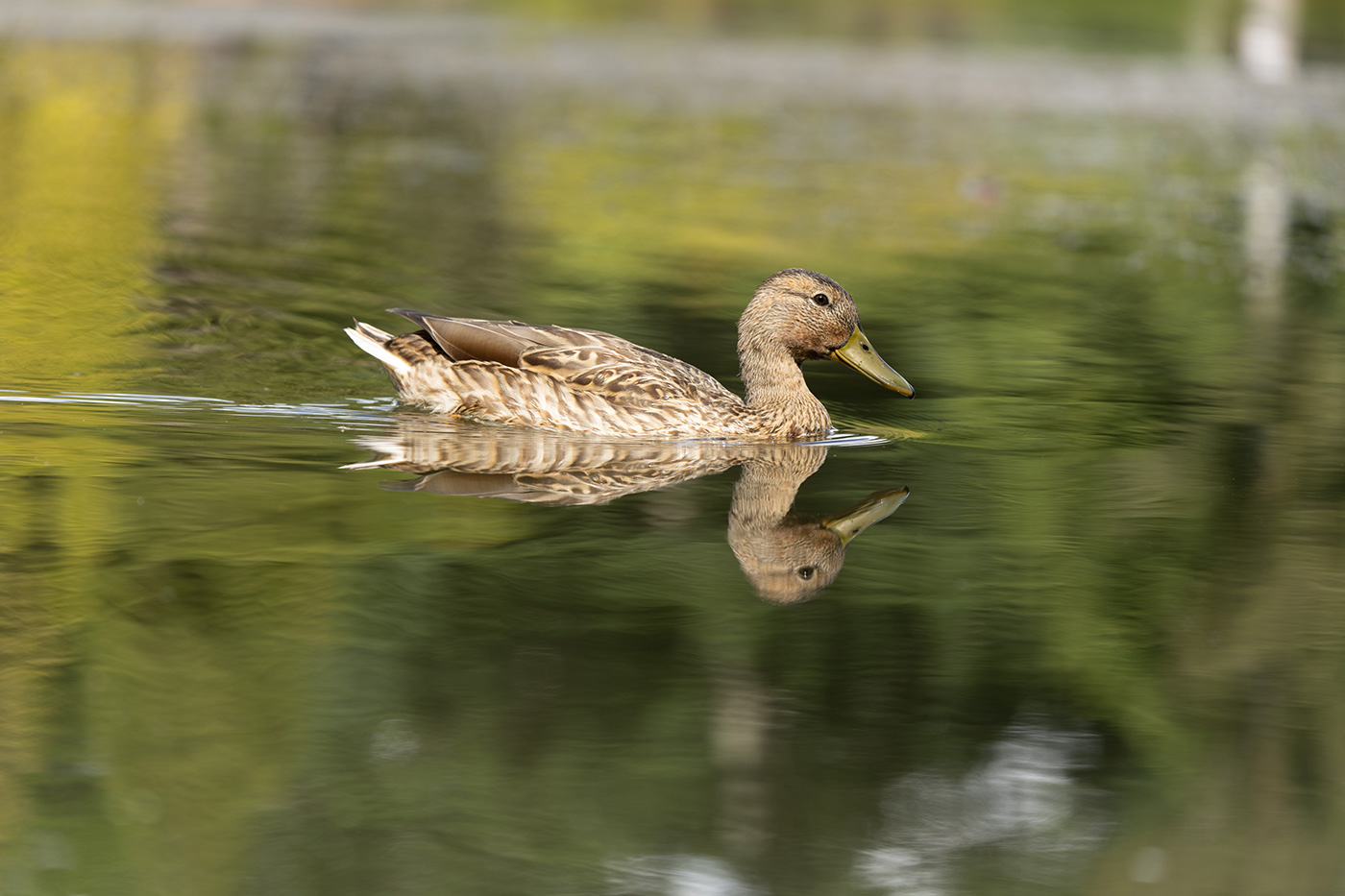
Sample 08 Duck at 145mm. Settings: 1/640 sec. f/4.0. ISO 160
Can You Use Teleconverters?
Unlike the original, the Mark II is compatible with teleconverters, providing extra reach while maintaining autofocus and image stabilisation. Both are useful, and the 1.4x Teleconverter turns it into a 98-280mm F5.6, while the 2.0x extends it to 140-400mm F8.
They also increase the maximum magnification. The 2.0x takes it to 1.0x life-size magnification, giving you true macro reproduction as well as a 400mm maximum focal length. While you lose a stop or two of light, I would say it’s well worth it for the extension you gain.
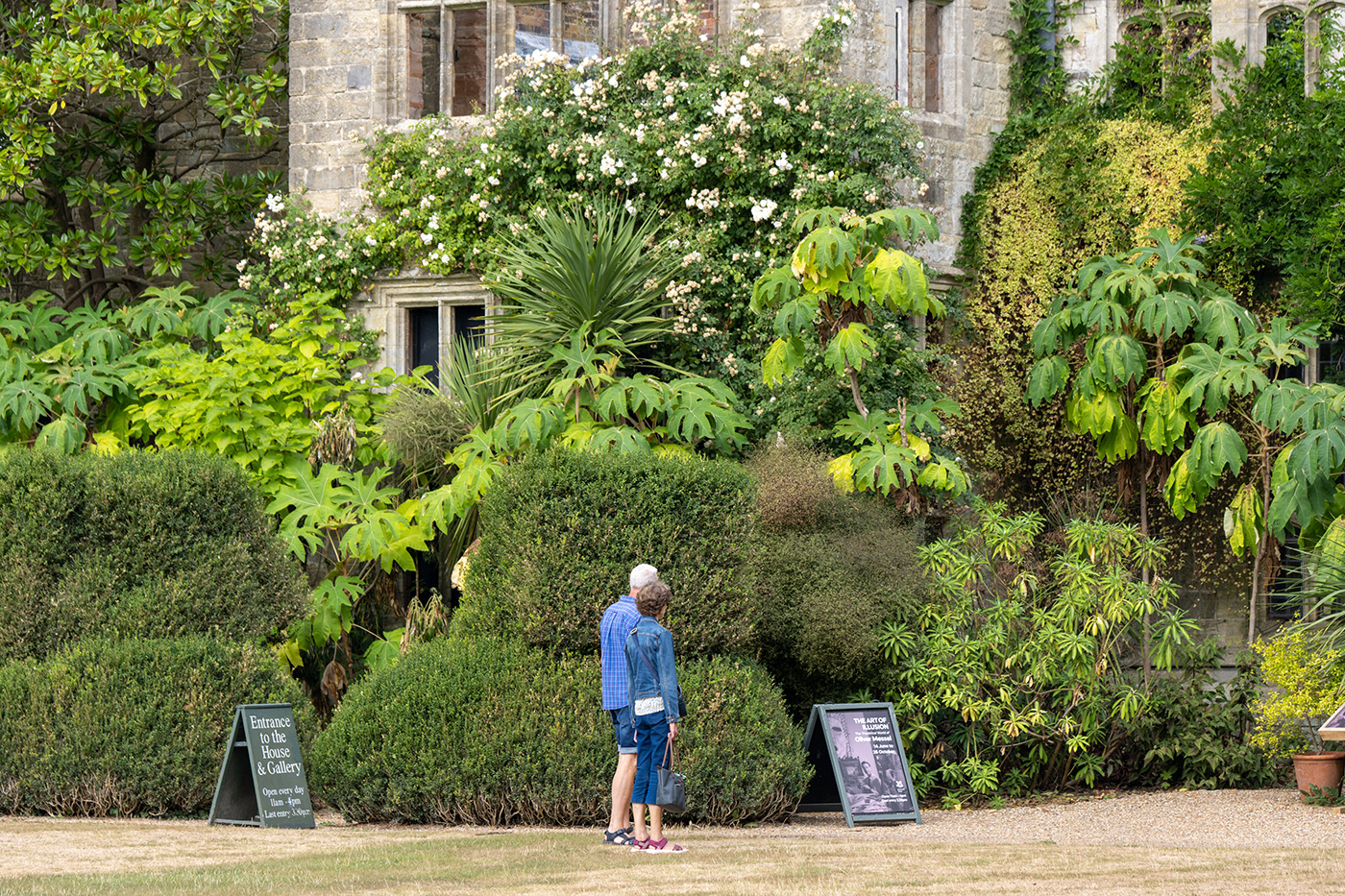
Sample 09 Editorial at 158mm. Settings: 1/200 sec. f/4.0. ISO 250
Is It Versatile, Beyond Macro?
As mentioned earlier, I’m a fan of close-ups as well as this zoom range, and the versatility of the G lens impressed as much as I hoped it would. During my time, it was trained on wildlife, insects, plants, landscapes and more editorial-style photography, as I moved from distant subjects and close-ups without ever changing lenses.
The 70mm end is also plenty wide enough for environmental portraits, while 200mm provides reach and separation for closer wildlife, lifestyle portraits and more distant landscape scenes.
You do lose a stop of light compared to the F2.8 G Master, but AI noise reduction during post can really reduce noise without damaging your file, so you can take your ISO up a notch to compensate.
For the variety of subjects I shot during this review, there were only a few occasions when I wished I had brought a different lens. That’s always going to be the case though, especially when you shoot such a broad variety of genres.

Sample 10 Close-up Acer seeds at 200mm. Settings: 1/800 sec. f/4.0. ISO 5000
Specs Comparison
For this updated review, we refreshed the comparison table to compare three current Sony E-Mount lenses rather than the discontinued first-generation F4. It may prove useful when deciding which is best for your needs.
|
|
|||
|
Price |
£1,549.00 |
£2,399.00 |
£1,399.00 |
|
Focal length |
70-200mm |
70-200mm |
100mm |
|
Maximum aperture |
F4 |
F2.8 |
F2.8 |
|
Optical construction |
19 elements in 13 groups |
17 elements in 14 groups |
17 elements in 13 groups |
|
Minimum focusing distance |
0.26-0.42m |
0.4-0.82m |
0.26m |
|
Maximum magnification |
0.5x |
0.3x |
1.4x |
|
Maximum magnification with 2.0x Teleconverter |
1.0x |
0.6x |
2.8x |
|
Teleconverter compatibility |
Yes |
Yes |
Yes |
|
Image stabilisation |
Optical SteadyShot |
Optical SteadyShot |
Optical SteadyShot |
|
Aperture blades |
9 |
11 |
11 |
|
Filter diameter |
72mm |
77mm |
67mm |
|
Dimensions |
82.2 x 149mm |
88 x 200mm |
81.4 x 147.9mm |
|
Weight |
794g |
1,045g |
646g |
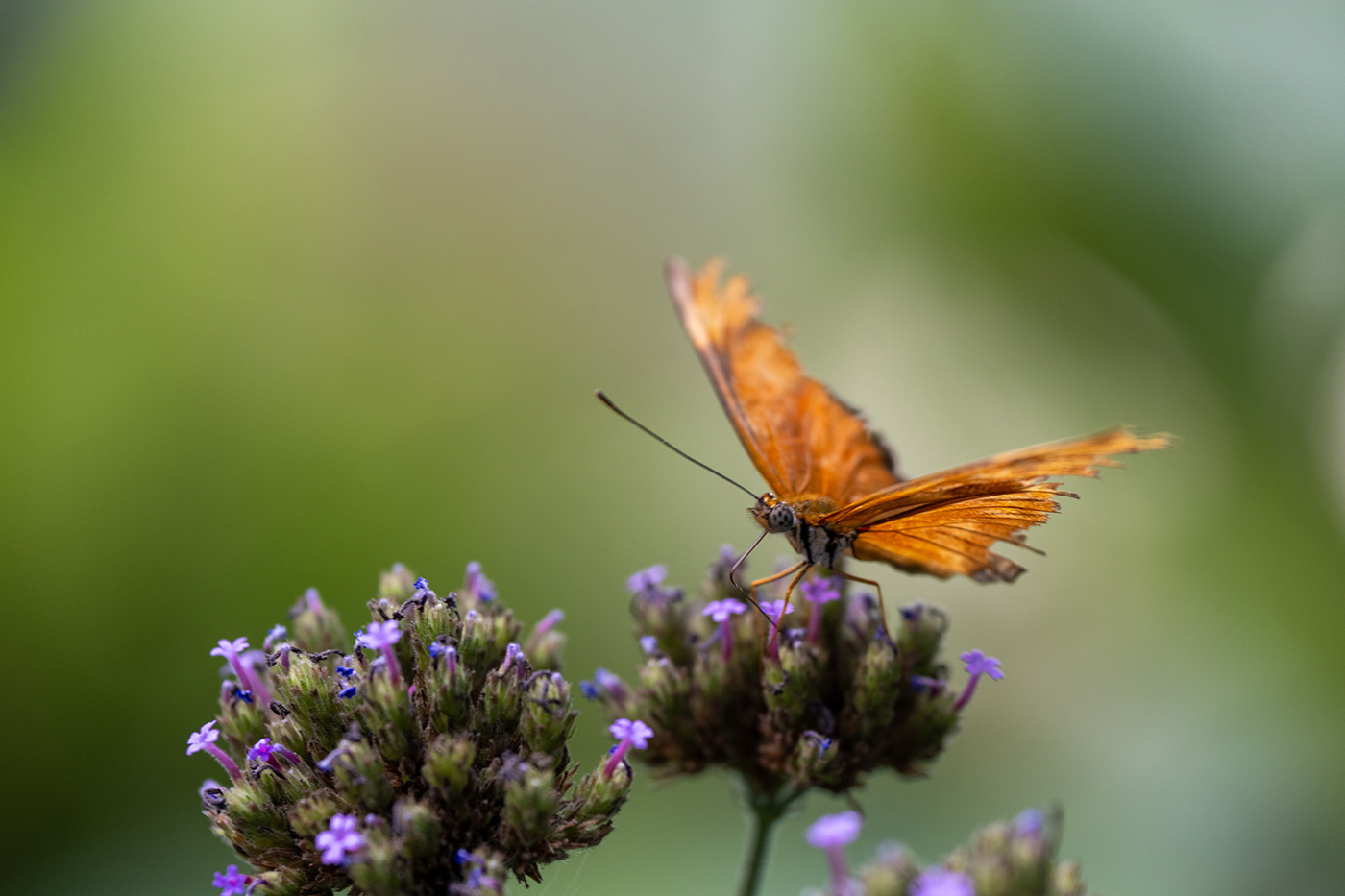
Sample 11 Butterfly feeding on verbena at 200mm. Settings: 1/125 sec. f/4.0. ISO 640
Who is it best for?
70-200mm is certainly not a new range, and is well suited to photographers who want one zoom for a variety of subjects spanning things like wildlife, travel, portraits and, with this, also macro. The lighter weight and short length make this particular model appealing when you have to carry your kit all day, so landscape photographers have an excellent option here.
APS-C users gain a 105-300mm equivalent field of view, which is great for more distant wildlife, birds and sports, as Gareth’s original A6700 samples demonstrate.
The main decision is whether you need F2.8 or the additional magnification that the 100mm provides. Pro shooters covering sports, events and low-light situations may lean towards the G Master due to the extra stop and internal zoom, whereas dedicated macro photographers have considerably greater magnification with the 100mm F2.8 Macro GM.
The F4 zoom is a very interesting middle option which will no doubt appeal to a variety of users.
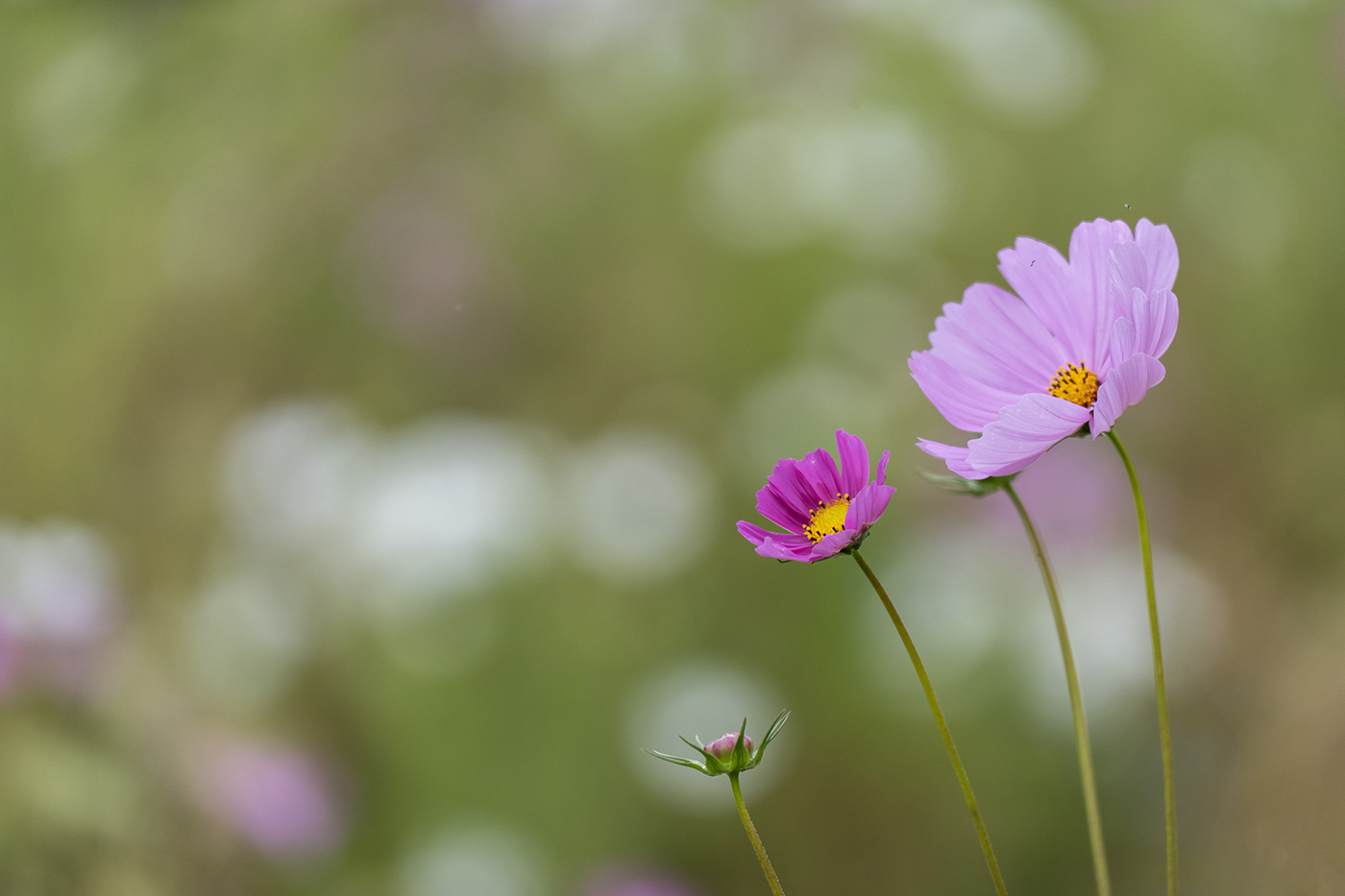
Sample 12 Three flowers at 200mm (slightly cropped). Settings: 1/1000 sec. f/4.0. ISO 500
I found it to be really versatile, portable, bitingly sharp and it kept pace with the latest AF system in the A7R VI. I did not find the aperture a limitation, with no images ruined by noise, even when shooting at ISO 5000.
It may feel slightly less premium, and extends when zooming, but that may well be worth it for the weight and cost savings compared to the GM.
Head over and check out the Sony FE 70-200mm F4 Macro G OSS II Lens to discover its impressive combination of portability, close focusing and versatility for yourself.
Share this post:
By Nick Dautlich on 30/09/2026

Nick Dautlich
Senior Content Writer and Product Reviewer
Nick Dautlich is the Senior Content Writer and Product Reviewer at Park Cameras, with over 15 years of photography experience. A Sony Imaging Professional and expert reviewer, Nick has worked with major brands such as Canon, Sony and Nikon. His work is also featured on Vanguard World UK’s website, Capture Landscapes, and Shutter Evolve. Nick’s photography includes National Trust projects and magazine covers and he is passionate about landscapes and storytelling. Nick also enjoys hiking and teaching his children about nature. Learn more on his profile page.
Trade in your old equipment
Fast and easy trade in service ensures your old gear is collected efficiently and you are paid quickly! It's very simple to trade in your unwanted photography gear. Just head over to our dedicated Sell or Part Exchange page, fill out the details, and we'll get back to you with an offer for your old gear. Take the cash, or put it towards the cost of your new gear. It's up to you! Find out more
sign up to the newsletter
Keep up to date on the latest photography news, events and offers. Sign up now